If you brewed your first IPA a decade ago, you might remember the mantra: more hops, more bitter, more ABV. Citrus bombs. Pine resin. Uncompromising bitterness. That’s still valid, but 2026 is rewriting the IPA playbook entirely.
The modern IPA renaissance isn’t about abandoning hops—it’s about precision. New extraction techniques, lighter malt bases, genetically refined yeast strains, and ingredients like hop kief are transforming how we brew these beloved ales. This isn’t a return to tradition; it’s forward momentum disguised as sophistication.
Why Modern IPA Techniques Matter Now
Trends in UK craft beer are shifting. Sessionable pales, clean lagers, and thoughtfully hopped IPAs now coexist peacefully on gastropub menus—no longer locked in a bitter arms race. The consumer palate has matured. We want complexity and drinkability, not just shock value.
Home brewers are taking note. When I read about techniques like SubZero Hop Kief and hop terpene extraction, it clicked: we’re treating hops like distillers treat spirits. The goal isn’t volume anymore—it’s precision flavour expression.
This shift mirrors what happened in premium lager brewing. Clean fermentation, tighter control, respect for ingredient character. Modern IPAs demand the same discipline.
The Malt Foundation: Pilsner Mastery
Here’s the controversial bit: drop the caramel malt. No, seriously.
Traditional American IPA grain bills rely on pale 2-row or pale ale malt with 5-10% crystal malt to add body and sweetness. Modern approaches are inverting this. A 90%+ Pilsner base with maybe 5% flaked oats creates a bone-dry, crisp canvas. The hops become the entire story.
Why Pilsner? It’s cleaner than pale 2-row. Lower protein means better clarity, less astringency, and crisper finish. It also atrophies very well—you’ll hit 80%+ apparent attenuation with the right yeast. That translates to a dry, refreshing beer that doesn’t sit heavy, even at 6.5% ABV (10 plato original gravity).
Recipe starting point:
- 88% Pilsner malt
- 5% Flaked Oats (body, head retention)
- 7% Munich Malt (depth, subtle bread character)
Mash at 65°C (149°F) for 60 minutes to maximise fermentability. You’ll notice the difference immediately: a lighter, crisper body than traditional IPAs, but with backbone. The oats add silky mouthfeel without sweetness.
Hop Extraction: From Kief to Terpene Expression
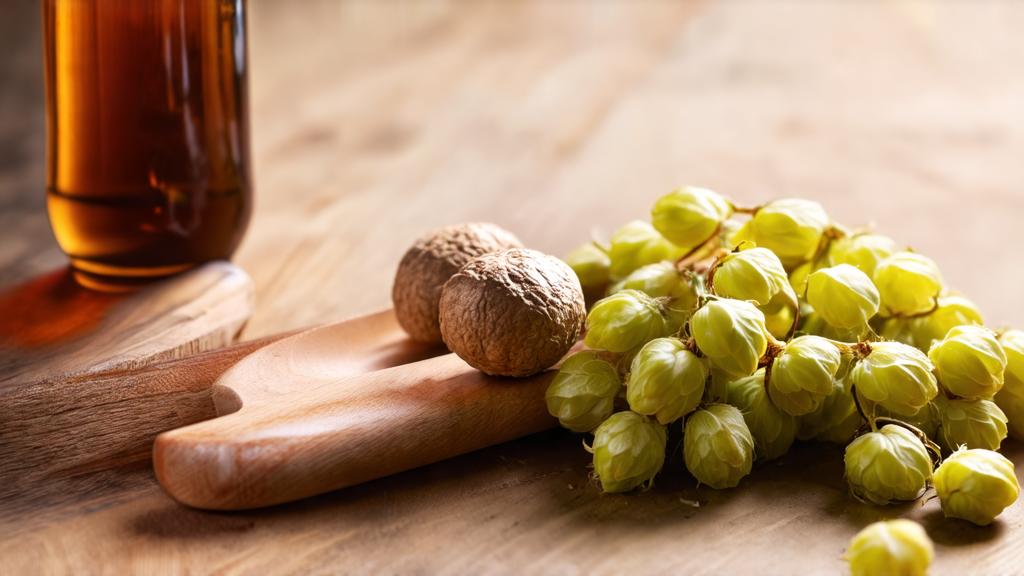
SubZero Hop Kief. HyperBoost. Hop terpenes. These aren’t marketing buzzwords—they’re real tools changing the game.
What’s hop kief? It’s the trichome powder sifted from dried hops—the concentrated lupulin glands that carry flavour and aroma compounds. A tablespoon of kief packs the punch of an entire hand of whole leaf hops, but without the vegetal bulk.
Practically speaking: if you’d normally add 30g of Mosaic hops at flame-out, try 5-8g of kief instead. The aroma is intense—almost more concentrated than fresh cone hops. It integrates faster into solution and doesn’t hang around as vegetable material.
The science: terpenes (myrcene, caryophyllene, limonene) are volatile. Whole hops degrade over weeks; kief concentrates these compounds and reduces oxidation pathways. Craft brewers are experimenting with terpene addition timing—some add terpenes cold at the end of fermentation to preserve aromatic notes that would boil away in traditional methods.
For home brewers:
- Bittering (60 min): Whole leaf Magnum or Warrior—clean, neutral alpha acids (12-16%). Target 40-45 IBU.
- Flavour additions (15 min, 5 min, knockout): Mix whole hops and kief. A blend of Citra, Amarillo, and Mosaic works beautifully. Kief at knockout gives aroma impact without astringency.
- Dry hop: Here’s where it gets modern. 50% whole hops (3-day soak at cold temps) + 50% kief (added during last 2 days of dry hop). The kief integrates quickly; the whole hops provide texture and subtle herbaceous balance.
Temperature matters enormously. Modern brewers are using temperature-controlled dry hopping—holding at 12-15°C (54-59°F) instead of room temperature. Cooler temps slow isomerisation of alpha acids into harsh flavours. Your aroma stays brighter, fresher.
Yeast Science: Modified Strains for Modern IPAs
Gone are the days of Wyeast 1056 (California Ale) being the only choice for clean, neutral fermentation.
Modern IPA brewers have options. A few standouts:
- Escarpment Labs Hornindal Kveik: Ferments clean at 28-30°C (82-86°F) in 4-5 days. Very low ester production. Originally from Norwegian farmhouse brewing, now a secret weapon for fast, crisp IPAs.
- London Ale III (Wyeast 1318): Slightly fruitier than 1056, but in a refined way—hints of peach, apricot without being bubblegum. High attenuation (80-85%). Pairs beautifully with modern Pilsner bases.
- Fermentis Safale US-05: Still the workhorse. Reliable, clean, affordable. Ferments at 18-25°C. If you’ve never tried it, start here.
The real innovation: modified yeast strains engineered for specific fermentation profiles. Some newer strains (like certain Kveik variants) have been genetically refined to reduce off-flavours and peak fermentation speed. This isn’t GMO in the scary sense—it’s selective breeding accelerated by genetic sequencing.
Choose yeast based on your fermentation timeline and desired flavour profile. A fast Kveik beer finished in 10 days has a different character than a 14-day London Ale ferment. Both are “clean,” but the timing shifts aroma expression.
Fermentation and Conditioning: The New Timeline
Brew day fermentation:
- Pitch at 18°C (64°F) to slow yeast activation and minimize stress.
- Let temp rise naturally to 20-22°C (68-72°F) over 24 hours.
- High krausen (day 2-3): hold steady at 20-22°C. Don’t let it spike.
- By day 5-6, gravity should be dropping fast. Let fermentation push to ~23°C naturally.
- At 1/4 gravity remaining, add your dry hop charge.
This “ramp” fermentation mimics what larger breweries do. It lets yeast wake slowly, minimises esters and sulphur compounds, then finishes cleanly.
Post-fermentation strategy: Once fermentation is complete (FG ~1.010), let the beer sit on yeast for 2-3 days. This isn’t lazy—it’s active. Yeast autolyses slightly, proteins precipitate, and the beer clarifies naturally. Then rack off to secondary (or bottling bucket) and either force-carb or condition for 10-14 days.
Packaging in a hurry? Fine. But modern brewers are learning: patience beats speed. A beer that’s cold-crashed for 48 hours and fined with gelatin clarifies beautifully, even in the bottle.
Tasting Notes: What Modern IPAs Should Be
When I brewed my first modern-technique IPA (Pilsner/oats/Munich base, Mosaic/Citra/Amarillo with 20% dry-hop kief, London Ale III yeast, 22-day total timeline), the difference was immediate.
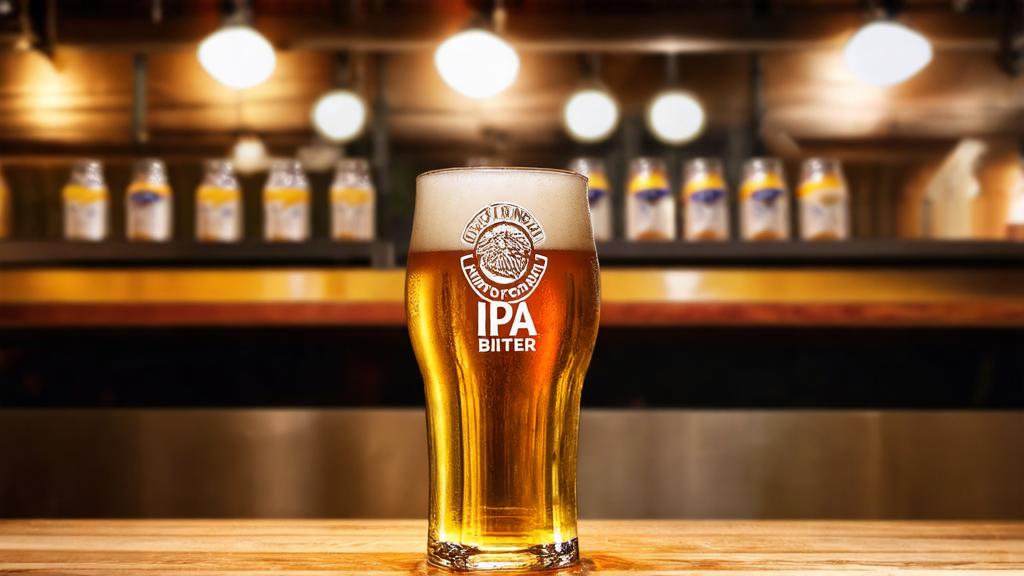
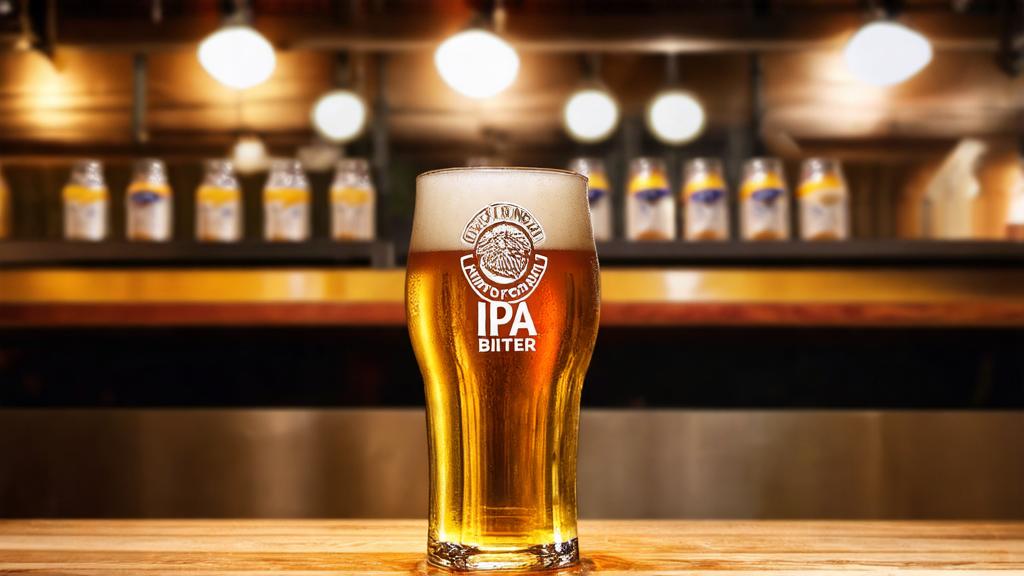
Appearance: Bright golden, almost translucent against the light. Not hazy (that trend is 2018). Clean, crisp clarity with a thick, persistent white head.
Aroma: No alcohol burn. Instead: citrus burst (grapefruit zest, orange peel), subtle stone fruit (apricot), and a whisper of pine without that resinous harshness of old-school IPAs. The kief dry hop adds a kind of “pop”—immediate impact without stickiness.
Taste: Malt is almost invisible—a clean, dry platform. Hops dominate. Bitterness is refined, not shocking. Maybe 42 IBU calculated, but it feels like 30 because the clean fermentation and Pilsner base don’t add harshness on top. Finish is bone-dry, crisp. Drinkable. Almost sessionable at 6.5% ABV (though it drinks lighter because of the attenuation).
Mouthfeel: Silky from oats, but not thick. The flaked oats provide body without starchy graininess. Carbonation sits at 2.6 volumes CO₂—just enough fizz to feel refreshing, not over-carbed like a typical IPA.
Common Mistakes and Refinements
Mistake 1: Overdoing the Kief
Kief is concentrated. 15g can taste like 100g of whole hops. Start light. You can always add more next batch.
Mistake 2: Forgetting Temperature Control During Dry Hop
Room-temperature dry hopping oxidises terpenes. If you can’t cool-soak at 12-15°C, at least cover your fermenter and keep it out of direct sunlight. Heat accelerates staling.
Mistake 3: Rushing the Conditioning
Modern IPAs need time to integrate. Bottle too early, and the beer tastes sharp, green, slightly sulphurous. Wait 14 days. The flavours will smooth and meld.
Refinement: Experiment with Malt Ratios
If 88% Pilsner feels too lean, try 85% Pilsner + 7% Munich instead of splitting the rest with oats. Munich adds subtle malt character—a touch of bread crust—without sweetness. Find your sweet spot over 2-3 brews.
Next Steps: Where Modern IPA Brewing Goes in 2026
The horizon is fascinating. Some UK breweries are experimenting with hybrid fermentation techniques—blending ale and lager yeast strains to create beers that are clean like lagers but aromatic like ales. Others are sourcing single-hop harvests (terroir for hops!) and building entire IPAs around one variety.
For home brewers, the takeaway is simple: precision over aggression. Modern IPAs aren’t about proving something. They’re about craft, about understanding your ingredients, about creating a beer you genuinely want to drink multiple times without fatigue.
Start with the Pilsner base. Try kief. Dial in your yeast and fermentation curve. Taste the difference. Document what works, what doesn’t. That’s where the real mastery lives.
🍺 Join the Brotherhood — Monthly brews, stories & monk wisdom
Subscribe for exclusive recipes, early brew logs, and behind-the-scenes updates straight to your inbox.