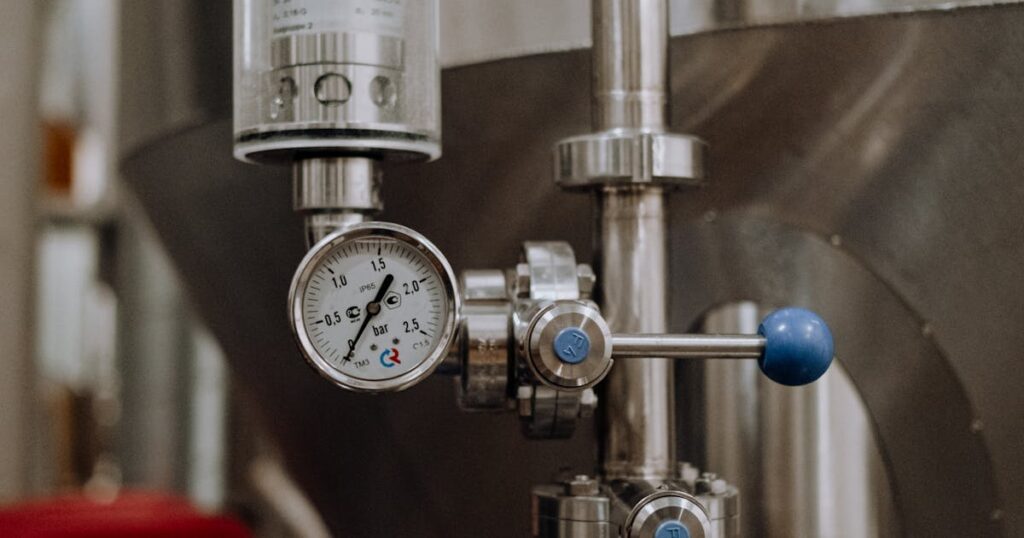
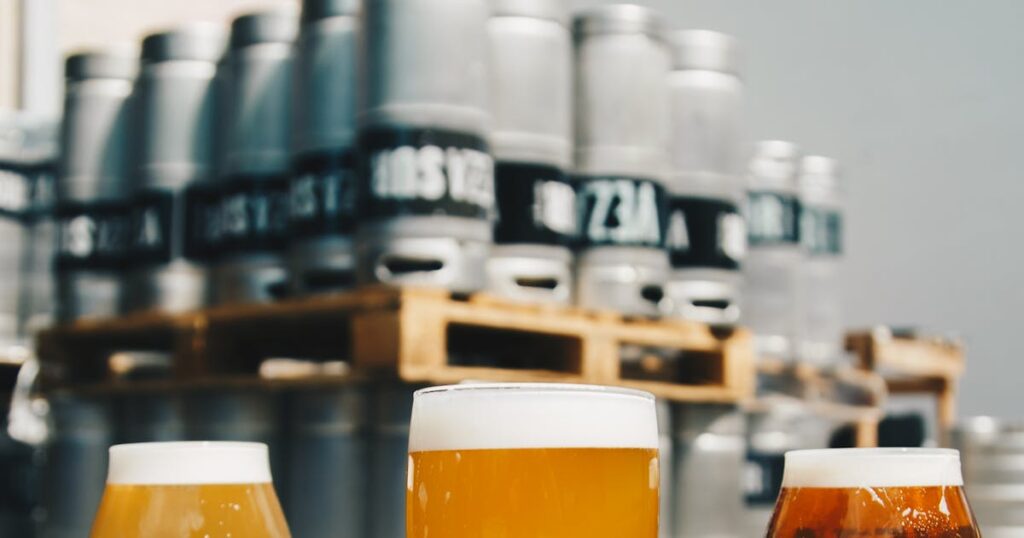
The aperitif hour is back. Not the 1970s vermouth-and-soda kind, but a sophisticated, food-forward drinking culture that’s reshaping how we think about session beers. In 2026, homebrewers are waking up to a golden opportunity: craft low-ABV beers with genuine flavour, savoury depth, and the kind of elegance that says “dinner is coming” rather than “I’m getting smashed on Saturday.”
If you’ve been grinding away on hoppy IPAs and fruity sours, this might feel like a curveball. But aperitif session beers represent something profound in brewing: the return of restraint. Lower alcohol doesn’t mean lower ambition. These beers demand precision, balance, and a willingness to explore savoury, herbaceous, and umami-forward profiles that don’t hide behind booze.
Let’s brew one.
Why Aperitif Beers Matter in 2026
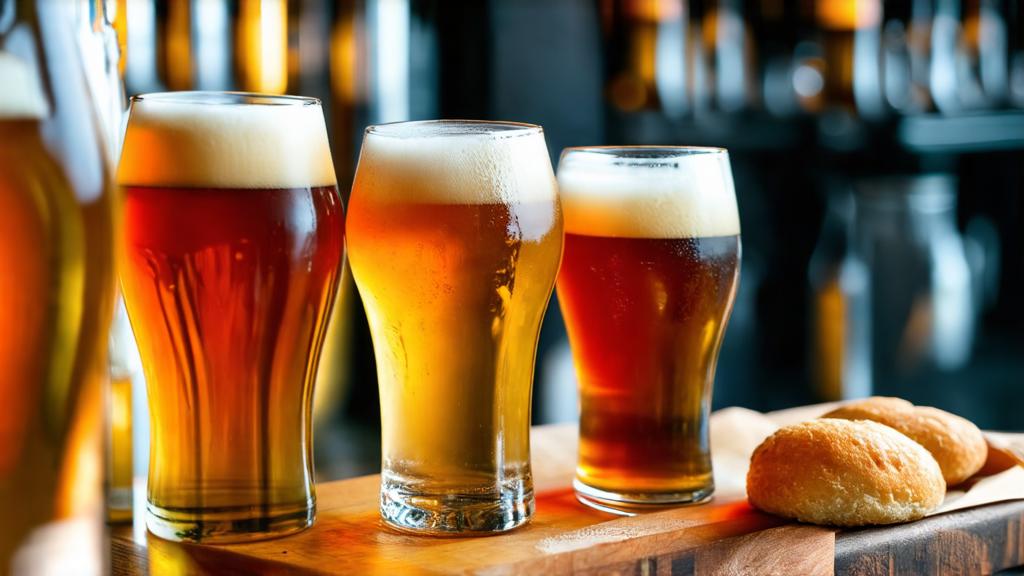
There’s a cultural shift happening. Drinkers—especially in the UK—are exhausted by the extremes. Two decades of barrel-aged imperial stouts, triple IPAs, and adjunct-laden experimental nonsense have created a backlash. People want to drink *more*, not less. They want flavour without the hangover. They want to enjoy a beer before dinner without needing three hours to recover.
Aperitif beers tick all these boxes. Sitting between 3.0% and 4.5% ABV, they’re low enough for a social session but high enough to carry serious flavour. The magic happens when you stop thinking like a typical session brewer—lightweight and forgettable—and start thinking like a European aperitif drinker. You’re not trying to be refreshing. You’re trying to be *interesting*. Herbal. Mineral. Slightly bitter. Food-pairing obsessed.
This aligns perfectly with low-ABV brewing mastery, a technique space that’s evolved dramatically in 2026. The chemistry of brewing compelling beer at sub-4% ABV has become a respected craft in its own right, separate from the “cheap light lager” stigma of the 1980s.
The Aperitif Profile: Savoury, Herbaceous, Sophisticated
An aperitif session beer is fundamentally different from a traditional session ale. Where a British bitter might chase malty sweetness, an aperitif beer leans into savoury, mineral, and herbaceous notes. Think bitter greens. Herbal garden clippings. A whisper of white wine character.
The flavour profile typically includes:
- Moderate bitterness: 25–40 IBU, enough to define structure but not to overwhelm
- Dry, mineral finish: Clean, crisp, never sticky
- Herbal/floral notes: From noble hops or foraged botanicals
- Subtle spice: Black pepper, coriander, or anise nuances
- Pale to golden colour: Typically 3–7 SRM (Lovibond)
- Light body: Crisp, watery, elegant—not fluffy
This is where herbal beer mastery intersects with aperitif culture. You’re not brewing a gruit ale steeped in medieval whimsy; you’re crafting a modern, food-forward beer with intentional botanical additions.
Ingredients for Your First Aperitif Session Brew
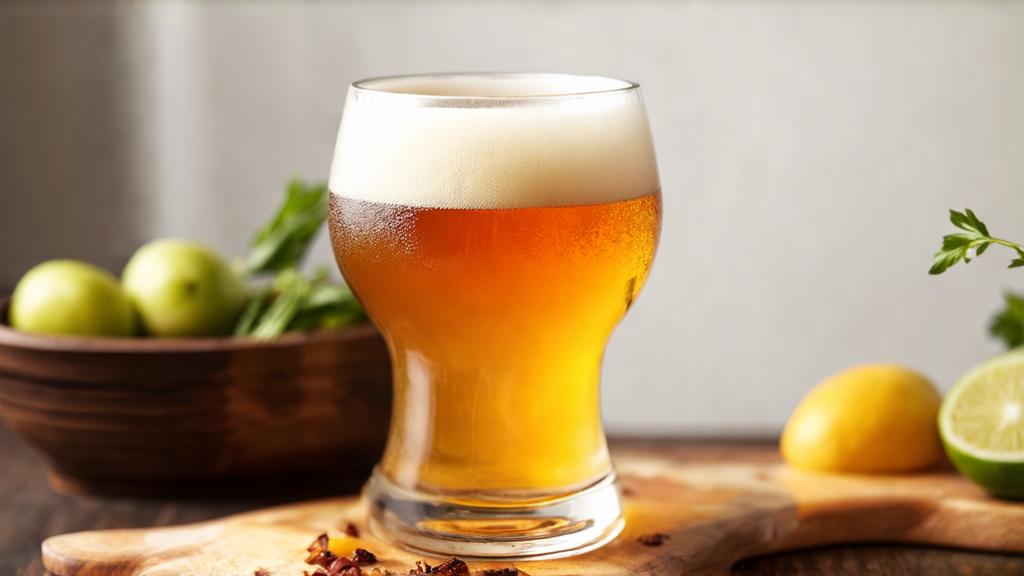
For a 20-litre (5-gallon) batch targeting 3.8% ABV, 35 IBU, and a sophisticated mineral character:
Grain Bill (68% efficiency):
- 2.0 kg (4.4 lbs) Pilsner malt
- 0.5 kg (1.1 lbs) Vienna malt
- 0.2 kg (0.4 lbs) Acidulated malt (water pH adjustment)
- 0.15 kg (0.3 lbs) Wheat malt (head retention)
Hops:
- 15g Hallertau Mittelfrüh @ 60 min (bittering)
- 10g Saaz @ 30 min (flavour)
- 8g Styrian Goldings @ 5 min (aroma)
- 5g Hersbrucker @ 0 min (whirlpool)
Botanicals (add to last 5 minutes):
- 2g dried thyme
- 1g dried white pepper (crushed)
- 0.5g dried lemon peel
Water: Aim for a mineral-forward profile. If your water is soft, add 50–75 ppm Gypsum and 25 ppm NaCl to build minerality. For detailed water profiling, brew like Burton: water chemistry for homebrewers covers the fundamentals.
Yeast: SafAle US-05 or a clean German lager strain (WLP830, if you have time for a proper lager). For speed, US-05 ferments crisp and clean at 18°C (64°F), finishing dry without any fruitiness.
Sources: The Malt Miller (UK malt), Geterbrewed.com (hops and yeast), BrewUK (botanicals and specialty ingredients).
Step-by-Step Brew Day
Mash (65°C / 149°F, 60 minutes): Hold a single infusion at this temperature. You’ll build body and fermentability without excess sweetness. Stir every 15 minutes to avoid channeling.
Sparge (75°C / 167°F): Fly sparge or batch sparge to collect roughly 25 litres of wort. Aim for a pre-boil gravity of 1.040.
Boil (90 minutes):
- Add Hallertau at 60 min (bittering, 15g)
- At 30 min, add Saaz hops (10g)
- At 5 min, add Styrian Goldings (8g) + dried botanicals (2g thyme, 1g white pepper, 0.5g lemon peel)
- At 0 min (end of boil), add Hersbrucker whirlpool hops (5g), then chill
Whirlpool & Clarification: Let the hop matter settle for 15 minutes. Siphon to your fermenter, leaving trub behind. You’re aiming for an OG of 1.039–1.041.
Fermentation: Pitch US-05 at 18°C (64°F). Hold temperature steady. Fermentation will take 7–9 days. When gravity stabilises at 1.004–1.006, you’re done. This beer should finish bone-dry.
Cold Conditioning: Crash to 4°C (39°F) for 3 days. This polishes the beer and improves clarity. Pressure fermentation techniques can accelerate conditioning if you’re equipped, but it’s not necessary for this style.
Carbonation & Presentation
Aperitif beers demand precise carbonation. Too flat, and the beer feels flabby. Too fizzy, and you lose the delicate aroma.
Target carbonation level: 2.3–2.5 volumes of CO₂. This is lower than a typical ale (2.5–2.7) but still effervescent. For bottle conditioning, aim for 2.0–2.2 g/L of priming sugar. For kegging, set your regulator to 10 PSI and allow 2–3 weeks to fully carbonate at 4°C.
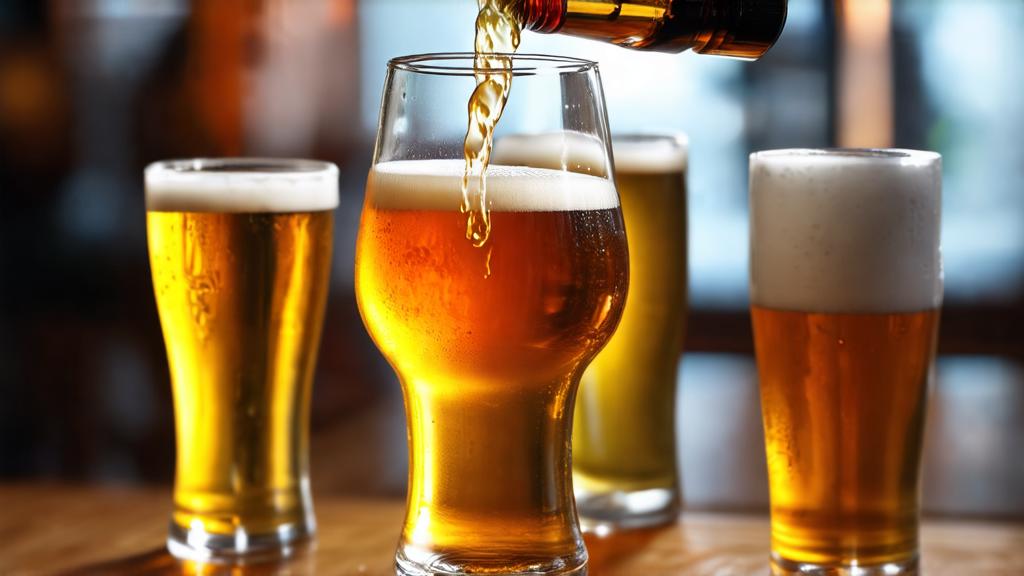
Glassware: Serve in a wine glass, white wine glass, or tulip pint. Avoid broad, shallow glasses—they’ll release carbonation too quickly. Pour with a slight head (1–1.5 cm). The goal is elegant, not frothy.
Temperature: Serve at 8–10°C (46–50°F). Slightly cooler than you might think, but this keeps the beer crisp without numbing the savoury notes.
Food Pairing & Social Drinking
The real magic of aperitif session beers is their food partnership. These beers aren’t meant to be drunk in isolation; they’re designed for the pre-dinner moment, for sipping alongside cured meats, olives, aged cheese, or a simple green salad with vinaigrette.
- Cured meats & charcuterie: The mineral and herbal notes cut through fat beautifully
- Aged cheeses (Gruyère, Emmental): Herbaceous hops complement nutty, complex flavours
- Goat cheese with herbs: Perfect match for the thyme and white pepper notes
- Grilled vegetables: The slight bitterness and dryness enhance charred flavours
- Shellfish & light seafood: The minerality echoes saline notes in oysters and clams
This positions your homebrew as something genuinely sophisticated—not a party drink, but a contemplative pre-dinner moment. You’re not chasing intoxication; you’re chasing experience.
Variations & Experimentation
Once you’ve brewed the base version, aperitif beers open up to endless refinement:
Botanical Swaps: Replace thyme with tarragon, marjoram, or even fresh sage (use sparingly—0.5g). Try orange peel instead of lemon. These small changes dramatically shift the character.
Different Hop Varieties: Swap Saaz for Tettnang (more spice), Hallertau Magnum (cleaner), or British Goldings (earthy and herbal).
Water Experimentation: Some homebrewers prefer an even drier, more mineral finish. Increase Gypsum to 100 ppm, and the beer becomes even more wine-like and austere.
Dry Hopping (light): Add 3–5g of Hallertau or Saaz for 3–4 days post-fermentation for a subtle herbal lift without aggressive aroma.
Hybrid Fermentation: For the curious, hybrid fermentation techniques can be adapted here. Use a Kolsch yeast (SafAle K-97) fermented warm (19–20°C / 66–68°F), then cold-condition. The result is something between an ale and a lager—crisp, refined, subtly fruity.
Tasting Notes & My First Batch
I brewed my first aperitif session beer in early May 2026. Honestly? I was sceptical. I’d spent years chasing intensity, alpha acids, and novelty. The idea of drinking a beer below 4% ABV with *intention* felt almost perverse.
But the first glass—poured into a Burgundy glass, at 9°C, alongside a plate of aged Comté cheese and prosciutto—changed my mind.
The beer opened with a clean, crisp head. Aroma was subtle: green herbs (the thyme), a whisper of white pepper, and a faint citrus note from the lemon peel. On the palate, there was real structure. The Pilsner malt provided a dry, slightly grainy foundation. The Vienna malt added a touch of bread crust sweetness that balanced the bittering. The botanicals didn’t dominate; they whispered. That finish was the revelation: mineral, peppery, and completely dry. Bone-dry. The kind of dryness that makes you want to take another sip.
At 3.8% ABV, I could drink three glasses and feel nothing but satisfied. This is the aperitif promise delivered.
Pro Tips & Common Mistakes
Mistake #1: Over-botanicalising. I see homebrewers add grams of herbs when fractions of a gram will do. Start small. You can always add more in the next batch. You can’t undo an herbal bomb.
Mistake #2: Under-bittering. At lower ABV, bitterness becomes more pronounced. Don’t skimp on the bittering charge—35–40 IBU is appropriate. Without it, the beer tastes watery.
Mistake #3: Too much head space in the bottle or keg. This beer demands fresh, clean flavours. Oxidation ruins it instantly. Purge your keg. Top-up your bottles. Use fresh caps.
Pro Tip #1: Use a water mineral calculator. Sites like Bru’n Water or EasyMash (Google them) let you dial in exact water profiles. This is where aperitif beers really shine—the mineral foundation matters more than in high-ABV beers.
Pro Tip #2: Age matters less, but freshness matters more. Drink this beer within 8 weeks of packaging. It’s best fresh. As it ages, the delicate herbal notes fade and oxidation creeps in.
Pro Tip #3: Temperature stability during fermentation is crucial. Even a 2–3°C swing will introduce fruity esters that disrupt the dry, mineral character you’re chasing. Invest in a temperature-controlled space or wrap your fermenter in a heat belt.
Conclusion: The Aperitif Moment
Aperitif session beers represent something larger than a brewing technique. They’re a philosophical shift: restraint over excess, balance over novelty, community drinking over solo intoxication. In 2026, they’re also perfectly aligned with where culture is moving—toward mindful consumption, food pairing, and the return of elegance.
If you’ve never explored savoury, herbaceous, low-ABV brewing, this is your moment. Start with the recipe I’ve outlined. Keep notes. Adjust the botanicals. Dial in your water. And then—pour yourself a glass at the golden hour, pair it with something delicious, and sit for a moment.
This is what homebrewing is really about.
🍺 Join the Brotherhood — Monthly brews, stories & monk wisdom
Subscribe for exclusive recipes, early brew logs, and behind-the-scenes updates straight to your inbox.