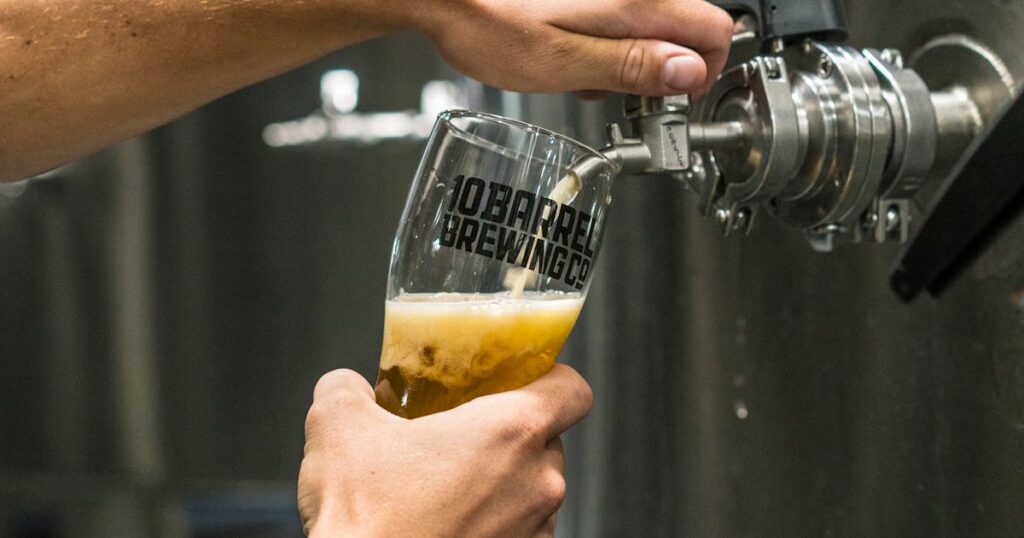
As the British sun finally makes an appearance and beer gardens fill up across the land, there’s one style that deserves a permanent spot in your brewing schedule: British Golden Ale. This gloriously drinkable, hop-forward pale ale has become a staple of the UK’s modern cask beer scene, offering everything we love about sessionable ale without the heavy malt character of a traditional bitter.
In this guide, we’ll walk through everything you need to brew a brilliant golden ale at home — from grain selection and hopping schedules to fermentation temperature control and serving suggestions. Whether you’re new to British beer styles or an experienced homebrewer looking to nail that elusive balance, this one’s for you.
What Exactly Is British Golden Ale?
British Golden Ale emerged in the 1980s and 90s as a response to the growing popularity of lager among British drinkers. Breweries like Hop Back Brewery with their Summer Lightning showed that an ale could be just as pale, crisp, and refreshing as any continental lager while retaining that distinctive yeast character British drinkers love. According to CAMRA, golden ales now account for a significant share of cask ale sales across the UK, particularly during the warmer months.
The BJCP categorises golden ales under category 12A (British Golden Ale), with an OG typically between 1.038–1.053 and ABV ranging from 3.8% to 5.0%. Bitterness runs from 20–45 IBU, and the colour should be exactly what it says on the tin — a brilliant straw to gold. This makes it an ideal style to explore if you’ve been perfecting your English Brown Ale and want something for the warmer side of the year.
The Grain Bill: Simple by Design
One of the most appealing things about golden ale is how stripped-back the malt profile is. Unlike an English bitter or a stout, there’s no room for crystal malts or complex grain bills to hide behind. The grist is predominantly pale malt — typically Maris Otter or a quality British pale ale malt — making up 90–95% of the total. A tiny amount of light crystal or caramalt can add a whisper of sweetness, but less is definitely more here.

Your target mash temperature should sit around 64–66°C for a well-attenuated, dry finish. This ensures the beer doesn’t finish too full-bodied — we want crisp, not cloying. If you’re new to dialling in your mash, our guide to water profile mastery will help you adjust your mineral additions for that snappy, clean mouthfeel that makes golden ales so dangerously drinkable.
Hop Selection: English Heritage Meets Modern Bite
Here’s where golden ale really shines. Traditional examples rely on English hop varieties like East Kent Goldings, Fuggles, or Target for a gentle floral bitterness, but modern interpretations have embraced more fruit-forward New World and dual-purpose English varieties. A personal favourite is using Endeavour or Jester hops for their citrusy, stone-fruit character that complements the clean malt base without overwhelming it.
Start with a 60-minute bittering addition to hit your target IBU, then load up on late additions and a substantial whirlpool charge. Many award-winning homebrewers also advocate for a small dry-hop addition to push the aroma into session-IPA territory. The Craft Beer & Brewing magazine recommends treating your hop schedule like a session IPA but reined in for regional authenticity. You can find excellent English hop supplies from The Malt Miller, who stock a fantastic range of British-grown varieties.
Yeast and Fermentation: The English Character
Yeast choice makes or breaks a golden ale. You want a strain that ferments cleanly with low to moderate ester production — think Wyeast 1275 Thames Valley Ale, White Labs WLP023 Burton Ale, or a dried alternative like Fermentis SafAle S-04. Ferment on the cooler side, around 18–19°C, to keep esters restrained. The beer should finish dry, typically between 1.008–1.012.
If you’ve experimented with hybrid fermentation techniques, you’ll know that temperature control is everything when it comes to producing a clean, commercial-quality finish. A short cold crash after fermentation, with a teaspoon of gelatin or another fining agent, will help you achieve that brilliant clarity golden ales are known for.
Carbonation and Serving
British Golden Ale should be served with moderate to high carbonation — enough to lift those hop aromas and give a spritzy mouthfeel, but not so aggressive that it overwhelms the malt. Aim for around 2.0–2.5 volumes of CO₂. If you’re kegging, this is straightforward. For bottle conditioners, check our guide on bottle conditioning essentials to dial in your priming sugar exactly right.
Serve cool but not ice-cold — around 8–10°C is perfect. A standard nonic pint glass is traditional, but a tulip or stemmed glass will concentrate those hop aromas beautifully. This beer is made for drinking fresh, ideally within four to six weeks of packaging, while those volatile hop compounds are still singing.
Ready to Brew?
British Golden Ale is one of the most rewarding styles to brew precisely because it leaves nowhere to hide. When you get it right — that brilliant clarity, the delicate hop aroma, the bone-dry finish that keeps you reaching for another sip — it’s pure magic. It’s the perfect gateway between traditional British brewing and the modern obsession with hop-forward beer, and it’ll make you the star of every summer barbecue or beer festival tasting you host.
Grab your Maris Otter, pick up some fresh English hops, and give it a go. And if you’re looking for a complete system to brew on, explore the Bennett’s Brew shop for recommended kit. Cheers to a golden summer of brewing.