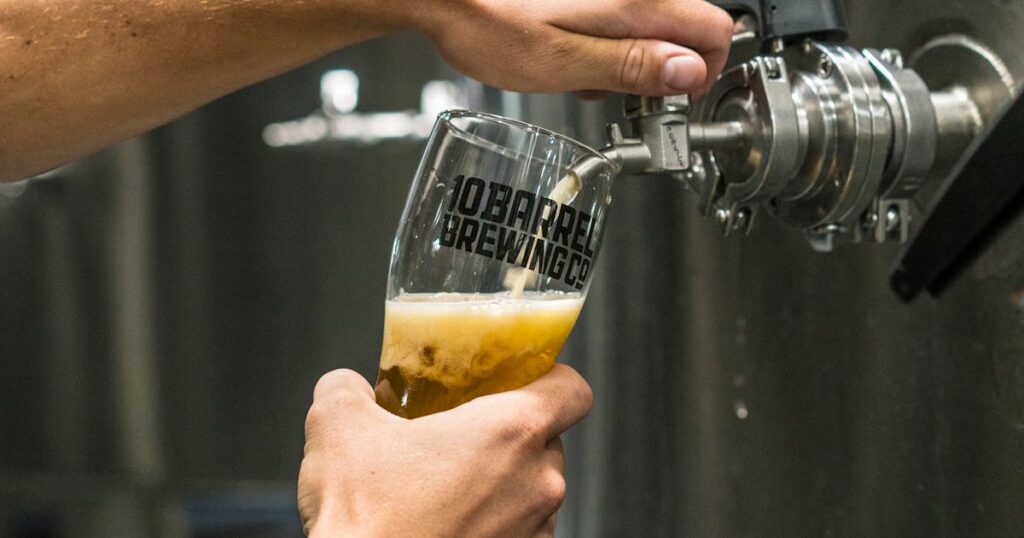
If you’re looking to brew something truly different this season — something that connects your homebrew to centuries of tradition and the forests themselves — spruce beer deserves your attention. It’s one of those rare drinks that sits at the intersection of foraging, history, and genuinely unique flavour. And the best part? It’s far simpler to brew than most beers.
Spruce beer dates back to the early colonial era, where indigenous peoples taught European settlers how to brew a vitamin-C-rich drink from spruce that could stave off scurvy. Modern interpretations have evolved, but the core idea remains beautifully simple: capture the resinous, citrusy character of fresh spruce in a lightly fermented beverage. If you’ve enjoyed exploring other botanical infusions in homebrewing, spruce will open up an entirely new flavour palette.
What Exactly Is Spruce Beer?
Historically, what was called “spruce beer” was closer to what we’d now call a small beer or even a botanical soda — lightly alcoholic (typically 2–3% ABV), carbonated, and packed with flavour. Unlike modern craft beer, it didn’t necessarily include malt or hops. The backbone was usually molasses or brown sugar, boiled with spruce tips or branches to extract that unmistakable piney-resin character, then fermented with brewer’s yeast or even wild yeast for just a few days.
That said, you can absolutely brew a modernised version that bridges tradition with contemporary homebrewing techniques. A hybrid approach — using a light malt base, a touch of noble hops for balance, and fresh spruce tips in the boil and fermenter — produces something that satisfies both the history buff and the modern craft drinker.
Foraging Spruce Tips: What to Look For
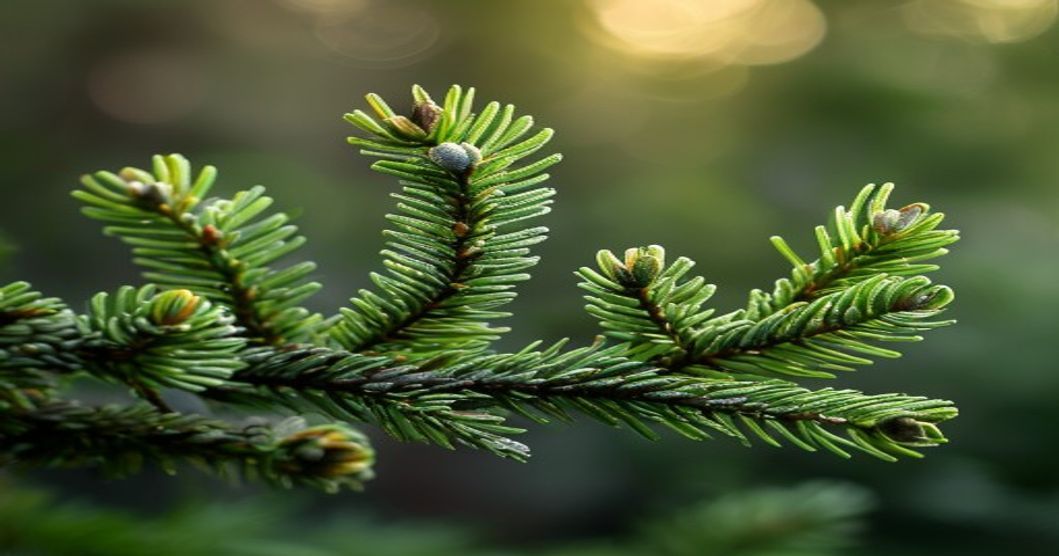
Spruce tips are the bright green new growth that emerges at the tips of spruce branches in spring. Here in the UK, that window typically runs from late April through May, though it shifts depending on your latitude and altitude. The ideal tip is about 1–2 inches long, still soft to the touch, with the papery brown husk still partially attached. They should smell intensely citrusy — almost like grapefruit peel mixed with pine forest.
When foraging, take no more than a handful from any single tree and avoid harvesting from young or stressed trees. Never forage from yew trees — all parts of yew are toxic. Stick to Norway spruce (Picea abies), Sitka spruce (Picea sitchensis), or native Scots pine (Pinus sylvestris) if spruce isn’t available. A good rule of thumb: if you can’t confidently identify the tree, don’t harvest from it. For more on sustainable and local ingredient sourcing, we’ve covered best practices extensively.
Two Approaches: Traditional vs. Modern Spruce Beer
The Traditional Method (No Malt, No Hops)
This is the way it was done for centuries — more like a spruce “small beer” than a modern ale. It’s faster, requires less equipment, and lets the spruce character take centre stage.
Ingredients for ~5 litres:
- 1 litre fresh spruce tips (lightly packed, not compressed)
- 450g brown sugar or dark molasses
- Juice and peel of 1 lemon
- 4 litres water
- 1/2 tsp brewer’s yeast (or Champagne yeast for a cleaner ferment)
Boil the spruce tips, sugar, lemon, and water together for 30 minutes. Cool to room temperature (use an ice bath if you’re impatient), strain into a sanitised fermenter, pitch the yeast, and ferment for 4–7 days. Bottle while still slightly active for natural carbonation. The result is a lightly sparkling, amber-hued beverage with intense spruce aroma and a sweet-bitter finish.
The Modern Homebrewer’s Approach (Malt + Hops + Spruce)
If you want something that sits alongside your IPAs and stouts at competition level, this hybrid method is your path. The malt bill provides body and structure while the spruce adds something no hop can replicate.
Ingredients for ~19 litres (5 gal):
- 2.5kg pale malt (Maris Otter for a UK interpretation)
- 0.5kg Munich malt for richness
- 0.2kg CaraRed or similar crystal malt (20–30L)
- 15g Northern Brewer hops (60 min) — just enough bitterness
- 200g fresh spruce tips (15 min) — the main event
- 50g fresh spruce tips (0 min/whirlpool)
- 30g spruce tips (dry-hop addition, 3 days)
- US-05 or Kveik yeast (clean or slightly fruity — your call)
Mash at 66°C for 60 minutes. Add spruce tips at 15 minutes remaining in the boil — this is where you extract the essential oils without driving off too much volatile aroma. A whirlpool addition and a short dry-hop (yes, dry-sprucing) take the aroma to another level entirely. For the yeast, Kveik is an excellent choice if you want something robust that handles a wider temperature range without producing off-flavours.

Key Techniques for Spruce Success
Whether you go traditional or modern, a few principles separate great spruce beer from a muddy, overly-resinous mess.
- Don’t over-boil the tips. Unlike hops, spruce tips release harsh, astringent compounds if boiled too long. 15–20 minutes is the sweet spot for the boil addition. Any earlier additions should be for the wort itself, not the tips.
- Use the freshest tips possible. The flavour profile of spruce tips changes within hours of picking. Aim to harvest and brew on the same day. Refrigerate in a sealed bag if you absolutely must wait, but don’t push beyond 48 hours.
- Balance is everything. Spruce is potent. Start with 150–200g per 19 litres (5 gal) for the boil and adjust in future batches. Once you’ve made a few, you’ll find your preferred intensity. As with timing in dry-hopping, the window for spruce additions is narrow but crucial.
- Watch your attenuation. The simple sugar/molasses version can ferment out very dry. If you want residual sweetness, consider using a less attenuative yeast or cold-crashing earlier.
What Does Spruce Beer Taste Like?
The best description I’ve heard is “forest floor meets lemon bar” — think pine resin, grapefruit pith, a hint of rosemary, and underlying sweetness. Fresh spruce tips have a remarkable citrus quality that fades quickly after harvest, which is why same-day brewing makes such a difference.
In the traditional version, the molasses provides a dark caramel sweetness that plays beautifully against the spruce’s resinous bitterness. In the modern version, the malt backbone adds breadiness and the hops — if you keep them subtle — provide a crisp finish without competing with the spruce. The overall impression is refreshing, aromatic, and deeply unusual in the best possible way.
If you’re interested in other historical brewing styles worth reviving, our guide to brewing with gruit herbs covers another pre-hop tradition that pairs beautifully with this kind of foraged approach.
When to Drink It
The traditional small-beer style is best consumed fresh — within 2–3 weeks of bottling — while the spruce aroma is at its peak. The modern malt-based version can age for 2–3 months, though the spruce character will mellow over time. Serve cold (4–6°C) in a standard pint glass or a tulip if you want to capture the aroma.
Spruce beer pairs surprisingly well with roasted meats, sharp cheddar, and dark chocolate. The resinous character cuts through rich foods in a way that’s reminiscent of a hefty IPA, but far more delicate. It also works beautifully as a cooking ingredient — try deglazing a pan with it after searing pork chops.
A Final Note on Safety
Positive identification is critical. If you’re new to foraging, go with an experienced forager or use a reliable identification guide before harvesting. The main tree to avoid is yew (Taxus baccata), which is toxic. Properly identified spruce (Picea spp.), pine (Pinus spp.), and fir (Abies spp.) are all safe and edible. Stick to young, bright green tips from healthy-looking trees away from roadsides or treated areas.
Spruce beer is one of those brews that reminds you why homebrewing is such a rewarding hobby — it connects you not just to the finished beer, but to the landscape and the seasons. Spring’s spruce tips won’t last long. Get out there, harvest wisely, and brew something the colonials would have been proud of.