English brown ale is making a powerful comeback in 2026, and for good reason. This classic British style embodies tradition, balance, and drinkability in a way few other beers can match. Whether you’re a seasoned homebrewer or just exploring British ales for the first time, mastering the English brown ale offers a rewarding journey into what makes this historic style so enduringly beloved.
The beauty of brown ale lies in its restraint. Unlike the aggressive hop profiles of modern IPAs or the extreme adjuncts of contemporary pastry stouts, English brown ales whisper rather than shout. They’re built on malt, character, and subtlety—making them the perfect antidote to brewing fatigue and the ideal entry point into historical brewing techniques.
The History and Character of English Brown Ale
Brown ale emerged in 17th-century England as a response to inconsistent quality and short shelf life in traditional ales. Brewers began adding roasted malts, which gave the beer improved stability and a distinctive dark colour. By the 19th century, brown ale had become a staple of British pubs—a working-class drink that offered complexity without pretension.
Today, the style is experiencing a renaissance grounded in nostalgia and a hunger for authenticity. Modern homebrewers and craft breweries are rediscovering that the best beers are often the simplest: quality grain, restrained hops, and careful fermentation. This aligns perfectly with the farmhouse brewing movement and broader trends away from extreme experimentation.
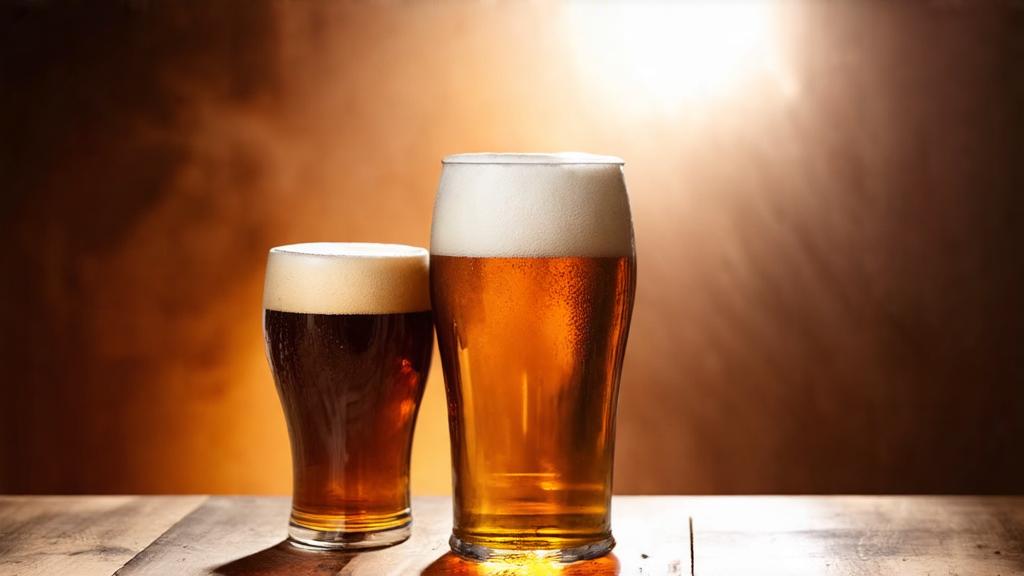
A proper English brown ale sits between 4.2–6.2% ABV, with a colour range from deep amber to rich chocolate. What sets it apart is its malt-forward flavour profile: caramel sweetness, subtle roast notes, and a clean, crisp finish without harsh tannins. Unlike darker ales that can feel heavy, brown ale maintains remarkable drinkability—you could genuinely enjoy three pints without fatigue.
Choosing Your Malts: The Foundation of Flavour
Your grist is everything in a brown ale. The style depends on a careful balance of base malts, coloured malts, and roasted malts. Start with a robust pale malt foundation—aim for 65–70% of your grist. English Maris Otter is traditional and flavourful, though Golden Promise or pale ale malt work beautifully too.
Next, add caramel malts to build that signature sweetness. A combination of 10–15% crystal malt (40–60 lovibond) and 5–8% darker crystal (90–120 lovibond) creates depth without overwhelming bitterness. These malts contribute colour, body, and a subtle fruity character that complements the style’s British heritage.
Finally, introduce roasted character with 3–5% chocolate malt or dark crystal (120–150 lovibond). This is where you get that signature chocolate and coffee note. Some brewers add a touch of brown malt (0.5–2%) for authentic character, though it’s optional. The key is restraint—too much roasted malt and you drift into porter territory, losing the delicate balance that defines brown ale.
Hops: Restraint and Tradition
Brown ale is not a hoppy beer, but it’s not hopless either. Your goal is a gentle bitterness that doesn’t compete with the malt—aim for 20–30 IBUs total. Use a traditional British variety like East Kent Goldings, Fuggle, or Challenger for the 60-minute bittering charge. These hops offer subtle earthiness and a slight floral note that complements caramel malt beautifully.
A small addition at 15 minutes adds balance without aggressiveness. Some brewers add a touch at flame-out or even in the whirlpool for a whisper of aroma, though traditional brown ales don’t showcase hop character prominently. The focus remains firmly on malt.
If you’re inspired by more adventurous approaches, consider exploring botanical brewing techniques with subtle spice additions instead of modern aroma hops—a nod to historical brewing without straying from the style’s essential character.
Fermentation: Time and Temperature
Brown ale fermentation is straightforward but deliberate. Use a reliable English ale yeast—White Labs WLP002, Wyeast 1968, or SafAle S-04 are all excellent choices. Pitch at 64–68°F (18–20°C) and let the yeast work at 66–70°F (19–21°C). Resist the temptation to push temperature too high; cooler fermentation preserves delicate ester profiles and keeps the beer clean.
Fermentation typically completes in 10–14 days. Once finished, condition your beer for at least one to two weeks before packaging. This maturation step allows harsh edges to soften and flavours to integrate—patience pays dividends in brown ale, where subtlety is the goal.
For those interested in exploring yeast characteristics more deeply, understanding precision fermentation control can help you dial in the exact profile you’re seeking, whether that’s fruity esters or a clean, malty backbone.
Packaging and Serving
Brown ale shines in bottle conditioning, where residual carbonation (2–2.5 volumes of CO₂) adds subtle liveliness without aggression. Condition for 2–3 weeks at cellar temperature before drinking. The beer improves with a few weeks in the bottle, developing integrated flavours and subtle complexity.
Serve at 50–55°F (10–13°C)—warm enough to express malt character, cool enough to feel refreshing. A slight chill matters; room-temperature service can make brown ale feel overly sweet. In the bottle, brown ale will develop and improve for 6–12 months, making it an excellent candidate for cellaring and comparison brews over time.
If you’re serious about consistency, track your approach using brewing analytics tools to refine your recipe across batches and identify what makes your signature brown ale unique.
Why Brown Ale Deserves Your Next Brew Day
In an era of extreme brewing and constant innovation, English brown ale offers something increasingly valuable: intentionality. It rewards precision in ingredient selection and fermentation control without requiring exotic techniques or rare malts. It’s a beer that teaches you how to listen to malt, understand balance, and appreciate subtlety.
The comeback of brown ale isn’t accidental—it reflects genuine fatigue with extremes and a renewed respect for classics. Whether you brew one because you’re chasing nostalgia, seeking a technically balanced challenge, or simply want a genuinely excellent pint, English brown ale delivers.
Start your next batch this week. You’ll be brewing part of a genuine, growing movement back to tradition—and enjoying some of the most satisfying beer you’ll ever pour.