In June 2026, something interesting is happening in British brewing. While the industry chases trends—zero-ABV this, fruited sours that, barrel-aged everything—there’s a quiet, confident movement back toward the foundations. Back to English bitter. The cask-conditioned, understated, gloriously honest beer that built Britain’s pub culture.
As someone who’s been on this homebrewing journey for years now, I’ve brewed my share of experimental brews. Belgian farmhouse ales, imperial stouts, coffee-infused IPAs. But there’s something humbling about returning to bitter. It looks simple on paper. In practice, it reveals itself as a profound masterclass in restraint, balance, and respect for tradition.
This is a beer style that has been perfected over centuries. And if you’re serious about becoming a better brewer, cask-conditioned English bitter is where you begin to understand why.
Why English Bitter Matters Right Now
English bitter isn’t fashionable in the way that adjunct-laden stouts or experimental sours are. But let’s be honest: fashion fades. Heritage compounds.
The research is clear. UK alcohol market data from 2026 shows premium searches like “craft beer near me” are up 166% year-on-year—but the rise of premiumization is pulling drinkers toward quality over novelty. Traditional English ales are benefiting directly from this shift. Pubs are rediscovering cask, breweries are increasing cask production, and homebrewers are recognizing that mastering the fundamentals is what separates the skilled from the lucky.
A cask-conditioned bitter teaches you things that no gimmick beer ever will:
- Water chemistry. English bitters use water profiles that date back centuries—some breweries still brew with the exact same water that their founders used in 1800s. The minerals matter.
- Yeast management. The style demands a true ale yeast that can finish clean, then condition gracefully in cask. This is not a beer that forgives sloppy fermentation.
- Hop balance. Forget the 100+ IBU arms race. A proper bitter uses modest bittering, classic English hops (like East Kent Goldings), and relies on elegance rather than assault.
- Cask conditioning itself. Secondary fermentation in wood, natural carbonation from priming sugar, live yeast and finings doing their work—this is beer as a living thing, not a commodity.
Ingredients: The Minimalist’s Palette
The traditional English bitter recipe is almost defiantly simple. And therein lies the trap—and the challenge.
You cannot hide in a bitter. Every choice compounds. Every shortcut shows.
Malt
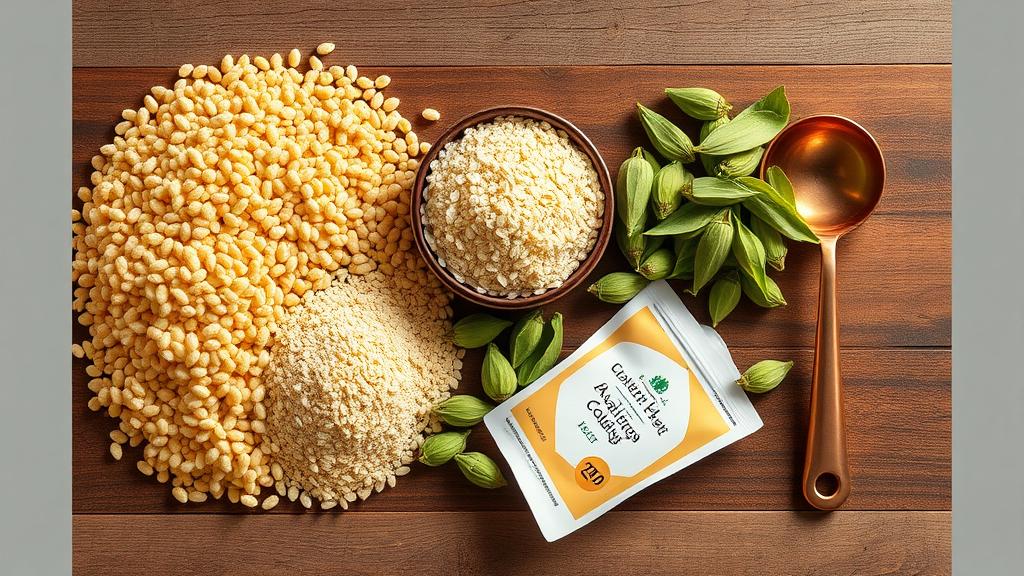
The foundation is English pale malt. This isn’t just any 2-row. English malts—Maris Otter, Golden Promise, or Optic—have a subtly bready, slightly sweet character that’s the soul of the style. I use around 85-90% of the grist here.
Crystal malt (typically 10-15%) adds colour, body, and a touch of toffee sweetness. Some brewers use a touch of chocolate or black malt (1-2%) for depth and subtle roast. The point is balance. You’re aiming for a warm chestnut to deep gold colour (18-35 EBC / 9-17 SRM), never dark, never dull.
If you’re using extract as a base, look for UK malt extract suppliers that stock English pale or pale ale extracts. Quality here is non-negotiable.
Hops
Here’s where tradition really shines. English bitter uses English hops, almost exclusively:
- East Kent Goldings: The classic choice. Low alpha acid (around 5%), with a gentle, refined floral-and-spice character. Used for bittering and aroma.
- Fuggles: Earthy, slightly woody. Another heritage variety that’s been part of English ale for generations.
- Challenger or Target: For bittering if you want slightly more IBU, though keeping it modest (25-35 IBUs total) is the traditional approach.
The total IBU target is deliberately low: 20-35 IBUs is typical. The idea isn’t to extract maximum bitterness, but to balance the residual sweetness from the malt with enough hop character to keep the beer from being cloying.
Yeast
Use an English ale strain. The classics—Wyeast 1028 London Ale, SafAle S-04, or similar—produce clean, dry finishes with subtle fruity esters. Ferment cool (around 17-19°C / 62-66°F) to minimize harsh esters and keep the character refined.
The Brewing Process: A Step-by-Step Brew Day
The Mash (if all-grain)
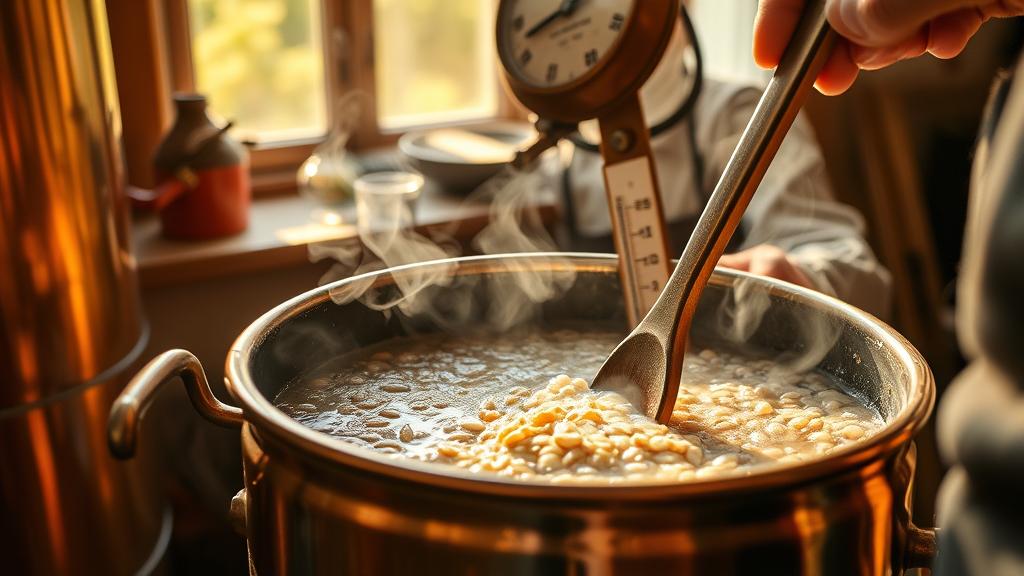
Strike a mash temperature of 64-66°C (147-150°F). Yes, on the lower end. A slightly lower mash temperature produces a drier beer—more fermentable, less residual sweetness. Hold for 60 minutes, then raise to 72°C (162°F) for 10 minutes to increase enzymatic activity, then mash out at 76°C (170°F).
Sparge with 76°C (170°F) water. Target a gravity of around 1.040-1.050 (OG).
The Boil
60-minute boil. Add your bittering hops (about 60% of your total IBU) at the start. At 15 minutes remaining, add the rest of your aroma hops. No late additions, no dry-hopping (this is not an IPA). Bitter, refined, traditional.
Use Irish moss or whirlfloc at 15 minutes to help with clarity. Some traditional brewers use finings (isinglass or gelatine) during the boil—this is optional but historically accurate.
Cooling & Pitching
Cool to around 18°C (64°F) using a wort chiller or (if you’re patient) time and a cool cellar. Pitch your English ale yeast generously—aim for around 100-150 billion cells. This is not the time to underpitch.
If you’re new to low-gravity homebrewing techniques, a cask bitter is a great style to practice on. The simplicity of the recipe lets you focus on process.
Fermentation & Conditioning

Ferment at 17-19°C (62-66°F) for 5-7 days until the gravity drops to around 1.010-1.012. This is your “diacetyl rest” stage—let the yeast clean up after itself.
Once fermentation is complete (gravity stable for 2-3 days), this is where the magic diverges from standard homebrewing. You’re not bottling or kegging yet. You’re preparing for cask conditioning.
Cask Conditioning: The Art of Living Beer
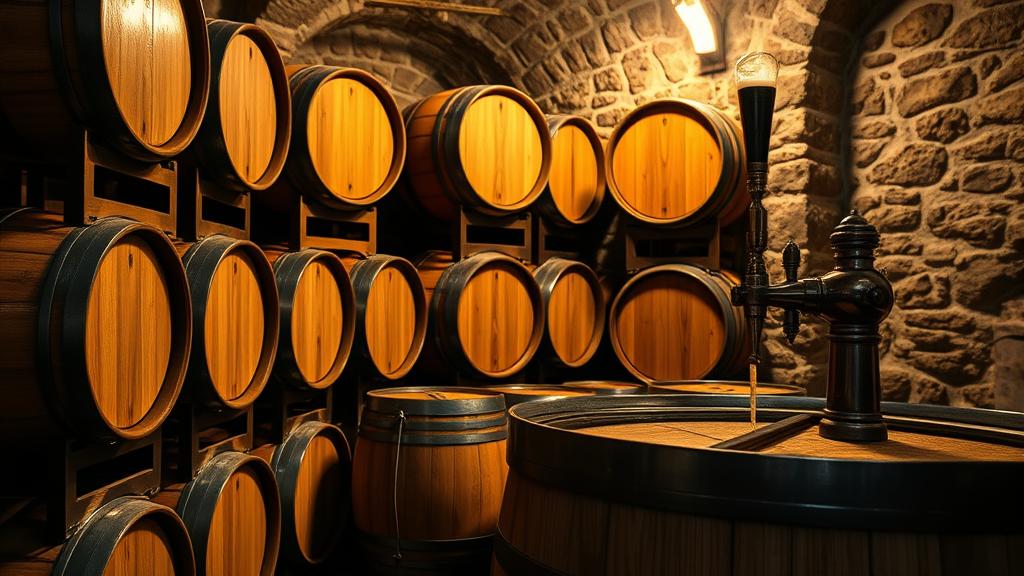
This is the heart of the style. Cask conditioning is secondary fermentation—in-wood—where the beer continues to develop, clarify, and carbonate naturally.
Transfer to Cask
You’ll need a cask (polypin, firkin, or oak—start with a 10L polypin if you’re new to this). Sanitise thoroughly.
Add 3-5g of gelatin finings dissolved in a small amount of cool water. This helps clarify the beer and is historically traditional.
Transfer your fermented beer to the cask. Add priming sugar: for a cask bitter, you want very light carbonation (around 1.5-2.0 volumes of CO₂). This works out to about 3-4g of glucose per litre, or roughly 40-60g total for a 10L cask.
Seal the cask and leave it in a cool cellar (10-14°C / 50-57°F is ideal) for 2-3 weeks. Don’t touch it. The yeast will continue fermenting the small amount of sugar you added, producing CO₂ that conditions the beer naturally.
Serving from Cask
This is where it gets genuinely special. A proper cask has a tap and keystone (a bung hole at the top). When ready to serve, you’ll either pour by gravity (for a raised cask) or use a hand-operated beer engine (a pump that draws beer from the cask).
The carbonation level is deliberately soft—more like a gently carbonated still wine than a modern lager. The beer should be served at cellar temperature (11-14°C / 52-57°F). These conditions are not old-fashioned sentimentality; they are what allows the beer’s true character to emerge.
Many UK breweries and pubs have guidance on cask versus keg conditioning—reading their technical notes is worthwhile.
Tasting Notes & What to Expect
A proper cask-conditioned English bitter should have:
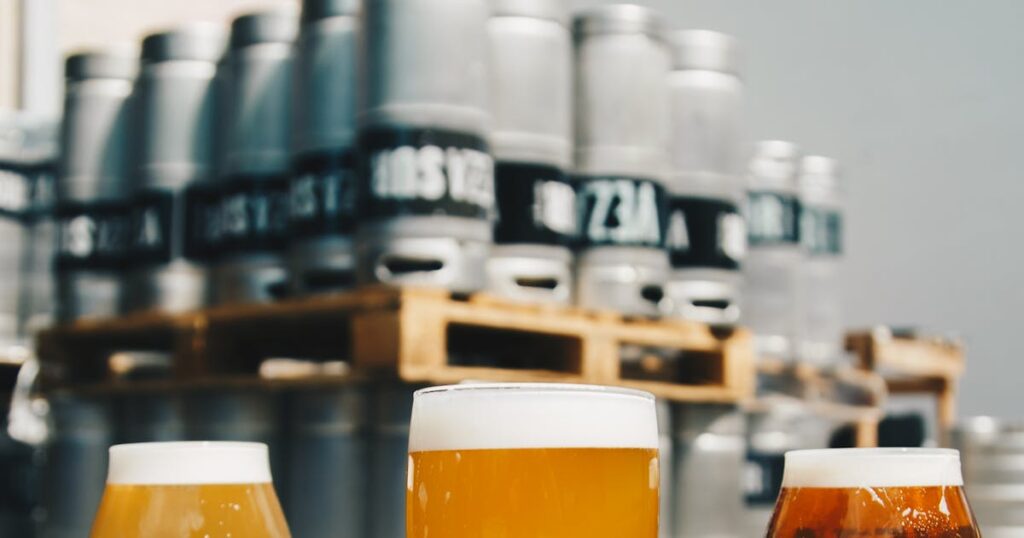
- Appearance: Chestnut to gold, maybe hints of amber. Crystal clear or slightly hazy (naturally hazy is fine; it means live yeast). Head retention is modest but pleasant—not a towering foam, more a gentle ring.
- Aroma: Subtle. Bread, biscuit, a hint of caramel. Maybe a touch of floral hop character from the Goldings. No aggression.
- Flavour: Malt-forward but balanced. Bread, toffee, a whisper of dark fruit (plum, maybe). Hop bitterness in the finish—not sharp, more like a dry wine. Clean, crisp finish.
- Mouthfeel: Medium body. The soft carbonation creates a gentle, almost silky texture. It should feel refined, not thin.
The first pint might seem subtle compared to hoppy or high-ABV beers. Pour a second, and you’ll begin to understand its depth. By the third, you’re noticing how the beer evolves as it warms in the glass, how the malt layers reveal themselves, how subtle it is and how perfect.
Common Mistakes & How to Avoid Them
- Over-hopping: I’ve seen new brewers add too much hop character, thinking they’re making it more interesting. Wrong. Restraint is the point.
- Poor water chemistry: Don’t ignore water. If your tap water is very soft, consider adding a pinch of calcium sulphate. English bitters respond to proper mineral content.
- Rushing cask conditioning: Some brewers try to short-circuit this and bottle instead. You can, but you’ll lose something profound. The cask conditioning is not an optional step; it’s the soul of the style.
- Serving too cold: Cask bitter at fridge temperature (4°C) is tragic. It becomes muted, closed-off. Cellar temperature (11-14°C) opens the beer up completely.
- Neglecting sanitation: A bitter’s simplicity means any off-flavours are glaringly obvious. Obsess over cleanliness.
Next Steps: Variations & Refinement
Once you’ve brewed a textbook bitter twice and are comfortable with the process, here’s where it gets interesting:
- Mild: Lower gravity (3-4% ABV), slightly more chocolate malt. A beer of almost monastic elegance.
- Best Bitter (ESB): Richer grain bill, slightly higher ABV (4.5-5.5%). More complex malt character but same philosophy.
- Pale Ale: A historical precursor to bitter. Slightly higher ABV, sometimes with American hops in modern interpretations—but traditional English pale ale uses only English ingredients.
The beauty is that once you understand English bitter, you understand the foundation that Belgian farmhouse ales and other European styles build upon.
The Philosophy of Cask
Cask-conditioned bitter isn’t just a beer style. It’s a philosophy. It says: don’t over-engineer. Trust the ingredients. Respect tradition. Let simplicity reveal mastery. Serve it properly. Drink it mindfully.
There’s something almost monastic about it—which, given my heritage, feels fitting. The brewers of medieval and early modern England understood restraint. They understood that excellence comes from clarity of purpose, not complexity.
In a world of gimmicks and trends, that’s revolutionary.
Brew this beer. Condition it properly. Serve it at cellar temperature in a proper glass. Then sit with it, notice its subtleties, and understand why this style has endured for centuries.
That’s not old-fashioned. That’s timeless.
🍺 Join the Brotherhood — Monthly brews, stories & monk wisdom
Subscribe for exclusive recipes, early brew logs, and behind-the-scenes updates straight to your inbox.