The craft beer industry in 2026 is obsessed with one thing: experience. Breweries are investing millions in hospitality, atmosphere, and memorable moments. But here’s the thing—you don’t need a fancy taproom to create that magic at home. Whether you’re hosting a tasting for friends or showcasing your latest homebrew, mastering the art of home hospitality transforms a simple beer session into something truly special.
Why Hospitality Matters for Homebrewers
In 2026, Gen Z and millennials don’t just drink beer—they experience it. According to industry experts, the taproom is becoming the heart of craft beer culture, and breweries that focus on creating memorable moments are outperforming those that don’t. The hospitality element isn’t a luxury; it’s the differentiator. Your homebrew deserves the same treatment. When you present your beer thoughtfully—with proper glassware, thoughtful pacing, and genuine conversation—you’re elevating what could be an ordinary evening into something your guests won’t forget.
The Foundation: Your Home Taproom Setup
You don’t need much space or budget to create an impressive tasting environment. Start with temperature control—your beer should be served at the optimal temperature for its style. Lagers shine at 45–50°F, while IPAs come alive at 50–55°F. British ales prefer 55–60°F. Invest in a wine cooler or dedicated beverage fridge. Next, proper glassware transforms how your beer presents itself—a 12 oz tulip glass for aromatic beers, a nonic pint for sessions, a snifter for high-ABV brews. Good glassware isn’t expensive; it’s transformative.
Lighting and seating matter more than you’d think. Soft, warm lighting (not harsh overhead) creates intimacy. A small wooden table, comfortable chairs, and minimal distractions let your beer be the star. Some homebrewers set up a small notebook station where tasters can jot down their thoughts—it encourages mindfulness and makes guests feel like they’re part of something genuine.
Mastering the Beer Flight Format
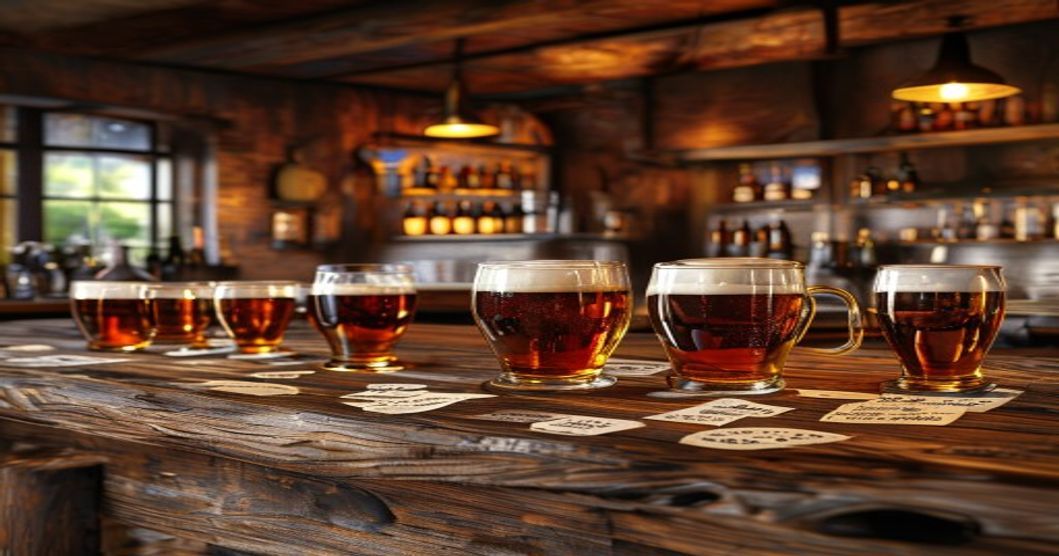
A flight—typically three to five 2–4 oz pours arranged in a deliberate order—is the secret weapon of professional breweries and now a hallmark of serious homebrewers. CAMRA highlights tasting methodology as central to appreciating British ales and craft brewing alike. Start with lighter, lower-alcohol beers and progress to darker, heavier ones. This sequence prevents flavour fatigue and allows each beer to shine.

Between each pour, include a water glass and a palate cleanser—a slice of bread or plain cracker. This isn’t just hospitality; it’s chemistry. Water resets taste receptors, bread absorbs oils and fatty compounds, and crackers provide neutral carbohydrate to cleanse the palate before the next flavour profile. Pair your flight with a simple tasting guide: 2–3 sentences per beer describing the nose, palate, and finish. Your guests will feel guided, educated, and impressed.
The Sensory Ritual: What to Taste For
Professional tasters use a systematic approach, and it works. First: appearance. Hold the glass to light. Describe the colour, clarity, and head retention. Next: aroma. Swirl the glass gently and breathe in deeply. What do you detect? Fruity esters, grassy hops, woody tannins? Then: palate. Take a small sip and let it coat your mouth. Where do you taste sweetness, bitterness, carbonation? Finally: finish. How long does the flavour linger? Does it evolve?
Encourage your guests to share their observations. You’ll be amazed what flavours people discover when they’re given permission to speak openly. Some will taste cherry where you tasted plum—and they’re not wrong. Tasting is subjective, personal, and that’s the magic. According to the Beer Judge Certification Programme, even casual tasters develop refined palates when given structure and practice.
Creating Atmosphere and Connection
Here’s where homebrewers have an advantage over commercial breweries: intimacy. Your home tasting can be curated for who you’re hosting. Are they friends discovering craft beer for the first time? Create an educational flight with familiar styles and clear tasting notes. Are they experienced beer geeks? Throw in a challenging experimental batch or a wild fermentation brew alongside classics. The point is intentionality—show your guests that you’ve thought about their experience.

The Closing: Make It Memorable
End your tasting by asking what was their favourite and why. Share your brewing story—the challenges you faced, the tweaks you made, why this beer matters to you. Offer a final pour of a crowd-pleaser so guests leave satisfied and eager to return. Leave a small card with beer names and styles so they can remember what they tasted.
Creating a memorable home tasting experience isn’t about perfection. It’s about respect—respect for your beer, respect for your guests, and respect for the ritual of sharing something you’ve crafted. In 2026, that authenticity is everything.