When I first stumbled across Czech dark lagers in research for a 2026 brewing forecast, the beer world was quietly shifting. For years, the craft beer scene had chased hops, fruit, and bold ABVs. But something profound is happening now: brewers—both professional and home—are rediscovering the elegance of Czech dark lagers. This style, rooted in centuries of Prague brewing tradition, is having a genuine moment. It’s crisp, deeply flavourful, technically demanding, and utterly compelling. If you’re after a brewing challenge that rewards precision, this is your next obsession.
Why Czech Dark Lager Matters in 2026
The Czech dark lager—sometimes called Tmavý Ležák—has been the workhorse of Prague pubs for 150 years. Yet Western homebrewers largely skipped past it, chasing IPAs and experimental brews. But in 2026, the pendulum is swinging back. The beer industry data is clear: lagers are cool again. The craft lager renaissance is picking up pace, and within that renaissance, the dark lager is primed for a takeoff.
What sets the Czech dark lager apart? It’s not a stout. It’s not a porter. It’s something elegant: a dark beer that’s astonishingly crisp, clean, and light on the palate—yet layered with bready, toasted, and subtly sweet complexity. The magic lies in the pale Czech Pilsner malt base paired with small additions of dark malts—a technique that creates colour without heaviness. As a homebrewer, this style demands respect for balance and temperature control. Get it right, and you’ll produce something genuinely profound.
The Heritage and Brewing Challenge
Czech brewers have been perfecting this style since the 1850s. Breweries like Budejovické Budvar and Pilsner Urquell don’t make dark lagers because they’re trendy—they’re part of the foundation of Czech beer culture. The style requires cold fermentation (8–12°C / 46–54°F) for weeks, precision grain handling, and patience. For homebrewers, that means proper temperature control and discipline. But the payoff is extraordinary: a beer that tastes complex and sophisticated, yet sessionable and drinkable in volume.
The style sits at a fascinating intersection. It’s more aligned with cold fermentation mastery than with traditional dark ale brewing. Many brewers unfamiliar with lager fermentation make the mistake of treating it like a stout—using aggressive temperatures and quick turnarounds. That’s where Czech dark lagers fail. They need time, control, and respect.
Ingredients and Equipment Setup

Grain Bill (for a 20-litre / 5-gallon batch):
- 4.5 kg (10 lbs) Czech Pilsner Malt — The foundation. Its soft, bready character forms the backbone of the beer.
- 400g (0.9 lbs) Munich Malt — Adds subtle depth and colour. Don’t skip this; it’s essential to flavour.
- 200g (0.45 lbs) Dark Caramel Malt (20–30 SRM) — Contributes mahogany colour without roastiness. Restraint here is critical.
- 100g (0.22 lbs) Carafa Special III (optional) — If you want a darker hue without astringency, this is your tool.
Hops:
- 18g Saaz (60 min) — The Czech noble hop. Spicy, herbal, faintly floral. Don’t substitute lightly.
- 10g Saaz (5 min) — A touch more aroma and depth.
Yeast:
- Wyeast 2124 Bohemian Lager or White Labs WLP830 (German Lager). These strains ferment clean and accentuate the malt profile without obscuring it.
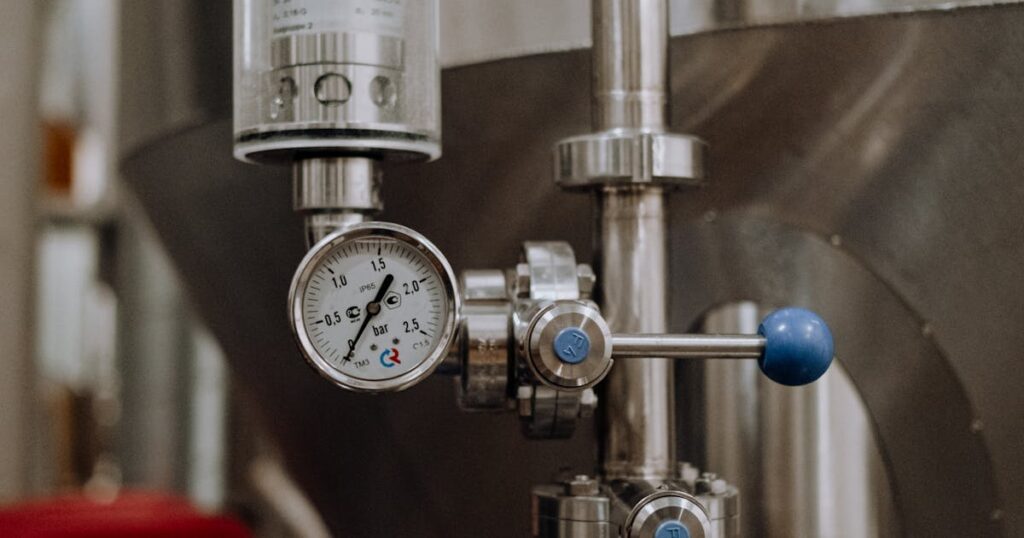
Equipment needs: You absolutely require temperature control—a fermentation chamber, fridge, or temperature-controlled room holding 8–12°C (46–54°F) for 3–4 weeks minimum. Without this, you’re not brewing a Czech dark lager; you’re brewing a confused ale. Invest in a controller if you haven’t already. Geterbrewed and The Malt Miller stock solid ingredients for UK homebrewers.
The Brewing Process: Step by Step
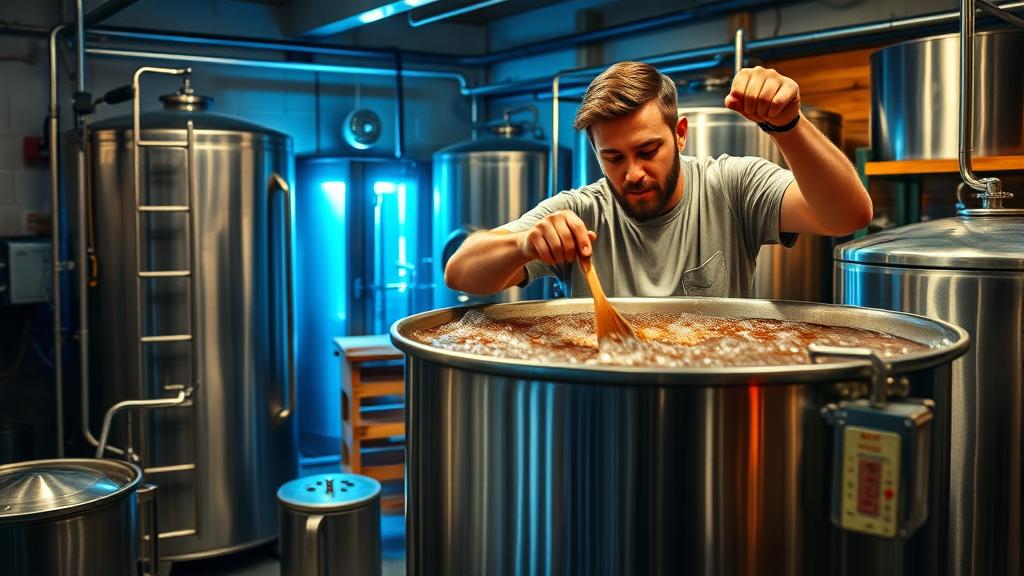
1. Mashing (64–68°C / 147–154°F, 60 min)
Target 66°C (150°F) for a balanced profile. Czech Pilsner malt is softer than pale ale malt; it doesn’t require aggressive temperatures. A stable mash produces better extraction and cleaner flavours.
2. Lautering and Sparging (76°C / 170°F)
Run-off slowly. This is not a race. Gentle sparging prevents grain husks from breaking down and introducing tannin burn—which ruins lagers faster than ales.
3. Boil (90 min total)
Start with 18g Saaz at the 60-min mark. At 5 minutes, add your second addition. The prolonged boil is important for lager clarity and smoothness. Don’t cut it short.
4. Chilling and Aeration
Cool to 18°C (64°F) quickly with an immersion or plate chiller. Pitch the yeast, then let it rest at room temp for 12 hours (this is the “diacetyl rest” at 18°C). This helps the yeast acclimate.
5. Cold Fermentation (8–12°C / 46–54°F, 21–28 days)
Once the temperature drops to 8°C, the beer will ferment very slowly—this is exactly what you want. Lager yeast at these temperatures produces clean, crisp beers free of fruity esters. Monitor gravity; fermentation may take 3–4 weeks. Patience is your friend.
Fermentation, Conditioning, and the Diacetyl Question
After primary fermentation, many brewers stumble here. Czech dark lagers need a proper diacetyl rest—a period at slightly warmer temperatures (12–14°C / 54–57°F) for 24–48 hours before crashing to 2–4°C for lagering. This step encourages the yeast to clean up unwanted compounds. Skip it, and you risk a buttery, stale character. You don’t want that in a dark lager.
Lagering (the cold conditioning phase at 2–4°C / 36–39°F) should last a minimum of 2 weeks, though 4–6 weeks is better. I aim for 4 weeks. The cold storage allows harsh compounds to settle and flavours to marry together. This is why lagers demand patience; the style doesn’t reward shortcuts.
Tasting Notes and What to Expect
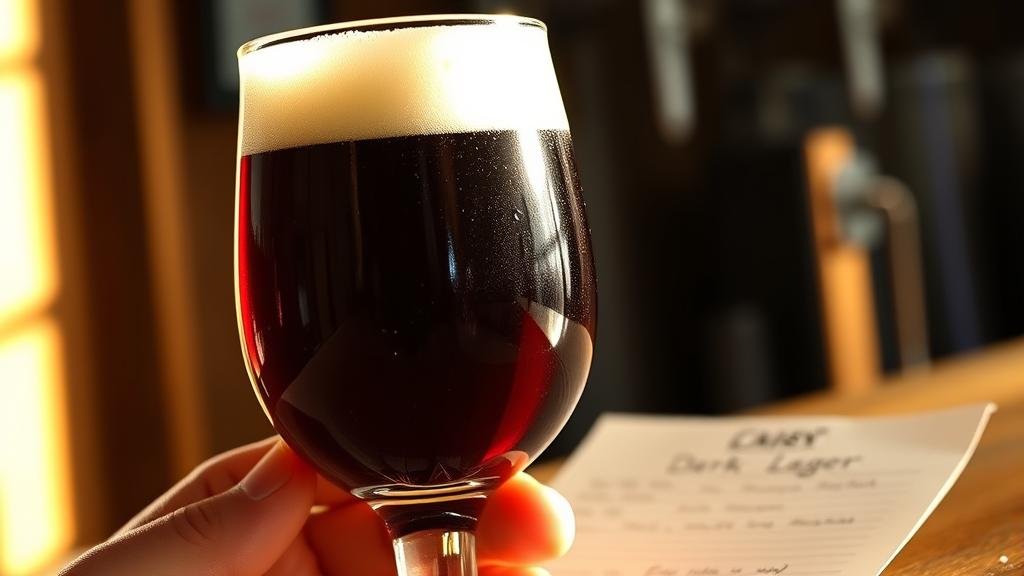
A well-executed Czech dark lager should present as follows:
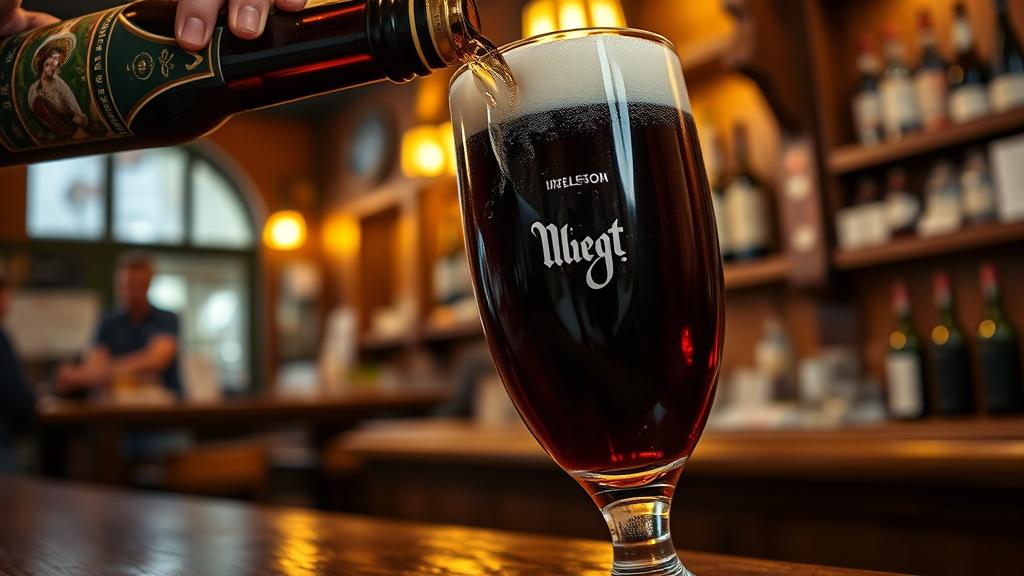
- Colour: Deep mahogany to dark brown. Held to light, it’s transparent—never opaque.
- Aroma: Subtle. Bready, with gentle Munich malt sweetness. No roast, no burnt notes. Saaz hops lend faint herbal spice.
- Taste: This is where the magic happens. The beer is crisp—clean, dry finish—but the palate carries biscuity, toasty, and lightly sweet notes. It’s sophisticated without being heavy. The body is medium, never syrupy.
- Mouthfeel: Smooth, velvety, with a fine carbonation level (2.5 volumes CO₂). The texture should feel refined.
If your version tastes like an ale—fruity, phenolic, or rough—you’ve either fermented too warm or short-changed the lagering. If it’s excessively sweet and lacks balance, your dark malts ratios are too high. Dial in the next batch.
Common Mistakes and How to Avoid Them
Mistake 1: Fermenting too warm. Lager yeast at 18°C+ will produce fruity, ale-like beers. Get a controller; it’s essential.
Mistake 2: Rushing the lagering. Two weeks is the bare minimum. Four to six is ideal. A beer that’s “done” fermenting isn’t finished developing.
Mistake 3: Dark malt overkill. Dark malts should add colour, not character. Use restraint. More dark malt ≠ better flavour.
Mistake 4: Skipping the diacetyl rest. This step is non-optional. It removes buttery, stale aromas that ruin lagers.
Learn from these, and your next batch will be exponentially better. Many of my early lager attempts were undone by one or two of these pitfalls.
Variations and Next-Level Explorations
Once you’ve nailed the core recipe, Czech dark lagers offer room for experimentation:
- Higher ABV Version: Push to 5.5–6.0% ABV by increasing the malt bill slightly. Still keep the balance; this isn’t a doppelbock.
- Spice Addition: A light touch of coriander or caraway (traditional in some Czech farmhouse brews) can add intrigue. Use 2–3g per 20 litres and taste as you blend.
- Wood Aging: Some experimental brewers age Czech dark lagers on oak. If you venture here, use a lighter oak touch than you would for a barrel-aged stout.
The beauty of lager brewing is that each batch teaches you something. HomeBrewTalk forums have deep threads on Czech lager variations; diving into those discussions will sharpen your own understanding.
Why This Matters Now
In 2026, the beer industry is telling us something clear: we’re tired of chasing extreme. Low and no-alcohol beers are growing, classic styles are returning, and sustainability matters. Within that shift, the Czech dark lager represents a return to tradition—but one informed by craft technique and genuine respect for the brewer’s craft.
As a homebrewer, choosing to brew a Czech dark lager is a statement. It says you care about precision, balance, and the heritage of beer. It’s not a shortcut style. It’s a commitment to mastery. And when you pour that first glass—that mahogany colour, that crisp, complex flavour—you’ll understand why Czech brewers have been perfecting this for over a century.
The trend is real. The demand is there. The question is: are you ready to embrace it?
🍺 Join the Brotherhood — Monthly brews, stories & monk wisdom
Subscribe for exclusive recipes, early brew logs, and behind-the-scenes updates straight to your inbox.