There’s a peculiar craft beer renaissance happening in 2026 that most modern homebrewers have overlooked entirely. While the industry chases flash and novelty—nitro this, adjunct that—a growing movement is reaching backward. Medieval monks knew something about balance and complexity that we’ve spent decades trying to rediscover through hops and cutting-edge fermentation science. They called it grut (or gruit), a carefully balanced blend of herbs and spices that predates the dominance of hops by centuries.
This isn’t nostalgia. It’s a brewing rebellion.
The Medieval Roots: Why Grut Matters Now
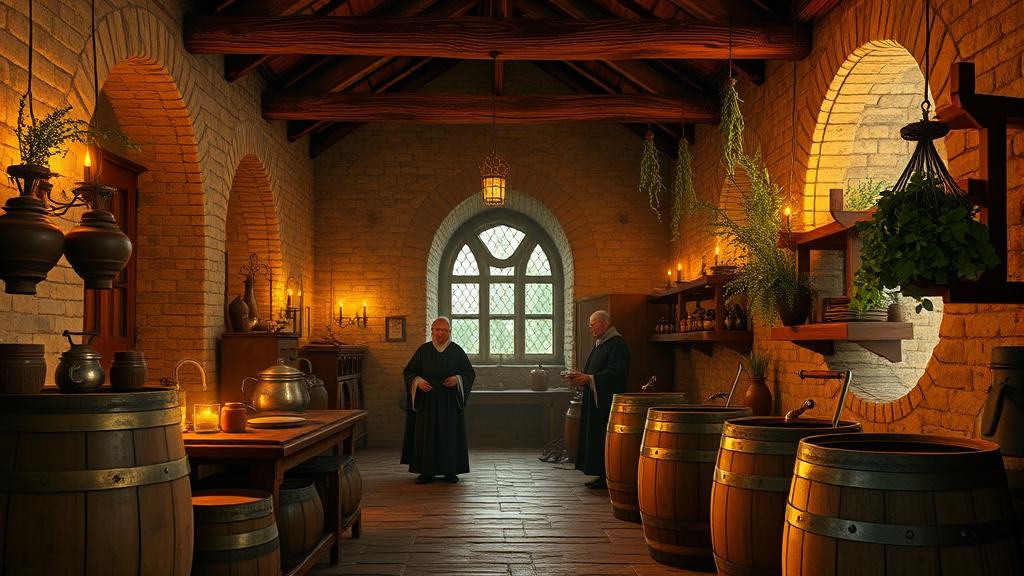
Grut brewing flourished from around 1000 AD until hops invaded northern Europe in the 15th and 16th centuries. For five centuries, European brewers—particularly in the Low Countries and Scandinavia—relied on a mixture of herbs and spices to preserve and flavour their ales. Think heather, mugwort, juniper, caraway, wormwood, and bog myrtle, each selected for both preservative and flavour properties.
What’s fascinating is that grut wasn’t just about flavour. These herbs had genuine antimicrobial properties. Juniper kills bacteria. Wormwood has bittering compounds. Mugwort aids fermentation. Medieval brewers were operating sophisticated chemistry labs without knowing the biochemistry—pure instinct and generations of trial and error.
Fast forward to 2026, and we’re rediscovering this not out of necessity but out of desire. Craft brewers are hungry for complexity without relying solely on expensive hop varieties or laboratory adjuncts. The lager renaissance has sparked interest in clean, elegant base beers, and grut provides the perfect framework for building character on that foundation. It’s sophisticated. It’s historical. It tastes nothing like the IPA sitting next to it on a bar shelf.
Understanding Grut Ingredients & Their Properties
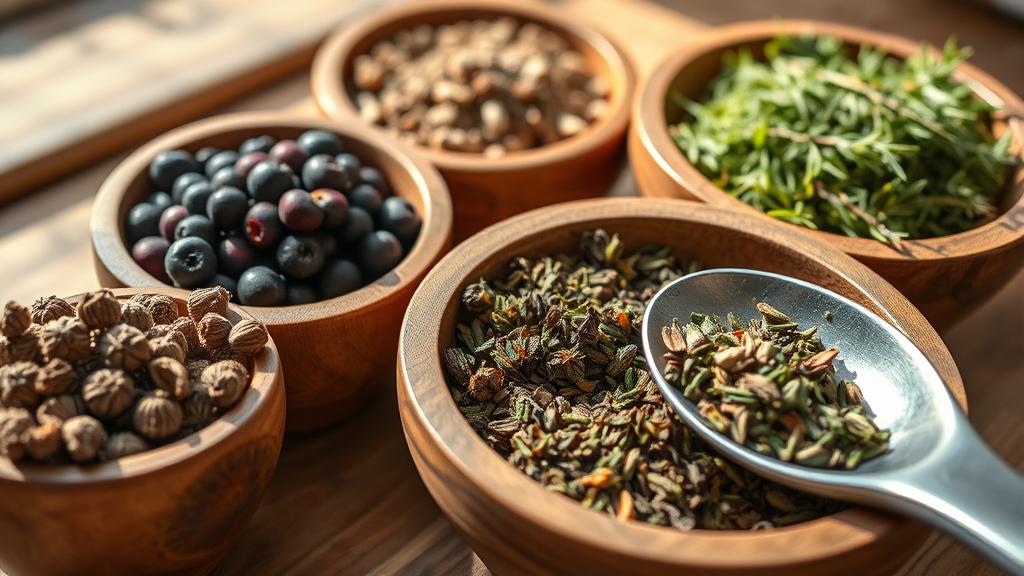
A proper grut blend doesn’t follow rigid recipes—that’s part of its charm. Different regions had different traditions. But understanding the core ingredients will help you build your own signature blend.
Juniper berries are the backbone of many traditional gruits. They provide a sharp, piney character with genuine antimicrobial power. Use them sparingly (5–10g per 20 litres / 5 gallons), as they can overpower quickly. The berries work best slightly crushed to release oils during the boil.
Heather (ling) brings subtle floral sweetness and a mild preservative effect. It’s the gentler ingredient, perfect for balancing harsher elements. Northern brewers swore by it for ale stability. You’ll find dried heather through specialty suppliers—aim for 10–15g per 20 litres.
Mugwort is the herbal workhorse. It supports fermentation, aids clarity, and adds a slightly earthy bitterness without the harshness of traditional bittering hops. Historical records suggest it was sometimes used in equal measure to the other herbs. Try 10–15g per batch.
Caraway brings distinctive spice and slight sweetness. Some Danish and Norwegian traditions relied heavily on caraway for character. It’s assertive—5–8g is usually enough, as it carries through fermentation strongly.
Wormwood is potent. Use it cautiously (2–3g per 20 litres). It provides serious bittering and earthy depth, but too much tastes medicinal. Many modern gruits use minimal wormwood or skip it entirely in favour of gentler herbs.
You can source dried gruit herbs from specialty homebrewing suppliers like Geterbrewed or The Malt Miller, both of which stock curated blends. Alternatively, forage dried heather from moors (if you’re in the UK), or order bulk herbs from culinary suppliers and experiment.
Brew Day: Step-by-Step Grut Ale Construction
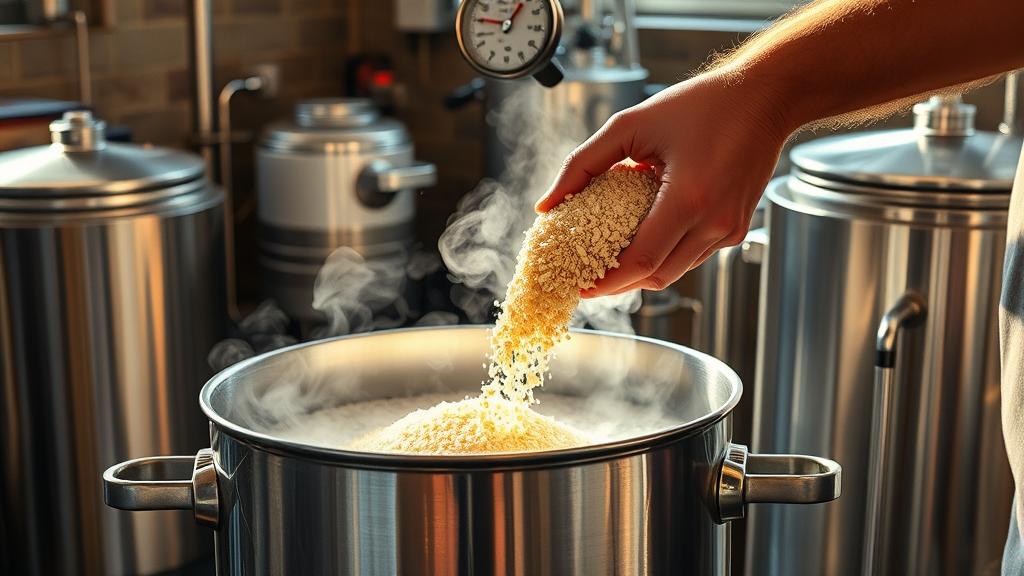
A traditional grut ale is typically fairly simple in grain composition. The herbs provide enough complexity that you don’t need elaborate multi-grain recipes.
Recipe (20 litres / 5 gallons):
- 3.5 kg (7.7 lbs) pale malt
- 0.25 kg (0.55 lbs) toasted malt (for gentle colour)
- Mash at 66°C (150°F) for 60 minutes
- Sparge with 70°C (158°F) water
- 90-minute boil
Grut Additions (traditional full charge—adjust to taste):
- At 60 minutes remaining: 8g juniper, 12g heather, 12g mugwort, 6g caraway
- At 15 minutes remaining: 2g wormwood (optional—skip if uncertain)
- Flame out: Do NOT add late-addition grits. The full boil integration is essential for balance.
Yeast & Fermentation: Use a clean ale yeast (Safale US-05 or equivalent) or, for authenticity, a lager strain at ale temperatures (16–18°C / 60–65°F). Medieval gruits were often fermented cool to preserve delicacy. Pitch at normal rates, aim for completion in 10–14 days.
Cooling & Whirlpool: After the boil, run through a whirlpool to settle solids. The grut herbs will settle quickly—that’s intentional. Don’t try to filter them out; the gentle herb particulate supports the flavour development.
Fermentation & Conditioning: Patience Wins
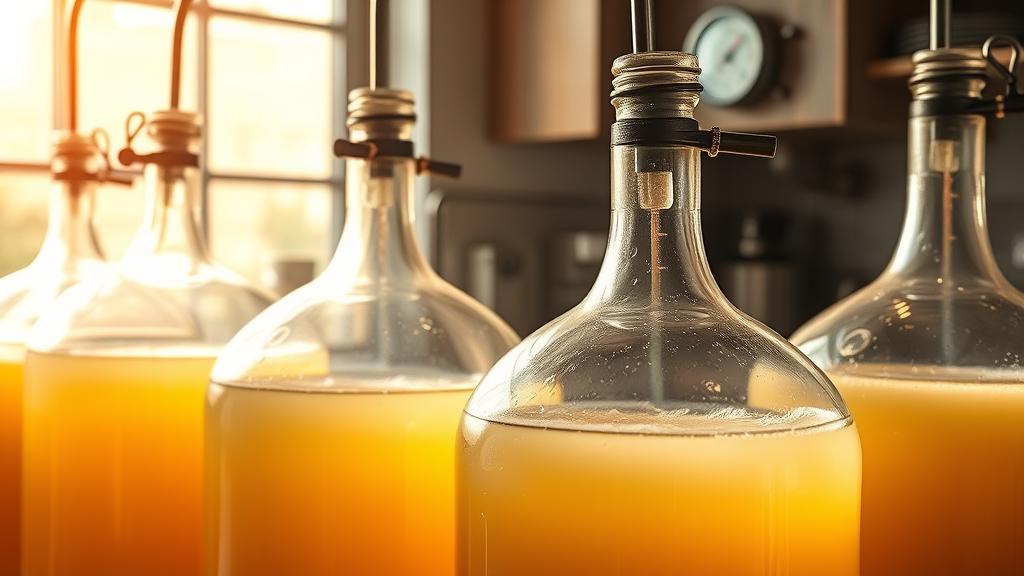
This is where patience becomes a virtue. Grut ales taste rough and disjointed straight from fermentation. The herbs feel raw. The beer hasn’t yet achieved the subtle integration that makes grut special.
Ferment cool if possible (16–18°C / 60–65°F). If you’re using ale yeast, this temperature keeps it clean without stressing it. Once fermentation completes and gravity stabilises (usually 3–4 days after the final gravity measurement), leave the beer sitting on yeast for a further 7–10 days. This autolysis period allows the beer to mellow. The herbal compounds integrate. Rough edges soften.
After that rest, rack to secondary (or bottle directly if you’re confident in your sanitation). If bottling, aim for low carbonation: 1.5–2.0 volumes of CO₂. Grut ales shine slightly undercarbonated, allowing the herbal complexity to emerge without the fizz overwhelming it.
Bottle age is genuinely important here. Drink a bottle at two weeks if you’re curious—it’ll taste harsh. Then revisit the same bottle after six weeks. Transformation. The herbs have settled into the beer matrix. Flavours have married. That’s the magic of grut.
Tasting Notes & Honest Assessment

What does a finished grut ale taste like? It depends on your blend, but here’s what I found with a 50–50 heather–mugwort forward grut with supporting juniper:
Appearance: Clear amber to copper. Tight, persistent head if carbonation is moderate. Gruts don’t gush—they’re refined.
Aroma: Floral hedgerow notes (heather), dry herbaceous background (mugwort), a whisper of pine (juniper). Nothing screams at you. It’s subtle. If you’re expecting an IPA-style punch, you’ll be disappointed. That’s the point.
Flavour: Clean malt foundation with moderate body (around 1.050 OG if you followed the recipe). The grut herbs unfold on the palate in layers. Initial sweetness from heather, developing into earthy herbalism, finishing with a gentle botanical dryness. It’s savoury without being aggressive. Food-friendly. Drinkable. Complex enough to keep your interest over a 500ml glass.
Mouthfeel: Soft. Velvet. Grut ales rarely feel harsh or astringent if the herb ratios are balanced. Finish is clean and dry.
The Honest Truth: Grut ales won’t convert a die-hard hophead. They’re not designed to. But for brewers interested in exploring flavour through fermentation and tradition rather than ingredient shock, they’re genuinely captivating. They reward patience and precision in ways that adjunct-heavy beers don’t.
Pro Tips & Common Mistakes
Mistake 1: Over-specification. You don’t need to source every herb from a historical database. Build a blend you enjoy. Start with heather and mugwort as your base (safe, subtle), experiment with juniper levels, and add wormwood only if you actively want drying bitterness.
Mistake 2: Treating grut like hops. Grut herbs contribute flavour AND texture. They’re not supposed to be a cleanly separated bittering agent. Embrace the whole plant character.
Mistake 3: Drinking too early. A grut ale at two weeks tastes like a failed experiment. At six weeks, it’s a revelation. Patience is non-negotiable.
Mistake 4: Cold fermentation with ale yeast. If you go below 15°C (59°F) with a standard ale strain, you’ll stress the yeast and get stalled fermentation. Use lager yeast at cool temps, or accept that ale yeast needs warmth (18–20°C / 64–68°F) and manage it carefully.
Pro tip: Batch recording. Keep meticulous notes on herb ratios. What worked brilliantly with 12g mugwort might be too strong with 15g. After two or three brews, you’ll have a signature blend—and that’s when grut brewing becomes genuinely personal.
Variations & Experiments: The Door Swings Both Ways
Once you’ve nailed a baseline grut, experimentation becomes irresistible.
Spiced grut variants: Add traditional spices (coriander, cinnamon, clove) at flameout in minimal quantities (1–2g per 20 litres). These layer beautifully with herbal grits.
Fruit integration: Some modern brewers add orchard fruit (apple, pear) to a light grut base. It sounds weird. It works surprisingly well. Add pureed fruit at the start of secondary fermentation.
Smoked grut: Mash with 15–20% smoked malt. The smoke harmonises gorgeously with herbal compounds. Dangerous territory, but rewarding if executed thoughtfully.
Sour grut: Pitch a lactobacillus strain alongside ale yeast. Sour and herbal is an underexplored combination. The acidity sharpens the botanical character.
Conclusion: The Rebellion Is Brewing
Grut ale represents something increasingly rare in modern craft beer: restraint married with ambition. It’s not about showcasing a single ingredient (like a single-hop IPA). It’s not about laboratory precision (like a calculated sour). It’s about balance, history, and the discovery that medieval monks knew their business.
Your first grut won’t be perfect. Mine wasn’t. But by your third batch, you’ll understand why brewers spent centuries perfecting these blends before hops came along and overshadowed everything.
The herbs are calling. The monastery doors are open. Brew thoughtfully, age patiently, and taste something genuinely old-new.
🍺 Join the Brotherhood — Monthly brews, stories & monk wisdom
Subscribe for exclusive recipes, early brew logs, and behind-the-scenes updates straight to your inbox.