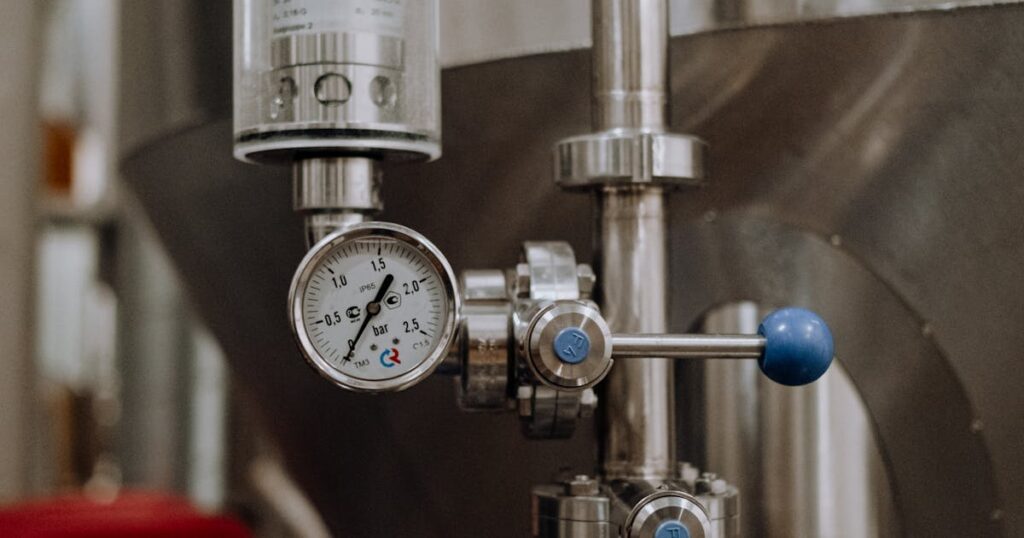
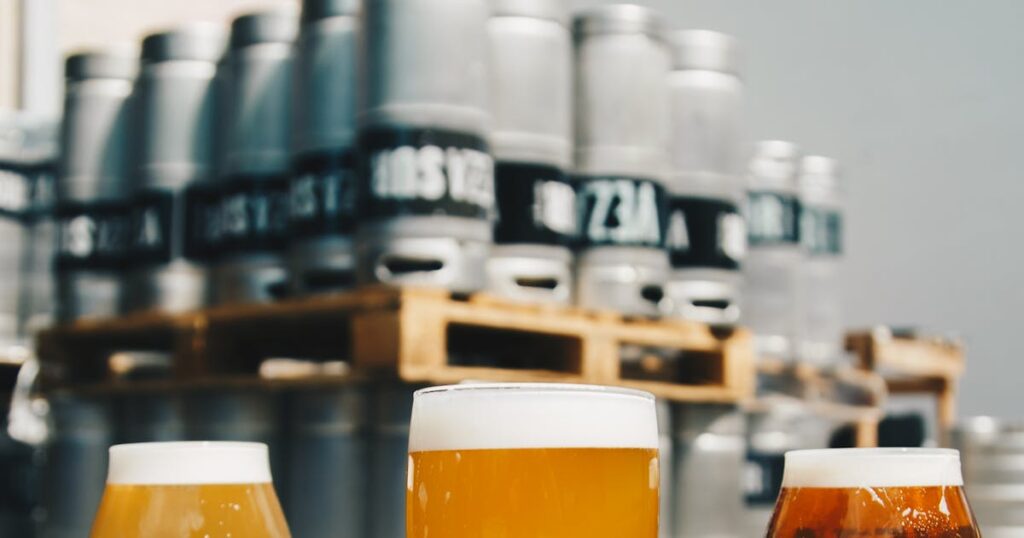
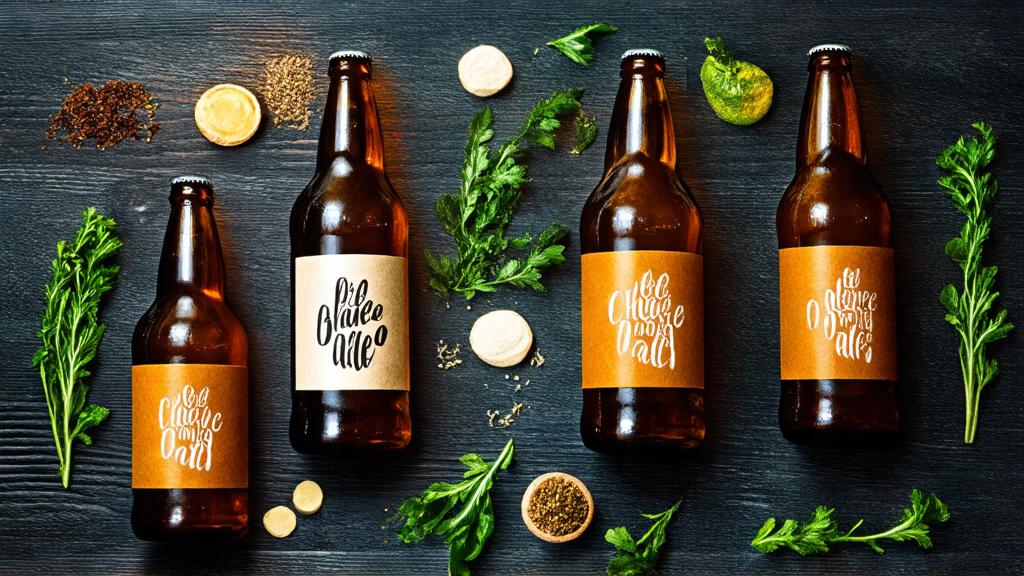
Somewhere between a potion and a pint, herbal ales occupy a sacred space in the homebrewer’s repertoire. For centuries, before hops became the dominant flavouring agent in beer, medieval and ancient brewers used whatever botanicals grew around them: meadowsweet, gruit, mugwort, heather. Today, a new movement is reviving this wisdom and pushing it further—infusing ales with adaptogens, medicinal herbs, and functional botanicals that claim everything from immune support to stress relief.
This isn’t wellness theatre masquerading as brewing. It’s a genuine convergence of practical herbalism, fermentation science, and the homebrewer’s eternal quest: what happens if I try this?
Why Herbal Ales Matter in 2026
The craft beer world has fractured into countless microniches. What’s fascinating about herbal ales is that they satisfy a deeper hunger than novelty. Consumers—particularly in the UK—are moving away from high-alcohol showboats. They’re looking for flavour complexity, reduced hangover potential, and drinks that might actually *do something* for their bodies. A herbal ale sits at the intersection of all three.
The broader functional beverage market is booming. Adaptogens in coffee, mushrooms in lattes, collagen in everything—wellness has become the default flavour profile. Herbal ales let homebrewers tap into this without abandoning the craft. Unlike commercial functional drinks (often pasteurised and stripped of fermentation’s benefits), a homebrewed herbal ale retains probiotics, complexity, and soul.

Understanding Botanicals & Adaptogens in Brewing
Before we brew, let’s define terms. A botanical is simply a plant or part thereof: petals, roots, bark, leaves. An adaptogen is a specific subset of botanicals—traditionally used in Ayurveda and Chinese medicine—believed to help the body “adapt” to stress or fatigue. Think ashwagandha, rhodiola, reishi, cordyceps.
In brewing, botanicals add flavour, aroma, and colour. Adaptogens can do all three, but they’re subtle. Ashwagandha brings an earthy, slightly bitter undertone. Reishi mushroom contributes umami and a deep, woody note. Rhodiola adds citrus complexity. None of them will *taste* like wellness—they’re ingredients, not supplements masquerading as beer.
The fermentation process is crucial here. Unlike a tea, where you steep botanicals in hot water and dump them out, brewing allows them to integrate deeply with the yeast metabolism. The science of fermentation, explored in depth within hybrid fermentation approaches, shows how yeast transforms raw materials into something entirely new. Some botanical compounds break down. Others transform. The result is a more nuanced, integrated flavour than you’d get from simply tossing herbs into a finished beer.
When exploring low-ABV brewing techniques, herbal ales become even more compelling. A delicate 3-4% herbal ale (50–70 IBU equivalent) lets botanicals sing without competition from alcohol burn or hop aggression.
Ingredient Selection & Sourcing
This is where patience matters. You can’t just raid the tea aisle at Tesco. You need quality, food-grade dried botanicals—ideally organic, without pesticides or additives.
Foundational Adaptogens (pick 2-3):
- Ashwagandha root: Earthy, slightly bitter. 10-20g per 20-litre batch. Adds complexity without dominating.
- Reishi mushroom (powdered): Deep umami, woody. 5-10g per batch. A little goes a long way.
- Rhodiola: Citrus notes, floral undertones. 15-25g per batch. Plays well with ale yeasts.
- Cordyceps (powdered): Subtle earthiness, umami backbone. 5-8g per batch. Expensive but potent.
Flavour Botanicals (pick 3-5 to complement):
- Chamomile flowers (calming, floral)
- Calendula petals (slightly bitter, earthy-sweet)
- Dried lavender (restraint essential—very easy to overdo)
- Lemon balm (citrus lift)
- Meadowsweet (traditional gruit component, honey-like, almond notes)
- Yarrow (herbal bite, slightly phenolic—use sparingly)
Where to source: The Malt Miller stocks some adaptogens. Specialty herbal suppliers like Indigo Herbs or local health shops sell dried botanicals. For quality assurance, reference BJCP style guidelines which define ingredient standards across brewing styles. Verify everything is food-safe before adding to beer.
Step-by-Step Brew Day
A basic herbal ale recipe (20 litres, ~4% ABV, 30 IBUs):
Grain Bill:
- 3.5 kg pale malt
- 0.5 kg wheat malt (adds body, aids head retention)
- 0.25 kg flaked oats (silkiness)
Hops:
- 15g Styrian Goldings @ 60 min (bittering, noble character)
- 5g Goldings @ 10 min (aroma, restraint)
Botanicals & Adaptogens:
- 15g ashwagandha root (crushed)
- 8g reishi powder
- 20g rhodiola
- 10g chamomile flowers
- 5g calendula petals
- 2g dried lavender (seriously—restraint)
Yeast: Wyeast 1318 (London Ale III) or SafAle S-04. Clean, slightly fruity, allows botanicals to emerge.
Brew Steps:
1. Mash (65°C, 60 min): Standard mash. Goal: 1.040 OG. Infusion mash or simple single-step at 65°C works fine.
2. Lautering & Sparging: Collect ~25 litres runoff (target ~1.038 pre-boil gravity). Standard procedure.
3. Boil (60 min): Add Styrian Goldings at the start. Boil hard—herbal ales benefit from good DMS drive-off.
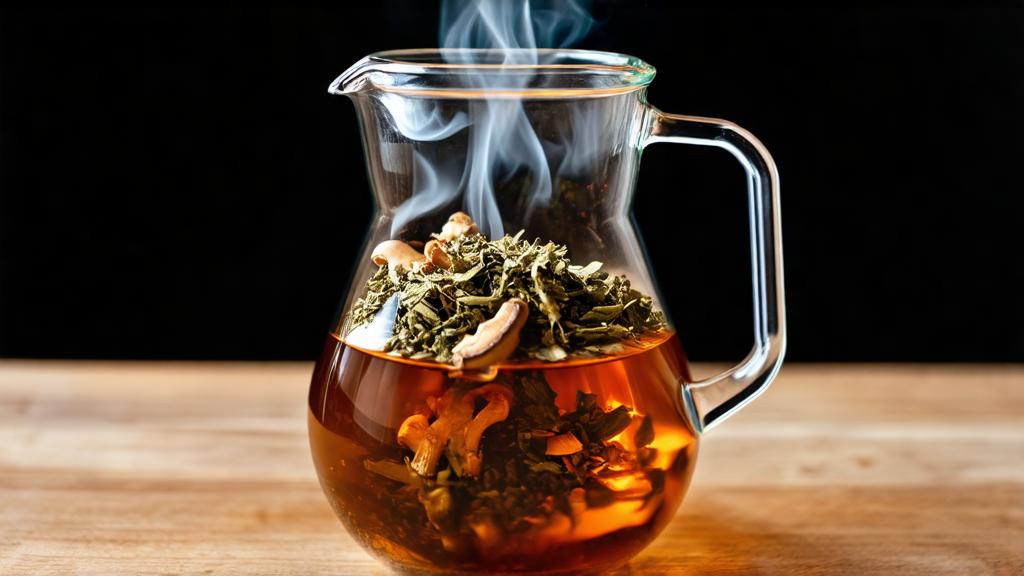
4. Steep Botanicals (last 20 minutes of boil): Add ashwagandha root, reishi, and rhodiola to the boil. This gives them a 20-minute extraction, enough to integrate but not so long that volatile aromatics are lost.
5. Late Addition (5 minutes remaining): Add chamomile, calendula, and lavender. These are delicate—last-minute addition preserves their character.
6. Final Addition (knock-out): Add Goldings at flameout for aroma.
7. Chill to 18-20°C and pitch yeast.

Fermentation & Conditioning
Herbal ales ferment cool and slow. Pitch at 18-19°C and hold the temperature there for 10-12 days. Warmer fermentation will drive off subtle botanical aromatics; cooler keeps them alive.
With London Ale III, expect:
- Days 1-3: Vigorous fermentation, yeast working through sugars
- Days 4-7: Botanicals integrate deeper with the beer matrix
- Days 8-10: Yeast begins to settle, beer clarifies
- Days 11-12: Fermentation complete (gravity stable at 1.008-1.010)
After fermentation:
- Transfer to secondary (optional, but recommended for herbal ales—allows clarification and further botanical settling)
- Condition for 7-10 days at 12-15°C
- Bottle, let condition in bottle for 2-3 weeks before tasting
Herbal ales age brilliantly. Like the approaches documented in sustainable homebrewing, the botanicals mellow over time, the ale develops creamier mouthfeel, and subtle undercarriage notes emerge. I’d recommend waiting at least 4 weeks from bottling before final tasting.
Tasting Notes & Honest Evaluation
My first herbal ale, brewed in January, was equal parts revelation and humbling. The nose was immediately distinctive—herbal, almost eucalyptus-forward, with a creamy maltiness underneath. The palate: restrained bitterness (good—those Styrian Goldings did their job), botanical complexity that shifted as it warmed (chamomile came through first, then ashwagandha’s earthy edge), and a dry, clean finish.
Was it medicinal? Slightly. But not off-putting. More like a sophisticated herbalism—the kind you’d taste in a high-end natural wine or a thoughtfully made botanical gin. My mates’ initial reaction was skeptical. By the second pint, they were asking for more.
Evaluation checklist for your herbal ale:
- Aroma: Do botanicals come through, or are they buried? Are they pleasant?
- Flavour profile: Where do the herbal notes sit in the beer’s evolution? Are they integrated or jarring?
- Bitterness-to-botanical balance: Is there enough bittering to frame the botanicals, or do they drift aimlessly?
- Mouthfeel: Herbal ales should be clean, dry. If they’re sticky or astringent, you’ve over-extracted.
- Finish: Does the botanical character persist, or fade? (Either is fine; know what you prefer.)
Compare your herbal ale to commercial references—Theakston’s Old Peculier (earthy notes), or research traditional brewing standards. Consult CAMRA resources for UK brewing heritage and style authenticity. Look for natural/herbal craft ales from UK breweries exploring similar territory. This grounds your evaluation in the broader beer landscape.
Pro Tips & Common Mistakes
Pitfall 1: Over-Herbification
The most common error. Homebrewers see “herbal ale” and think it should taste like a health supplement. Wrong. Restraint is wisdom. Every botanical addition should have a *reason*. If it doesn’t contribute clearly, don’t add it. Start with half the amount you think you want. You can always brew again and increase.
Pitfall 2: Dusty, Dried-Out Botanicals
Old dried herbs lose potency and can contribute off-flavours—must, dust, stale hay. Buy fresh. Store in sealed containers away from light. Use within 6 months.
Pitfall 3: Forgetting the Base Beer
Herbal ales still need to be *good beers*. Clean fermentation, proper bittering, solid malt backbone. Botanicals enhance; they don’t replace fundamentals. When exploring unconventional ingredients, nail the basics first.
Pro Tip: Cold Steeping
For delicate botanicals (chamomile, lavender), try cold-steeping in water post-fermentation, then blending back into the finished beer. This preserves volatile aromatics that boiling might strip.
Pro Tip: Layering Botanicals
Add them at different times. Adaptogenic roots (ashwagandha, reishi) can take 20 minutes of boil. Delicate flowers need flameout treatment. This layering creates depth.
Variations & Next-Level Experiments
Once you’ve nailed a baseline herbal ale, variations become obvious:
- Herbal Saison: Swap London Ale III for Wyeast 3711 (French Saison). Spicier yeast amplifies herbal complexity. Increase ABV to 6-7%.
- Barrel-Aged Herbal Ale: Oak adds vanillin and tannin—both complement botanicals. Age in small oak cubes or barrel for 2-4 weeks post-conditioning.
- Blended Herbal Ale: Brew a base pale ale, then split it and add different botanical blends to each batch. Blend back to find your perfect ratio.
- Seasonal Herbal Ales: Spring: meadowsweet and elderflower. Summer: chamomile and lemon balm. Autumn: yarrow and sage. Winter: warming spices (cinnamon, nutmeg) + ashwagandha.
For real mastery, explore community resources like HomeBrewTalk forums where homebrewers constantly experiment with botanical additions. The community shares recipes, tasting notes, and failures—invaluable learning for refining your herbal brewing craft.
The Wisdom of Slowness
There’s something monastic about herbal ales. They demand restraint. They require you to taste carefully, to wait, to resist the impulse to keep tinkering. Medieval monks, when they brewed with herbs, weren’t chasing sensation—they were seeking balance, health, and a drink that reflected the rhythms of the seasons and the garden.
That wisdom still holds. A herbal ale isn’t just a beer trend; it’s a return to brewing as herbalism, as craft rooted in patience and observation. Brew one. Wait. Taste it in a month, then again in three. Let time do the work.
Conclusion
Herbal ales sit at the intersection of old wisdom and modern wellness curiosity. They’re not a gimmick—they’re a legitimate exploration of what beer can be when you think beyond hops and malt. For homebrewers tired of the same recipes, they offer creative space. For those interested in functional beverages, they deliver actual complexity and craft.
Start simple. Pick 3-4 botanicals. Brew once. Taste honestly. Iterate. Over time, you’ll find your signature herbal ale—the one that tastes like *your* garden, *your* brewing philosophy, and the subtle intersection of tradition and curiosity that defines modern homebrewing.
The monastery is calling. Will you answer with a botanical ale in your hand?
🍺 Join the Brotherhood — Monthly brews, stories & monk wisdom
Subscribe for exclusive recipes, early brew logs, and behind-the-scenes updates straight to your inbox.