Why English Brown Ale Matters in 2026
English brown ale is having a genuine moment. Not the fleeting sort that fades in six months, but the kind backed by nostalgia, authenticity, and a growing fatigue with hype-driven brewing trends. Walk into any pub worth its salt, and you’ll spot BASS Ale or Boddington’s Bitter pulling decent pints. Look at your local supermarket and brown ales are muscling back into craft sections they’d abandoned for years.
For homebrewers, this is brilliant news. Brown ale sits at the perfect intersection of forgiving and rewarding—it’s one of the few styles where your first mistakes won’t ruin the batch, yet meticulous technique yields genuinely sublime results. I started brewing brown ales nearly five years ago, chasing that elusive dark mild revival energy, and I’ve returned to the style repeatedly. There’s something meditative about a brown ale. It forces you to slow down.
Ingredients & Equipment
English brown ale doesn’t demand exotic malts or cutting-edge techniques. That’s part of its charm. You’re working with a palette that’s been refined over 150+ years, and that stability means recipes are predictable and forgiving.
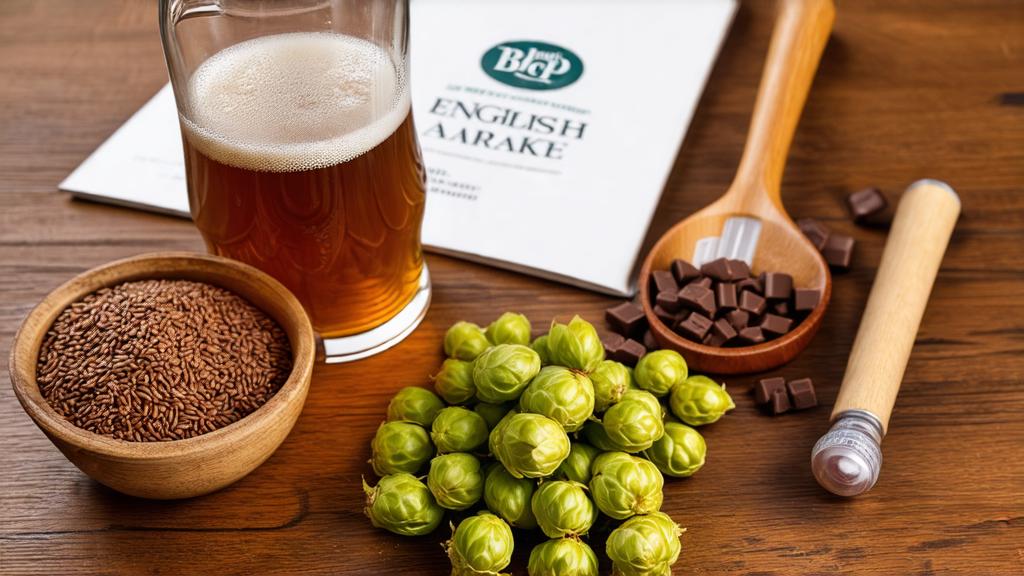
The Malt Bill is the soul of brown ale. A solid foundation uses pale malt as your base—typically 65-75% of the grain bill. I favour English pale malt (like Maris Otter) over American two-row, as it brings subtle biscuit and honey notes that define the style. On top of that, add 10-15% crystal malt (120-150L SRM) for caramel body and colour, and 5-10% chocolate malt for earthy complexity without bitterness. Some brewers add a touch of amber or brown malt (2-5%) for authenticity. I sometimes splash in a small amount (2%) of roasted barley to darken the profile without harsh coffee notes.
Hops are deliberately restrained. English brown ale isn’t about hop fireworks. You’re aiming for 20-30 IBUs, derived from a single bittering charge at 60 minutes. I use Kent Goldings, Fuggles, or Challenger—all classic English varieties. Skip the secondary additions. Yeast is the real showstopper here.
Yeast selection makes or breaks your brown ale. Use an English ale strain—Wyeast 1968 (London ESB), SafAle S-04, or White Labs WLP002 (English Ale)—and you’ll get the fruity, subtle esters that define the style. American strains are technically fine but they mute the character.
Step-by-Step Brew Day
I brew brown ale on a standard homebrew schedule. Here’s my ritual:
- Mash-in: Strike water at 67°C (152°F), aiming for a mash temperature of 65°C (150°F). Hold for 60 minutes. Brown ale loves a stable, slightly cool mash—it promotes fermentable sugars over body, which is the sweet spot for the style.
- Sparge: Fly sparge or batch sparge to 76°C (170°F). Run off about 25 litres (6.6 US gallons) of 1.050 gravity wort.
- Boil: Bring to a vigorous boil. Add bittering hops at 60 minutes (15-20g for a 5-gallon / 20-litre batch). No flavour or aroma additions. At 10 minutes, add 5-10g of Challenger for a subtle noble spice note if you fancy it—though purists skip even this.
- Cool & Pitch: Chill to 18-20°C (64-68°F). Pitch your yeast at normal cell count (100 billion+ cells). English ales ferment happily in the 18-20°C range without esters getting out of hand.
- Fermentation: Let it run for 7-10 days. Brown ale ferments remarkably predictably—by day 5, attenuation is usually 70%+. Patience here is key; don’t rush to package.
The entire brew day feels almost meditative. There’s no stress about timing multiple hop additions, no concern about oxidation ruining delicate notes. You’re back to first principles: good malt, restrained bitterness, clean fermentation.

Fermentation & Conditioning
This is where brown ale really shines. Because the style doesn’t demand aggressive fermentation or high alcohol stress, your yeast stays happy and clean. Fermentation temperatures between 18-20°C (64-68°F) yield subtle fruit notes—stone fruit, plum, maybe a whisper of banana—without the overpowering esters of warmer ferments.
After primary fermentation drops to final gravity (usually 1.010-1.015 for a 1.050 OG brown ale), I cold-condition for 2-3 weeks at 4°C (40°F). This polishes the flavour, allows hop bitterness to mellow, and lets yeast settle completely. You’ll notice the difference versus packaging immediately after primary—the beer softens, integrates, becomes complete.
For a 5-gallon (20-litre) batch, I bottle-condition with 2.2 volumes of CO₂ (about 100-125g of dextrose for the batch). Bottle carbonation takes 3-4 weeks at room temperature, after which the beer is drinkable and continues to evolve for 6-12 months. Kegging is faster, obviously, but something about bottle-conditioning brown ale feels ceremonial—it mirrors how the classics were made.

Tasting Notes & My Honest Review
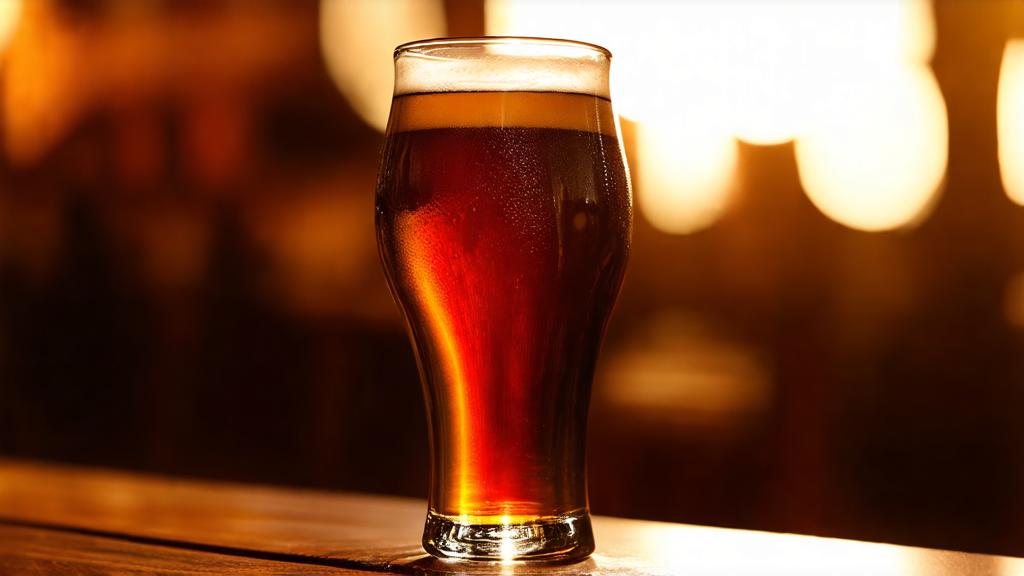
A properly brewed English brown ale smells like orchard—red apples, plum skin, maybe a faint almond note. The colour is deep mahogany, almost opaque when held to light, with a warm amber glow. Head is modest but persistent—a tight, creamy foam that clings to the glass.
On the palate, you’re tasting a gentle sweetness (residual dextrin from the stable mash temperature), subtle caramel notes from the crystal malt, and a dry finish from the chocolate malt and bittering charge. The alcohol should be virtually invisible—a 4.5-5.2% brown ale should feel lighter and rounder than its gravity suggests. Fermentation esters add stone fruit character without ever screaming.
There’s an honesty to brown ale that I find increasingly rare in modern brewing. It doesn’t hide behind extreme hopping or wild yeast or adjuncts. You taste the malt, the yeast’s quiet competence, and the brewer’s discipline. It’s why the style is making a comeback—people are tired of gimmicks.
I’ve shared brown ale with friends who normally drink commercial lagers, and their reaction is consistently “this is so clean” or “why don’t more people brew this?” That’s the insight right there. The trendiest fermentation methods get the headlines, but reliable, delicious brown ale quietly wins hearts.

Pro Tips & Common Mistakes
The mash temperature trap: The single biggest mistake I see is mashing too warm. Brewers assume brown ale should be full-bodied and mash at 68°C (154°F). Wrong. You lose the subtle dryness that makes the style elegant. Mash at 65°C (150°F), maybe 66°C if you want a touch more body. This is non-negotiable.
Yeast matters enormously. American ale strains ferment too dry and strip character. Stick with English strains. I’ve never regretted using Wyeast 1968; it’s reliable and delivers the fruit you want.
Don’t skip cold conditioning. I see brewers bottle immediately after primary fermentation. The beer tastes thin and harsh. Give it 3 weeks at 4°C and the difference is night and day. Patience costs nothing and rewards everything.
Water chemistry is subtle but real. Brown ale doesn’t demand aggressive mineral profiles, but slightly sulfate-forward water (150-200 ppm sulfate) will enhance the dry finish. Chloride-heavy water will emphasise sweetness. Know your water or start adjusting.
Variations & Next-Level Experiments
Once you’ve nailed a classic brown ale, variations open naturally. Try barrel-ageing a batch for 6-12 months—oak adds complexity and rounds sharp edges. Brown ale ages beautifully.
You can push alcohol slightly to 6-7% ABV (English barley wine territory) by adding a touch of pale sugar, yielding a stronger “brown ale” with longer ageing potential.
Some brewers experiment with alternative yeasts—a Belgian saison strain yields spicy, clove-forward notes that reframe the style entirely. It’s not traditional, but it’s educational.
Or explore hybrid fermentation techniques by starting with an English ale yeast and transitioning to a lager yeast mid-fermentation for a smoother profile.
Why This Matters Now
English brown ale represents a philosophical shift in 2026 homebrewing. After a decade of extremes—imperial stouts, 100+ IBU IPAs, wild yeasts, adjuncts everywhere—brewers are rediscovering restraint. Not because high-alcohol beers are bad, but because they’re exhausting. Brown ale is sustainable, approachable, and infinitely rewarding.
It’s also democratic. Your first brown ale will be drinkable. Your tenth will teach you subtleties that took monks decades to understand. The style grows with you, rather than demanding you start at mastery.
If you haven’t brewed brown ale yet, or haven’t tried one in years, 2026 is your moment. This is the comeback the style deserves.
🍺 Join the Brotherhood — Monthly brews, stories & monk wisdom
Subscribe for exclusive recipes, early brew logs, and behind-the-scenes updates straight to your inbox.
Further Reading: BJCP British Brown Ale | BeerSmith