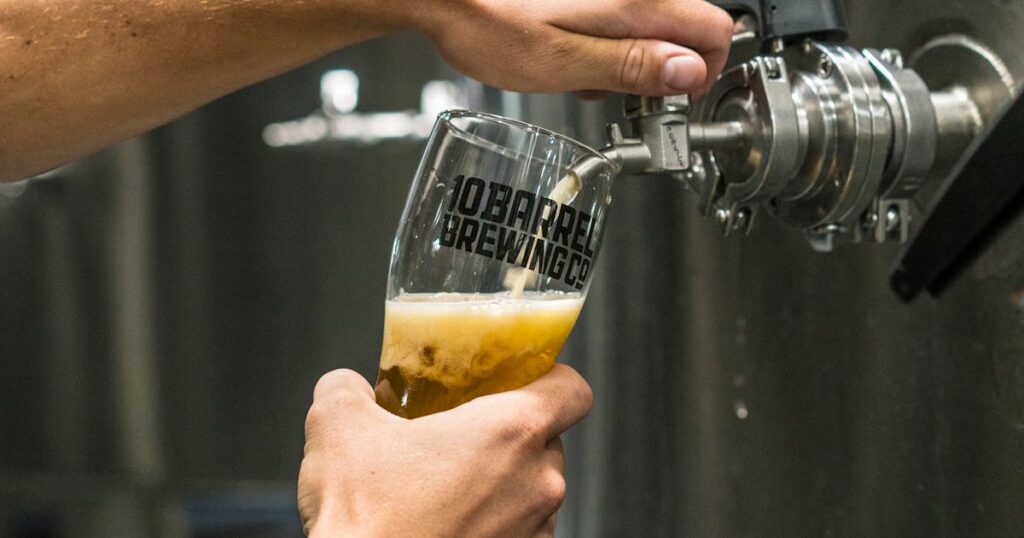
Koji Fermentation Mastery: Brewing with Japanese Fungal Magic at Home
Why Koji Is the Brewing Revolution 2026 Deserves
If you’ve been paying attention to craft fermentation, you’ve probably heard the word “koji” floating around. Not just in sake breweries, but at homebrewing forums, Reddit threads, and craft beer labs. And there’s good reason—koji, the white fungal mold used for centuries in Japanese fermentation, is quietly reshaping what modern homebrewers can achieve.
I first encountered koji three months ago. A brewing friend mentioned it in passing: “It’s like having a enzyme factory in your grain bed.” I was skeptical. Fungi in beer? But after digging into the science and experimenting with my own batch, I’m convinced: hybrid fermentation methods pale compared to what koji can do. It’s not just novel—it’s genuinely transformative for flavour depth and fermentation flexibility.
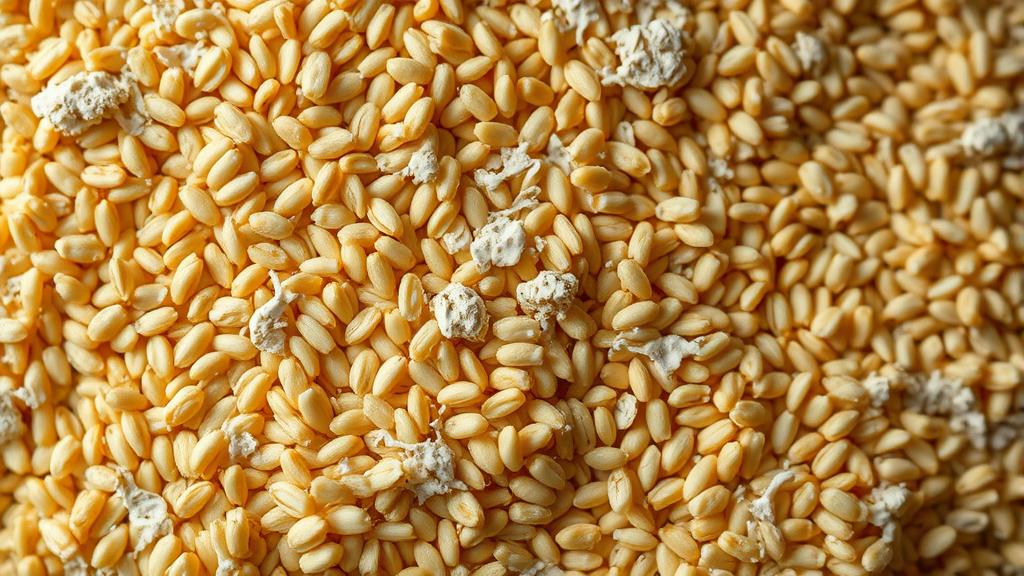
What’s koji doing? It’s producing powerful enzymes—amylases and proteases—that break down complex starches and proteins. In sake brewing, koji’s been the secret for 1,000 years. But homebrewers are just now catching on: it opens doors to precision fermentation techniques that were previously locked behind commercial equipment and know-how. You can now brew beers with koji-saccharified grains that would’ve required a commercial malthouse.
What Is Koji, and Why Should You Care?
Koji is the fruiting body of *Aspergillus oryzae*, a fungus that’s been safely used in food fermentation for millennia. It’s not pathogenic (unlike its nastier cousins). In Japan, it’s the backbone of sake, miso, soy sauce, amazake, and shochu. The magic? Koji produces enzymes that convert starches to sugars and proteins to amino acids—all without requiring heat or time-consuming mashing.
For homebrewers, this means:
- Faster starch conversion – Koji’s amylases work on raw grains, bypassing traditional mashing steps.
- Increased fermentability – More sugar extraction, less unfermentable residue (perfect for low-ABV brewing).
- Unique flavour development – Koji’s secondary metabolites create subtle fruity, slightly floral, umami-forward notes.
- Cleaner fermentation – Koji’s enzyme-rich environment can reduce harsh alcohols and off-flavours.
Think of it as unlocking a part of your malt’s potential that traditional malting never reached.
Ingredients & Equipment for Koji Cultivation
What You’ll Need
Grains: I use pale malt (2-row or Pilsen) as the canvas. Around 500g (1 lb) is a good starter batch. Avoid heavily roasted malts—koji works best on light, starchy grains. You can also experiment with unmalted barley, but malted grain is more forgiving.
Koji spores: You can buy koji starter (sometimes labelled “koji kin” or “koji cultures”) from Japanese suppliers or specialist homebrewing suppliers like The Malt Miller or online via eBay/Amazon. A small packet (a few grams) lasts for multiple batches. Store it in a cool, dark place—ideally the fridge.
Equipment:
- A large, shallow tray (bamboo or wood is traditional, but plastic works)
- Damp cloth or cheesecloth (to maintain humidity)
- A thermometer
- A humidity gauge (optional, but useful)
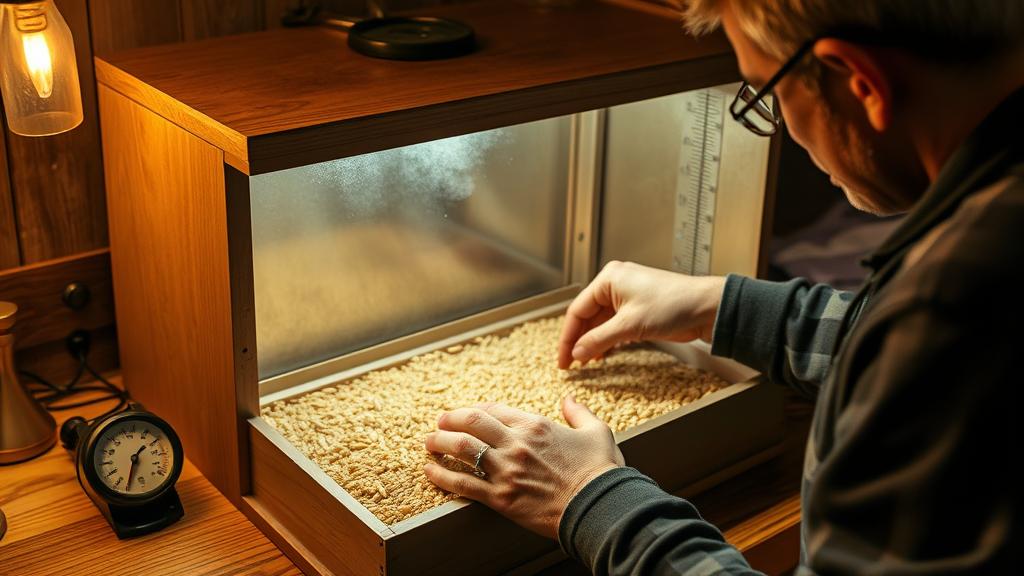
- A warm spot: ideally 25–27°C (77–80°F)
I use a seedling heat mat under a wooden brewing tray in my garage, with a humidity tent made from a large plastic storage box with air holes.
Step-by-Step Koji Cultivation (The Fun Part)
Day 0 – Preparation
- Soak your 500g of pale malt in water for 4–6 hours. You want the grains hydrated but not waterlogged.
- Spread the grains on a cloth and let them air-dry for about an hour. They should be damp, not soggy.
- Sterilise your tray and cloth with boiling water. Koji is resilient, but a clean environment prevents competing moulds.
Day 1 – Inoculation
- Lay your damp grains evenly on the sterilised tray.
- Sprinkle koji starter spores (about 1⁄2 teaspoon per 500g grain) across the surface. Gently mix with a clean spoon.
- Cover with a damp cloth (not airtight—koji needs oxygen).
- Place in your warm spot (25–27°C / 77–80°F) with consistent humidity (around 70% is ideal).
Days 2–4 – The Waiting Game
- Each day, gently stir the grains to aerate the koji. This prevents clumping and keeps the mould happy.
- Check moisture: the cloth should be damp, the grains slightly moist. Spritz with water if needed, but avoid waterlogging.
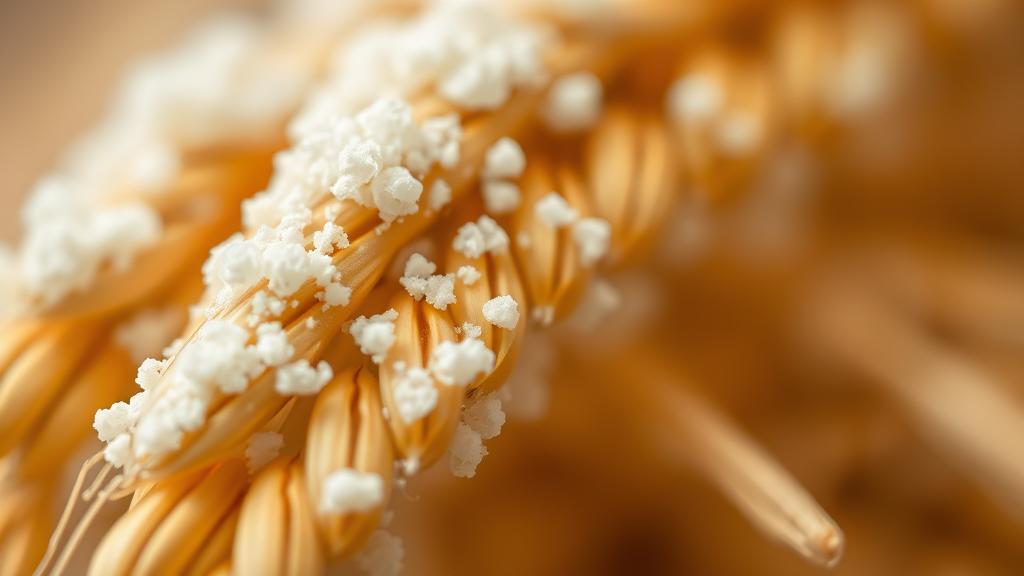
- Watch for the first signs of white growth—by day 2, you might see faint mycelial threads. By day 3–4, the grains should be visibly coated in fine white fuzz.
Day 5 – Harvest
- Your koji is ready when the grains are completely blanketed in white mould and smell sweet, almost fruity (never musty or sour).
- If you see any green, black, or orange discolouration, discard and start over—those are contaminating moulds.
- Spread the koji-grain on a cloth and let it dry at room temperature for 24 hours. The dried koji grain can be stored in an airtight container in the fridge for up to 2 months.
Brewing with Your Koji Grain
Basic Koji Beer Recipe (5-Gallon / 19-Litre Batch)
You have two paths: slow (traditional) and fast (experimental).
Slow Path – Koji Malting (Recommended for Beginners): Use your koji-colonised grain as a partial grain addition (10–20% of your total malt bill) alongside traditional malts. The koji grains contribute enzymes that help convert the entire mash more efficiently. It also gives you a safety net if koji fermentation is incomplete.
- 400g koji grain
- 2.5 kg pale malt
- 20g Hallertau hops (bittering, 60 min)
- 15g Hallertau hops (floral, 5 min)
- Liquid ale yeast (US-05 or similar clean ale strain)
- Water adjusted for a light blonde ale profile
Mash at 65°C (149°F) for 45 minutes. The koji’s enzymes will supplement your malt enzymes, giving you crisp, clean fermentability. You’ll hit an OG around 1.045 (ABV ~5%).
Fast Path – 100% Koji Fermentation (Advanced): This is where koji truly shines. If you’re feeling adventurous, try using koji-saccharified grain as your sole sugar source. You’ll need precision: aim for a grain-to-water ratio that gives you enzymatic action throughout the mash. This is technically “koji-hopped” parallel fermentation, and it’s the bleeding edge of homebrewing.
A Monk’s Note on Patience: Koji reminds me of monastic fermentation practices—ancient, precise, reverent. The monks understood that enzymes were alive, that you coaxed rather than forced them. There’s no rush with koji. A cold, long fermentation at 18°C (64°F) for 3 weeks will give you more complexity than a quick ale. Let the yeast settle. Let the koji’s gifts bloom.
Fermentation & Conditioning
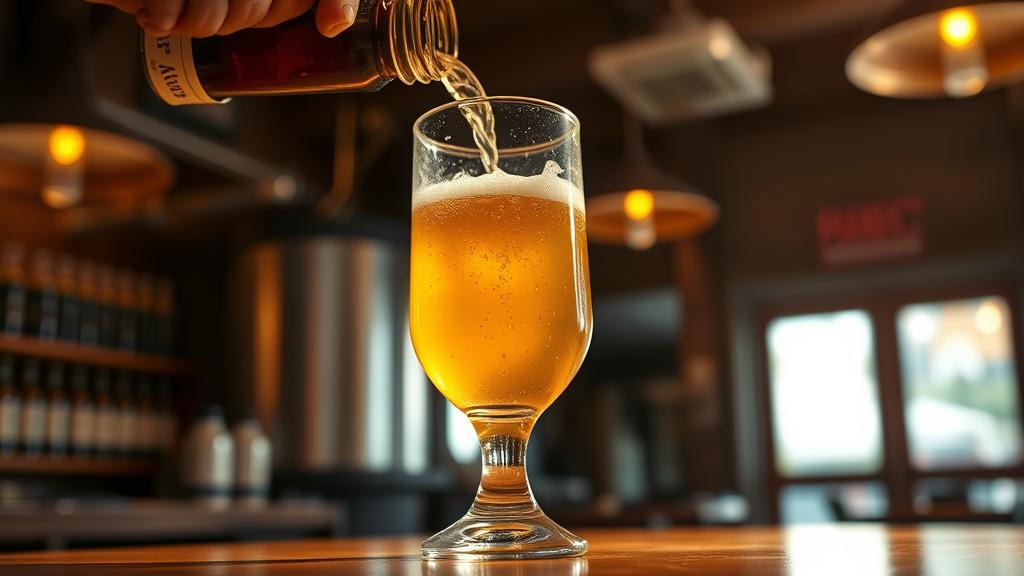
Once you’ve pitched yeast into your koji wort, fermentation proceeds normally—but with a twist. Koji’s amino acids and minor enzymes mean yeast has more building blocks, fewer stressors. You’ll notice:
- Faster krausen formation – Yeast is excited by the amino-rich environment.
- Lower final gravity – Koji’s enzyme action creates more fermentable sugars, so your FG might be drier than expected (1.004–1.008 vs. typical 1.010).
- Cleaner midpalate – Less diacetyl, fewer sulphur notes. Koji seems to suppress hot alcohols.
Ferment cool (18–20°C / 64–68°F) for at least 3 weeks. Do a diacetyl rest (raise temp to 20°C / 68°F for the last 5 days). Cold-condition for 2–3 weeks at 4°C (39°F) before packaging. The extended conditioning helps koji-derived compounds integrate.
Bottle-condition if you fancy it (2–2.5 volumes CO₂). Koji doesn’t produce much residual sugar, so over-carbonation is less of a risk than traditional ales.
Tasting Notes & My Honest Review
I brewed a koji blonde ale in March. Five weeks in, here’s what I found:
Appearance: Bright golden, clearer than a typical homebrewed ale. No haze, despite minimal fining. (Koji’s enzyme action seems to clean up proteins naturally.)
Aroma: Subtle white flower, honeysuckle, a hint of tropical fruit. Interestingly floral—not typical for a simple ale. Some describe koji character as “umami-forward”; I’d say it’s more delicate, almost tea-like.
Flavour: Crisp, clean malt backbone (thanks to koji’s enzyme work), barely a whisper of bitterness, dry finish. The koji shines in the midpalate as a slightly sweet, fruity, vaguely herbal undertone. Not overpowering. It’s like the beer is whispering rather than shouting.
Mouthfeel: Lighter than you’d expect for a 5% ale. Koji’s protein breakdown seems to reduce body. It’s silky, almost champagne-like. Carbonation feels crisp but never harsh.
Honest verdict: Koji is not a gimmick. It’s a tool—one that rewards patience and precision. If you’re after a pale ale that tastes fundamentally different from what commercial yeast alone can give you, koji delivers. It’s not revolutionary in the way a new hop variety is; it’s deeper. It’s like discovering a hidden technique in a recipe you’ve been cooking for years.
Pro Tips & Common Mistakes
What Works
- Keep it warm, not hot. 25–27°C (77–80°F) is ideal. Above 30°C (86°F), koji can produce off-flavours (acrid, almost cigarette-like). Below 22°C (72°F), it colonises slowly.
- Humidity is everything. Koji dries out, it dies. Koji gets waterlogged, contamination wins. Aim for 60–75% humidity. A damp cloth is your best friend.
- Use fresh spores. Old koji starter (more than 6 months old) colonises slowly. Buy fresh, store cool, use within a year.
- Blend koji grains with malted grain. As a beginner, don’t go 100% koji. Use 10–30% koji grain in your bill. You’ll still get the enzymatic boost, but with a safety net.
Mistakes I Made
- Impatience on day 3. I thought my first batch was ready after 3 days (faint white fuzz). It wasn’t. Koji needs 4–5 days to fully colonise and build enzyme strength. Underripe koji gives weak enzymatic action and bland beer.
- Overwatering the tray. Koji needs moisture, not a swamp. I once made my grains sodden, and competitive moulds (ugly green stuff) took over. Now I mist rather than pour.
- Not sterilising properly. My first batch got contaminated. I now briefly boil-sterilise my tray and cloth. Koji is tough, but cleanliness matters.
- Overhyping the flavour in my head. Koji doesn’t transform beer into sake. It’s subtle. If you’re expecting fireworks, you’ll be disappointed. It’s a whisper, not a shout.
Variations & Next-Level Experiments
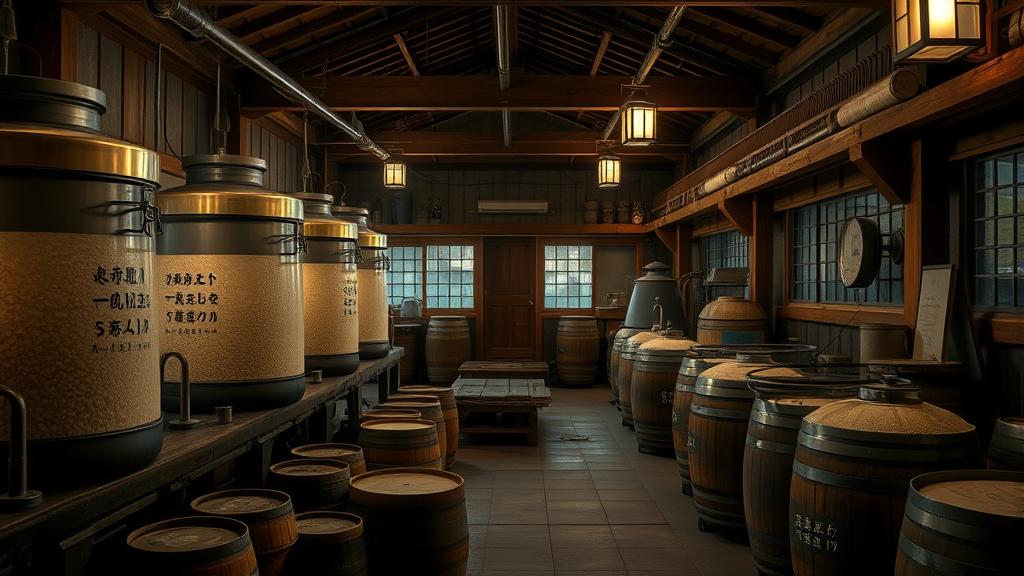
Koji + Lagers: Try a koji-pilsner. The enzymatic action combined with lager yeast’s clean fermentation creates something genuinely novel. A Brülosophy exBEERiment (April 2026) tested koji in an international pale lager—results showed increased complexity and lower final gravity. Worth exploring.
Koji + Sour Ales: Koji’s amino acids are a gift to souring bacteria (*Lactobacillus*). The microbes have more food, ferment faster, and produce more nuanced tartness. I’m planning a koji-sour collaboration next.
Koji + Adjuncts: Try koji on rice, unmalted wheat, or even rye. Each grain responds differently. Rice koji (used in sake) creates a delicate, slightly sweet character. Rye koji gives peppery, earthy tones.
Koji Starter Cultures: Once you’ve made koji once, save spores. Let a batch of koji fully dry and sporulate (you’ll see a faint whitish-grey dust). Store in a sealed jar in the fridge. You can use this to inoculate new grain indefinitely.
Conclusion: Why Koji Matters in 2026
Koji isn’t trendy because it’s new—it’s trendy because it works. After 1,000 years in Japanese breweries and distilleries, it’s finally reaching curious homebrewers. And it should.
In a hobby increasingly defined by technique and precision, koji is a step deeper into the science of fermentation. It’s not about Instagram-worthy creations or the latest hop variety. It’s about understanding that fermentation is a conversation between organisms, and koji’s been part of that conversation longer than any of us have been alive.
I’m convinced that koji will become a standard tool in serious homebrewing, right alongside temperature control and water chemistry. Not because it’s easy (it requires patience), but because it opens doors. Enzymatic action you can see and taste. Beers that taste fundamentally different. A bridge between ancient practice and modern precision.
If you’re ready to experiment, start small. Grow 500g of koji on your kitchen table. Brew a small test batch. Taste what fungi can do. You might just discover that the next frontier in your brewing isn’t new equipment or new hops—it’s an organism that’s been waiting for you to notice it.
Sake brewers have known this for a millennium. It’s time homebrewers did too.
🍺 Join the Brotherhood — Monthly brews, stories & monk wisdom
Subscribe for exclusive recipes, early brew logs, and behind-the-scenes updates straight to your inbox.