Why Tea-Infused Beer Matters in 2026
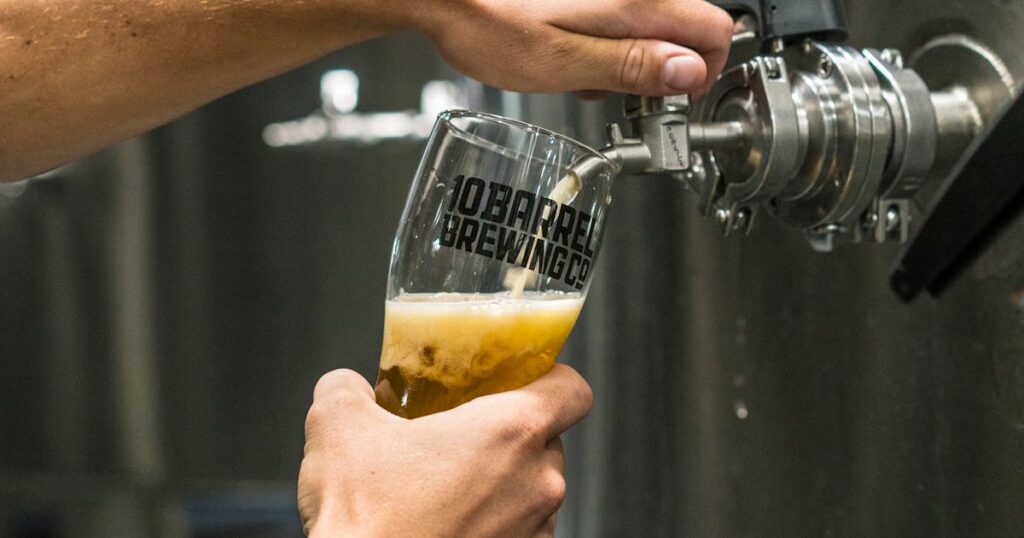
There’s a quiet revolution happening in craft brewing right now, and it doesn’t involve high-IBU hoppy explosions or barrel-aged complexity. Instead, it’s about reaching into the tea aisle and bringing something genuinely unexpected to fermentation. Tea-infused beer isn’t just a novelty—it’s a window into what consumers want: approachable flavour, lower alcohol options, and innovation that respects brewing tradition.
We’re seeing this everywhere. Premium non-alcoholic and low-ABV styles have exploded because people want more than just “less booze.” They want ceremony. They want flavour. Tea delivers both, and when you combine it with beer, something magic happens: the botanical complexity of tea pairs with the depth of fermentation in ways that pure hops or fruit never could. HomeBrewTalk’s tea brewing community has documented how different tannin structures interact with yeast and hops.
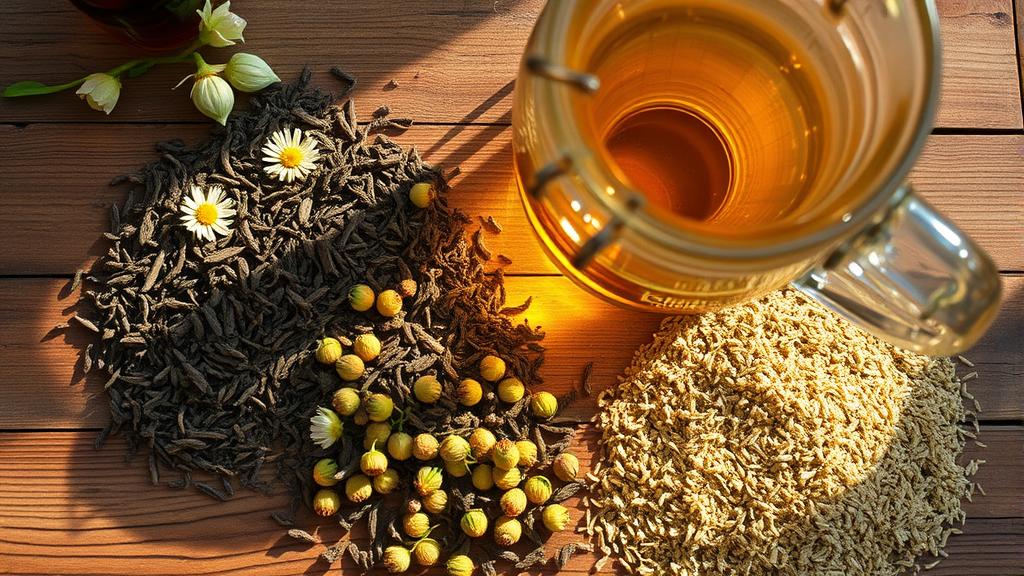
Whether you’re a beginner or an experienced brewer, tea-infused beer is worth your attention. I’ll walk you through what works, what doesn’t, and what I’ve learned experimenting with everything from English breakfast tea to fragrant oolong.
Choosing Your Tea: Flavour, Body, and Technique
The first rule of tea brewing is simple: your tea choice dictates everything. Different styles bring entirely different character to beer.
Black teas—Earl Grey, English Breakfast, Assam—are your workhorses. They’re bold, malty, and robust enough to survive fermentation. Earl Grey brings bergamot citrus notes that play beautifully against pale ales or lighter lagers. I’ve had the best results starting with clean pale malt and letting the tea take centre stage. Quality matters here—higher-quality loose-leaf suppliers give you fresher, more vibrant tea compounds.
Green teas are trickier. Matcha, sencha, and jasmine bring delicate florals that can get steamrolled by aggressive fermentation. The trick is adding them late—after the boil or during conditioning—rather than throwing them into the wort. Herbal infusions pair remarkably well with lower-alcohol brewing, which brings us to session beers where subtlety matters.
Oolong sits somewhere in the middle: more robust than green tea, less assertive than black tea. It carries stone fruit and floral notes that complement dry-hopping beautifully. If you’re starting out, oolong is where I’d begin.
And then there’s something we don’t talk about enough: British tea brands. Yorkshire Tea, PG Tips, Twinings—these aren’t fancy, but they’re consistent, and consistency is what lets you dial in recipes. Use loose leaf when you can, but don’t feel ashamed using decent tea bags. Your beer will thank you for the focus on flavour over gatekeeping.
Equipment and Brew Day Setup
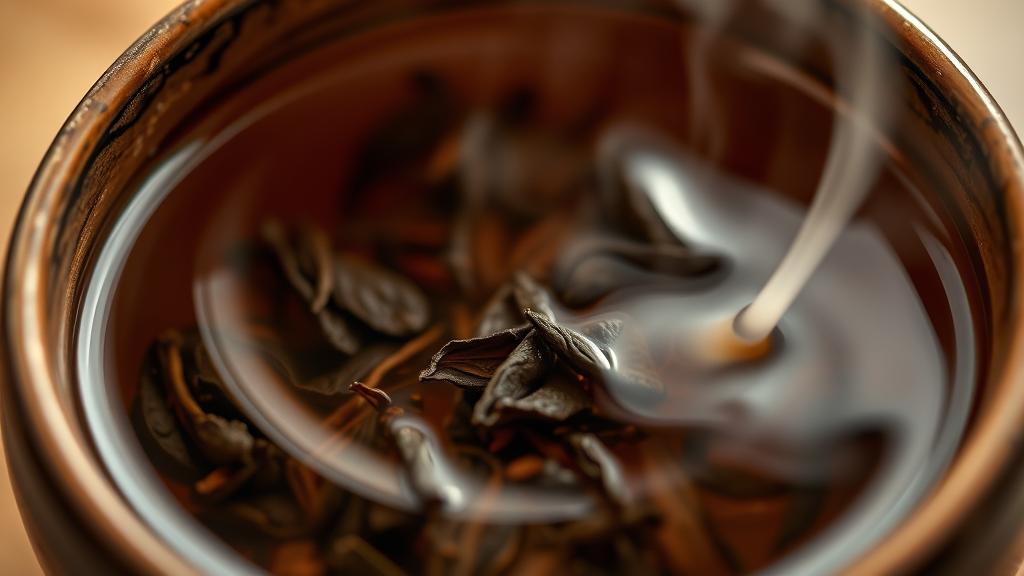
Tea-infused beer doesn’t require anything you don’t already have. Your standard homebrew kit—kettle, fermenter, hydrometer, carboy—handles everything. But there are a few small decisions that matter.
First: water quality matters more here than usual. Tea is sensitive to water chemistry. If you’re using heavily chlorinated tap water, a simple carbon filter makes a visible difference. I’ve noticed that softer water (lower mineral content) tends to extract cleaner, brighter tea flavours, while harder water can muffle the delicate notes.
Second: you’ll want a fine mesh or small-hole strainer for tea removal. Whether you’re steeping loose leaf or adding concentrated tea later, you don’t want tea particles floating around your fermenter. I prefer a cotton muslin bag that can be easily lifted out and squeezed gently.
Third: cleanliness is non-negotiable. Even more so in lower-gravity brews, where off-flavours and infection risk are magnified. Tea is tannic—naturally antimicrobial to a point, but don’t rely on that. Sanitise everything as you normally would. For technical background, BJCP style guidelines offer excellent detail on how tannins affect flavour stability.
Step-by-Step Tea Brewing Process
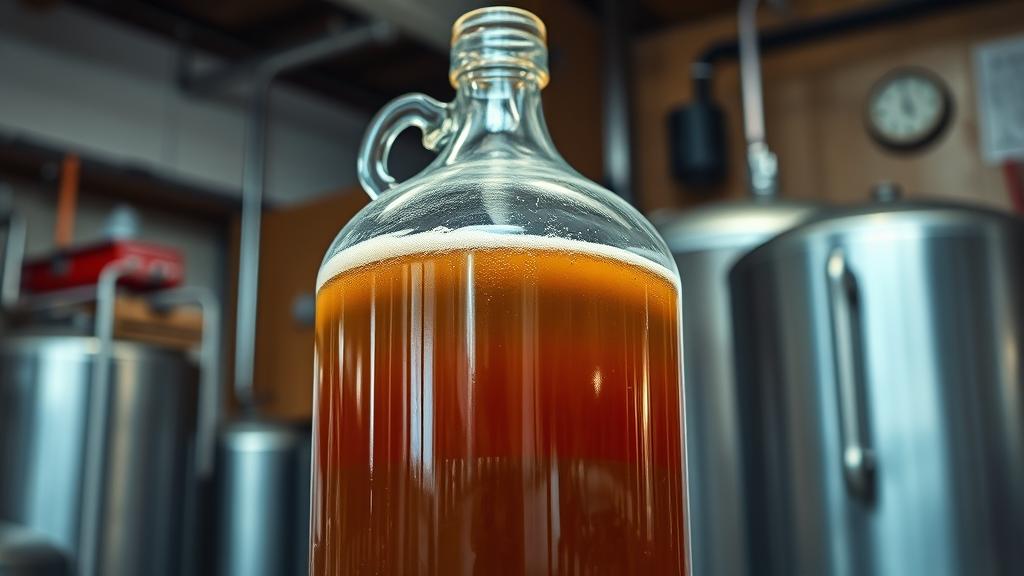
The Basic Method (Best for Most Brewers):
- Brew your base beer normally up to and including the boil. Create a neutral foundation—something that won’t fight the tea. A pale malt, bitter-light body (OG 1.040–1.055 / ~4–5.5% ABV) works brilliantly.
- Prepare a strong tea concentrate. After your wort cools to around 65°C (150°F), prepare strong brewed tea in a separate pot. Use 15–25g (0.5–0.9oz) of loose leaf or 4–6 quality tea bags per 500ml (18fl oz) of hot water. Let it steep for 5–7 minutes.
- Strain and cool the tea. Lift out the leaves or bags, strain through fine mesh, and let the tea cool to room temperature. You don’t want to pitch yeast into hot tea concentrate.
- Add tea to wort at pitching time or during early fermentation. Some brewers add the cooled tea directly before pitching yeast (more extraction, bolder character). Others add it 24–48 hours into fermentation (more subtle, less tannic). Both work—choose based on how prominent you want the tea flavour.
- Ferment normally. No special temperature control needed. Let your yeast do its job. The tea will integrate gradually.
- Condition and taste. Bottle or keg as usual. Many tea-infused beers benefit from 2–3 weeks of conditioning to let flavours fully marry. Taste at one week and again at three weeks.
Advanced Method (Later Addition for Subtlety):
If you want delicate tea notes that don’t fade, treat tea like a dry hop. Add strong tea concentrate during secondary fermentation (around day 5–7) or during the last few days of conditioning. This gives you brighter, fresher character because the flavours haven’t been boiled away. It’s riskier because you’re introducing liquid during fermentation, but the payoff is worth it if you execute carefully.
Fermentation and Conditioning: What to Expect
Tea brings tannins to the party, and they behave differently in beer than in wine. Initially, your fermentation might look normal. But around day 3–5, the beer takes on a slightly astringent, almost dry quality. This is the tea’s tannin structure asserting itself. Don’t panic—this is wonderful because it creates complexity that pure malt or hops can’t deliver.
As conditioning continues, those sharp tannins soften and integrate. What felt harsh or overly “tea-like” at mid-fermentation becomes part of the beer’s body and finish. By the time you open the first bottle, the tea flavour has evolved into something much more sophisticated.
Temperature matters too. Cooler conditioning (12–15°C / 53–59°F) preserves more delicate tea character, while warmer conditioning (18–20°C / 64–68°F) lets the beer become rounder and more integrated. Neither is wrong—it depends on the effect you’re going for.
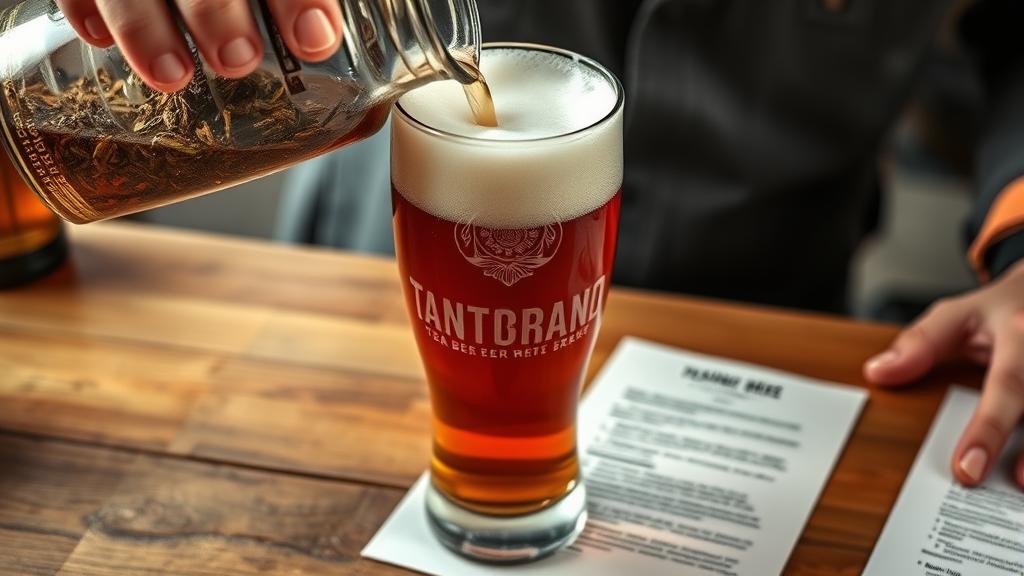
My Honest Tasting Notes: Earl Grey Pale Ale
The first tea beer I actually got right was an Earl Grey pale ale, brewed with simple pale malt, light bitterness (25 IBUs from Goldings, a British hop), and a hefty dose of bergamot tea added at pitching.
Appearance: Clear golden-amber, maybe a shade deeper than a standard pale ale thanks to the tea’s colour. Pours with a dense, creamy head that sticks around.
Aroma: The first thing you notice is the bergamot—bright, citrusy, almost candied. But it’s not overwhelming. There’s underlying grain sweetness from the pale malt and subtle spice from the Goldings hops. It smells like a proper beer that happens to have tea in it.
Flavour and Mouthfeel: The bergamot carries through on the palate without dominating. The tea’s tannin structure creates a drying finish that makes you want another sip. The body is medium, slightly crisp—the tannins preventing it from feeling too rich. Bitterness is present but restrained. It finishes clean, with a lingering bergamot note.
The Verdict: This beer works because the tea flavour respects the beer underneath. It’s not a novelty—it’s a genuinely complementary addition. I’ve served this to non-brewers who had no idea tea was involved, and they kept coming back. That’s the test.
Common Mistakes and How to Avoid Them
Using brewed tea straight from a cup. A cup of tea that’s nice to drink is nowhere near concentrated enough for brewing. You’ll end up with barely-perceptible tea disappearing into the beer. Brew your tea stronger than you’d ever drink it.
Oversweetening the base beer. If your malt bill is too sweet or rich, the tea’s delicate character gets buried. Keep the base beer slightly drier and lighter than you might normally brew.
Adding tea too late in the boil. If you’re adding tea during the boil, add it in the last 5 minutes. Longer boil times oxidise the delicate floral compounds and flatten the flavour. Better yet, add after the boil entirely.
Forgetting about tannin extraction. Long steep times extract more tannins, which can make the final beer feel overly astringent. Keep steep times between 5–10 minutes. More isn’t always better.
Not accounting for fermentation variables. Tea-infused beers are slightly more sensitive to temperature fluctuations and yeast health than straight malt-and-hop beers. Keep your fermentation temperature stable and use healthy, viable yeast.
Variations and Next-Level Experiments
Chai-Spiced Brewing: Combine black tea with a small amount of warming spice—cardamom, cinnamon, clove. These pair beautifully with darker malts and create beers that feel almost seasonal.
Green Tea & Citrus: Pair delicate green tea with a light base beer and bright late-addition hops (like Citra or Mosaic). The result feels like a sophisticated iced tea with a subtle hop character.
Oolong Sour: Wild fermentation and sour techniques pair surprisingly well with oolong’s stone fruit notes. The tartness cuts through the tea’s body beautifully.
Session-Strength Earl Grey (3.5% ABV): A lower-gravity version becomes even more food-friendly. The reduced alcohol lets the tea character shine without the warming notes of a stronger beer.
Why This Matters for British Homebrewing in 2026
We’re at an interesting inflection point. For years, homebrewing in the UK looked a certain way: bitter, malty, hop-forward. There’s nothing wrong with that tradition. But the consumer landscape is shifting. People want flavour experiences, not just alcohol delivery vehicles. They want brewing that respects ingredients and process, but they’re also open to unexpected combinations.
Tea-infused beer sits right at that intersection. It’s innovative without being gimmicky. It’s rooted in both brewing and beverage tradition. And honestly, it’s just fun to experiment with. You’re not trying to out-bitter the commercial breweries or out-hop them. You’re exploring something genuinely different.
For beginners, this is a brilliant stepping stone. You get to practice solid brewing fundamentals while adding a clear, identifiable ingredient that teaches you how different flavour compounds behave in fermentation. For experienced brewers, it’s a playground for subtle technique and recipe refinement.
Conclusion: Brewing Beyond the Expected
I came to tea-infused beer skeptically. It sounded gimmicky. But after my first successful batch, I understood: this is what the future of homebrewing looks like. Not abandoning tradition, but expanding it. Not choosing between purity and innovation, but synthesising both.
Tea brings sophistication, complexity, and approachability to beer in ways that are genuinely hard to achieve through other means. It’s versatile enough to work in pale ales, dark beers, sours, and session-strength brews. It’s forgiving enough for beginners but nuanced enough to keep experienced brewers engaged.
Start simple. Pick a tea you enjoy drinking. Build a clean, neutral base beer around it. Pay attention. You’ll learn something about fermentation, about flavour, and about yourself as a brewer. That’s always been the real point of homebrewing anyway—not just the finished beer, but the journey of understanding what creates good beer in the first place.
What tea will you brew with?
🍺 Join the Brotherhood — Monthly brews, stories & monk wisdom
Subscribe for exclusive recipes, early brew logs, and behind-the-scenes updates straight to your inbox.