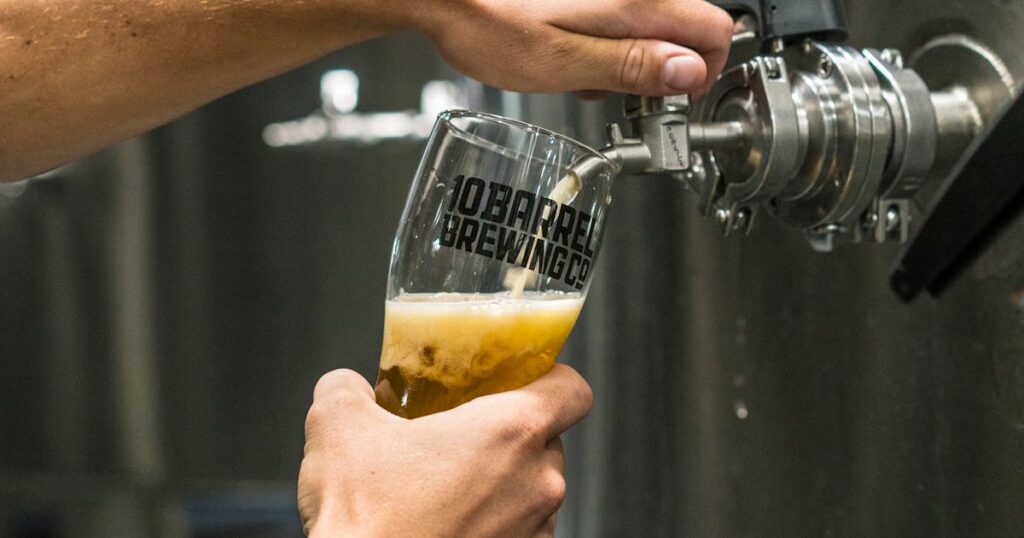
Here’s what nobody tells you about herbal beer: it’s not trendy kitchen chemistry. It’s a conversation between tradition and ingenuity, where a single sprig of rosemary can transform your brew from decent to absolutely captivating.
I learned this the hard way, standing in my garage at 2 AM, wondering if adding juniper berries to my English ale was genius or madness. (Spoiler: it was both.) In 2026, botanical brewing has become a serious trend, with homebrewers and craft breweries alike exploring herbs, spices, and foraged botanicals to create beers that tell a story. This isn’t about gimmicks. It’s about flavour.
Why Herbal Beer Matters in 2026
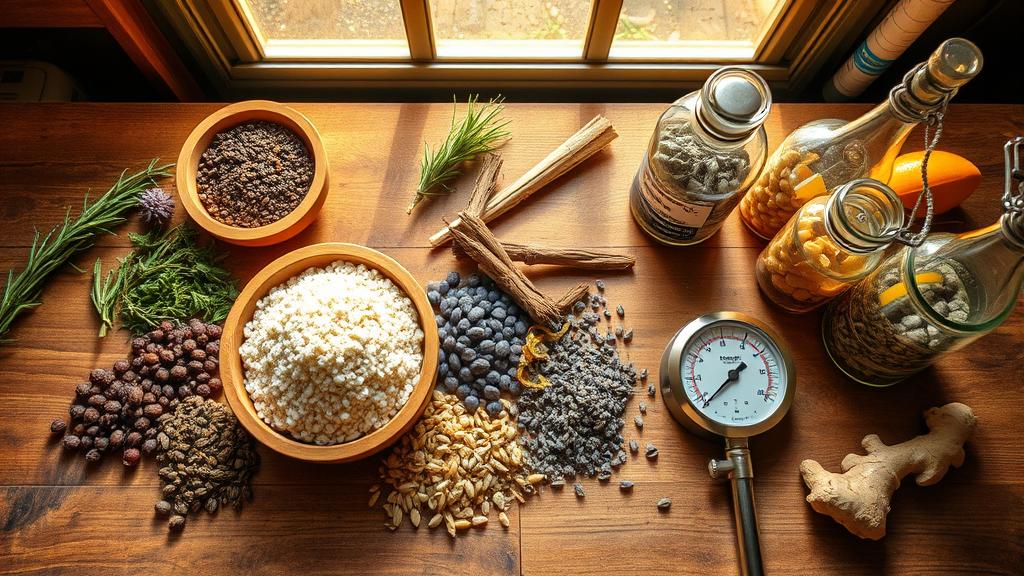
The beer world is experiencing a shift. After years of hoppy IPAs and experimental adjuncts, drinkers are rediscovering what historical brewers knew: herbs and spices aren’t just add-ons—they’re fundamental. Rosemary, juniper, coriander, ginger, hibiscus, and even foraged botanicals create complexity that hops alone can’t achieve.
For homebrewers, this is liberation. You’re no longer bound by the tyranny of “has craft beer always been like this?” You can brew something uniquely yours—rooted in tradition, but entirely your own interpretation. And the beauty is, the techniques are surprisingly accessible.
Herbal beer sits somewhere between gruit (medieval herb ales, pre-hops) and modern craft brewing. But unlike authentic gruits, which require obscure medieval recipes, you can start with simple ingredients from specialist brewing suppliers or even your garden.
Essential Ingredients & Where to Find Them
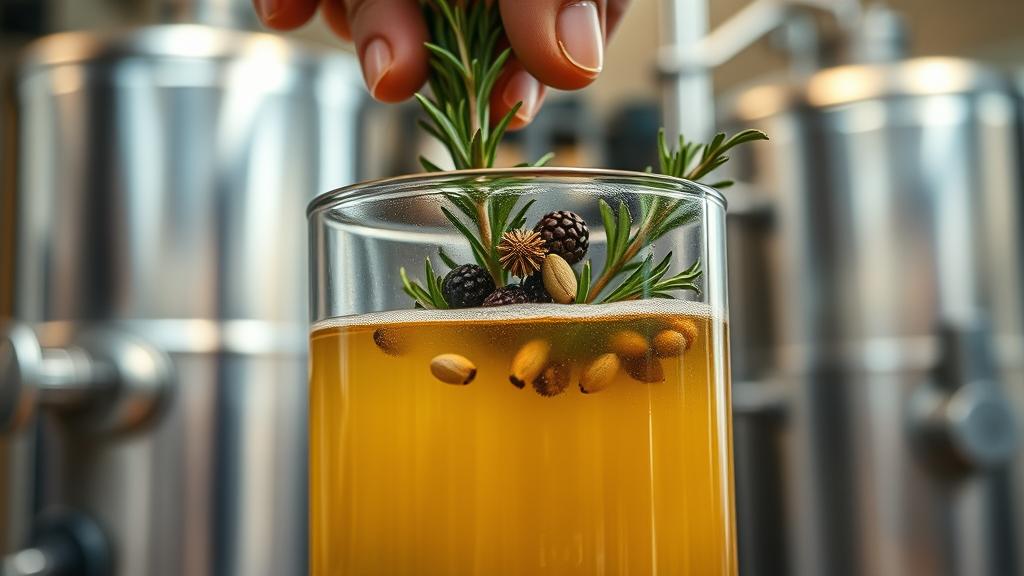
The foundation of herbal beer is balance. Too much of anything—even something beautiful—becomes medicinal. Here’s what I keep stocked:
- Juniper berries – Piney, dry finish. Start with 15–20g per 20L (5 gallons/UK gallon equiv.). Adds a gin-like earthiness without overwhelming.
- Coriander seed – Slightly citrusy warmth. 10–15g works beautifully in ales and sours alike.
- Fresh rosemary – Herbal, slightly bitter. Use sparingly (1–2 sprigs per batch). Fresh is better than dried; the aromatics are cleaner.
- Ginger root – Warming, peppery spice. Adds depth without heat. 10–15g of fresh root (grated) is plenty.
- Hibiscus flowers – Floral, slightly tart. 5–10g in secondary fermentation creates stunning colour and complexity.
- Cardamom pods – Warm, slightly sweet. Crush lightly. 3–5 pods per batch; it’s potent.
- Lavender buds – Use with caution. 2–3g maximum. Floral notes can tip into soap quickly.
- Dried citrus peel – Orange or lemon zest (homemade or from specialist suppliers) adds brightness. 10–15g.
Sourcing tip: Quality matters enormously. Buy from brewing specialists or high-quality herbal suppliers. Grocery-store “spices” often lose potency during storage. GetErbrewed and BrewUK stock specifically prepared brewing botanicals.
Your First Herbal Brew: Step-by-Step
I’m going to walk you through my “Rosemary & Juniper English Ale” recipe—a blueprint you can adapt endlessly.
Recipe: Rosemary & Juniper English Ale (20L / 5.3 US gallons)
- 3.5 kg (7.7 lbs) Pale malt
- 500g (1.1 lbs) Medium Crystal malt
- 250g (5.6 oz) Chocolate malt
- 30g (1.1 oz) East Kent Goldings hops (bittering, 60 min)
- 15g (0.5 oz) East Kent Goldings (30 min)
- 20g (0.7 oz) fresh rosemary sprigs
- 15g (0.5 oz) juniper berries (crushed)
- 10g (0.4 oz) coriander seed (crushed)
- 5g (0.2 oz) dried orange peel
- Wyeast 1098 British Ale yeast
- Water chemistry: balanced profile (aim for 100–150 ppm Sulphate)
Brew day (60 minutes mash, 90 min boil):
- Mash in at 65°C (149°F) for 60 minutes. Hit your gravity target. (OG should be around 1.050)
- Sparge and bring to boil.
- Bittering addition (60 min remaining): Add 30g East Kent Goldings.
- At 30 minutes remaining: Second hop addition (15g).
- At 10 minutes remaining: Add all dried botanicals except fresh rosemary. (The 20g fresh rosemary will go in later.)
- At 5 minutes remaining: Add fresh rosemary sprigs.
- Whirlpool and cool to 18°C (64°F).
- Pitch yeast and ferment at 19–20°C (66–68°F) for 10–14 days.
- Bottle conditioning: 2.2g CO₂ volumes (standard for ales).
Timing note: Dried botanicals need 10–15 minutes in boiling wort to extract properly. Fresh herbs are more volatile—add them in the final 5 minutes to preserve aroma. If you add them too early, you’ll lose those delicate top notes.
Fermentation & Conditioning: The Waiting Game
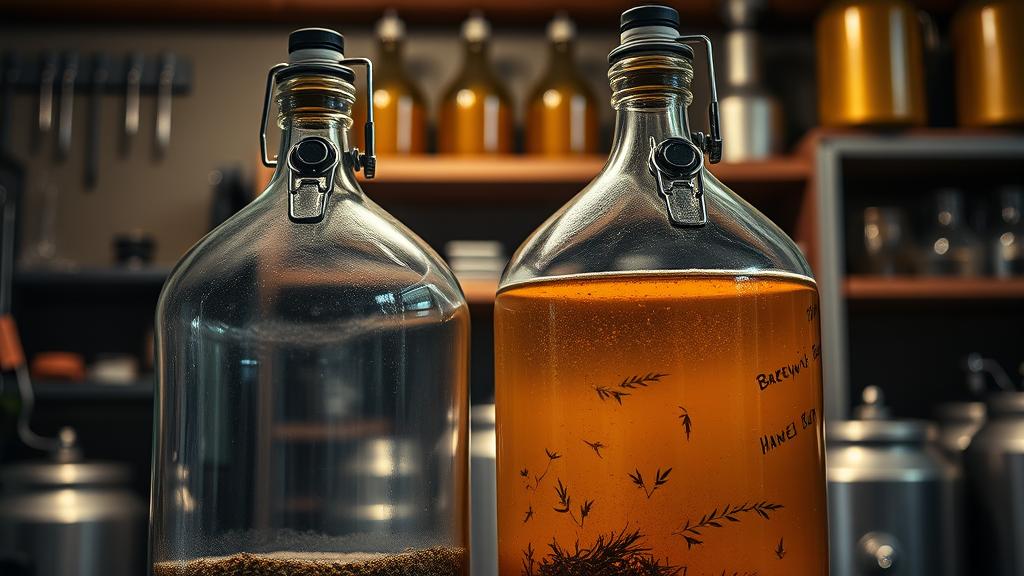
Here’s where many homebrewers stumble: they rush the conditioning. Herbal beer needs time for the botanicals to integrate—to stop being “interesting additions” and become part of the beer’s identity.
Primary fermentation typically finishes in 10–14 days (depending on yeast and temperature). But don’t bottle immediately. I always do a week in secondary on herbals. This allows:
- Flavour integration: Herbal notes settle and marry with the base beer.
- Clarity improvement: Botanicals drop out over time. Trust the process.
- Oxidation control: A secondary gives you control over oxygen exposure before packaging.
Temperature control is crucial. Ferment at 19–20°C (66–68°F) for clean ale character. Too warm (>21°C / 70°F) and you’ll amplify fruity esters; too cool and fermentation drags and stuck yeast become a problem.
Advanced technique: Cold-conditioning (lagering-style) at 10–12°C for 7–10 days after primary dramatically refines herbal beers, dropping harsh tannins and sharpening clarity. It’s worth the patience.
Tasting Notes & My Honest Verdict
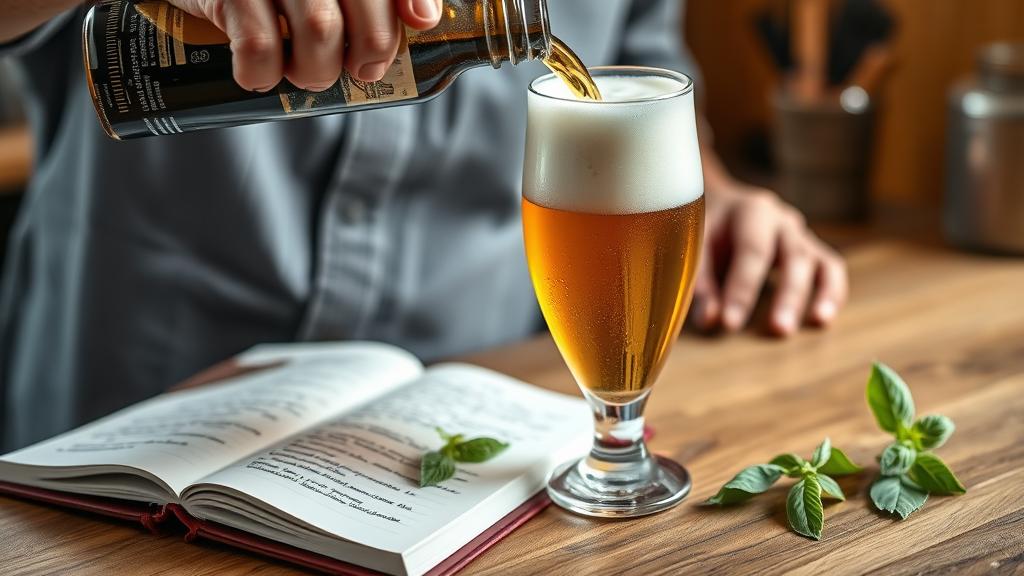
My first herbal ale? Honestly, it was weird at first pour. Too much rosemary punch—almost soapy in the aroma. But here’s the thing: I waited. After three weeks in the bottle, it transformed completely.
What I tasted:
- Aroma: Initial piney juniper and rosemary, backed by soft honey from the crystal malt. The orange peel adds a subtle citrus lift on the finish.
- Flavour: Bread-forward base (thanks to the pale + medium crystal), with herbaceous mid-palate. The juniper creates a dry, almost mineral finish that makes you want another sip.
- Mouthfeel: Medium body. Clean, refreshing—no astringency (which would be a mistake).
- Honesty check: If you over-botanical, you’ll get a medicinal, almost cough-syrup character. This one landed in the sweet spot: herbal-forward without being experimental-accident.
The key is balance. Your herbal additions should enhance the beer’s identity, not overwhelm it. Think of them as seasoning, not the main ingredient. A good herbal ale should first taste like beer, then surprise you with botanical complexity.
Pro Tips & Common Mistakes
Mistake #1: Adding botanicals at the wrong time. Dried botanicals go in the last 10–15 minutes of the boil. Fresh herbs in the final 5 minutes. Add them during the 45-minute mark and you’ll boil away all the good aromatics.
Mistake #2: Over-botanicalising. You’ve tasted medicinal herbal beer at some point. It tastes like cough syrup. This happens when you dump in too much. Start conservative—you can always tweak the next batch. You can’t un-do a batch.
Mistake #3: Using stale dried herbs. Those coriander seeds from your spice rack? Probably 3+ years old. Buy fresh from HomeBrewTalk’s vendor directory (verified UK sellers). Old spices taste dusty and flat.
Mistake #4: Skipping secondary fermentation. Rushing straight from primary to bottle means you’ll have harsh, grassy tannins from the botanicals. One extra week in secondary is insurance against that.
Pro tip: Keep detailed notes. Record the exact amount of each botanical, timing, fermentation temperature, everything. Your next herbal ale will be twice as good if you know what worked and what didn’t.
Variations & Next-Level Experiments
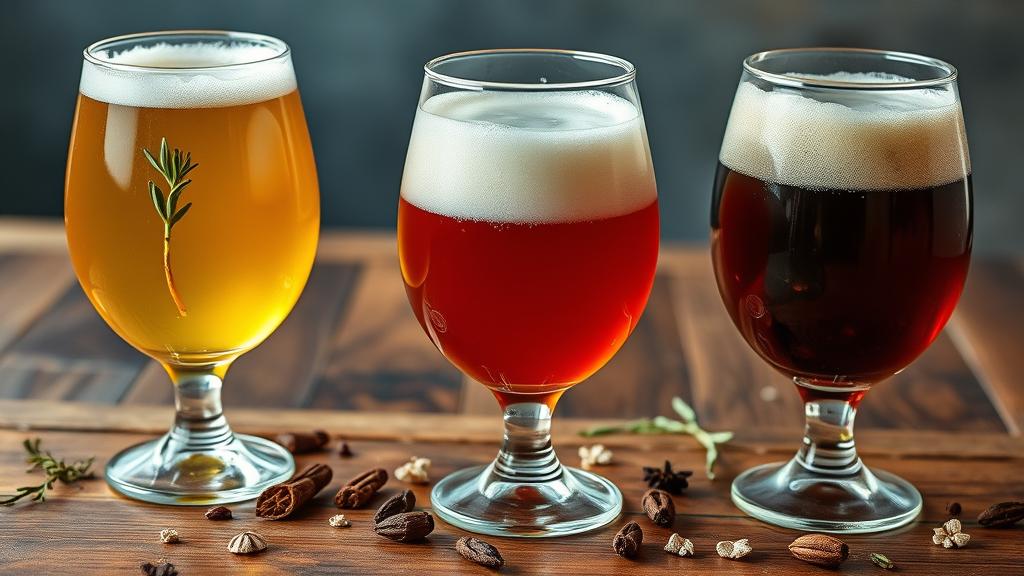
Once you’ve nailed the basics, the fun really starts.
Fruit + herb combinations: Hibiscus (5–10g in secondary) + ginger (10g fresh root) creates a gorgeous pink hue and tart-spicy profile. Pairs beautifully with a 1.055 OG pale ale.
Seasonal seasonals: Spring → fresh mint + lemon zest (5g each). Summer → lavender + chamomile (2g + 5g). Autumn → cardamom + cinnamon (4 pods + 1 stick, crushed). Winter → juniper + star anise + black pepper (20g + 2 pods + 5g).
Foraged botanicals: If you’re brave (and confident in plant ID), wild foraged herbs add character. Gruit ales traditionally used foraged herbs—yarrow, mugwort, marsh mallow. Start small. Foraged plants are potent and unpredictable. 5g of wild rosemary might hit differently than 5g of store-bought. Document everything.
Advanced: Herbal secondary fermentation. After primary, before bottling, add botanicals to secondary and let them slowly integrate over 2–3 weeks. The cooler temperature (if cold-conditioning) extracts more delicately and creates a silkier final product.
Style experimentation: Herbal beers work across styles. Pale ales are the obvious canvas, but try them in:
- Saisons (herbal + spicy yeast = magic)
- Sours (herbal + tart = incredibly complex)
- Stouts (cinnamon + cardamom + chocolate notes)
- Low-ABV sessionable ales (herbal complexity compensates for lower alcohol)
The best is when herbal notes amplify, rather than fight, the base beer’s character.
Conclusion: Your Herbal Brewing Journey
Herbal beer isn’t about reinventing the wheel. It’s about remembering that brewers have been adding botanicals for thousands of years. We got sidetracked by hops and industrial efficiency for a century. Now, we’re coming home.
There’s something deeply satisfying about knowing exactly what’s in your beer. Every sprig of rosemary, every juniper berry, every pinch of coriander came from a deliberate choice you made. The beer that results is unmistakably yours.
Start simple. Brew that rosemary and juniper ale. Take notes. Taste it honestly. Then iterate. In three brews, you’ll have a herbal ale that tastes like your style—nobody else’s.
The medieval monks who brewed gruit ales had a saying: “Balance the bitter with the warm, the sharp with the smooth, and trust your nose.” They were onto something.
🍺 Join the Brotherhood — Monthly brews, stories & monk wisdom
Subscribe for exclusive recipes, early brew logs, and behind-the-scenes updates straight to your inbox.