Why Märzen Matters in September
I’ve been brewing for eight years now, and one thing I’ve learned is that autumn demands a particular beer. Not just any beer—a Märzen. It’s a style that seems almost predestined for this time of year, born centuries ago in the Bavarian tradition of brewing in spring (März means “March” in German) and cellaring until autumn. Call it seasonality, call it nostalgia, but when September arrives, there’s no other beer I want to brew.
Märzen has seen a genuine renaissance in 2026. According to Brewer’s Friend trending data, Märzen and Festbier sit at the top of the most-brewed styles, and for good reason. This isn’t a fad—it’s a rediscovery of classic brewing heritage. Whether you’re chasing that authentic Bavarian beer hall vibe or simply want a beer that tastes like autumn itself, Märzen is the answer.
What makes Märzen so compelling? It’s a beer of balance and restraint. In an era of extreme IPAs, pastry stouts, and adjunct-heavy brews, Märzen reminds us that honest ingredients, clean fermentation, and patience create something truly special. And here’s the beautiful part: it’s not difficult to brew at home. In fact, it’s one of the most forgiving lagers you can attempt.

Understanding Märzen: Style, History & Brewing Tradition
Before we talk about brewing, let’s understand what makes Märzen distinct. According to the BJCP Beer Style Guidelines, a Märzen (also called Oktoberfest in international markets) sits squarely between a Vienna Lager and a Munich Helles. It’s golden to deep amber in colour, typically 5.8–6.3% ABV, and carries a distinctly malty, slightly sweet character with restrained noble hop bitterness (20–28 IBUs).
The history is where Märzen gets fascinating. Before refrigeration, Bavarian brewers couldn’t brew in summer—it was simply too warm, and infection rates skyrocketed. So they brewed their year’s supply in March (März), using deeper malts and higher gravity to ensure longevity. These beers were then stored in cool caves (often dug into hillsides) throughout the summer. By September, when the new harvest arrived and cellaring weather returned, these brews had aged beautifully, developing rounded flavours and a velvety mouthfeel.
This ancient necessity became tradition, and tradition became style. Today, Märzen represents one of beer’s most honest connections to land, season, and patience. It’s a reminder that great beer doesn’t need gimmicks—it needs time.
Ingredients & Equipment: Building Your Märzen
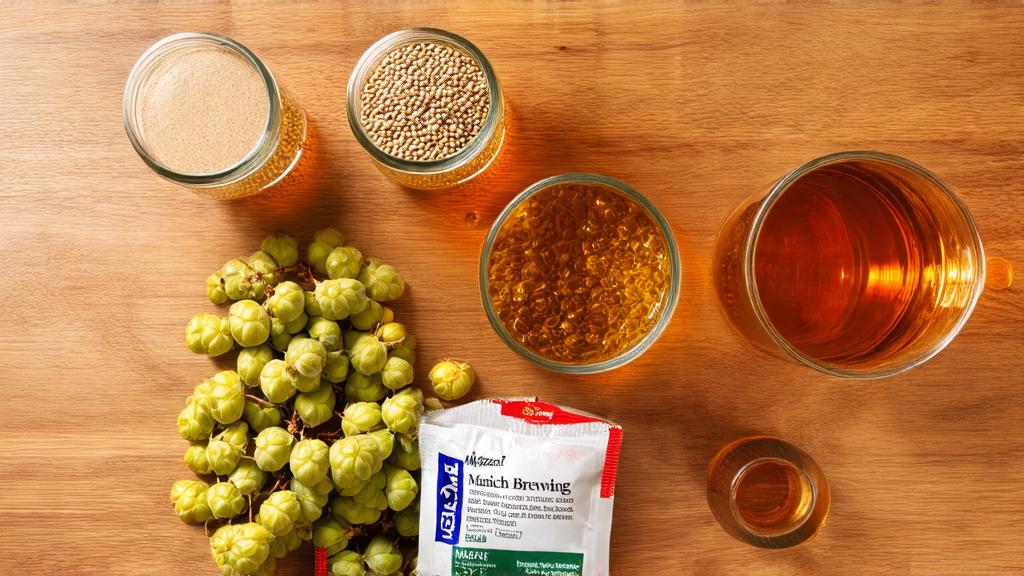
The beauty of Märzen is in its simplicity. You don’t need exotic hops or obscure yeasts. Classic ingredients work best here. Let me walk you through what you’ll need.
Malts (for a 20-litre / 5-gallon batch):
- 3.5 kg (7.7 lb) Munich Malt (10L)—the backbone, providing that warm, biscuity character
- 1.5 kg (3.3 lb) Vienna Malt—adds complexity and a subtle touch of caramel
- 500g (1.1 lb) Pale Ale Malt—rounds things out, adds fermentability
- 100g (3.5 oz) Melanoidin—just a touch for depth and subtle brown notes
Hops:
- 15g (0.5 oz) Hallertau or Tettnang at 60 minutes (bittering)
- 10g (0.35 oz) Hallertau or Tettnang at 15 minutes (flavour)
- 5g (0.18 oz) Hallertau or Tettnang at flame-out (aroma)
Yeast: This is critical. Use a proper lager yeast—WLP830 German Lager, Wyeast 2308 Munich Lager, or equivalent. Don’t cut corners here. Lager fermentation is where the magic happens, and substandard yeast leads to sluggish, stuck fermentations.
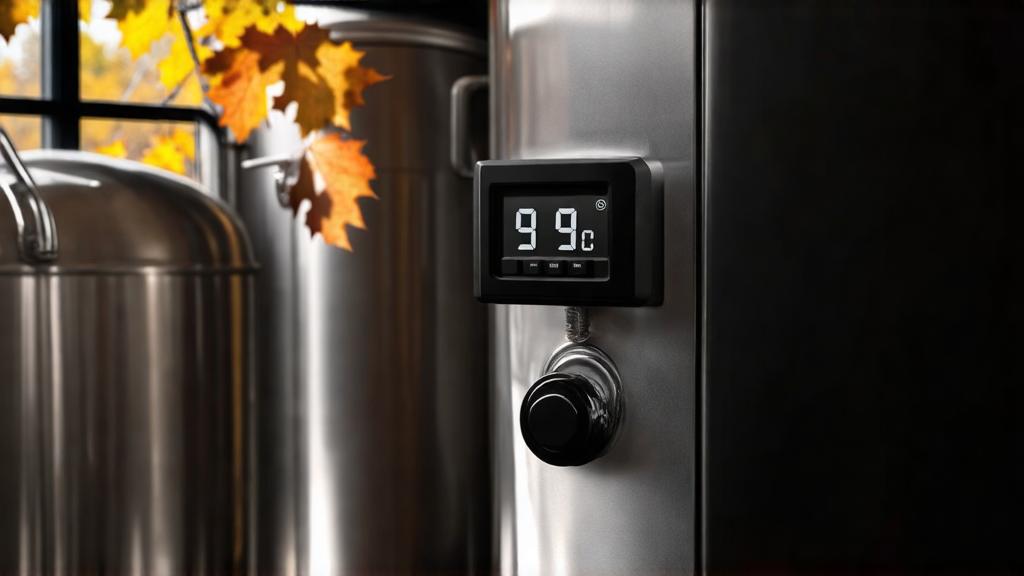
Equipment notes: You’ll need temperature control for lager fermentation. A dedicated fermentation fridge or temperature-controlled space is essential. Märzen demands crisp, clean lager fermentation at 48–52°F (9–11°C) for the main fermentation, followed by a slow warm-up phase (called a diacetyl rest).
I use a small second-hand chest freezer paired with an STC-1000 temperature controller—total investment around £80–100 (USD $100–125). It’s paid for itself a hundred times over in better lagers.
Brew Day: Step-by-Step
Right, let’s brew. Here’s how I approach a Märzen brew day:
- Mash in: Heat 16 litres (4.2 gal) of water to 67°C (152°F). Crush your grains and mix them in, aiming for a mash temperature of 65–66°C (149–151°F). This is your conversion rest. Hold for 60 minutes, stirring occasionally. You’re converting starches to fermentable sugars and unfermentable bodies that’ll give Märzen its characteristic fullness.
- Sparge: Raise the mash to 76°C (169°F) for a 10-minute mash-out. This stabilises the grain bed. Slowly sparge with 76°C (169°F) water until you’ve collected roughly 25 litres (6.6 gal) of wort. You’re aiming for an original gravity around 1.054–1.058.
- Boil: Bring to a rolling boil. Add your bittering hops at 60 minutes. Add flavour hops at 15 minutes and aroma hops at flame-out. Boil for 90 minutes total to ensure good break formation (clarity) and proper isomerisation of alpha acids.
- Chill: Cool to 10°C (50°F) as quickly as possible. Use an immersion chiller or plate chiller. This is crucial—rapid chilling prevents off-flavours and helps produce a tight cold break.
- Pitch: Aerate well (oxygen is essential for yeast health in lager fermentations). Pitch a large starter—at least 200 billion cells for clean, reliable fermentation. Underpitching lagers is a common mistake.
I typically use a 2-litre (0.5 gal) starter prepared 24 hours in advance on a stir plate. It makes all the difference.

Fermentation & Conditioning: Patience as Ingredient
This is where Märzen separates itself from other beers. Most ales ferment and finish in two weeks. Märzen is a slow burn.
Phase 1: Primary fermentation (10–14 days)
Keep your fermentation chamber at 50°F (10°C). Lager yeast works slowly—that’s by design. This cold, steady fermentation produces clean, crisp character with virtually no fruity esters or phenolic notes. It’s the opposite of ale fermentation and requires patience.
After roughly 10–12 days, you’ll reach a final gravity around 1.012–1.014 (depending on your yeast and mash thickness). At this point, slowly raise the temperature to 55–58°F (13–14°C) for a 2–3 day “diacetyl rest”. This allows yeast to reabsorb and break down diacetyl (which would make your beer taste like butterscotch). Skip this step at your peril—I’ve seen it done, and the results are… unpleasant.
Phase 2: Lagering (6–8 weeks minimum)
After the diacetyl rest, chill back down to 2–4°C (35–39°F) and let it sit. This is the authentic part—the thing that separates Märzen from a quicker lager. Lagering allows flavours to meld, hop bitterness to soften slightly, and the beer to develop that signature rounded, refined character.
I typically lager mine for 8 weeks. Some brewers go longer. The traditional Bavarian approach is 12 weeks minimum. The longer you lager, the more refined and polished the final beer becomes.
Tasting Notes: The Märzen Experience
After all that patience, what do you get?
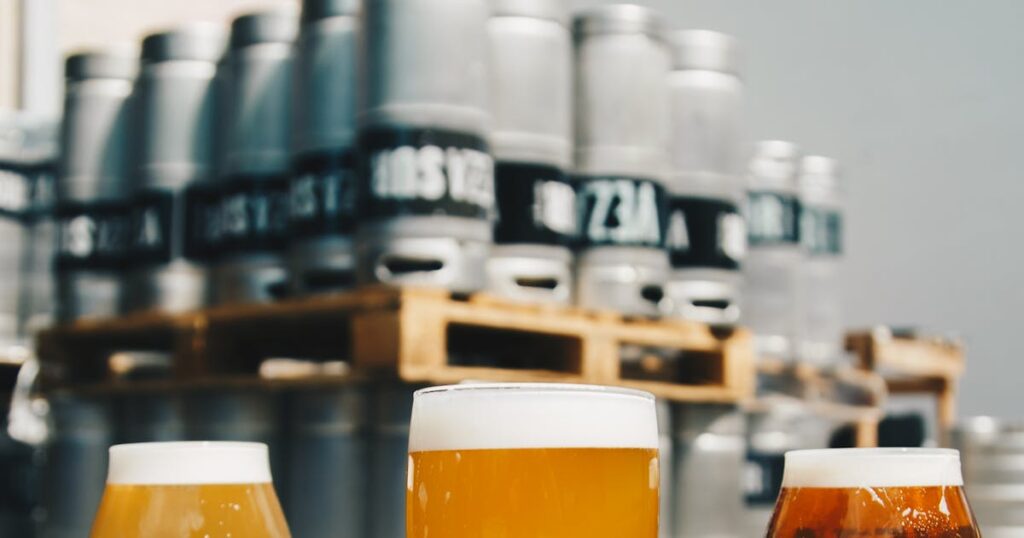
A properly brewed Märzen is like autumn in a glass. The colour is deep gold to light amber—held to the light, it has an almost honeyed glow. The head is thick and creamy, the kind that sticks around for sips rather than vanishing.
The aroma is subtle but inviting. There’s warm bread, a touch of caramel, a whisper of honey. Noble hops contribute a soft, slightly herbal/spicy note in the background. Nothing jumps out—it’s refined, understated.
The flavour follows suit. Malt leads, with that distinctive Munich character—biscuity, slightly sweet but not cloying. There’s a soft caramel note from the Vienna malt. The finish is dry but not austere, with gentle noble hop bitterness (24–28 IBUs) asserting itself just enough to prevent sweetness from taking over. The mouthfeel is substantial but clean, full-bodied without heaviness.
Paired with a proper lager fermentation and extended lagering, it’s remarkably smooth—almost silky. This is what separates a good Märzen from a great one. The time investment pays dividends.

Common Mistakes & Pro Tips
I’ve brewed Märzen maybe 15 times now, and I’ve made most of the mistakes worth making. Let me save you some heartache:
❌ Mistake 1: Underpitching yeast
Lagers need pitch rates around 300 million cells per millilitre of wort. Underpitch, and your yeast struggles to finish cleanly. You’ll get stuck fermentations, off-flavours, and a beer that tastes like something went wrong. It did—you didn’t give your yeast enough help.
❌ Mistake 2: Warm fermentation temperatures
I once tried to lager at 55°F (13°C) thinking I’d speed things up. I got fruity esters, phenolic notes, and a beer that tasted like I’d brewed an ale. Keep it cold. Use a fridge. No exceptions.
❌ Mistake 3: Skipping the diacetyl rest
I did this once. The beer had a strong butterscotch flavour for weeks. It eventually faded as the beer aged, but it was unnecessary suffering. Do the diacetyl rest. It’s not optional.
✅ Pro tip 1: Use distilled or filtered water
Märzen is a clean beer style. Chlorine or high mineral content in your water can introduce off-flavours or harsh phenolics. I use filtered water religiously.
✅ Pro tip 2: Rack to secondary for the lagering phase
Some brewers lager on the trub (the settled yeast cake). I rack to a secondary carboy. It keeps the beer off dead yeast and decaying hop material, resulting in cleaner flavour. It’s extra work, but the difference is noticeable.
✅ Pro tip 3: Cold crash before packaging
After lagering, I drop the temperature to -2°C (28°F) for 48 hours before packaging. This causes yeast and proteins to drop out of suspension completely, resulting in crystal clarity. It’s worth the patience.
Variations & Next Steps
Once you’ve nailed a classic Märzen, there’s room to experiment while staying true to the style. Some ideas:
- Festbier variant: Use a higher proportion of Munich malt (70–80%) and drop the ABV to 5.3–5.7%. It’s lighter, more delicate, perfect for longer drinking sessions.
- Vienna Lager: Boost the Vienna malt to 50%, reduce Munich to 30%, and add a touch of medium crystal malt. Different colour, subtly different character, same fermentation approach.
- Smoked Märzen: Replace 10–15% of the Munich malt with Beechwood Smoked Malt. Sounds mad, works brilliantly. Smoke and autumn spices play beautifully together.
Or, keep it simple. Märzen doesn’t demand innovation—it demands respect. Brew it true, and you’ll understand why brewers have been making this beer for 400+ years.
Conclusion: Why Märzen Matters
Brewing Märzen changed how I think about beer. It taught me that patience isn’t a limitation—it’s an advantage. That cold fermentation isn’t a compromise—it’s the point. That a beer can be powerful and simple, traditional and alive, all at once.
In September 2026, as temperatures finally drop and autumn makes its appearance, there’s no better time to start your Märzen. You’ll be sipping it by November, sharing it through the winter, and wondering why you didn’t start sooner.
The craft beer world is moving faster every year. IPAs are doubling in ABV, adjuncts are multiplying, styles are hybridising. There’s room for all of it. But there’s also deep wisdom in stepping back and brewing something that’s been perfected over centuries. Märzen is that beer. It’s a brewery lesson wrapped in malt and tradition, and it’s waiting for you to discover it.
Start planning your brew day. Get your lager yeast pitched. And get ready for autumn’s greatest beer.
🍺 Join the Brotherhood — Monthly brews, stories & monk wisdom
Subscribe for exclusive recipes, early brew logs, and behind-the-scenes updates straight to your inbox.
Further Reading: BJCP Märzen | Brewer’s Friend