Why Lager is Having Its Moment in 2026
For the better part of a decade, lager had an image problem in the craft beer world. It was what people drank before they “got into beer.” It was macro, boring, and something serious homebrewers claimed to have moved past in favour of hazy IPAs, pastry stouts, and double-dry-hopped everything. Then, quietly, without much fanfare, lager began its comeback—and 2026 is where it’s hitting its stride.
The rebirth of lager isn’t hype. It’s a genuinely refreshing shift driven by palate fatigue, brewer pride, and drinkers who are simply tired. Tired of extreme beers. Tired of spending £8 on a can that knocks them sideways. Tired of beers that taste more like dessert than beer. What they want—what we’re all wanting—is something clean, crisp, and honest. That’s lager. And unlike the marketing-driven trends that come and go, this one feels real because it’s grounded in something fundamental: the satisfaction of a well-made beer.
What Makes Lager Worth Brewing at Home
Lager is a flex for homebrewers. There’s nowhere to hide in a well-made pilsner or Czech-style pale lager. If your temperature control isn’t dialled in, if your fermentation hygiene isn’t tight, if your water chemistry is off—the beer shows it. That’s what makes lager so satisfying to brew: when it works, when that clear, crisp profile emerges, you know you’ve nailed it. You haven’t hidden flaws under fruit esters or hop aromatics. You’ve built something genuinely excellent.
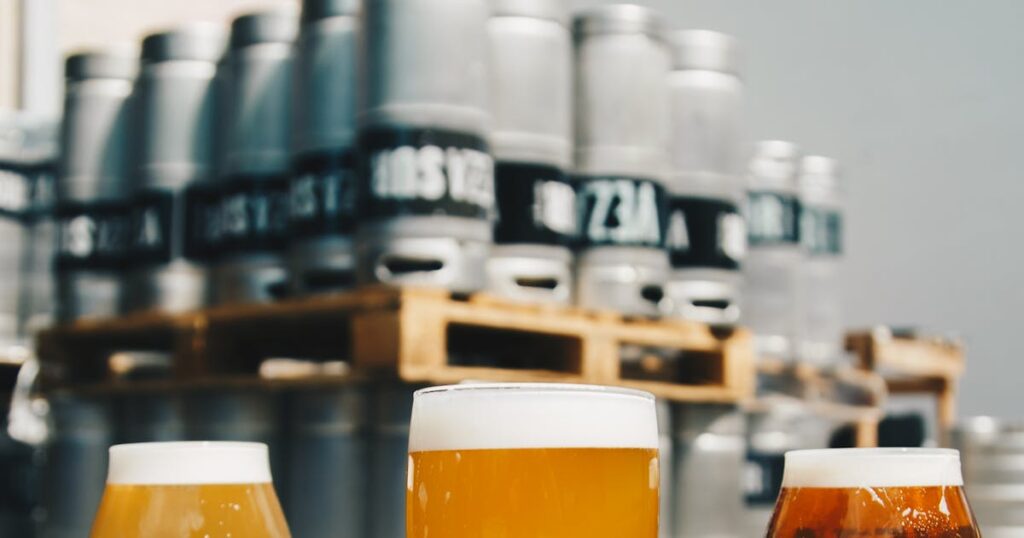
The appeal for drinkers is equally straightforward: you can order a well-made lager as your first pint and happily stick with it all afternoon. It pairs with almost any food—fish, chips, burgers, pizza, curry. It suits beer gardens, football nights, city-centre bars and quiet neighbourhood taprooms equally well. In a world of extreme beers, lager feels like a reset. A reminder that simplicity, when executed brilliantly, is its own form of complexity.
From a homebrewing perspective, this trend opens a door. For too long, lager has been sidelined by home brewers who felt it demanded too much technical knowledge or equipment. The truth? You don’t need a chest freezer or a fancy fermentation chamber to brew a respectable lager, though they certainly help. What you need is patience, discipline, and an understanding of yeast.
Lager Yeast: The Heart of Clean Brewing
The difference between lager and ale comes down to yeast. Lager yeasts (Saccharomyces pastorianus) ferment cold, typically between 8–14°C (46–57°F), and work slowly and methodically. This slow fermentation is precisely why lagers turn out so clean: fewer esters, fewer off-flavours, a crisper finish.
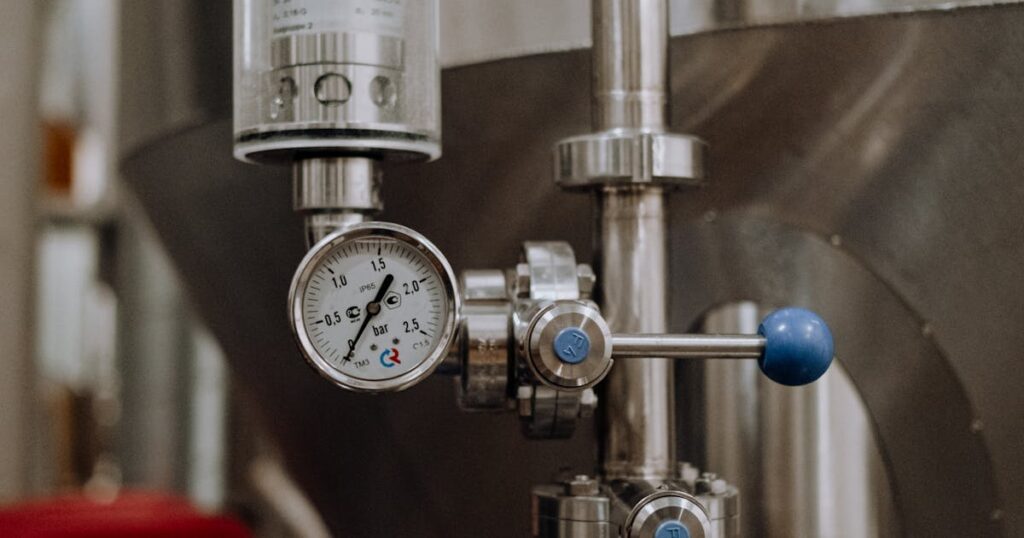
For homebrewers, this means temperature control is your priority. If you brew lagers at room temperature (around 20°C / 68°F), the yeast gets stressed, and your beer will taste like an ale—fruity, a bit muddled. Not disastrous, but you’ve missed the point.
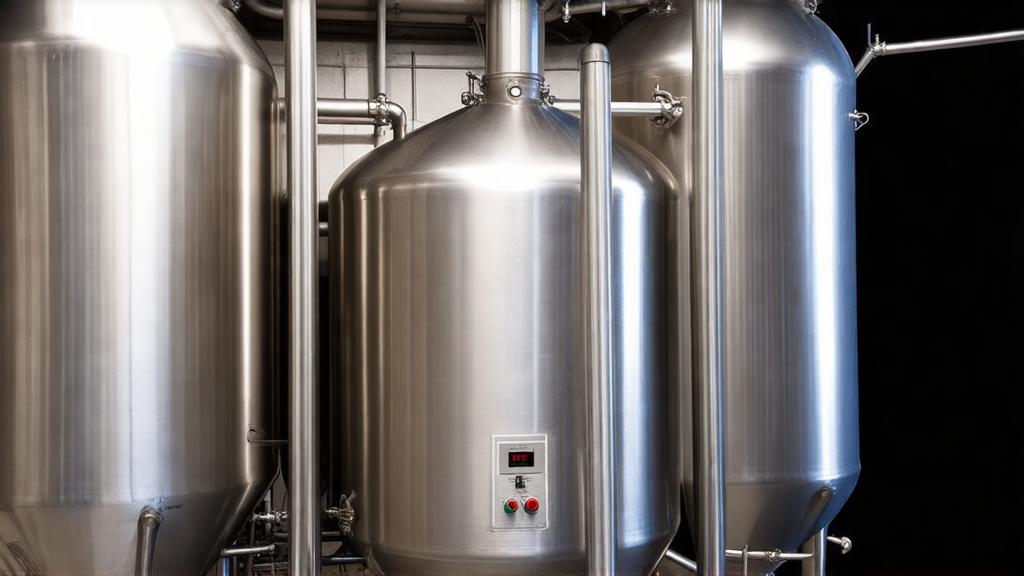
The good news: modern homebrewing tech has made temperature control more accessible. A simple fermentation fridge, a temperature controller, and you’re in business. Alternatively, if you’re brewing in winter in the UK, your garage or shed might already be at the right temperature—one of the hidden perks of English weather.
Building Your First Lager Recipe: Pilsner
Start with a Czech pilsner or German-style pilsner. These are the gold standard, and once you’ve brewed one successfully, you’ve learned the fundamentals that apply to every lager. For detailed style guidelines, check the BJCP (Beer Judge Certification Program) style definitions.
A basic 19-litre (5-gallon) pilsner recipe:
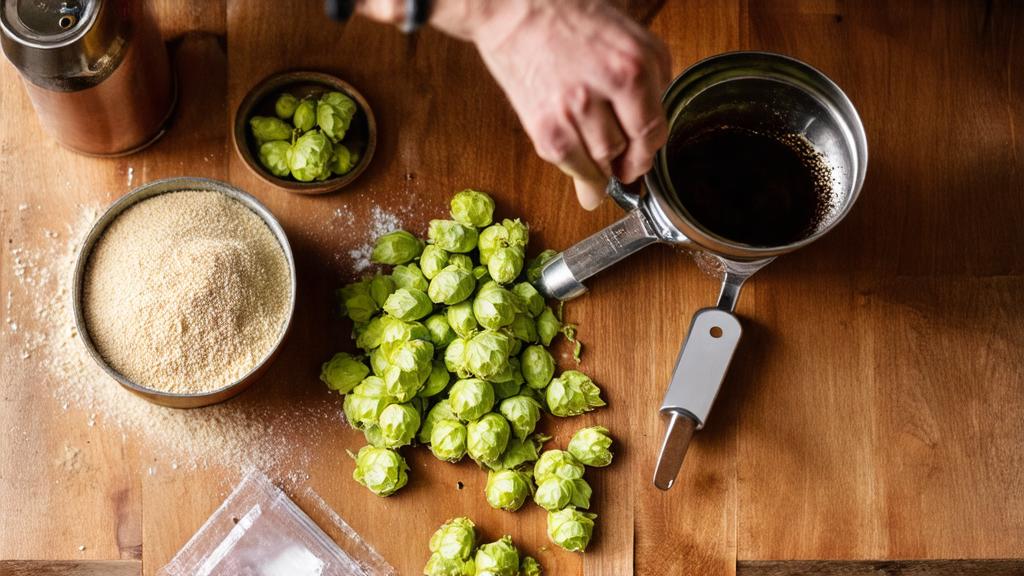
- Malt: 4 kg (8.8 lbs) Pilsner malt. This is the foundation—clean, slightly sweet, with minimal character. This is where lager shines: you’re tasting the malt and yeast work, not hiding behind caramel or roast.
- Hops: 20g Czech Saaz at 60 minutes (bittering). 10g at 15 minutes (aroma). Saaz is traditional for a reason—it’s herbal, slightly spicy, and elegant. If you can’t find Saaz, Hallertau works beautifully too. Source from trusted suppliers like The Malt Miller or Geterbrewed for quality UK delivery.
- Yeast: A proper lager strain. I recommend Wyeast 2124 Bohemian Lager or White Labs WLP840 American Lager. Pitch at about 100 billion cells (a full smack-pack or liquid culture). Don’t cheap out here.
- Water: Soft, neutral water is ideal. If your tap water is very hard, consider a simple filtration or let it sit for 24 hours to let minerals settle.
The brew day: Mash at 65°C (149°F) for 60 minutes to get a dry, crisp beer. Boil 90 minutes (not 60). Single hop additions work best here—no need to layer complexity. Chill to 10°C (50°F) before pitching yeast.
Fermentation and Conditioning: Where the Magic Happens
Pitch your yeast into wort that’s between 8–12°C (46–54°F). You’ll see very little activity for the first 24–48 hours. Don’t panic. That’s lager yeast doing its thing—slow, methodical, thorough.
Maintain temperature between 10–12°C (50–54°F) for the first 10 days. This is your primary fermentation. The yeast is working hard, just quietly. After 10 days, you can warm it up to 14°C (57°F) for a couple of days—a technique called a “diacetyl rest” that helps clean up some potential buttery flavours. Then drop it back down.
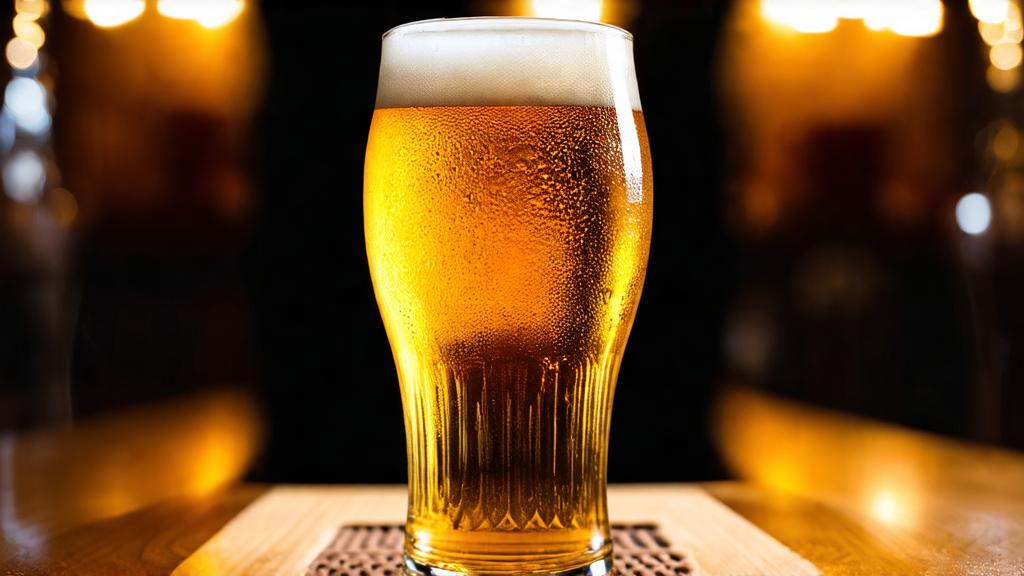
After 14–16 days of primary fermentation, your gravity should be stable. Now comes the patience part: conditioning. This is where lagers separate themselves from ales. Drop the temperature to 2–4°C (35–39°F) and let it sit for 2–4 weeks. This cold conditioning, called “lagering,” allows the yeast to settle out, flavours to mellow, and rough edges to smooth away. This is not optional. This is where lager becomes lager.
During conditioning, you’ll see the yeast gradually drop to the bottom, and the beer will become increasingly clear. This is normal and beautiful. Patience here is not wasted time; it’s the craft itself.
Bottling, Carbonation, and the Final Taste
After conditioning, you’re ready to package. For bottles, you have two options:
Option 1: Bottle conditioning. Add a small amount of glucose or dextrose (about 2.5g per 500ml bottle) before capping. The residual yeast will carbonate the beer slowly over 2–3 weeks. This works beautifully for lagers and gives you that authentic “natural carbonation” finish.
Option 2: Counter-pressure bottling or forced carbonation. If you’ve got a kegging setup, force carbonating is faster and more consistent. Carbonate to 2.2–2.5 volumes of CO₂ for lagers—slightly lower than ales—to keep that crisp, refined feel.
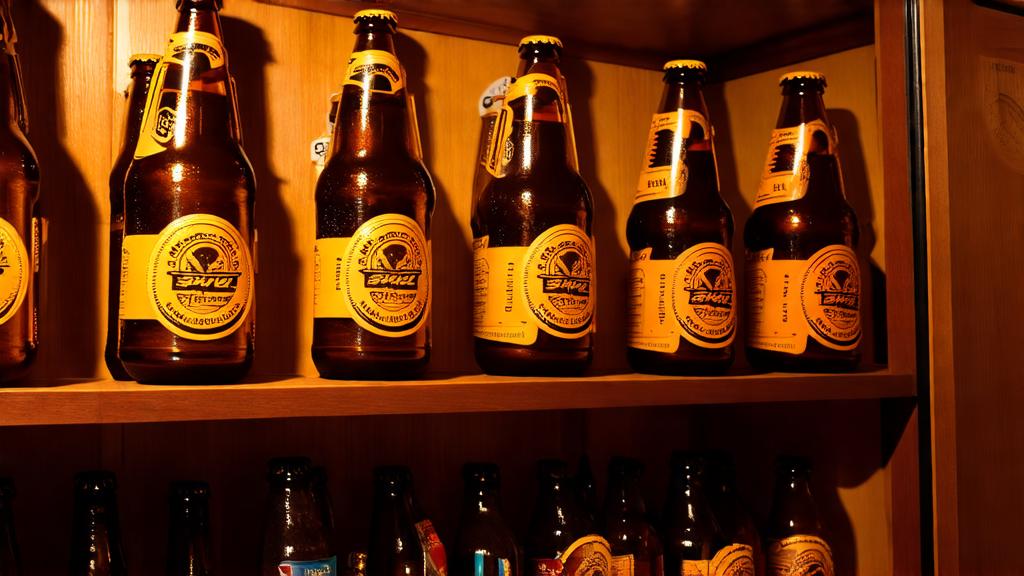
Store conditioned bottles in a cool place (around 15°C / 59°F) until serving. They’ll keep for months, improving slightly over time as the flavours integrate. When you pour one, you should see brilliant clarity, a white head, and on the nose: clean malt, a whisper of hop character, nothing funky.
Tasting Notes and the Honest Assessment
When you taste your first homebrewed lager, you’re tasting precision. You should find:
- Aroma: Clean, slightly grainy, with a faint noble hop perfume.
- Body: Medium-light. Dry finish. No sweetness.
- Flavour: Soft malt foundation—barely-sugar, slight bread crust. The hops add a gentle, herbal quality, not aggressive.
- Mouthfeel: Crisp, refreshing, carbonation carries the flavour cleanly across the palate.
If your lager tastes fruity or estery, your fermentation temperature was too high. If it tastes dull, you might have underhopped it, or your malt wasn’t good quality. If there’s a buttery taste (diacetyl), your diacetyl rest might have been skipped or too brief. This feedback loop is why lagers teach you so much about brewing. There’s nowhere to hide. For troubleshooting, the HomeBrewTalk forums are invaluable for connecting with experienced lager brewers.
Why Lager Matters Right Now
In 2026, we’re in a reset. Drinkers are pushing back against hype, extreme ABVs, and unnecessary complexity. Industry data shows that lagers and lower-ABV beers are gaining ground, while the pastry stout craze is cooling. This isn’t nostalgia; it’s a genuine shift in what people value in beer.
As a homebrewer, this is your moment to be part of something real. Learning to brew lager well isn’t a quirky technical challenge—it’s joining a quiet revolution where quality, restraint, and honest craft matter more than trend-chasing. When you nail a Czech pilsner or a smooth German helles, you’re not just making beer. You’re proving that simplicity, when executed with precision and patience, is actually the most complex thing a brewer can do.
Next Steps for Your Lager Journey
If you’re serious about lager, start simple. Brew a Czech pilsner or German helles. Focus entirely on temperature control and patience. Once you’ve nailed the fundamentals, you can explore: Vienna lagers, Baltic porters, Japanese rice lagers, even Mexican lagers with lime. But the foundation—the precision and discipline—comes first.
Your first lager might take 8–10 weeks from brew day to tasting. It’s longer than an ale, yes. But when you taste that first sip of something clean, crisp, and genuinely excellent—something you built with patience and care—you’ll understand why brewers have been singing lager’s praises for centuries. And why, in 2026, the world is finally listening again.
🍺 Join the Brotherhood — Monthly brews, stories & monk wisdom
Subscribe for exclusive recipes, early brew logs, and behind-the-scenes updates straight to your inbox.