Coffee Beer Mastery: Brewing Bold, Aromatic Ales at Home
September 2026 marks a strange confluence of trends. Coffee culture is obsessed with experimental fermentation. Beer culture is rediscovering the joy of smaller, subtler ales. And somewhere in the middle, homebrewers are asking: what if we combined them?
Coffee beer isn’t new—craft breweries have been playing with it for years. But it’s never been more approachable, more exciting, or more fitted to the home brewing ethos than it is right now. This is honest experimentation at its finest. No gimmicks. Just excellent malt, quality coffee, and the kind of patience that separates homebrewing from factory production.
Why Coffee Beer is the 2026 Brewing Moment
The shift away from hazy IPAs and ultra-hopped aggression has left room for something more introspective. Coffee beer forces you to be precise. You can’t hide behind citrus hops or adjunct sweetness. Every element shows: the roast quality, the malt selection, the fermentation temperature, how long the coffee steeped in your finished brew.
I started thinking seriously about coffee beer after reading about the craft lager renaissance and how precision fermentation is reshaping the industry. That same precision applies here. Coffee beer demands discipline and rewards honesty.
The science is compelling too. Coffee’s volatile compounds—the oils, acids, and esters that make a good espresso shine—interact beautifully with beer’s yeast-derived complexity. According to the BJCP style guidelines, coffee beers fall into the specialty category, which emphasises the balance between base beer character and adjunct ingredients. You’re not just adding flavour. You’re creating a chemical conversation between two fermented beverages.

Ingredients & Equipment for Coffee Beer Brewing
You don’t need specialist gear. If you can brew a normal ale, you can brew coffee beer. What you do need is attention to detail.
The Malt Base
Start with a solid foundation. I prefer either a robust porter base (pale malt + chocolate malt + roasted barley in a 70:20:10 split) or a lighter brown ale (pale malt + brown malt). Both complement coffee without competing with it.
For a 23-litre (5 gallon) batch, I source my malts from The Malt Miller, a UK supplier specialising in quality base and specialty malts. Try:
- 3.5 kg (7.7 lbs) Pale Ale Malt
- 500g (1.1 lbs) Chocolate Malt
- 250g (0.55 lbs) Roasted Barley
- 100g (0.22 lbs) Crystal 60
Target an OG (Original Gravity) of 1.055–1.065. That gives you enough body to support coffee without alcohol becoming the star of the show. I’ve also found success with gluten-free adaptations using alternative grains if that’s relevant for your brewing community.
Hops
Keep them restrained. Coffee beer doesn’t need aggressive bittering. A simple 60-minute charge of Goldings or East Kent Goldings (15 IBUs) is plenty. No late additions. No aroma hops. The coffee is going to provide all the complexity you need.
Yeast
This matters. Use a clean ale yeast—either British ale yeast (like WLP002 or Safale S-04) or a neutral American strain (like US-05). Don’t use wild yeast or kveik for your first attempt. You want predictability. Coffee already introduces variables.
Coffee
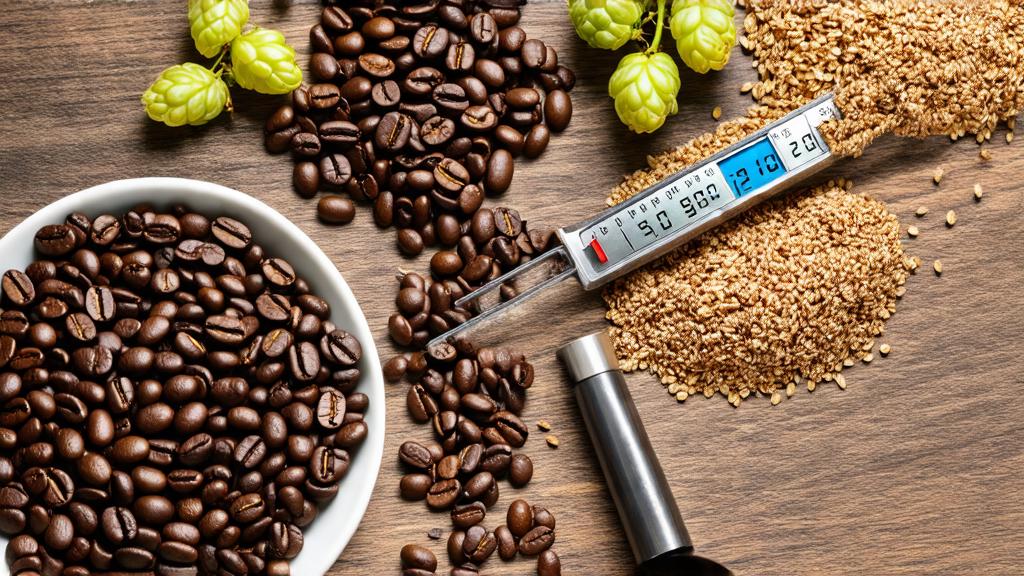
Here’s where it gets serious. Use fresh, high-quality, freshly roasted coffee. Dark roasts (French roast, espresso roast) work beautifully. I source from local roasters in London and Bristol—single-origin Ethiopian or Brazilian beans give wonderful complexity.
You’ll need approximately 30–50g (1–1.8 oz) of whole beans per 23 litres of beer. I tend toward 40g for a balanced result. Grind them coarsely just before use.
Cold Brew Concentration
I make cold brew the day before brew day. It’s simple: 50g coarsely ground coffee + 250ml cold water, steeped 12 hours at room temperature, filtered through a fine mesh. This concentrate is what you’ll add to your finished beer.
Step-by-Step Brew Day
- Mash. Strike at 67°C (152°F). Hold 60 minutes. Standard beer stuff. Aim for a thick mash (1.5 litres water per kg grain).
- Sparge. Fly sparge at 76°C (169°F). Run off slowly. You want a clear wort before boiling begins.
- Boil. 90 minutes total. Add hops at 60 minutes (Goldings, 15 IBUs). Add 5g Irish moss at 15 minutes. Do not add coffee now. Coffee volatile oils degrade under heat.
- Chill. Cool to 20°C (68°F) as quickly as possible. Pitch your yeast.
- Ferment. 14 days at 19–20°C (66–68°F). Keep it steady. Temperature swings will introduce off-flavours that coffee will only amplify.
Fermentation & Conditioning with Coffee Integration
This is where coffee beer differs fundamentally from standard brewing. You don’t boil the coffee into the wort. Instead, you integrate it post-fermentation.
The Addition Method
After 14 days of primary fermentation, rack the beer into a secondary vessel. Take your cold brew concentrate and add it slowly, tasting as you go. Start with 100ml (3.4 fl oz). Let it integrate for 3 days. Does it taste right? Add another 50ml and wait another 3 days.
This iterative approach prevents over-extraction. Coffee continues to evolve in your beer for 2–3 weeks. Rushing it leads to bitterness that overwhelms the malt character. Community brewers on HomeBrewTalk frequently discuss coffee integration timing, and many recommend patience over rushing the process.
Conditioning Timeline
After coffee integration, rack once more into your bottling bucket or keg. Condition for a minimum of 2 weeks at cellar temperature (12–15°C / 54–59°F). Coffee beers actually improve with longer conditioning. I’ve had exceptional results at 4–6 weeks of bottle age.
Tasting Notes & My Honest Verdict
I’ve been brewing coffee beer for three months now. My first batch was overly aggressive with coffee—I added too much too quickly and ended up with something that tasted like cold brew with a beer chaser rather than an integrated whole.
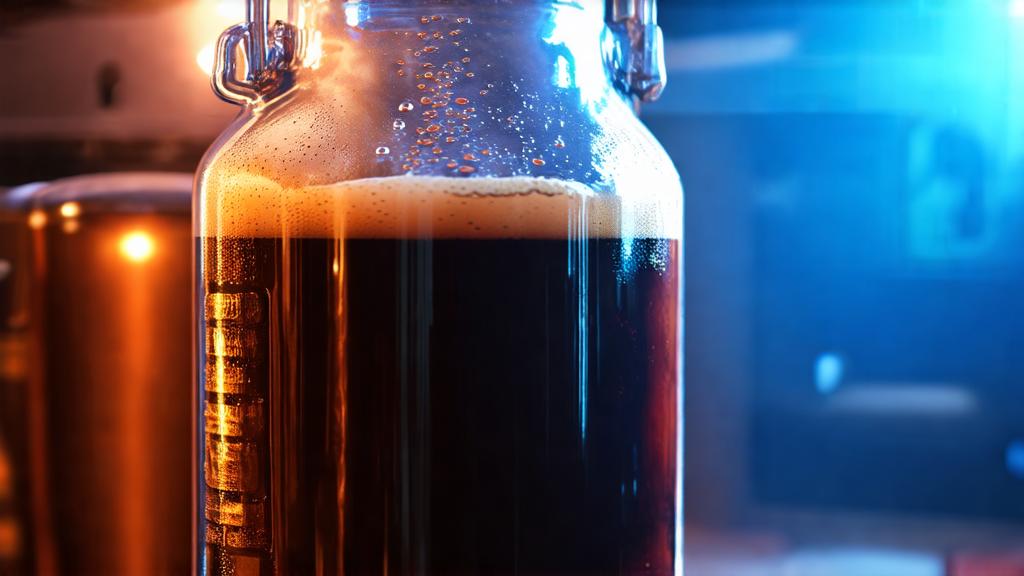
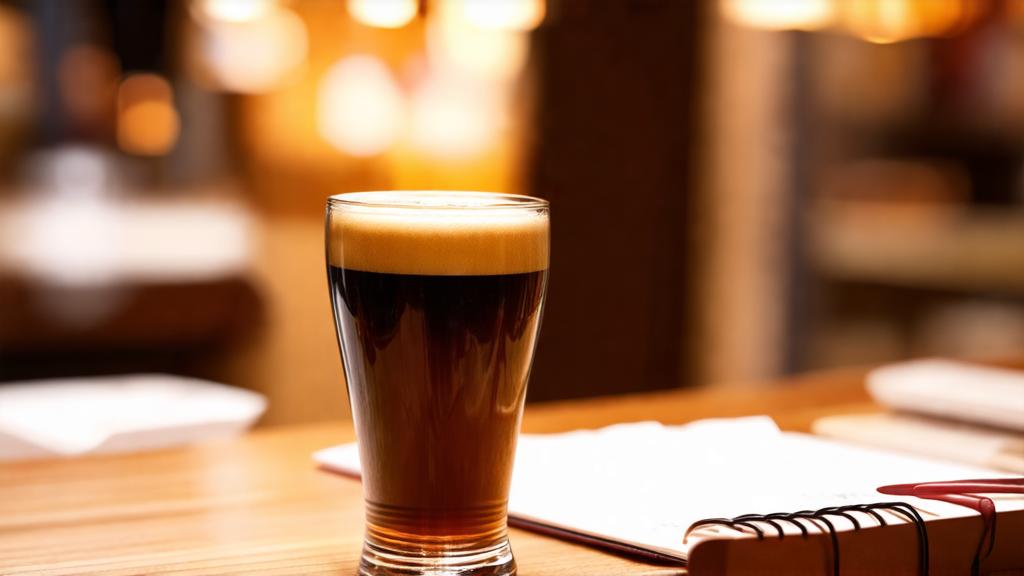
The second batch, with more restraint and longer conditioning, was genuinely excellent. Deep chocolate and roasted grain in the front palate. Then the coffee emerges—not aggressive, but persistent. It’s like tasting a really good espresso after a spoonful of dark chocolate. The finish is clean, with just a whisper of coffee oil texture.
ABV came in at 5.8%. FG (Final Gravity) was 1.012, which gave me good body without sweetness. If you want a lighter interpretation, aim for an FG of 1.008–1.010.
I’ve also explored kettle sour techniques with coffee, which creates a subtle tartness that complements espresso beautifully. The interplay between Lactobacillus and coffee’s acidity is genuinely complex.
Advanced Techniques & Next-Level Experiments
Single-Origin Coffee Ales
Once you’ve nailed the basics, experiment with single-origin coffees. Ethiopian naturals bring bright berry notes. Brazilian natural-process beans add chocolate and nuts. This is where coffee beer becomes genuinely expressive. You’re not just making “coffee beer.” You’re making this specific coffee with this specific malt.
Barrel Aging & Oak
I’ve been experimenting with barrel aging coffee beer, and the results have been stunning. Three months in a bourbon barrel softens the coffee’s edges and adds vanilla and oak that feels natural rather than forced. If barrels aren’t in your budget, even 30g of toasted oak cubes in a carboy for 4 weeks creates similar magic.
Blended Variations
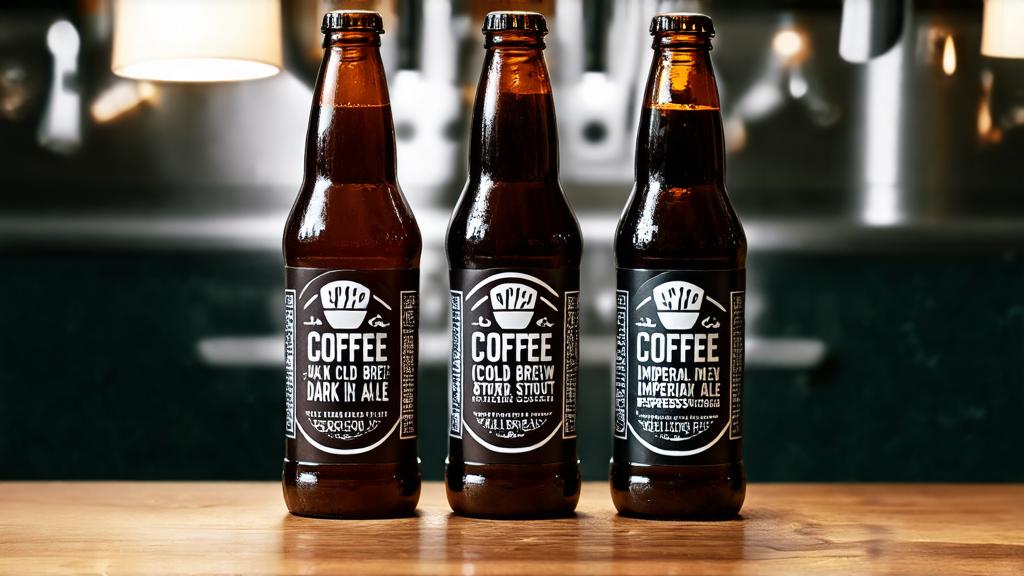
Try blending different coffee additions. Brew one batch with espresso concentrate, another with cold brew, a third with French press coffee. Blend them together to find your perfect balance. I’ve created some of my best coffee beers this way—it’s like being a coffee roaster and a brewer simultaneously.
Coffee + Spice
Coffee plays beautifully with certain spices. A small pinch of cardamom or cinnamon added during the final week of conditioning can elevate a coffee beer from good to memorable. The key: restraint. You’re seasoning, not flavouring. Start with half of what you think is right.
The Lessons Coffee Beer Teaches
What strikes me most about coffee beer isn’t the flavour profile. It’s what the process teaches you about brewing itself.
Coffee beer demands that you slow down. You can’t rush the additions. You can’t skip the conditioning. You can’t hide behind hops or adjuncts. Every decision—roast type, grind size, integration timing—is visible in the final glass.
That’s the real 2026 brewing moment. Not bigger, bolder, or more extreme. Just more intentional. More honest. More reflective of who you are as a brewer.
Your Next Brew
If you’ve been looking for a reason to try something genuinely new, coffee beer is it. Start simple. Use a quality malt base, restrained hops, clean yeast, and excellent coffee. Condition longer than you think necessary. Taste patiently.
And then let me know what you learned. The best part of the homebrew community is the shared discovery—the collective understanding that emerges when thousands of us are experimenting in our garages and kitchen corners, learning together what’s possible.
🍺 Join the Brotherhood — Monthly brews, stories & monk wisdom
Subscribe for exclusive recipes, early brew logs, and behind-the-scenes updates straight to your inbox.