Why Smoked Beer Is Making a Serious Comeback in 2026
Five years ago, I would’ve laughed if someone suggested smoked beer was about to become trendy. Rauchbier — that polarising, bacon-scented lager from Bamberg — felt like something only extreme craft enthusiasts or historical revivalists would bother with. But here we are in September 2026, and smoked beer is everywhere. Breweries are experimenting with it. Home brewers are chasing it. And honestly? I’ve been quietly obsessed.
The thing about smoked beer is that it’s not new. It’s ancient, actually. In medieval times, before modern drying technology, most beers were smoky because the malt was smoked over open fires. We lost that character as industrial malting took over. Now, thanks to the broader craft beer movement rediscovering heritage styles and a genuine appetite for bold, different flavours, rauchbier is having its moment. And I think it’s here to stay.
Understanding Rauchbier: What Makes It Different
Rauchbier, literally “smoked beer” in German, is a traditional Bavarian lager style brewed with smoked malt — usually beechwood-smoked. The result is a beer that tastes like liquid bread, smoked bacon, or a chimney in the best possible way. The smoke character can range from subtle and bacon-like to aggressive and almost mediciney, depending on how much smoked malt you use and the type of smoke.
The classic example is Schlenkerla Märzen from Bamberg, a 5.1% ABV beer that’s been brewed since 1405 using 100% beechwood-smoked malt. It’s complex, savoury, and completely unapologetic about what it is. For homebrewers, the beauty is that you don’t need to match that intensity. You can blend smoked malt with standard pale malt to dial the smoke character up or down.
What I love most is the savouriness. Unlike hoppy IPAs or fruit-forward sours, rauchbier pairs brilliantly with food — smoked meats, roasted vegetables, strong cheese. There’s a reason the monks who developed beer as we know it would appreciate this style. It’s honest, grounding, and deeply flavourful.
Getting the Ingredients and Equipment Right
You don’t need exotic equipment to brew smoked beer. If you can brew a basic lager, you can brew rauchbier. The key decision is how much smoked malt to use.
Smoked Malt Options:
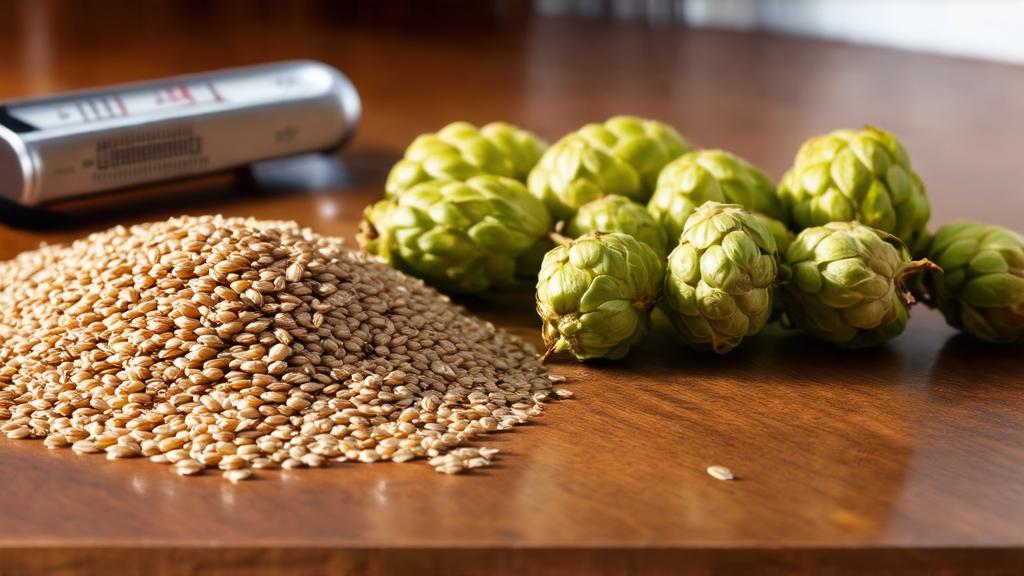
- Beechwood-smoked Pilsner malt: The traditional choice. Try to source from UK suppliers like The Malt Miller or Geterbrewed. Around £3–4 per kg.
- Oak or hickory-smoked malt: More aggressive, Americanised versions. Good for experimenting, but start conservative.
- Peat-smoked malt: Scottish influence, more earthy than beechwood. Creates a different character — try it if you want to explore beyond Bavarian traditions.
For a 20-litre (5.3 US gallon) batch, I’d suggest starting with 20–30% smoked malt and 70–80% pale base malt. This gives you a noticeable smoke character without overwhelming the beer. You can always go bolder next time.
Yeast-wise, use a traditional lager yeast like Wyeast 2308 (Munich Lager) or Fermentis S-23. The clean fermentation profile lets the malt character shine, which is the whole point.
Brew Day: Step-by-Step Method
The brewing process for smoked beer is identical to any other lager, with one important consideration: smoked malt has already been kilned, so it shouldn’t be roasted further. Treat it like base malt during the mash.
- Mash: Mash all grains (smoked + pale + any crystal/Munich malt) at 66–68°C (150–154°F) for 60 minutes. Smoked malt mashes just like regular malt — no special treatment needed.
- Sparge: Sparge with water around 75°C (167°F) until you’ve collected your target volume. The mash will smell like a bacon sandwich, which is exactly right.
- Boil: A 60-minute boil is standard. Use minimal bittering hops if any — the smoke character plays poorly with aggressive hop bitterness. Aim for 20–30 IBUs maximum. A touch of Hallertau or Tettnang at 15 minutes adds subtle European character without clashing.
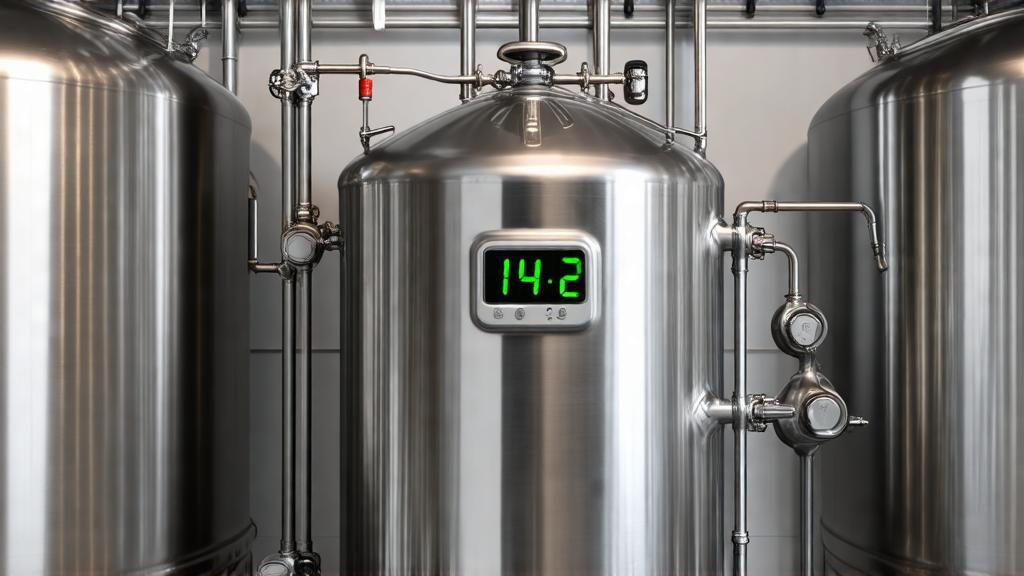
- Fermentation: Cool to 12°C (54°F) and pitch your lager yeast. Ferment at 12–14°C (54–57°F) for 2–3 weeks, depending on yeast. After primary fermentation drops off, lager at 4°C (39°F) for 4+ weeks. This is where lager magic happens — the cold conditioning mellows any rough edges and develops complexity.
One thing to note: smoked beer takes time. Unlike ales, which can be drinkable in weeks, a proper rauchbier improves dramatically with age. Don’t rush it. I’d recommend packaging and conditioning for at least 6–8 weeks before your first taste.
Fermentation, Conditioning, and When to Taste
After you’ve bottled or kegged, patience becomes your greatest tool. Rauchbier is one of those beers that genuinely improves with maturation. The smoke character mellows slightly, the malt sweetness develops, and the whole thing becomes more integrated.
I’ve found that a 3-month conditioning period is the minimum before the beer is truly ready. At that point, the yeast has cleaned up its own byproducts, and the flavours have settled into something cohesive. At 6 months, if you’ve kept bottles in a cool, dark place, you’ll notice even more refinement.
This connects beautifully with barrel-aging practices, which some brewers use to develop smoked beer even further. A smoked lager aged for 6 months in oak becomes something extraordinary — the wood and smoke integrate into a warm, complex whole.
Tasting Notes: What You’re Actually Drinking
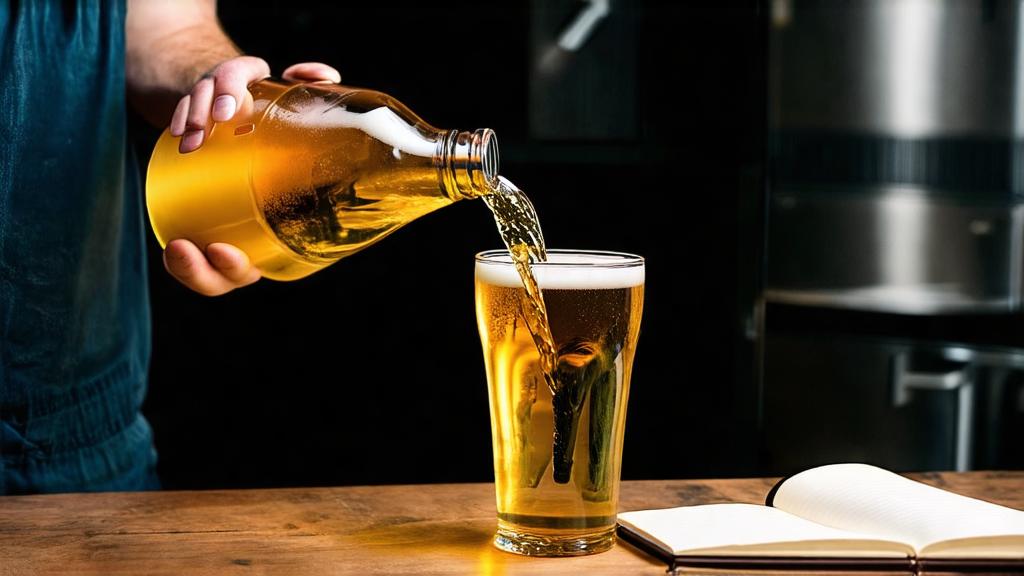
My first homebrewed rauchbier — 25% smoked beechwood malt in a Munich lager base — tasted like smoked ham and dark bread in the best way. The nose was unmistakably bacon-like, but the taste was more nuanced: bread crust, gentle smoke, a hint of caramel sweetness from the Munich malt, and a clean, dry finish. It paired impossibly well with a sharp cheddar and sourdough.
Here’s what to look for when you taste yours:
- Aroma: Beechwood smoke, bacon, smoked salmon, campfire (depending on smoke level). Should smell appealing, not acrid.
- Flavour: Bread, malt sweetness, smoke character that integrates with — not dominates — the base beer.
- Mouthfeel: Medium-bodied, clean, slightly dry. Lager yeast should give a crisp finish.
- Colour: Golden to amber to dark brown, depending on your malt bill. My 25% smoked batch came out amber-brown, about 12 SRM.
If your beer tastes like an ashtray, you’ve gone too heavy on the smoke. Dial it back next time. If it tastes like regular lager with a whisper of smoke, bump up the smoked malt percentage or try a longer conditioning period to let flavours integrate more.
Pro Tips and Common Mistakes
Don’t over-smoke your water. Some brewers add smoking to the water step. I’d avoid it. Let the malt do the work. You have precise control over smoke character with the grain bill — no need to complicate things.
Pair smoke with appropriate base styles. Smoked beer works best as a lager (Munich, Märzen, Pilsner-based). You can brew a smoked ale, but the esters from ale yeast can clash. If you must try a smoked ale, use a clean ale yeast and keep the smoke subtle (10–15% smoked malt max).
Age your bottles properly. Store at cool temperature (10–12°C / 50–54°F). Smoked beer is less light-sensitive than some styles, but brown glass is still best. Avoid temperature fluctuations — they’ll age the beer faster than intended.
Experiment with pairings. Rauchbier pairs with Bavarian-style food (schnitzel, sauerkraut, roasted potatoes), but also with British fare like smoked fish, roast pork, and cured ham. Try it next time you’re roasting a chicken with herbs — the beer’s savouriness complements the richness beautifully.
For deeper exploration of heritage brewing techniques, farmhouse brewing traditions offer similar historical inspiration, though rauchbier’s specific character is distinctly Bavarian.
Beyond Basic Rauchbier: Where to Experiment
Once you’ve nailed a standard rauchbier, the style opens up for exploration. Some ideas I’m pursuing next:
- Smoked + Fruit: A smoked lager with cherry or plum — the fruit softens the smoke’s intensity and creates something almost dessert-like. Think Kriek, but with smoke.
- Smoked Porter: Combining smoked malt with roasted grains (chocolate, black patent) creates a beer that tastes like coffee-soaked bacon. Sounds wrong, tastes right.
- Smoked Sour: For those interested in wild fermentation methods, a smoked lager aged with Brettanomyces and Lactobacillus develops incredible complexity. Smoke + sourness + funk = very interesting.
The broader point: rauchbier is a foundation, not a dead end. It teaches you how malt character drives beer flavour, how clean lager fermentation showcases ingredients, and how traditional styles remain relevant in modern brewing. There’s real wisdom in drinking (and brewing) the way monks and medieval brewers did — honouring ingredients, respecting time, and creating something that nourishes both body and mind.
Final Thoughts: Why Smoked Beer Matters
Smoked beer isn’t for everyone. I get that. But what I love about its 2026 resurgence is what it represents: a willingness to explore tastes that fall outside the IPA-and-fruity-sour mainstream. It’s a reminder that good beer doesn’t have to be trendy to be worth your time.
If you’ve been curious, give it a go. Start conservatively — 20% smoked malt, proper lager discipline, patience with conditioning. By Christmas 2026, you’ll have bottles of something genuinely unique, something with character and depth. And when you pour that first glass, you’ll taste not just beer, but history, tradition, and the quiet confidence of a beer that knows exactly who it is.
That’s something worth brewing for.
🍺 Join the Brotherhood — Monthly brews, stories & monk wisdom
Subscribe for exclusive recipes, early brew logs, and behind-the-scenes updates straight to your inbox.