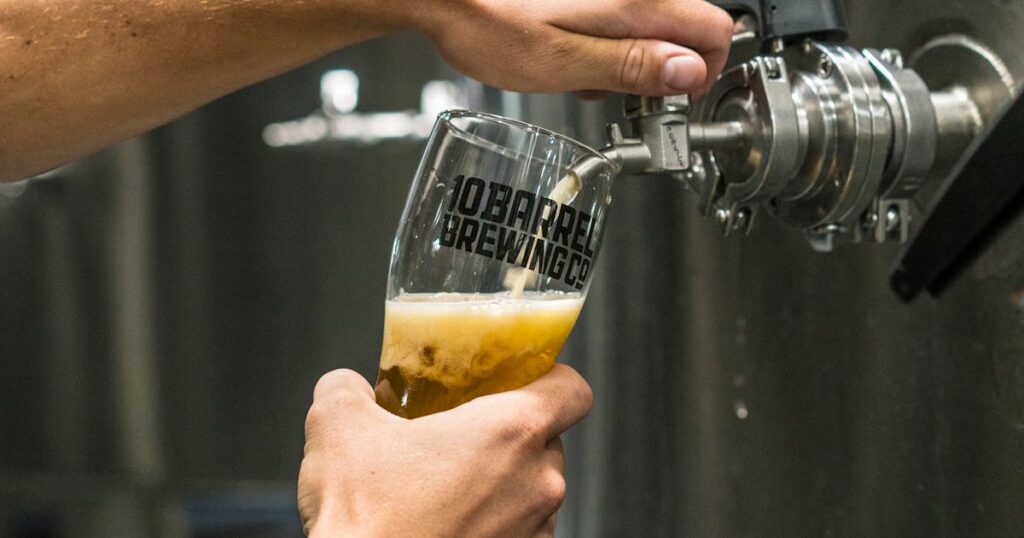
After years of chasing the biggest, boldest flavours — triple-hopped hazies, pastry stouts loaded with every conceivable adjunct, and sours that could strip paint — something remarkable is happening in the brewing world. The pendulum is swinging back.
What Is Single-Origin Homebrewing?
Just as coffee and chocolate enthusiasts have long championed single-origin beans and cacao, homebrewers are now turning their attention to single-origin beer — batches brewed with malt, hops, and adjuncts sourced from a single farm, region, or producer. The philosophy is simple: let the ingredients speak for themselves. Instead of blending varieties from across the globe to achieve consistency, you celebrate what a specific place and season have produced.
As Brooklyn head brewer Jonny Ifergan of Niteglow Beer recently put it, single-origin beer is “clean, easy-drinking, flavorful, and low in ABV, focusing on highlighting and celebrating local and regionally grown malt, adjuncts, and hops.” It’s a style that leans into authenticity — and for homebrewers, it’s surprisingly accessible.
This approach builds beautifully on broader trends we’ve explored here on Bennett’s Brew. It’s the natural next step from the farm-to-glass revolution, where brewers take direct control of their supply chains, and it resonates with the sustainable homebrewing movement that prioritises local, regenerative ingredients.
Why Local Ingredients Matter for Flavour
The concept of terroir — the idea that place imparts character — is well-established in wine, but it’s only recently gaining traction in beer. A Maris Otter barley grown in the Suffolk fields of eastern England carries different mineral and biscuit notes than the same variety cultivated in Herefordshire. Hops from Kent bring a different floral complexity than those grown in Washington’s Yakima Valley. When you brew single-origin, you’re chasing that sense of place.

Local grain isn’t just a romantic idea — it can genuinely transform your beer. As discussed in our guide to heritage grains and ancestral varieties, many UK maltsters now offer floor-malted and heritage grains that bring distinctive flavours you simply can’t get from commodity malt. Pair these with locally grown hops and you’re already halfway to a truly regional beer.
According to CAMRA, consumers are increasingly seeking out beers with a story and a sense of provenance. Single-origin homebrewing answers that call directly — every batch has a narrative rooted in the land it came from.
Getting Started with Single-Origin Homebrewing
The beauty of this approach is that you don’t need fancy equipment. You need good ingredients and a willingness to let them shine. Here’s how to begin:
- Start with your malt base. Seek out a UK maltster such as Simpson’s Malt or Warminster Maltings. Ask for single-estate or floor-malted options. A pale malt from a single farm will give you a clean, expressive canvas.
- Source local hops. Find a hop grower in your region. The Society of Independent Brewers (SIBA) maintains a directory of UK hop growers. Even if you’re starting with a modest 50g addition, the difference in freshness and character is night and day.
- Keep the recipe simple. Single-origin brewing works best when you’re not masking the ingredients. A SMaSH (Single Malt and Single Hop) recipe is the perfect starting point — it lets you taste exactly what your chosen grain and hop bring to the glass.
- Pay attention to your water profile. Your local water is part of the terroir too. Adjust mineral levels minimally — let the water’s natural character complement your local ingredients rather than dominate them.
Where to Find Local Ingredients
The growing demand for local brewing ingredients means it’s easier than ever to source them. The Malt Miller and Geterbrewed both stock British-grown malts from single estates. For hops, look up small-scale growers through the British Hop Association or visit your local farmers’ market during harvest season. Many UK farm breweries are now happy to sell surplus raw ingredients to homebrewers — a quick enquiry at your local brewery could unlock a direct line to exceptional grain and hops.
The Future of Single-Origin Beer
As the craft beer world pivots from excess to elegance, single-origin homebrewing represents a philosophy shift. It’s not about making the most extreme beer you can — it’s about making the most expressive beer, one that captures the character of a specific time and place. The trend towards balanced, sessionable styles championed by the Brewers Association aligns perfectly with this ethos.
So next time you’re planning a brew day, think local. Find out what’s growing within fifty miles of your home. Talk to farmers and maltsters. Let your ingredients tell their story — and then enjoy a pint of something that couldn’t have been made anywhere else on earth. That’s the magic of single-origin brewing.