Why Small Batch Brewing Is 2026’s Quiet Revolution
I’ll admit it — for the first five years of my homebrewing life, I was a size-obsessed fool. Every batch had to be 23 litres. Five gallons. Enough to drown a small army. And every time I brewed, I’d end up with eight boxes of bottles taking over the spare room, a wife sighing at the kitchen floor, and — truth be told — a few batches that I’d secretly have rather not bottled at all.
Then, late last year, I finally listened to the monks. The Benedictine tradition I grew up around never brewed for volume. They brewed for purpose — small, deliberate, perfected batches that fed the abbey and, occasionally, its guests. Less, but better. That’s the philosophy that turned me onto small batch brewing, and honestly? It’s the most liberating thing I’ve done in this hobby since I made the leap from extract to grain.
And it turns out I’m not alone. The UK homebrewing scene has quietly fallen in love with the one-gallon batch. Suppliers like Dark Rock have built entire ranges around compact 8-pint batches, and brewers are realising they can experiment far more freely when a failed batch costs you a fiver in grain rather than thirty quid. The 2026 homebrewing boom is being driven not by bigger kit, but by smaller thinking.
Why 1-Gallon Batches Suit UK Brewers Perfectly
Let’s be honest about British reality. Most of us don’t have a dedicated brew shed, a garage that isn’t full of bikes, or a cellar that stays at a steady 12°C. We have a kitchen, a cupboard, and a window ledge. Small batch brewing is built for exactly that.
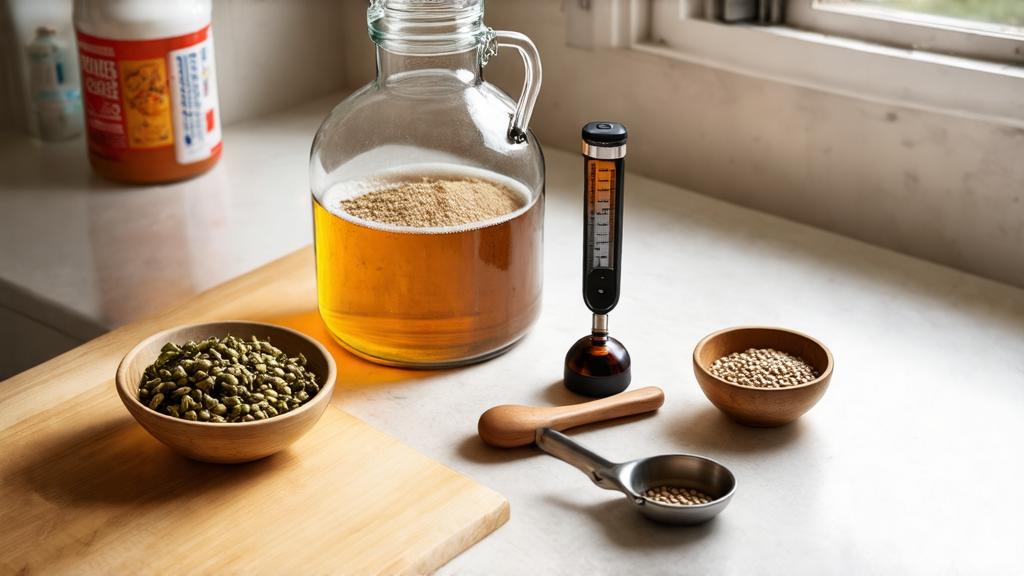
A one-gallon batch — about eight pints, or four and a half litres — produces roughly the equivalent of a couple of four-packs of decent cans. Brew a couple of those a month and you’ve got a steady, varied supply without ever overwhelming your space. And because each batch lives in a single demijohn, you can experiment with a new style every week without committing to months of drinking the same thing.
There are three practical wins I’ve found with small batches, and they all matter more than you’d think:
- Cost per experiment plummets. A 1-gallon all-grain recipe uses maybe 900g of malt. Even with premium grain and fresh yeast, you’re looking at a few pounds per batch — not a big outlay to gamble on a risky style.
- You brew more often. A short brew day — my small batches take about two and a half hours from strike to pitch — means you can actually make brewing a weekly habit instead of a quarterly event.
- Your technique sharpens. Smaller volumes magnify every mistake. That’s brutal, but it’s also the fastest teacher I’ve ever had. Get it right at one gallon and scaling up becomes easy.
If you’re coming from larger batches, my guide to recipe scaling for homebrewers walks through the maths of shrinking a five-gallon recipe down cleanly.
Ingredients & Equipment: What You Actually Need
Here’s the beautiful thing about small batch brewing — you almost certainly own most of the kit already.
For equipment, the essentials are:
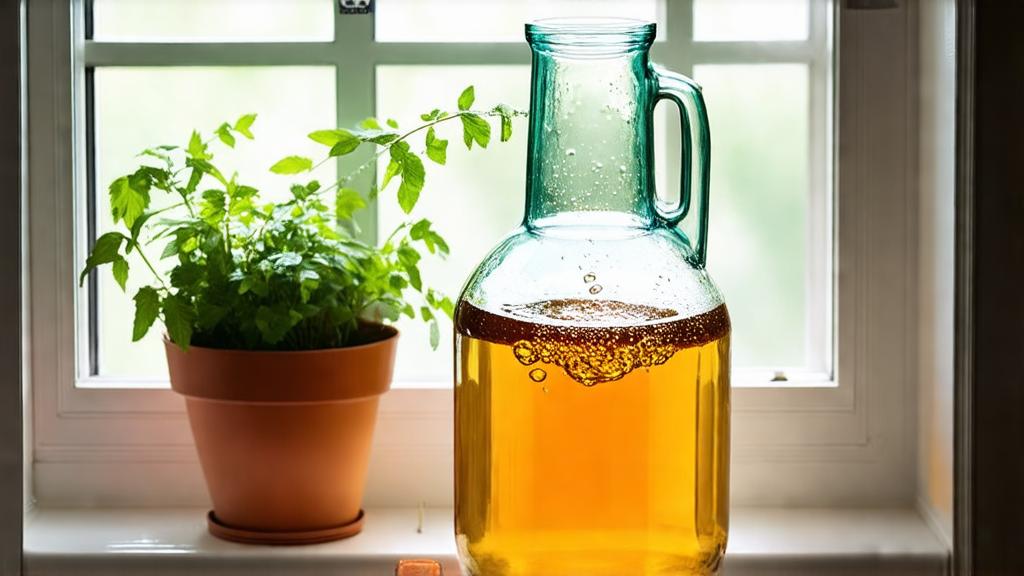
- A 1-gallon glass demijohn (about £10–15 from any homebrew or homebrew-adjacent supplier). A 5-litre plastic fermenter works too, but glass lets you watch the show.
- An airlock and bung. You can even improvise with a balloon and a pinprick in a pinch — the monks would have approved of such economy.
- A small stockpot (5 litres is plenty for a full-volume boil) and a thermometer.
- A hydrometer — tiny batches still need measuring.
- Bottles. Reuse good swing-top bottles and you’ll need about six or seven per batch.
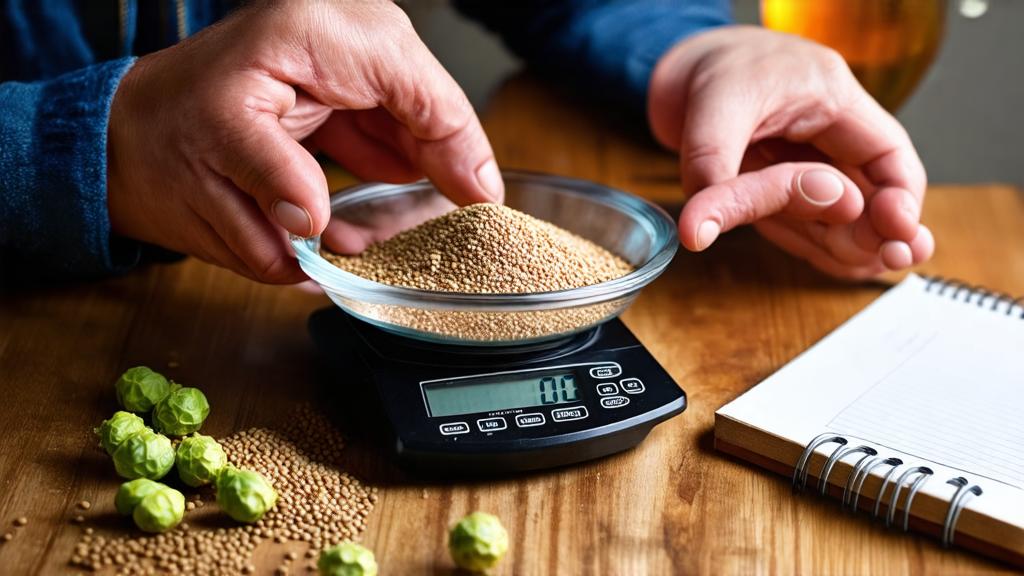
For ingredients, keep it simple to start. Base malt (Maris Otter is the UK gold standard), a single hop variety, and a clean ale yeast like US-05 or a fast kveik strain for warm fermentations. The Malt Miller’s guide to the best UK home brew starter kits is a solid place to compare all-grain beginner options if you’d rather start with a pre-weighed kit.
One tip on water: because your volumes are small, water chemistry matters even more. A pinch of gypsum or a squeeze of acid malt can transform a flabby small beer, and I’ve written a fuller breakdown in my water chemistry guide for homebrewers.
Brew Day: A Step-by-Step Small Batch Walkthrough
Let me take you through the exact small batch brew day I ran last weekend, so you can see how painless this is. I brewed a ~4% British Golden Ale — crisp, grainy, and perfect for late-summer evenings.
- Heat 3.5 litres of water to 67°C. Strike, dough in your 900g of crushed Maris Otter, and hold at 66–68°C for 60 minutes. In a small pot this holds temperature remarkably well with a tea towel over the lid.
- Sparge gently. Rinse the grains with another litre of water at 75°C and collect your wort. Aim for about 5 litres pre-boil.
- Boil for 60 minutes. Add 8g of a hop like UK Challenger at 60 minutes for bitterness, then 8g of something aromatic (I used Harlequin) at flame-out for aroma. Small batches mean small hop additions — a gram or two makes a visible difference.
- Chill and pitch. Cool to 20°C, transfer to your demijohn, top up to 4.5 litres, and pitch half a packet of rehydrated yeast. A full pack is overkill for one gallon.
- Ferment. I keep it simple: 18–20°C for 7–10 days, until the hydrometer reads steady for two consecutive days.
That’s it. Two and a half hours of active work, one demijohn to clean, and a week of patience. Compared to the sprawl of a big brew day, it feels almost monastic in its simplicity.
Fermentation, Conditioning & Carbonation
Small batches are where good fermentation habits earn their keep. Because the volume is tiny, temperature swings hit harder — a hot kitchen can spike a demijohn fast. Keep it in the coolest, steadiest spot you have, or wrap it in a damp towel on hot days. The principles are exactly the same as big beer: pitch enough healthy yeast, control the temperature, and don’t touch it once primary is done.
When it comes to carbonation, I’m a convert to bottle conditioning for small batches — it’s cheap, gives great results, and my bottle conditioning guide has the full method. For 4.5 litres you’ll need roughly 4g of priming sugar, boiled in a little water and mixed gently before bottling. Three weeks at room temperature and you’ll have a lively, properly conditioned beer.
Honest Tasting Notes: The Golden Ale Verdict
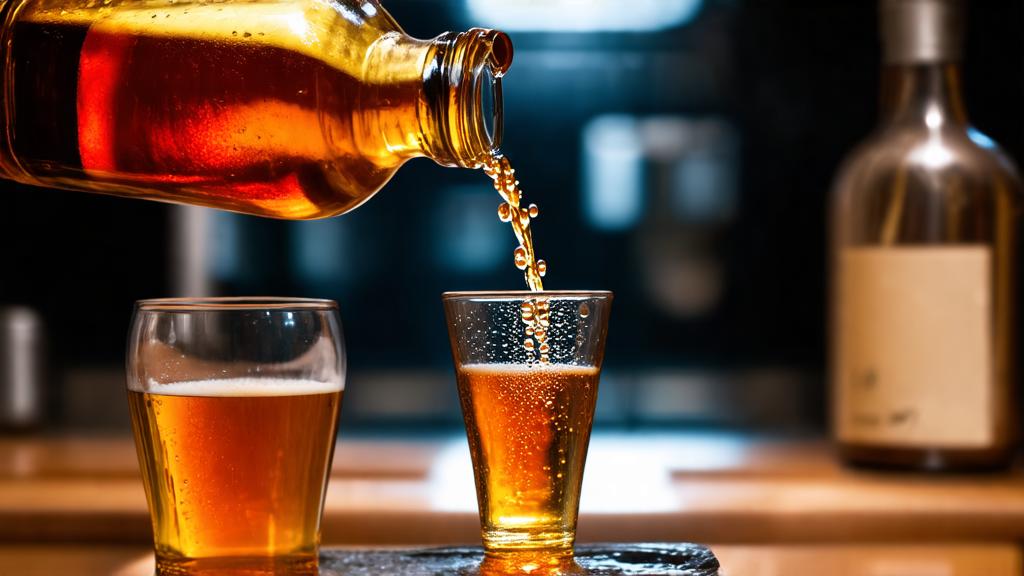
Right, the bit I always do honestly. My one-gallon British Golden Ale came in at 4.1% ABV with an original gravity of 1.040 down to 1.009. Clear as a bell after a week in the fridge, thanks to a decent cold crash.
On the nose: biscuity Maris Otter, a soft floral note from the Harlequin, and just a whisper of honey. On the palate it’s dry and grainy with a proper English bitterness that lingers just long enough. It drinks far lighter than 4.1% — dangerous in the best way. Would I change anything? I’d nudge the late hops up a couple of grams for a touch more aroma. That’s the joy of small batches — I’ll simply run it again next week with that tweak, rather than waiting months to use up a 23-litre mistake.
Pro Tips & The Mistakes I Made First
Learn from my mishaps so you don’t repeat them:
- Don’t halve the yeast blindly. One gallon needs about a third of a normal sachet, but a full sachet won’t hurt either. Underpitching is the classic small batch failure — you get sluggish, ester-heavy beer.
- Watch your evaporation. Small pots evaporate proportionally more, so your boil-off can be a higher percentage than you expect. Start with a little more water than the maths suggests.
- Sanitise everything, twice. There’s no buffer in a small batch. One carelessly handled spoon can sour the lot, so treat every touchpoint like it’s a commercial brewery.
- Resist the urge to bottle too early. The hydrometer is your only honest friend. Small beer can still throw off haze if you rush it.
And if you’re the sort who wants to know the exact technical standards behind each style, the BJCP style guidelines are the definitive reference — brilliant for checking your small batch is true to style.
Variations & Next-Level Experiments
This is where small batch brewing truly shines. You can run three one-gallon experiments in a weekend for the cost of one big batch, which makes it the perfect playground for adventurous brewing.
Some ideas I’m working through:
- Hop trials. Brew the same base wort, split it across two demijohns, and dry-hop each with a different variety. A side-by-side hop comparison in a single afternoon.
- Yeast showdowns. Same wort, two yeast strains, total cost of a few quid. It’s how I finally understood the difference between US-05 and a British ale strain.
- Fruit and spice infusions. A handful of blackberries or a cinnamon stick goes a long way in four and a half litres. For a deeper dive into the wider world of compact brewing styles, my guide to making the all-grain leap covers the bigger picture when you’re ready to scale beyond one gallon.
If you’re new to the hobby, CAMRA — the Campaign for Real Ale — is a fantastic community resource for understanding British beer culture and connecting with fellow enthusiasts.
Conclusion: Less, But Better
The monks had it right. Brewing was never meant to be a race to the biggest fermenter you can afford. It’s a craft of attention, patience, and honest repetition — and small batch brewing gets you closer to that spirit than any jumbo kit ever will.
Start with one demijohn, one simple golden ale, and one honest notebook. Brew it, drink it, and write down what you’d change. Then brew it again. That rhythm — brew, taste, refine — is the whole game, and small batches let you play it every single week.
If you’ve been put off homebrewing by the space, the cost, or the sheer volume of it all, I can’t recommend one-gallon brewing enough. It’s the gentlest possible introduction and, frankly, the most fun I’ve had in this hobby in years. Cheers to tiny batches and big flavour.
🍺 Join the Brotherhood — Monthly brews, stories & monk wisdom
Subscribe for exclusive recipes, early brew logs, and behind-the-scenes updates straight to your inbox.