It happened quietly, almost without fanfare. Smoked beer — rauchbier — has escaped its cult status and is becoming genuinely common again. I’m not talking about the beers that occasionally appear at craft bars as novelty items. I’m talking about homebrewers picking up smoked malt, experimenting with it, and realising that what was once considered a polarising, niche style actually has real depth. This is the 2026 trend that caught me off-guard, and it’s worth paying attention to.
For centuries, all beer was smoky. The malting process itself involved wood smoke. Then came modern malting techniques, and smoke became optional — then forgotten — then rediscovered by Germans and, eventually, by us. Now, as homebrewers get more sophisticated and explore historical brewing practices, smoked beer is having a proper renaissance. Not as a gimmick. As a legitimate, rewarding style.
I’ve brewed it. I’ve tasted it. And I think you should too.
Why Smoked Beer Is Worth Your Attention in 2026
Smoked beer used to be something you either loved or absolutely hated. There was no middle ground. That polarisation meant most brewers — commercial and home — avoided it. It was too risky, too weird, too much.
But something’s shifted. Craft breweries are revisiting the style with newfound respect. The market for “heritage” and “historical” beer styles is growing. And more importantly, homebrewers now have access to quality smoked malts that didn’t exist a decade ago. Companies like The Malt Miller and other UK suppliers stock smoked malts ranging from subtly smoky to full-on Bamberg rauchbier intensity.
The trend isn’t about shock value anymore. It’s about genuinely interesting beer — beer that pairs brilliantly with traditional cask conditioning methods, food, and conversation. It’s about understanding history through flavour.
Ingredients & Equipment You’ll Need
Here’s the good news: you don’t need anything special beyond what you probably already have.
For a classic Bamberg-style Rauchbier (5% ABV, ~20 litres):
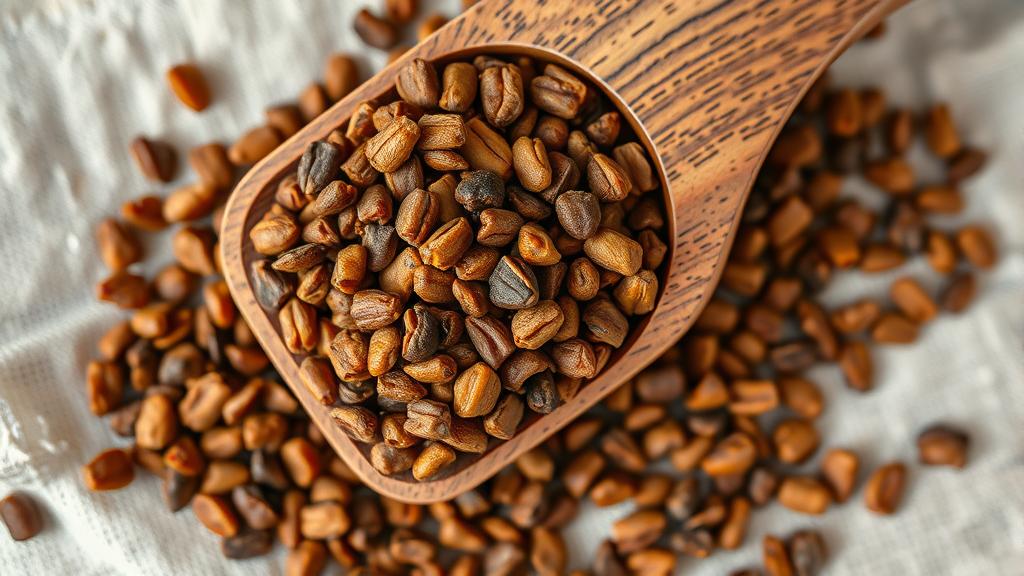
- Smoked malt: 2.5 kg (50%) — aim for Weyermann Beechwood Smoked as your benchmark
- Munich malt: 1.5 kg (30%) — adds body and sweetness
- Pale malt: 0.75 kg (15%) — base fermentability
- Hops: 25g Hallertau or Herbrucker (16 IBU, 60 mins) — smoked beers traditionally run low-to-moderate bitterness
- Yeast: Wyeast 2308 (Munich Lager) or White Labs WLP860 (Bavarian Lager) — cold fermentation is key
- Water: 30 litres strike water, adjusted for hardness if needed
The real secret isn’t exotic ingredients — it’s balance. Smoked malt is assertive. You’re not making a smoked stout or smoked IPA for your first attempt. You’re making a beer where smoke is the star, not a guest.
Sourcing smoked malt in the UK is now painless. The Malt Miller stocks the Weyermann range, as does Geterbrewed. Both offer reliable shipping and quality grain.
Step-by-Step Brew Day (Classic Bamberg Method)
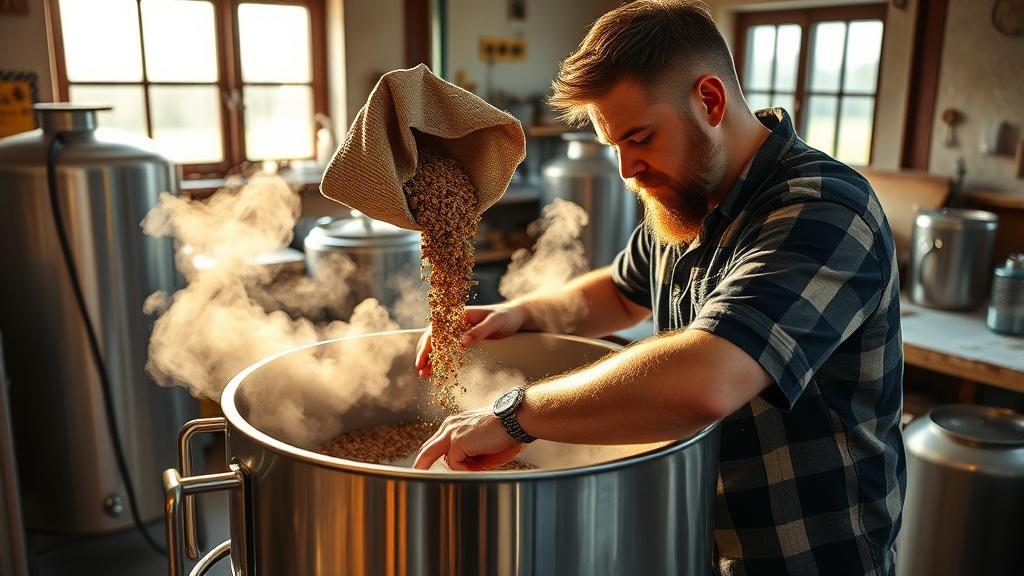
- Mash in: Heat 15 litres (4 gallons) of water to 67°C (152°F). Slowly add your crushed grains, stirring gently. Target a mash temperature of 64°C (147°F). Rest for 90 minutes. You’ll notice the smell immediately — not unpleasant, but unmistakably smoky. Some people find it bacon-like, others tobacco-like. Neither is wrong.
- Sparge: Slowly run off your wort into your kettle. Keep the grain bed loose and runoff steady. You’re aiming for about 25 litres (6.6 gallons) of wort before the boil.
- Boil: Bring to a rolling boil. Add your Hallertau hops at 60 minutes remaining. Keep the boil vigorous but not violent — smoked beer benefits from clean, efficient boil chemistry. Boil for 90 minutes total. No late-addition hops; smoke-forward styles benefit from minimal bittering additions and no aromatic complexity fighting the malt character.
- Cool and pitch: Cool your wort to 12–14°C (53–57°F). Pitch a fresh or starter culture of your lager yeast. This is crucial. Lager yeast produces cleaner fermentations, allowing the smoke character to shine without yeast-driven fruitiness.
- Record your gravity: My Bamberg trial hit 1.050 OG, 1.010 FG — pretty typical. The smokiness masks some of the sweetness, so don’t be alarmed if the mouthfeel feels drier than your gravity suggests.
Fermentation & Conditioning
This is where patience becomes your best friend.
Lager fermentation at 12°C (53°F) takes time. Mine sat for 3 weeks in primary, then another 6 weeks for lagering (cold conditioning) in the fridge. Yes, 9 weeks total. That’s not excessive for a proper lager — it’s the baseline. Smoked beers, especially rauchbier, benefit enormously from this extended cold rest. It rounds out rough edges and lets the smoke integrate rather than punch you in the face.
Temperature control is non-negotiable here. If you’re fermenting at ambient room temperature (18–20°C / 64–68°F), your results will be noticeably fruitier and less authentic. A simple fridge with a temperature controller (about £40) transforms smoked beer results. I use a Inkbird dual-stage controller — dead reliable, widely available from brewing suppliers like Geterbrewed.

Tasting Notes & My Honest Review
The moment of truth: Does homemade rauchbier actually work?
Yes. Really, actually yes.
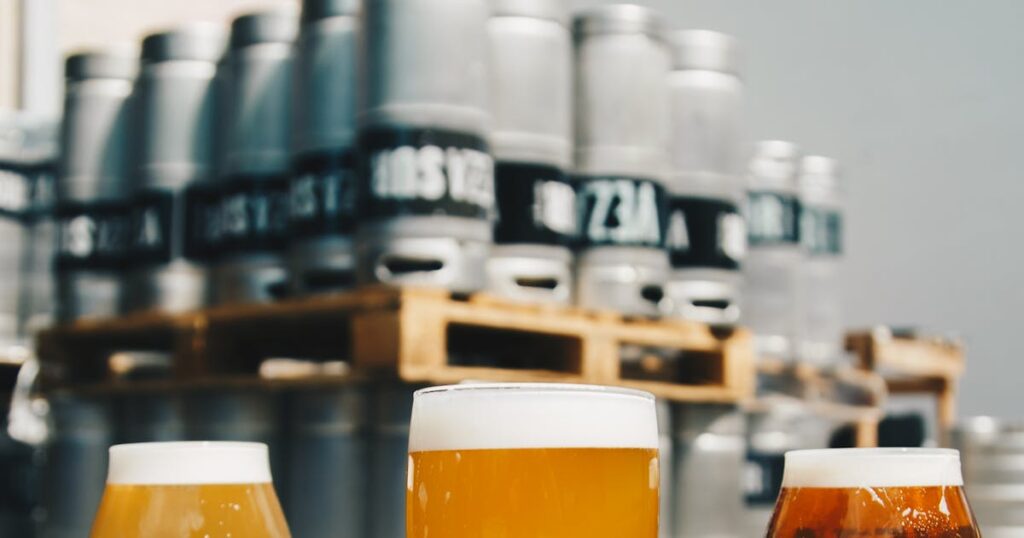
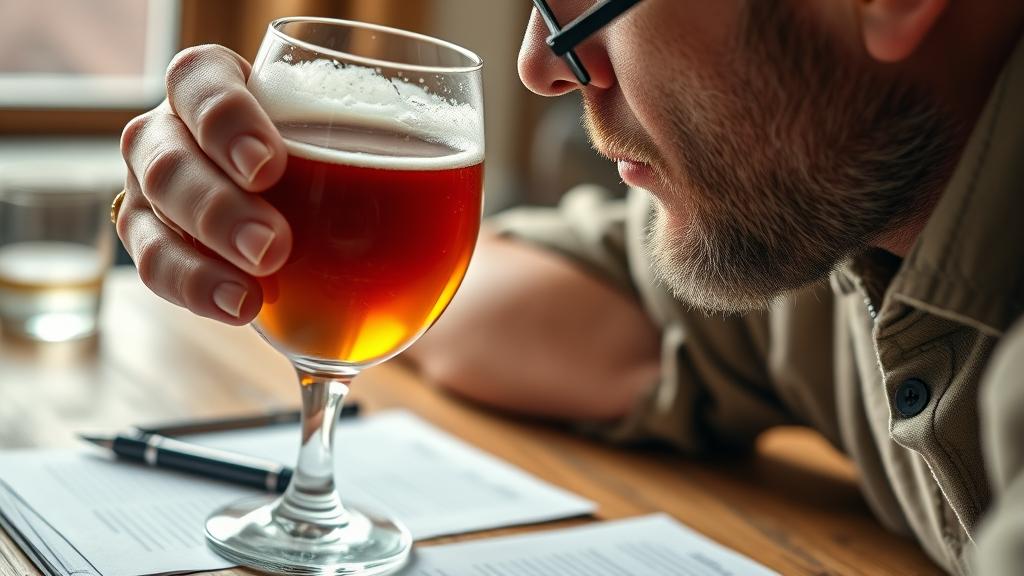
Poured into a Bavarian-style mug (I use a 0.5L dimpled glass), my rauchbier showed a deep ruby-copper clarity with a thick, creamy off-white head that lasted well past the first sip. The aroma hit immediately: smoked bacon, caramelised malt, subtle beechwood earthiness. No harsh notes. No chemical smoke.
The first sip was revelatory. The smoke was integrated — not a novelty, not a distraction. It played well with the Munich malt’s sweetness, creating a savoury-sweet balance that reminded me why Bamberg brewers have protected this style for centuries. Moderate 16 IBU of Hallertau bitterness kept things dry at the finish, preventing cloying sweetness.
Mouthfeel was substantial without being heavy. Colour: deep amber to copper. Alcohol (5.1% ABV) barely noticeable because lager fermentation produces such clean profiles.
The revelation: This wasn’t “novelty beer.” This was food beer. Genuinely delicious with smoked sausages, aged cheese, bread, and hearty stews. The smoke complements savoury food in ways pale ales never quite manage.
Pro Tips & Common Mistakes
✓ DO:
- Start conservatively. 40–50% smoked malt is a good first attempt. You can always make a smokier batch next time.
- Use quality malt. Budget smoked malt sometimes tastes acrid or artificial. Weyermann beechwood is worth the extra few quid.
- Cold condition (lager) your beer. Ales using smoked wheat malt exist, but lagers are the gold standard for this style.
- Pair carefully. Smoked beer has assertive flavours — it wants rich food, not delicate fish.
✗ DON’T:
- Assume room-temperature fermentation will produce authentic results. It won’t. Lager yeast is essential.
- Over-hop. Smoked beer doesn’t need bittering contests. 15–20 IBU is the range. More just becomes unbalanced.
- Rush fermentation. Cold conditioning isn’t optional; it’s when the magic happens.
- Add smoked malt to every recipe as “experimentation.” Smoked beer is a style, not a modifier. Smoked stout and smoked IPA rarely work.
- Discount the smell. Some people find smoked beer off-putting on aroma alone. Taste it before dismissing it.
Variations & Next-Level Experiments
Once you’ve nailed a classic rauchbier, the fun begins.
Lower ABV variant (3.8%, “Session Rauchbier”): Scale back your grain bill to hit 1.038 OG. Perfect for drinking several without collapse. I’ve brewed a session version for summer — surprisingly excellent.
Smoked + Sour hybrid: Combine smoked malt (30%) with wild fermentation techniques using Lactobacillus. This sounds mad, and it is, but German brewers have been doing smoked weiss variants for decades. Results: smoky, tart, funky. Properly bohemian.
Smoked + Cask hybrid: Brew a rauchbier, condition it in a wooden cask for 3–6 months. The wood and smoke meld beautifully. This is genuinely excellent beer — historical, complex, and deeply rewarding if you have cask access.
For sourcing advice on casks and advanced fermentation, check CAMRA‘s heritage brewing guides — they’ve documented traditional rauchbier methodology for decades.
Why This Trend Matters
Smoked beer’s 2026 renaissance isn’t just about novelty. It’s about rediscovering that homebrewing — real homebrewing — is about experimentation, history, and understanding why beers exist. It’s about honouring tradition while building something new.
In a hobby sometimes obsessed with new hop varieties and experimental yeast strains, smoked beer is a quiet rebellion: slow fermentation, ancient malting techniques, honest beer.
And it’s bloody good beer.
Start your batch soon. Smoked beer demands patience — 9 weeks minimum from pitch to glass. But in May 2026, when you pour your first proper homemade rauchbier, you’ll understand why Bamberg has guarded this style for 500 years.
🍺 Join the Brotherhood — Monthly brews, stories & monk wisdom
Subscribe for exclusive recipes, early brew logs, and behind-the-scenes updates straight to your inbox.