Why Shandy’s Making a Summer Comeback in 2026
I remember my grandpa pouring a shandy at the garden fence of his local pub, the lemonade fizzing as it met the golden lager. “Perfect for a day like this,” he’d say. For decades, the shandy was relegated to the realm of nostalgic, older drinkers and beach bars—something unsophisticated, too sweet, not “proper” beer. But 2026 has quietly resurrected the shandy into something entirely different: a craft-worthy, intentional brewing project that’s swept across the UK with surprising momentum.
According to recent Ocado data, searches for “shandy” are up 42% month-on-month in May 2026. The trend is part of what’s being called “coasting”—the deliberate shift toward mid-strength drinks (3–5% ABV) that offer flavour without the hangover. Overall mid-strength alcohol sales are up 151% year-on-year. For homebrewers, this isn’t just a market trend; it’s an opportunity to brew something that’s genuinely refreshing, technically interesting, and—if done right—genuinely delicious.
I’ve spent the last month brewing several shandy interpretations, and I want to walk you through what I’ve learned. The beauty of shandy homebrewing is that it sits at the intersection of two passions: brewing and balance. Done well, a shandy is a study in simplicity.
Ingredients & Equipment for Shandy Brewing
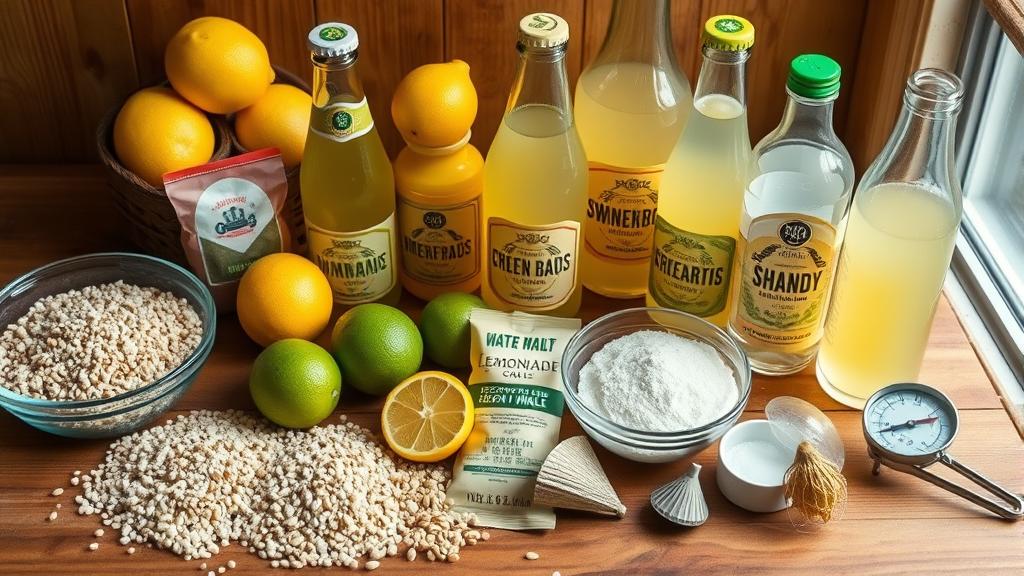
The simplicity of shandy is both its charm and its trap. A traditional shandy is just two things: beer and lemonade, poured 50/50 at the glass. But when you’re homebrewing, you’re not mixing at pour time—you’re creating a balanced beer that sits somewhere between a light lager and a fruit beer in character.
The Base Beer
You’ll want a pale, clean-finishing lager or light ale. I recommend a Pilsner malt base (60–70%) with 20–30% wheat malt for body and haze. The wheat malt adds a subtle creaminess that works beautifully against citrus. Use between 20–25 IBUs of bittering hops—something crisp but not aggressive. I’ve been experimenting with lager yeast strains for clean fermentation, which keeps the focus on the lemonade character rather than competing with it.
The Citrus Element
Here’s where craft shandy diverges from pub tradition. Instead of adding commercial lemonade (which is often overly sweet), you’re infusing natural citrus into the beer itself. Fresh lemon zest, lime, even grapefruit—these can be added at whirlpool or as a dry addition post-fermentation. According to BJCP style guidelines, fruit beers—including those with citrus—should maintain balance between the base beer and adjunct flavour.
For a 5-gallon (23-litre) batch, use 8–12 fresh lemons, zested and juiced. The zest adds aromatic oils; the juice adds acidity and flavour. Some brewers swear by conditioning with a subtle amount of honey (1 kg per 23 litres) for natural carbonation and a touch of roundness.
Equipment Notes
Nothing fancy. Standard homebrewing kit. One tip: if you’re doing citrus additions post-fermentation, use a fine mesh strainer or sanitised cheesecloth to avoid clogging your bottling wand. For ingredient sourcing, The Malt Miller and Geterbrewed stock quality pale and wheat malts that work beautifully for shandy bases.
Step-by-Step Brew Day
Mashing & Lautering
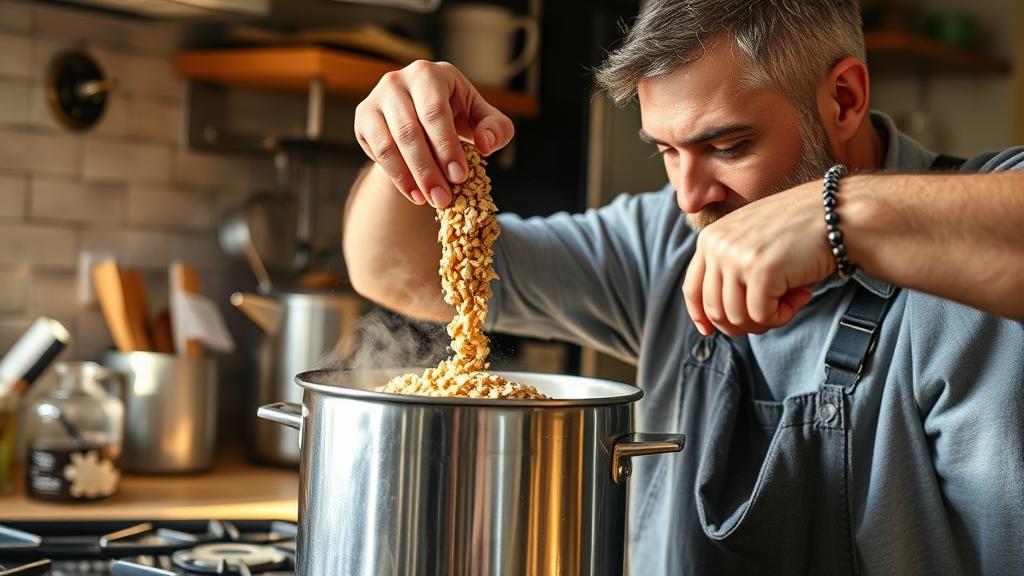
Mash at 65–66°C (150–151°F) for 60 minutes. This temperature range produces fermentable sugars without extracting too much body. A drier finish is what you want here—it balances the lemonade sweetness beautifully. Lauth at 76°C (170°F) for clean runoff.
Boil Schedule
- 60 minutes: Add bittering hops (Styrian Goldings or Hallertau work brilliantly). Target 22–25 IBUs.
- 15 minutes: Add lemon zest (if using fresh). The heat will extract some of the aromatic oils whilst preserving citrus brightness.
- 0 minutes (whirlpool): Chill to 65°C (150°F), then pitch lager yeast if using dry yeast, or transfer to fermenter for liquid yeast.
Fermentation Temperature
If using lager yeast, ferment at 10–12°C (50–54°F) for 10–14 days. Keep it steady—temperature swings will muddy the flavour. If using ale yeast (like a Hefeweizen or wheat beer strain), ferment at 18–20°C (64–68°F) for 5–7 days. The choice depends on whether you want crisp lager notes or a touch of fruity ester character.
Fermentation & Conditioning
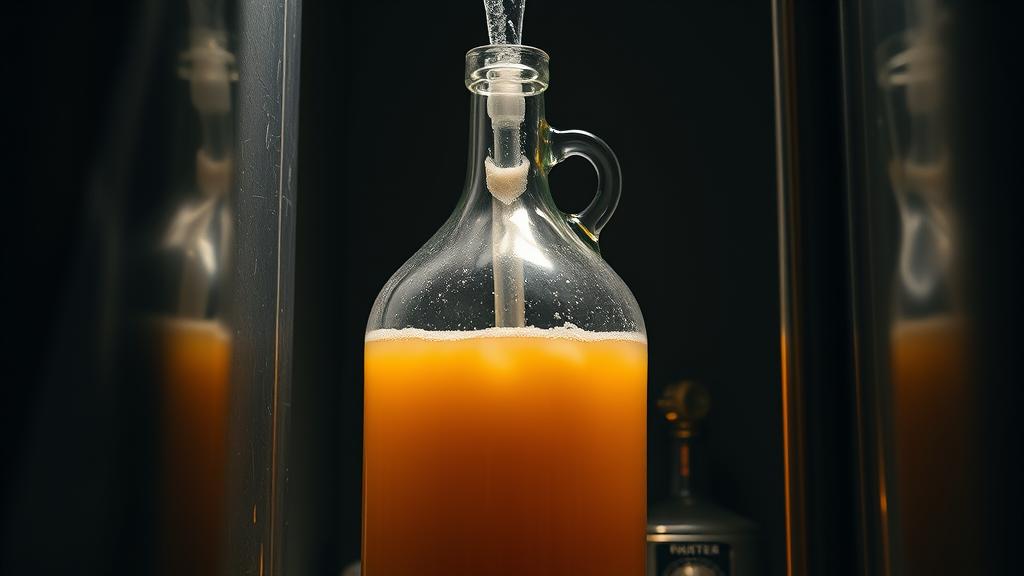
Once fermentation is complete (gravity stable for 3 days), you have two conditioning routes:
Option 1: Bottled Shandy
Bottle with a standard priming sugar dose (7.5 g/litre for 2.5 volumes of CO₂). This gives you a crisp, refreshing carbonation level that mimics the original pub drink. Secondary conditioning takes 2–3 weeks at room temperature.
Option 2: Kegged & Fresh-Served
Keg at 10–12 PSI (0.7–0.8 bar) for a more controlled carbonation. This is my preference—you can serve it slightly warmer (8–10°C / 46–50°F) and the flavours open up beautifully. A kegged shandy stays fresh for 6–8 weeks, perfect for summer entertaining.
A Note on Post-Fermentation Citrus
Some brewers add fresh lemon juice or zest after fermentation, during bottling or kegging. This adds brightness without cooking off the aromatics. If you do this, ensure everything is fully sanitised and use pasteurised juice if you’re concerned about infection.
Tasting Notes & My Honest Review

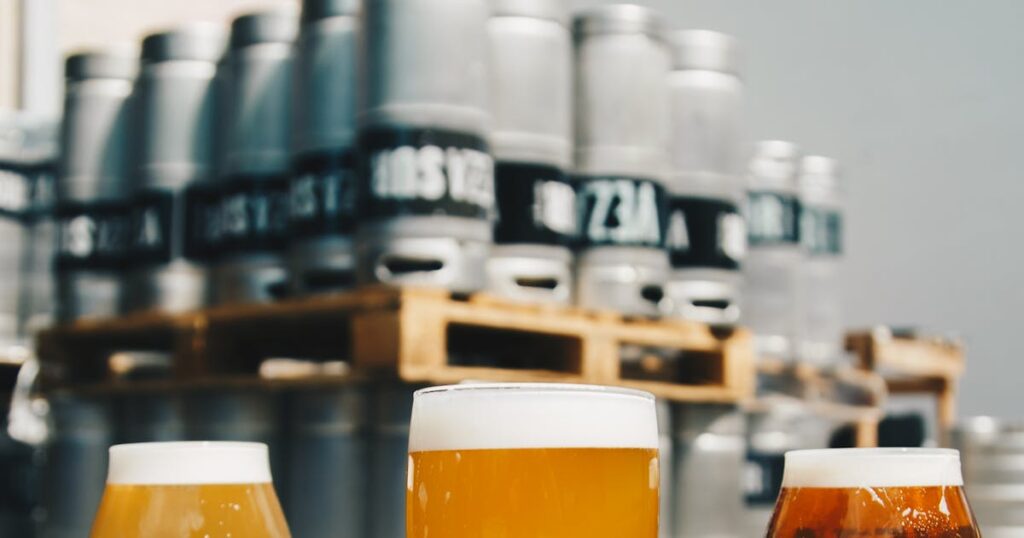
My first shandy came out at 4.2% ABV, pale golden, with a tight white head. On the nose: bright lemon zest, a whisper of honey, crisp grain. On the palate: dry entry, sharp citrus midpoint, clean finish with just a touch of residual sweetness balancing the bitterness. Mouthfeel is light but not thin—the wheat malt does its job.
This is not a beer that shows off technical wizardry. It’s honest. It’s refreshing. On a hot May afternoon in the garden, it’s exactly what you want. The beauty is that it’s genuinely lower ABV (4–4.5%), so you can drink two without the fog setting in—which aligns perfectly with the “coasting” philosophy of balanced, mindful drinking.
Where does it sit alongside commercial craft shandies? Most craft versions tip toward either too much lemonade sweetness or trying too hard to be “interesting” with exotic citrus. Your homebrew version can find the middle ground—technically sound, flavourfully balanced, utterly sessionable.
Pro Tips & Common Mistakes
The Biggest Mistake: Too Much Wheat
Beginners often use 40%+ wheat malt thinking it’ll add body. It doesn’t—it adds haze and muddies the citrus character. Stick to 20–30%. Your shandy should be crystal clear or slightly hazy, never opaque.
Temperature Control is Everything
If you’re using lager yeast and fermenting at ale temperatures, you’ll get unwanted ester production. The citrus character needs a clean canvas. Invest in a temperature-controlled fermenting space if you haven’t already. HomeBrewTalk forums have excellent community discussions on fermentation control for beginners.
Fresh Lemons, Not Juice Concentrate
Commercial lemon juice concentrate tastes stale. Fresh lemons add vibrant, living acidity. Yes, squeezing them is a pain. Yes, it’s worth it. Zest the lemons before juicing for maximum aromatic oils.
Backsweetening Options
If your final shandy feels too dry, you can add a small amount of honey or lactose during bottling (unfermentable sugars for body and residual sweetness). A gram per litre won’t over-sweeten; it’ll just round things out.
Variations & Next-Level Experiments
Once you’ve nailed the classic, here’s where craft shandy gets fun:
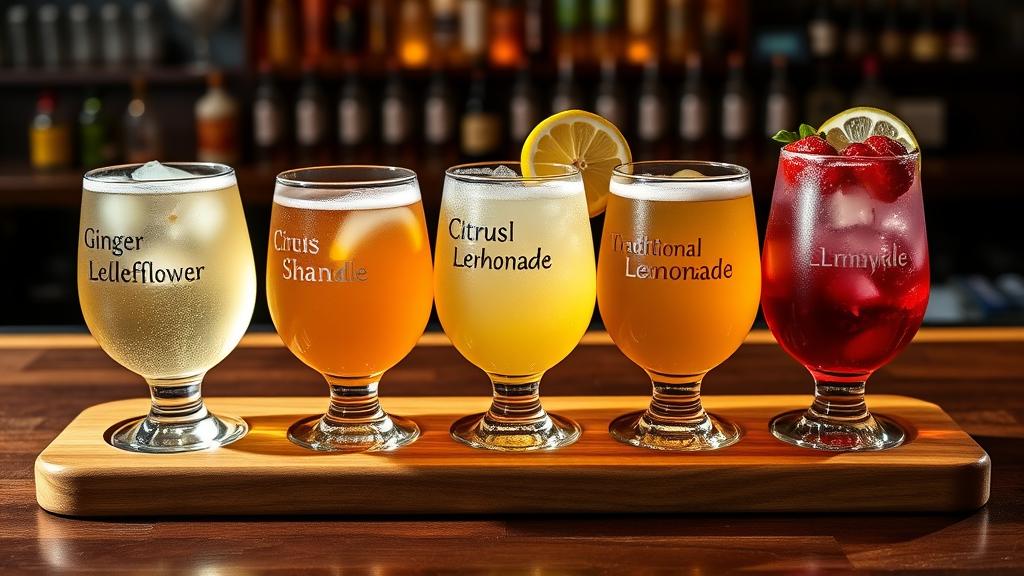
- Ginger Shandy: Add 1–2% ginger root (finely grated, added at whirlpool) for warming spice and natural sweetness.
- Elderflower Shandy: Replace some lemon with elderflower cordial (500 ml per 23 litres) for floral complexity. This pairs beautifully with a wheat beer base.
- Berry Shandy: Add 1 kg of frozen strawberries or raspberries at whirlpool (thawed and drained). The fruit will ferment slightly, adding subtle tartness without artificial flavour.
- Tea-Infused Shandy: Brew a strong batch of Earl Grey or chamomile, cool it, and add 10% to your finished beer. The tannins add sophistication without heaviness.
- Alcohol-Free Version: For those fully embracing the “coasting” mindset, you can create a shandy by cold-steeping hops and citrus in water, carbonating it, and serving it as a sophisticated NA alternative. It’s technically not “homebrewing,” but it’s compelling.
The Coasting Conversation
What’s interesting about the 2026 shandy resurgence is what it says about drinking culture. We’re moving away from the “bigger is better” mentality of craft beer’s early 2010s. Premium NA beers are booming, mid-strength options are mainstream, and balance is the new luxury. Shandy sits at the heart of that conversation.
As a homebrewer, this is liberating. You’re not chasing imperial measures or complexity scores. You’re brewing something that fits life—a drink for afternoon gardening, for family gatherings, for warm weather where sophistication isn’t about strength, it’s about intention.
And if you’re still sceptical about a 4% shandy? I’d invite you to taste a well-made one. There’s nothing quaint about it. It’s modern, it’s mindful, and it’s delicious. It’s also exactly what the moment demands.
Final Thoughts
Shandy homebrewing isn’t a reinvention of beer—it’s a return to craft fundamentals. Clean fermentation, fresh ingredients, balanced flavour. If you’ve been intimidated by the complexity of high-ABV beers or experimental styles, shandy is a grounding, foundational project that reminds you why you started brewing in the first place.
So this May or June, when the sun’s actually shining and you’ve got a garden full of people, you’ll have something genuinely special: a shandy that’s entirely yours, brewed with intention, served with pride. And isn’t that what it’s all about?
Now go brew something refreshing. Cheers.
🍺 Join the Brotherhood — Monthly brews, stories & monk wisdom
Subscribe for exclusive recipes, early brew logs, and behind-the-scenes updates straight to your inbox.