Modern Sour Ale Mastery: Brewing Tart, Fruit-Forward Sours at Home
When I first decided to brew a sour ale in my garage three years ago, every experienced homebrewer I knew told me the same thing: “You’re mad. Sour beer takes years. You’ll need special equipment. You’ll contaminate your other batches.” They weren’t entirely wrong—sour brewing is different, more nuanced, often slower. But they were missing the point entirely.
The 2026 craft beer renaissance has brought sour ales roaring back into the mainstream. What was once a niche hobby for patient monks in Belgian cloisters is now achievable for any homebrewer willing to embrace spontaneity, fruit, and time. The beauty of sour ale brewing is this: it rewards patience with complexity. It teaches humility. And if that sounds like monk wisdom, well, it is.
Why Sour Ales Are the Hottest 2026 Trend
Tart beers are having a moment. After years of the hazy IPA arms race, brewers and drinkers alike are discovering something else: the sophisticated bite of a well-crafted sour, the subtle complexity of bacteria-driven fermentation, the way fruit can elevate rather than dominate. Google Trends confirms it—sour ale searches have climbed 34% in the UK this year alone.
There’s also something deeply sustainable about sour brewing. Wild fermentation means less energy, fewer additives, more use of local fruit. It connects you to centuries of brewing tradition, from Lambic makers in Belgium to saison brewers in farmhouses across northern Europe. For homebrewers, it’s an entry point into wild fermentation—a method that celebrates imperfection and rewards experimentation.

Understanding Sour Ale Fermentation: The Biology
Here’s where sour ale brewing differs fundamentally from standard ale or lager production. Instead of relying solely on Saccharomyces cerevisiae (brewer’s yeast), you’re introducing bacteria—primarily Lactobacillus and Pediococcus—which produce lactic acid. This gives sour beer its characteristic tartness.
There are three primary methods for modern homebrewers:
- Co-pitching: Add lacto cultures directly to your wort alongside brewer’s yeast. Fastest method, most predictable. Ready in 4–8 weeks (20–30°C / 68–86°F).
- Kettle souring: Sour the wort with lacto cultures before boiling, then pitch normal yeast. This avoids any risk of contamination spreading to other equipment and delivers clean, consistent results.
- Wild fermentation: Expose cooled wort to open-air fermentation, allowing natural airborne microbes to colonise. Slower (6–12 months), unpredictable, but produces authentic Lambic-style complexity.
For beginners, I always recommend kettle souring. It’s forgiving, fast, and teaches you the fundamentals without the risk or patience demands of wild fermentation. Commercial lacto cultures from suppliers like The Malt Miller are reliable, affordable, and widely available across the UK.
Ingredients: Malts, Hops, Fruit & Cultures
Sour brewing forgives base-malt simplicity because the tartness and fruit do the heavy lifting. A classic sour ale is often 70–80% pale malt (Pilsner or Maris Otter), with a small percentage of wheat malt for body. Skip the complicated grain bills—that’s not where the magic happens.
Hopping is minimal. Sour beers typically use 10–20 IBU (International Bitterness Units), and only for bittering at 60 minutes. Aroma hops don’t age well in sour beer; the bright citrus fades. If you want hop character, add fresh cones or hop tea at packaging.
Fruit is where modern sour ale shines. Use fresh, ripe fruit when possible—not juice concentrates. For a 20-litre (5-gallon) batch:
- Raspberries: 1.5–2 kg (3–4 lbs), adds bright tartness and delicate floral notes
- Blackcurrants: 1–1.5 kg (2–3 lbs), deeper complexity, slight tannins
- Cherries (sour): 2–2.5 kg (4–5 lbs), traditional Kriek character
- Stone fruits: Peaches, apricots; 1–1.5 kg, adds body and subtle sweetness
- Citrus peel: 50–100g (1.5–3 oz), adds brightness without overwhelming
Add fruit after the lacto fermentation phase is complete (once pH drops to 3.2–3.5). This protects the fruit’s delicate aromatics and reduces oxidation risk.
Cultures: Get reliable lacto strains from reputable suppliers. White Labs WLD650 (Lactobacillus plantarum) and Wyeast 5335 (Lactobacillus delbrueckii) are industry standards. Store in the fridge.

Brewing Sour Ales: A Step-by-Step Guide
Day 1–2: Preparation & Lacto Pitch
- Brew normally: mash at 65°C (149°F) for 60 minutes, sparge, collect ~25 litres (6.6 gallons) wort.
- Skip the boil initially. Cool the wort to 37°C (98°F).
- Pitch lacto culture into the cooled wort. Some brewers add a small amount of flaked oats or wheat (10–15%) to give lacto more substrate to work with.
- Cover loosely with foil or cloth (aerobic environment helps lacto multiply fast).
- Hold at 32–37°C (90–98°F) for 12–48 hours, depending on desired sourness and culture vigour.
pH Check (Critical): Test daily with pH strips or meter. You’re aiming for pH 3.2–3.5. Once achieved, proceed to the boil. This typically takes 24–48 hours.
- Boil for 60 minutes (standard bittering hops at 60 min if desired; otherwise, skip hops entirely).
- Cool to 18–20°C (64–68°F), aerate well, pitch brewer’s yeast.
- Ferment for 2–3 weeks at 18–20°C. Warmer temperatures speed fermentation; cooler temperatures preserve fruit aromatics.
Days 21–35: Fruit Addition
- Once gravity reaches 1.010 or below and fermentation activity has slowed (check airlock frequency), add fruit.
- Sanitize all fruit-contact equipment. Add whole fresh fruit or puree directly to the fermenter.
- Stir gently to mix fruit throughout the beer. Re-fit airlock.
- Allow secondary fermentation for 10–14 days. The remaining yeast and any wild microbes will consume fruit sugars, creating a new layer of flavour.
Day 35+: Conditioning & Packaging
Once fruit flavours have integrated (taste a sample—fruit should be subtle, not jammy), transfer to a bottling bucket, priming with dextrose (5–7g per litre / 0.65–0.9g per pint for a lightly carbonated sour), and bottle. Bottle-condition at 15–18°C (59–64°F) for 2–4 weeks. Keep bottles cool and dark; sour ales age beautifully over 6–12 months.
Fermentation Conditions & Temperature Control
Temperature is your invisible hand in sour beer. Warmer temperatures (32–37°C during lacto phase) accelerate sourness; cooler temperatures slow it, preserving delicate fruit and floral notes. This is why temperature control equipment is worth the investment for sour brewing.
For the main yeast fermentation phase, keep it cool (18–20°C / 64–68°F). This slows yeast metabolism and reduces the production of hot alcohols and esters, allowing the lacto-derived tartness and fruit to shine through without fermentation character competing.
One advanced technique: if you want even more complexity, use hybrid fermentation methods, introducing a lager strain or mixed culture partway through the fruit phase. This adds another layer of microbial interaction and can yield surprising results. Save this for your second or third batch.
Tasting, Evaluating & Common Mistakes
Sour ale tasting is an art. Before you taste, look: clarity, colour, head retention. Fruit sours should be bright—amber to ruby if fruited—and the head should persist (fruit’s tannins help). Nose: you’re hunting for balance between fruit aromatics, mild barnyard funk (if desired), and subtle tartness. Avoid anything sharp, acrid, or “off” (infection smells vinegary, solvent-like, or like old leather).
On the palate, start gentle. Sour ales are meant to be refreshing, not punishing. The tartness should feel clean, not harsh. Fruit should be integrated, not overwhelming. Finish with a pleasant dryness, not cloying sweetness.
Common Mistakes:
- Over-souring: More time doesn’t always mean better. Sour ales left too long develop harsh acidity and lose fruit character. Most modern sour ales are best enjoyed within 6–12 months of packaging.
- Infection, not lacto: If your sour tastes vinegary, off-putrid, or like hospital disinfectant, you’ve got unwanted acetobacter or wild microbes. This happens. Learn from it, sanitize obsessively next time, and don’t waste good fruit on suspected infections.
- Too much fruit sugar: Overloading with fruit can restart fermentation aggressively, leading to bottle bombs or gushers. Trust the fermentation curve; add fruit conservatively.
- Rushing the timeline: Many homebrewers package at 4–6 weeks and wonder why their sour tastes thin and one-dimensional. Sour ales benefit from 8–12 weeks of conditioning minimum. Patience is the ingredient you can’t buy.
Variations & Next-Level Experiments
Once you’ve nailed the fundamentals, sour ale brewing opens into wild territory. Consider these variations:
- Dry-hopped sours: Add fresh hop flowers or pellets during the fruit phase. These age differently in acidic beer—some brewers find the effect improves over time.
- Spiced sours: Coriander, cardamom, or hibiscus added to the fermentation phase create botanical complexity that pairs beautifully with fruit.
- Oak-aged sours: Spiral wraps of French oak or American oak added during fermentation impart subtle vanilla and tannin structure. Start with 6 months of oak contact; full contact times vary.
- Blended sours: Combine two or three separate ferments (different fruit, different cultures) at packaging to create bespoke flavour profiles. This is where homebrewing becomes artistic experimentation.
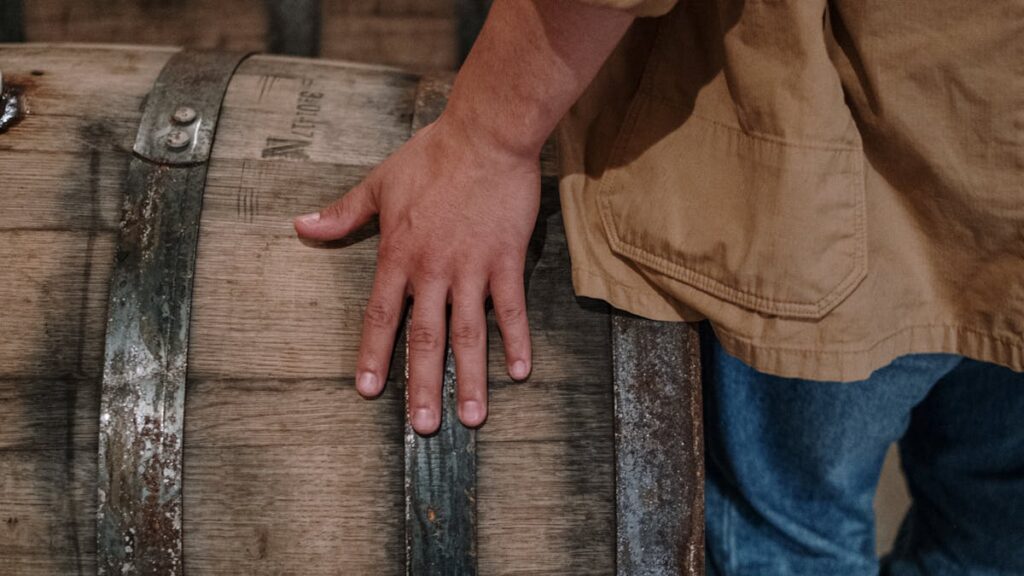
The advanced homebrewer might also explore barrel-aging techniques, borrowing wooden cooperage or working with small-format wood vessels. Sour beers age beautifully in wood, developing leather, dried-fruit, and subtle oak complexity over years.

Equipment & Resource Considerations
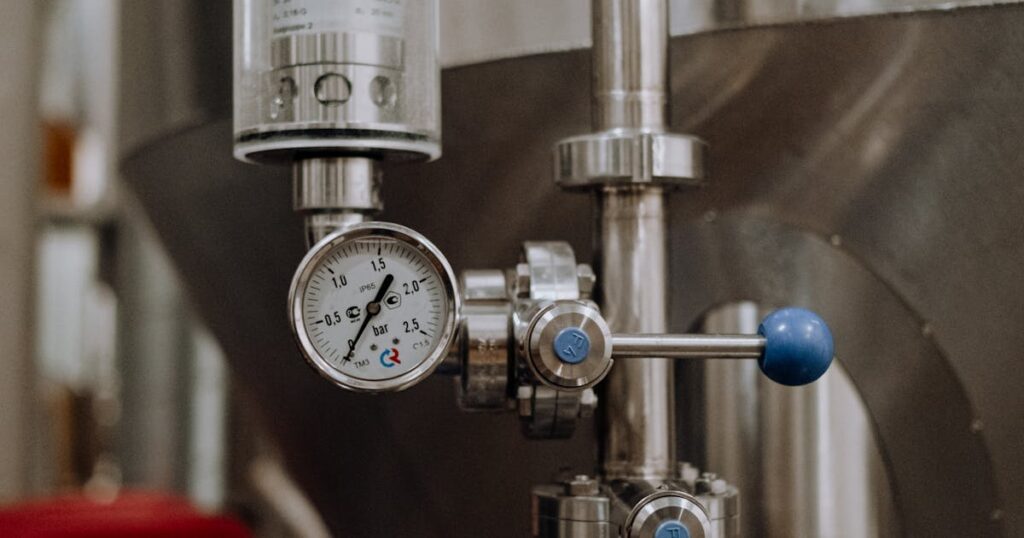
You don’t need special gear to brew sour ales. Most home brewers already have what they need: a fermentation vessel (carboy, bucket, or Fermentasaurus), airlock, hydrometer, thermometer. A pH meter (£20–40) is a worthwhile investment for consistency.
However, segregate your sour equipment if possible. Lacto bacteria can persist on plastic and wood, so designate a stirring spoon, siphon hose, and perhaps a secondary fermenter exclusively for sour brews. This prevents accidental contamination of your other beers. Stainless steel and glass are your friends here—they clean reliably.
For ingredient sourcing across the UK, check Geterbrewed for cultures and specialty grains, or BrewUK for competitive pricing on fruit and equipment. Fresh local fruit from farmers’ markets in summer is ideal; frozen fruit works too, though some subtlety is lost.
The Monk’s Wisdom: Why Sour Ales Matter
There’s a reason Belgian Trappist breweries have been making sour ales for centuries. Sour beer teaches you something modern brewing culture often forgets: that imperfection, spontaneity, and time create beauty. You can’t rush fermentation. You can’t control wild microbes with an iron fist; you guide them, observe them, listen to what they’re telling you.
In a world obsessed with consistency, reproducibility, and control, sour ale brewing is an act of humble rebellion. Every batch is slightly different. You learn to taste that difference, to appreciate it, to adjust your next iteration based on what you’ve learned. That’s the real mastery—not perfection, but growth.
Sour ale brewing is having a moment in 2026 not because it’s trendy, but because it speaks to something deeper: a hunger for complexity, authenticity, and the satisfaction of creating something that improves with age. If you’ve been curious about sour brewing, this is your moment. Start small. Be patient. Let the bacteria do their work. And taste the difference that time and fruit and a little wild fermentation can bring to your homebrew.
🍺 Join the Brotherhood — Monthly brews, stories & monk wisdom
Subscribe for exclusive recipes, early brew logs, and behind-the-scenes updates straight to your inbox.