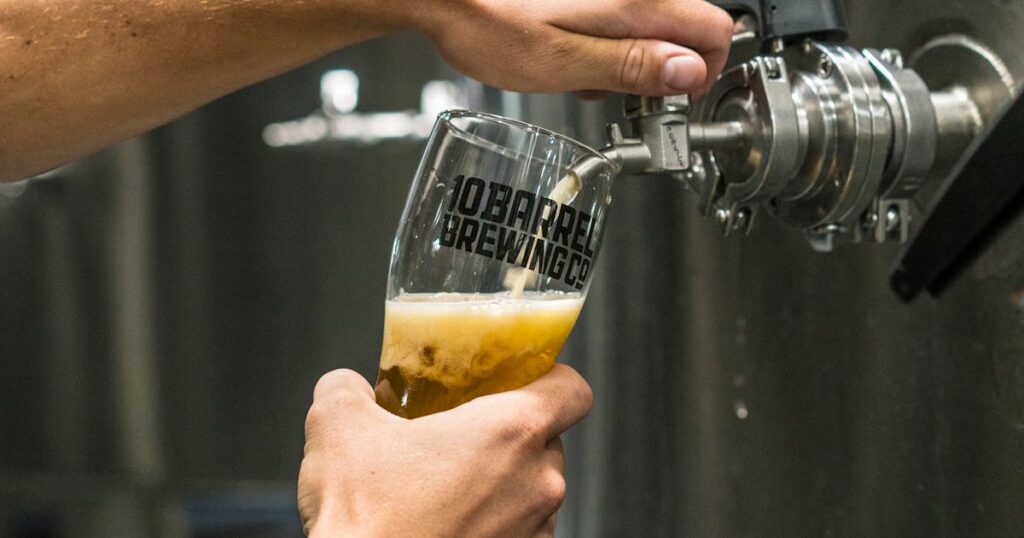
Why Precision Matters: Mashing with Sous Vide
Homebrewing has always been about balance—balancing flavours, balancing timing, and above all, balancing temperature. Yet for decades, many of us have wrestled with mash temperature stability, watching it drift by a degree or two and wondering if we were compromising our beer. The answer, surprisingly, lies not in expensive brewery equipment, but in something that’s already in thousands of kitchens: the humble sous vide immersion cooker.
When you brew a batch of beer, the mash—that critical 30 to 90 minutes where grain sits in hot water—is where the magic begins. Enzymes convert starches into fermentable sugars, and temperature dictates everything about which enzymes activate and which sleep. Overshoot by just 2–3°C and you’ve locked in a thinner body and drier finish. Undershoot, and your beer becomes a cloudy mess. This is why understanding water chemistry and its interaction with grain is so fundamental to consistency. But even perfect water means nothing if your mash temperature swings wildly.
How Sous Vide Solves the Mash Temperature Problem
A sous vide immersion cooker maintains water temperature to within 0.5°C—far better than any traditional homebrewing setup. Instead of relying on a burner you adjust by eye and a thermometer you check every few minutes, you set your target temperature once and the sous vide holds it rock-solid. For mashing, this is transformative. You fill your mash tun or pot with strike water, clip the sous vide to the rim, set it to (say) 66°C, and come back when it’s time to raise to mashout temperature. No stirring, no guesswork.
The cost barrier has evaporated too. A mid-range Anova or Joule cooker costs £80–150, compared to £400+ for a dedicated homebrewing temperature controller. And it does double duty: cook your dinner sous vide on Monday, brew on Saturday. According to homebrewing communities and resources from the American Homebrewers Association, precision mashing has become one of the fastest-growing trends among equipment-conscious homebrewers seeking professional results without professional outlay.
Fermentation Control Without the Heater Belt
But mashing is only half the story. Fermentation temperature control is where sous vide truly shines for homebrewers on a budget. Imagine a glass carboy floating in a water bath, with the sous vide maintaining the bath at a constant 20°C for your lager yeast, or 22°C for your ale. Unlike traditional swamp coolers (which cool only, and unevenly), sous vide both heats and cools, buffering against day–night temperature swings that would otherwise stress your yeast and muddy your flavours.

This is especially valuable if you’re exploring beer styles that demand precision. Kveik yeast strains, which thrive at 30–35°C, have revolutionised fast fermentation, but they’re temperamental without proper control. Sous vide lets you push these yeasts to their full potential. Similarly, classic lagers that require 10–13°C fermentation become feasible even in warmer homes.
Practical Setup and Real-World Results
The beauty of sous vide brewing lies in its simplicity. For mashing, a 25-litre stainless steel pot, your grain, and a sous vide will get you 95% of the way to brewery-quality control. For fermentation, use any food-safe bucket or pot large enough to submerge your fermenter (leaving the airlock above the waterline), fill it with water, and set the sous vide to your target fermentation temperature.
Homebrewers report dramatically more consistent batches within their first few months. Hop character becomes sharper. Esters stabilise. Residual sweetness—that variable that haunts many homebrew batches—finally becomes predictable. These aren’t massive changes; they’re the kinds of 5–10% improvements that, when compounded across five or ten batches a year, transform you from “pretty good” to “this rivals the local brewery.”
For those pushing into advanced techniques, sous vide pairs beautifully with other precision methods. If you’re scaling recipes across batch sizes, as covered in our guide to recipe scaling, temperature control ensures your scaled batch behaves identically to the original. And if you’re experimenting with pressure fermentation, precise temperature is one of the three pillars you’ll need.

When Sous Vide Might Not Be Enough
Clarity: sous vide is brilliant for mashing and fermentation, but it’s not a boil controller. The intense heat of the boil and the volume of vapour make sous vide impractical for whirlpool temperatures or final mashout ramps. You’ll still need a traditional thermometer and burner for those steps—or embrace all-electric homebrewing setups, which offer their own precision advantages.
Also, if you’re brewing larger batches—20 litres or more—you may need a second sous vide or a larger water bath. The cooling capacity of a single cooker can struggle to regulate very large fermenters in hot weather.
The Verdict: Accessible Precision for Everyone
Sous vide brewing is not a gimmick. It’s a proven, affordable pathway to the precision that separates good homebrew from great homebrew. For roughly the cost of a decent hop scale, you gain rock-solid mash temperatures and fermentation control that would have cost homebrewers £1,000+ just five years ago. Whether you’re refining a favourite recipe or experimenting with new yeast strains—including the trendy high-temperature yeasts now revolutionising the hobby—sous vide gives you the stability to focus on what matters: flavour.
Start with mashing. Master that. Then move to fermentation. You’ll be surprised how quickly you adapt, and how noticeably your beer improves. The precision revolution in homebrewing isn’t coming—it’s already here, and it fits in your pot.