Strong Ale Mastery: Brewing Bold, Full-Bodied Ales at Home in 2026
Why Strong Ales Are the 2026 CAMRA Trend Taking Over British Homebrewing
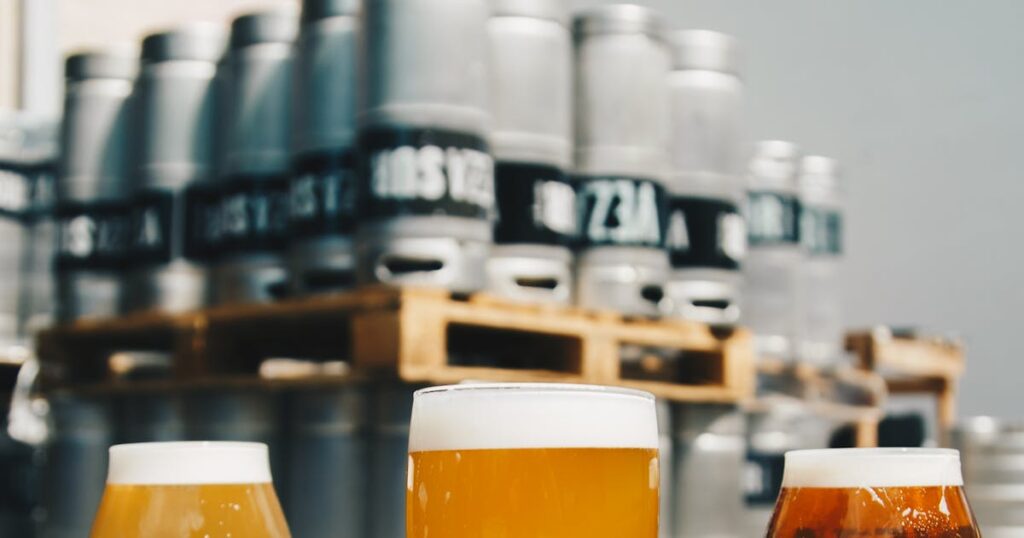
There’s something happening in British brewing right now, and if you’ve been paying attention to the 2026 CAMRA Champion Beer of Britain awards, you’ve felt it too. Strong ales — those bold, complex, full-bodied brews that sit somewhere between 5.5% and 7% ABV — are having a major moment. The awards tell the story: Alfie’s Revenge (6.5%), a strong ale by Driftwood Spars, took bronze with judges raving about its “fruity aroma with toffee and some pear notes.” It’s not just nostalgia either. These aren’t your grandfather’s heavy ales (though there’s something deeply monastic about that lineage). Today’s strong ales marry traditional malt-forward brewing with a modern understanding of balance, where toffee notes dance with citrus, and bitterness lingers in a way that feels earned, not punishing.
As a homebrewer who started out chasing trendy NEIPAs and experimental fruit lambics, I’ve come back to strong ales with a new appreciation. They’re a masterclass in water chemistry and mineral balance, fermentation control, and patience. They demand respect, but they reward it generously with complexity that evolves in the glass and in the bottle over months. If you’ve never brewed one, 2026 is your year. Let me walk you through it.
Ingredients & Equipment: Building the Foundation
Strong ales live or die by their malt bill. This isn’t a style where you can skimp on base malt or get away with extract brewing (though it’s possible, it won’t do justice to the style). You’re looking at a grain bill that typically sits between 1.055 and 1.080 OG, often higher.
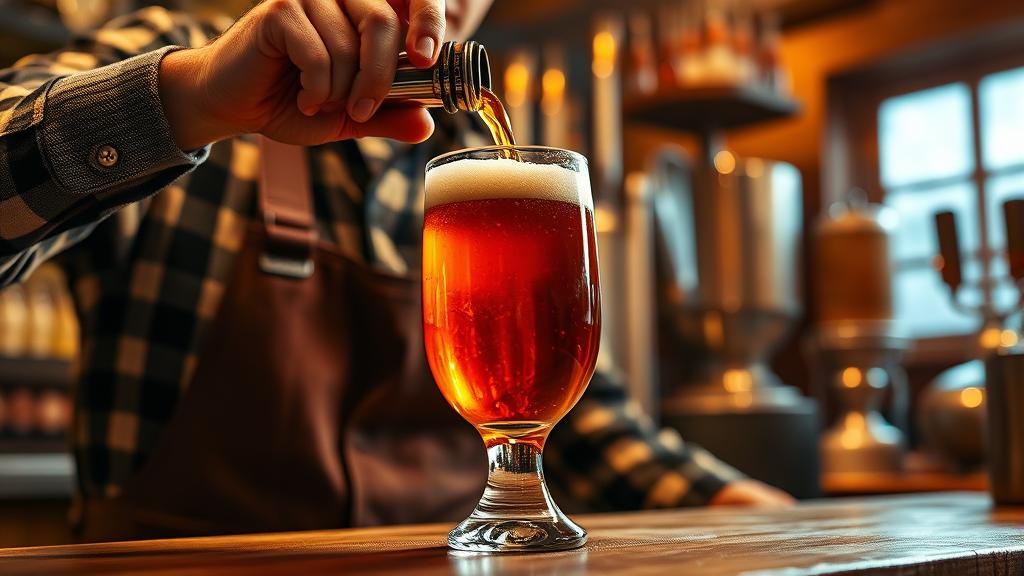
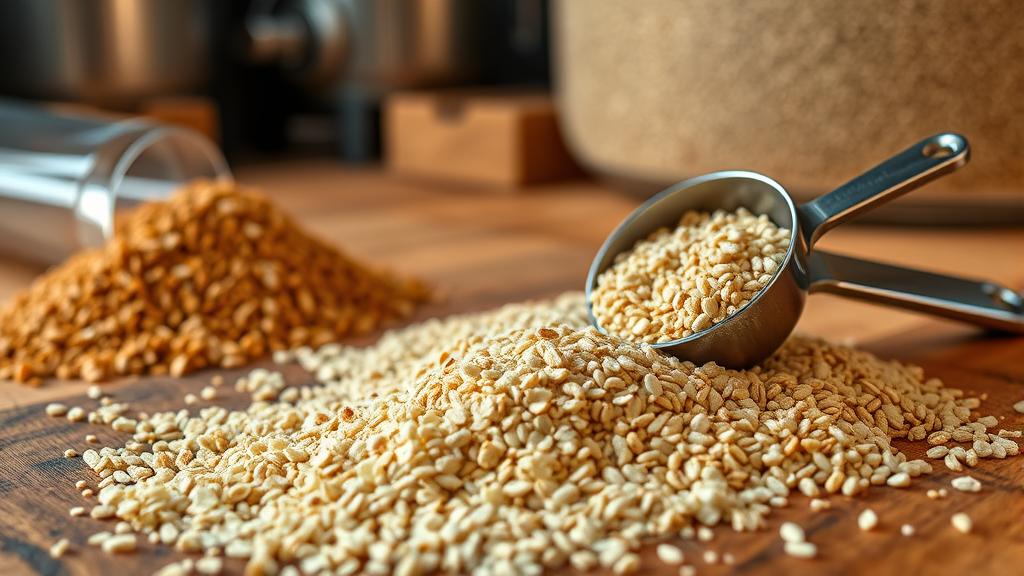
Start with a solid base: pale malt (60-65% of your grist) provides the fermentable sugars, but you’ll want to add depth with crystal malts (crystal 60 or crystal 120, about 10-15%), amber malt (5-10%) for that toasty character, and a touch of pale chocolate malt (2-3%) for colour without excess harshness. The result? That gorgeous deep amber to mahogany hue you see in competition winners.
For hops, traditional British varieties are the backbone. Fuggles and East Kent Goldings — both available from The Malt Miller — provide noble, herbal bitterness that’s smooth and refined, not aggressive. Target around 40-50 IBUs, split between a 60-minute boil addition and a smaller finishing addition at 15 minutes for subtle aroma. No late dry-hopping; strong ales are about malt complexity, not hop fireworks.
Yeast selection matters enormously. English ale yeasts like WLP002 (English Ale) or Wyeast 1968 (London ESB) are traditional, but they can be slow and temperamental. For more reliability, I now favour SafAle S-04 or Lallemand Nottingham — they’re forgiving, attenuate well to leave residual sweetness, and produce the fruity esters that characterise the style. Target fermentation at 18-20°C (64-68°F) for best results.
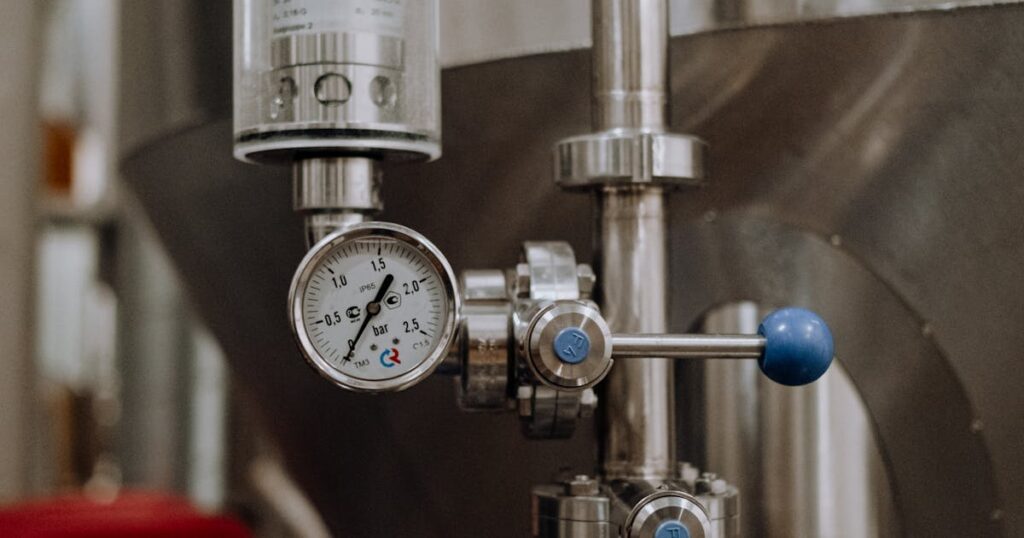
On equipment: you’ll need reliable temperature control. Strong ales benefit enormously from steady fermentation without temperature swings. A fermenting fridge or heated belt is worth every penny. You’ll also want a hydrometer and some patience — this style isn’t a quick turnaround.
Brew Day: The Step-by-Step Process
Let’s assume a 20-litre (5.3 US gallon) batch with a target of 1.065 OG and 45 IBUs.
Mashing (if all-grain): Heat your water to hit a mash temperature of 65°C (149°F) for 90 minutes. This protein rest ensures clarity and smooth mouthfeel. Raise to 68°C (154°F) for 30 minutes to increase fermentability slightly. Sparge at 76°C (169°F) until runoff becomes thin. Target a pre-boil volume of about 26 litres (6.9 USG) and pre-boil gravity around 1.050 OG.
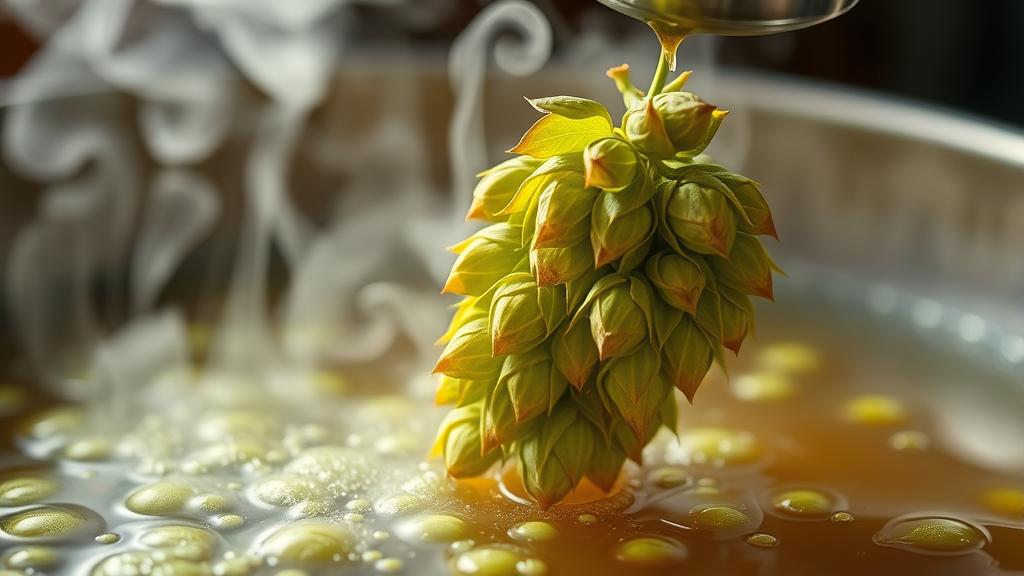
Boil: Start with a full, vigorous boil. Add your bittering hops (20g Fuggles) at the 60-minute mark. Add amber malt extract or a second bittering addition (another 15g Fuggles) at 15 minutes. At 5 minutes, drop in a small finishing addition of East Kent Goldings (10g) for subtle herbal aroma. Add 5ml of Irish moss at 15 minutes to help clarify. Aim for a 60-minute boil total, running off about 20 litres (5.3 USG) of finished wort into your fermenter.
Cooling: Cool to 20°C (68°F) as quickly as possible (an immersion chiller or plate chiller is essential). Aerate well — pitch a good starter or healthy smack pack of yeast at the top of strong ales. Underpitch and you’ll get stuck fermentation; overpitch and you’ll strip esters.
Fermentation & Conditioning: Where Patience Pays Off
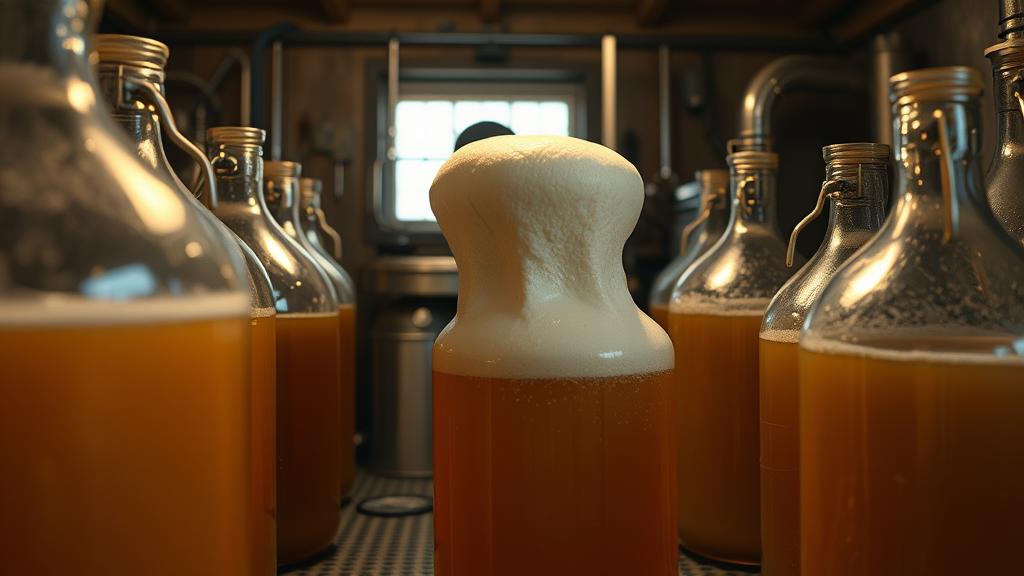
Pitch your yeast into 20°C wort. In the first 24 hours, you’ll see vigorous activity — krausen forming, the whole carboy coming alive. This is where careful temperature control really matters. Don’t let fermentation temperature spike. Maintain 18-20°C throughout primary fermentation, which typically takes 7-10 days for a strong ale (slower than session ales, faster than lagers).
Primary fermentation complete? Don’t rush. Leave it for another week at fermentation temperature to allow yeast to clean up by-products and metabolise acetaldehyde (the green apple flavour). This is called “diacetyl rest” and it’s non-negotiable for clean, polished strong ales.
After 2-3 weeks total, rack to a secondary — ideally a carboy to prevent excessive oxygen pickup. Condition for 4-6 weeks at 15-18°C (59-64°F). This is where the magic happens. Fusel alcohol mellows, harsh edges round out, and flavours integrate. A strong ale that’s green at bottling becomes absolutely brilliant in 6 weeks of conditioning.
Bottle conditioning is traditional and recommended. Prime with 2.5g dextrose per litre for natural carbonation. Target 2.0-2.3 volumes of CO₂. Bottle at ambient temperature for 2 weeks, then cold condition for another 2-3 weeks before opening. You can drink them earlier, but honestly, waiting until the 8-week mark from brew day transforms them. This article on bottle conditioning has more detail if you want to dial it in further.
Tasting Profile: What You’re Looking For
A well-brewed strong ale is a study in balance. You’re aiming for:
- Aroma: Fruity esters (stone fruit, a touch of pear), warm toasty malt, subtle hop spice. No harsh alcohol burn.
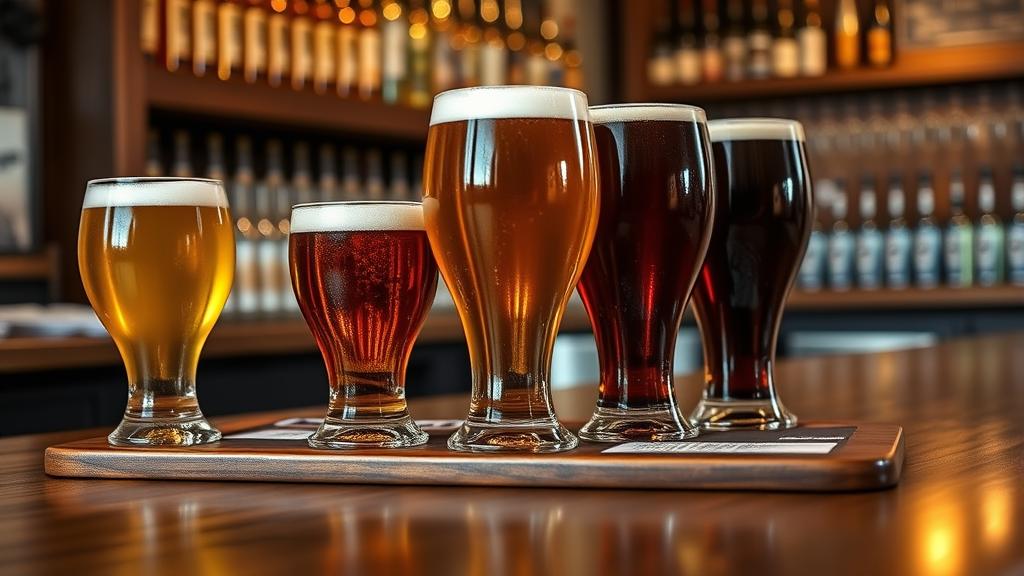
- Colour: Deep amber to mahogany — those crystal and amber malts doing their job.
- Flavour: Toffee and caramel up front, malt sweetness balanced by 40-50 IBU bitterness, fruity finish with lingering dry bitterness.
- Mouthfeel: Full-bodied, warming, but clean. A strong ale should feel substantial without being syrupy or cloying.
Compare your bottle to the 2026 award winners: Wildcat (5.1%) with its “dark orange marmalade with honey” notes, or Alfie’s Revenge with those pear and toffee characteristics. These are benchmarks. If your ale is hot, sharp, or tastes like fusel alcohol, you’ve likely fermented too warm or underpitched. If it’s flat and boring, you might have over-attenuated or fermented too cool.
Strong ales age beautifully. A 6.5% ale from this batch, kept cool and dark, will improve in the bottle for 12-24 months. I’ve opened 2-year-old strong ales and found them complex, rounded, and honestly stunning — the alcohol integrates completely, and secondary flavours emerge.
Pro Tips & Common Mistakes
Temperature control is everything. Ferment warm, and you’ll get hot fusel alcohols. Ferment too cool, and you’ll get a stuck fermentation or thin, boring beer. Invest in a temperature-controlled fridge or heat belt. It’s the single best upgrade for strong ale brewing.
Don’t skip the diacetyl rest. That extra week at fermentation temperature isn’t wasted time — it’s essential. Green apple and buttery notes will fade, leaving clean, integrated flavours.
Patience with conditioning. I see homebrewers bottling strong ales on a Friday and expecting to drink them by Monday. It won’t work. These beers need 6-8 weeks minimum. If you’re impatient, brew a session ale in parallel.
Use proper yeast starters. Strong ales have high gravity and need healthy pitching rates. Prepare a 1-2 litre starter from your smack pack or vial, ideally 24 hours before brewing. This makes a massive difference to fermentation speed and quality.
One mistake I made early on: fermenting in a cool garage without heatsource, thinking cooler is always better. I ended up with a stuck fermentation at 1.020 OG — thin, sour, and undrinkable. Now I’m militant about temperature consistency.
Variations & Next-Level Experiments
Once you’ve nailed the classic strong ale, variations are endless. Decoction mashing (pulling out a portion of thick mash, bringing it to boil, and returning it) adds depth to the malt character — very traditional Czech/German brewers’ secret. Try a 20% decoction to see what I mean.
Consider aging a portion in oak — even secondhand whiskey or bourbon chips added to a carboy for 4-6 weeks will add vanilla, oak spice, and complexity that transforms the beer. Alternatively, blend in a small percentage of a darker ale (porter or stout) to add layers — just 10-15% adds mystery without overwhelming.
Spice additions, too: a small pinch of black pepper or coriander at the end of the boil can echo historic brewing practices. Just be restrained — you’re adding nuance, not making a spiced beer.
Conclusion: Why Strong Ales Matter in 2026
Strong ales are trending right now because they represent something real in British brewing: a return to substance over hype. They’re not Instagram beer (no wild colours, no novelty adjuncts). They’re beers that have been brewed for centuries, refined by necessity and tradition, and they’re as relevant today as they were in Georgian pubs.
Brewing one forces you to slow down, to respect fermentation timing, to understand your yeast, to master water chemistry and temperature control. And when you finally crack open a bottle 8 weeks from brew day and taste the result of that patience — the balance, the warmth, the subtle fruity-malty complexity — you’ll understand why homebrewers keep coming back to this style.
The 2026 CAMRA awards have reminded the brewing world that strong ales deserve attention. Pick a weekend in the next month, grain your ingredients from GetErbrewed, and join us. Your future self — the one enjoying a properly matured strong ale on a winter evening — will thank you.
🍺 Join the Brotherhood — Monthly brews, stories & monk wisdom
Subscribe for exclusive recipes, early brew logs, and behind-the-scenes updates straight to your inbox.