Table beer—also called session ale or session table beer—has quietly become one of the most honest, approachable styles in homebrewing. At 2-4% ABV, it’s engineered for flavour and drinkability, not hangover. I’ve watched the conversation shift in 2026: people are tired of 7%+ imperial IPAs. They want something you can drink three pints of, finish tasting the hops, and still cycle home.
This isn’t about cutting corners or watering down beer. It’s about intention. The monk breweries of medieval Europe knew this trick—they brewed low-alcohol table beers for daily consumption while high-gravity ales were reserved for feast days. We’re rediscovering something old wearing a 2026 costume.
Why Table Beer Matters in 2026
The “zebra-striping” trend—alternating alcoholic and zero-proof drinks—has sparked genuine curiosity about intentional, flavourful low-alcohol beer. Home brewers are asking: can I brew something complex at 3% ABV? The answer is absolutely yes, and it’s easier than you’d think.
What makes 2026 different is access to proper tools. New yeast strains developed through classical breeding programmes ferment only certain sugars, allowing you to create beers below 0.5% ABV while retaining texture, balance, and overall character. The technology has matured enough that home brewers can experiment without spending £200 on specialist equipment.
Home brewing communities on Reddit and HomeBrewTalk have exploded with table beer talk in recent weeks. People are sharing recipes, tasting notes, and lessons learned. Session ales and low-ABV brewing are becoming as respected as imperial stouts, which feels like a genuine shift in the hobby.
Ingredients & Equipment for Table Beer Success
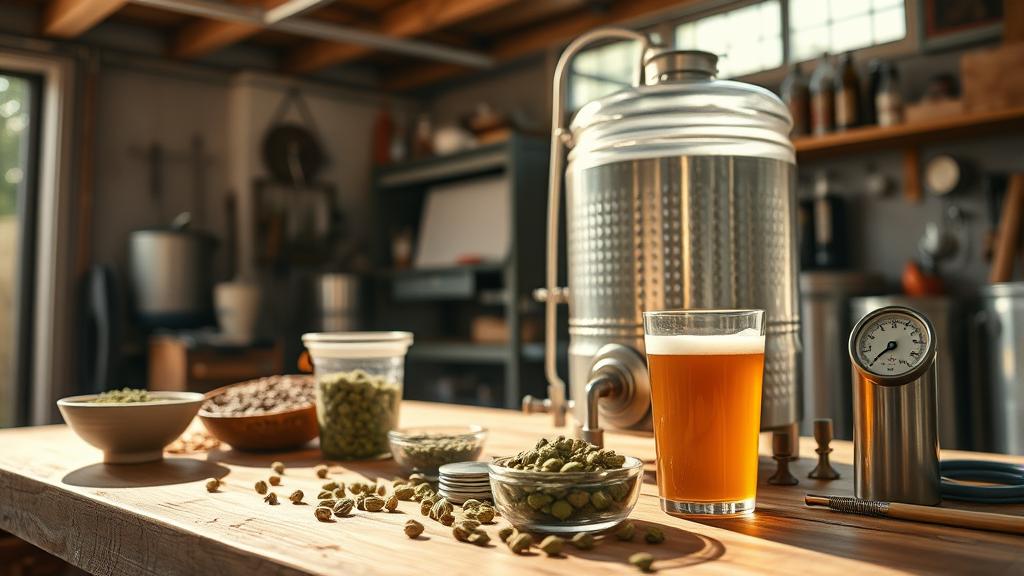
The beautiful part about table beer is that you probably already own everything you need. A carboy, airlock, thermometer, and hydrometer are sufficient. No expensive conical fermenters. No temperature controllers—though they help.
For grain, start simple. A base of pale malt (70-75%) with a touch of Vienna or Munich malt (10-15%) gives body. Add a small amount of crystal malt (5-10%) for subtle sweetness. Skip the dark roasts; table beer is about brightness.
Hops are where it gets fun. Saaz, Hallertau, East Kent Goldings—noble varieties with refined spice and floral notes—work brilliantly. Aim for 15-25 IBU depending on your target profile. A single kettle charge at 60 minutes is often all you need.
Yeast selection is critical. Safale US-05 or Saflager W-34/70 are workhorse yeasts that perform well at lower temperatures. If you want to explore, try newer low-attenuating strains from suppliers like GeterBrewed—they’re designed to leave residual sweetness and body even after fermentation completes.
Step-by-Step Brew Day
Table beer brew days are refreshingly short. Here’s my process:
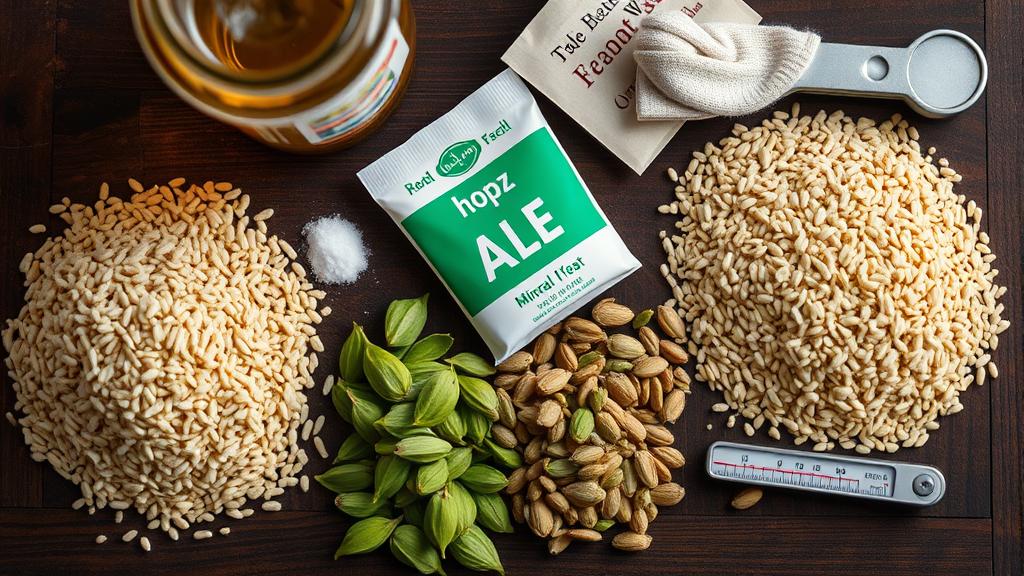
- Mash: Strike 15 litres (4 gallons) of water at 65°C (149°F). Add 3 kg (6.6 lbs) pale malt + 500g Vienna + 300g crystal malt. Rest 60 minutes at 64°C (147°F). This lower mash temperature promotes a drier finish.
- Sparge: Recirculate and slowly sparge with 68°C (154°F) water until you collect 25 litres (6.5 gallons) of wort. Collect slowly—no need to rush.
- Boil: Bring to a rolling boil. Add 25g Saaz hops at 60 minutes. Add 10g East Kent Goldings at 15 minutes. Whirlpool and chill to 18°C (64°F).
- Pitch: Pour into your carboy, aerate aggressively for 2 minutes, pitch yeast. Ferment at 18°C (64°F) for 12-14 days.
Gravity target: OG 1.030-1.035, FG 1.006-1.010. This gives you 3-3.5% ABV with subtle residual sweetness. The lower gravity means fermentation is stable and forgiving.
Fermentation & Conditioning
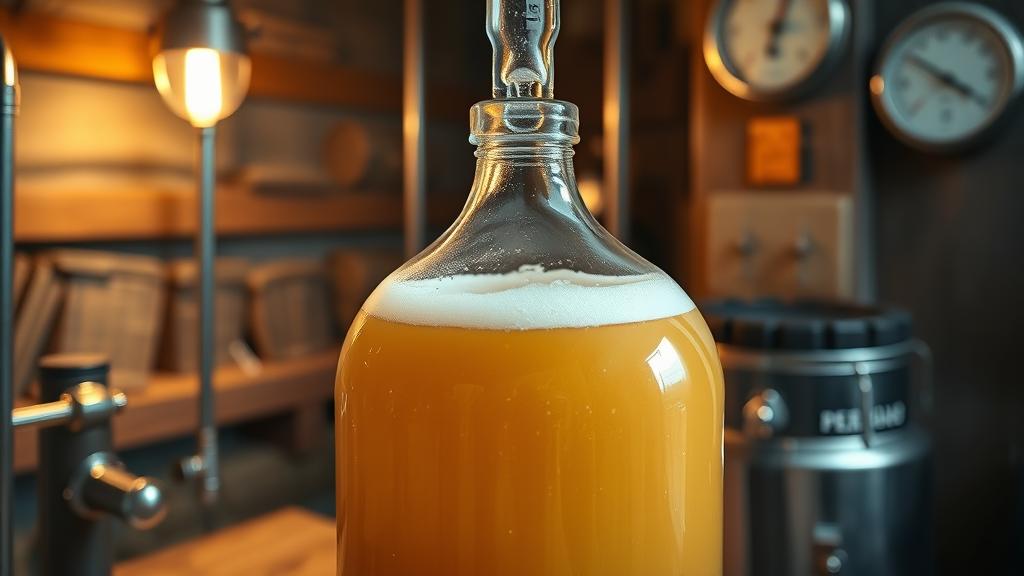
This is where table beer teaches you patience. Don’t rush it. Fermentation at a steady 18°C (64°F) is non-negotiable. Warmer temperatures accelerate the process but produce fusel alcohols and off-flavours. Even on a warm British summer, find a cool spot—basement, north-facing cupboard, or a simple fermentation chamber made from a wine fridge.
After 14 days, check gravity. When it stabilises (same reading 2 days running), it’s ready for packaging. Proper conditioning is especially important for table beer because carbonation adds body and mouthfeel—something the low gravity might otherwise lack.
Bottle for 2-3 weeks at room temperature (18-20°C / 64-68°F). The secondary fermentation is gentle and quick at this gravity. You’ll notice a pleasant, refined carbonation—not aggressive like a barleywine.
Tasting Notes & My Honest Review
I brewed my first table beer in February. Initial scepticism: “3% ABV? That’s not real beer.” Twenty-four hours later I’d finished half the batch.
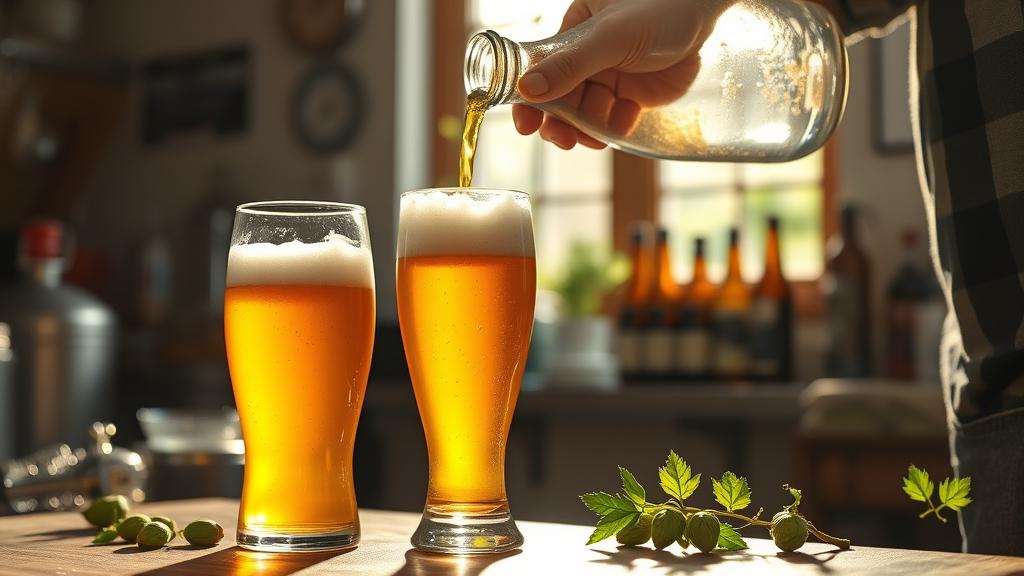
The nose is clean—crisp Saaz spice, subtle hay. On the palate: light grain sweetness, gentle hop bitterness, a whisper of Vienna malt warmth. Carbonation provides real body. The finish is dry and refreshing, with no alcohol burn whatsoever. You taste the beer, not the ethanol.
What surprised me: I could drink 3-4 pints and still function. No brain fog. No crash. But I was tasting _every sip_—every detail of the malt and hop profile. It felt like drinking became intentional again, not just consumption.
This is where table beer intersects with the BJCP British Pale Ale and standard lager guidelines. Low ABV doesn’t mean low complexity. It means precision.
Pro Tips & Common Mistakes
Don’t under-pitch: Low gravity doesn’t mean weak fermentation. Pitch adequate yeast (even slightly more than normal). Underpitching leads to stuck fermentations and off-flavours.
Avoid high-alpha hops: Table beer needs finesse. Stick to noble varieties. Cascade or Centennial can work if you’re disciplined about quantities, but save the Citra and Mosaic for your IPAs.
Don’t skip cold-side: Chill to 18°C (64°F) before pitching. Warm-pitched table beer develops banana and clove esters—sometimes pleasant, often not what you intended.
Be meticulous about cleanliness: Low gravity worts are vulnerable to contamination. Sanitise everything. Wild yeast and bacteria can turn a delicate table beer into vinegar.
The HomeBrewTalk low-gravity forum is full of troubleshoot threads. Spend an afternoon reading them. The patterns emerge quickly.
Variations & Next-Level Experiments
Once you’ve nailed the classic recipe, table beer is your laboratory.
Fruit additions: Subtle citrus zest or stone fruit in secondary adds dimension without overwhelming. Aim for supporting flavour, not gimmickry.
Herbal table beer: A light hand with coriander, chamomile, or yarrow echoes the old gruit ales. This is where herbal ale brewing techniques become accessible at low gravity.
Sour table beer: Cold-side souring with Lactobacillus added post-fermentation creates a light, refreshing low-alcohol sour. Aim for pH 3.2-3.5 and let it condition for 4-6 weeks.
Wheat or rye base: Swap 20-30% of your pale malt for wheat or rye. You’ll get spice, improved head retention, and a slightly softer mouthfeel.
Conclusion: The Table Beer Renaissance
Table beer is not a compromise or a shortcut. It’s a style with honest intention: to deliver flavour, character, and pleasure in a glass you can enjoy without consequence. In 2026, when mindfulness and intentionality matter, table beer feels less like nostalgia and more like the future.
The monastery brewers were onto something. Brew one batch. Taste it cold and clear. You’ll understand why this style is resurging among homebrewers who’ve tired of arms races and alcohol percentage peacocking. Sometimes the best beer is simply the one you want to drink more of.
🍺 Join the Brotherhood — Monthly brews, stories & monk wisdom
Subscribe for exclusive recipes, early brew logs, and behind-the-scenes updates straight to your inbox.