Why Sour Beers Are Dominating UK Homebrewing in 2026
If you’ve been paying attention to the craft beer scene this year, you’ll notice something striking: sour beers have stopped being niche curiosities and become the benchmark for serious homebrewing. The latest UK top 50 rankings put sours at the forefront — and it’s not hype. It’s a genuine shift in what modern brewers, both professional and home-based, are pursuing. And the good news? It’s never been more accessible to brew them at home.
I got into sour brewing almost by accident. A batch went sideways with wild fermentation, and instead of dumping it, I let the lactobacillus and pediococcus do their work. Six months later, I had something complex, alive, and honestly profound. That experience shifted how I think about brewing — less about perfect control, more about partnership with microbes that have been fermented beer for centuries.
This year, sour beers represent something homebrewers have been chasing: wild fermentation and unpredictability without the chaos, tradition without dogma, and results that rival commercial breweries. If you’re thinking about stepping into sour territory, now is the time.
What Makes a Sour Beer Genuinely Sour?
Before we brew, let’s get the science clear. A sour beer isn’t sour because of hops or yeast alone — it’s sour because of deliberate fermentation with lactic acid bacteria, primarily Lactobacillus and Pediococcus. These microbes produce lactic acid, which drops the pH and creates that distinctive pucker you experience on the palate.
The key difference between a sour and an acidic beer is intentionality. A fruited IPA might taste tart from its fruit additions, but a true sour comes from microbial metabolism. This matters because it changes fermentation strategy, timeline, and risk management.
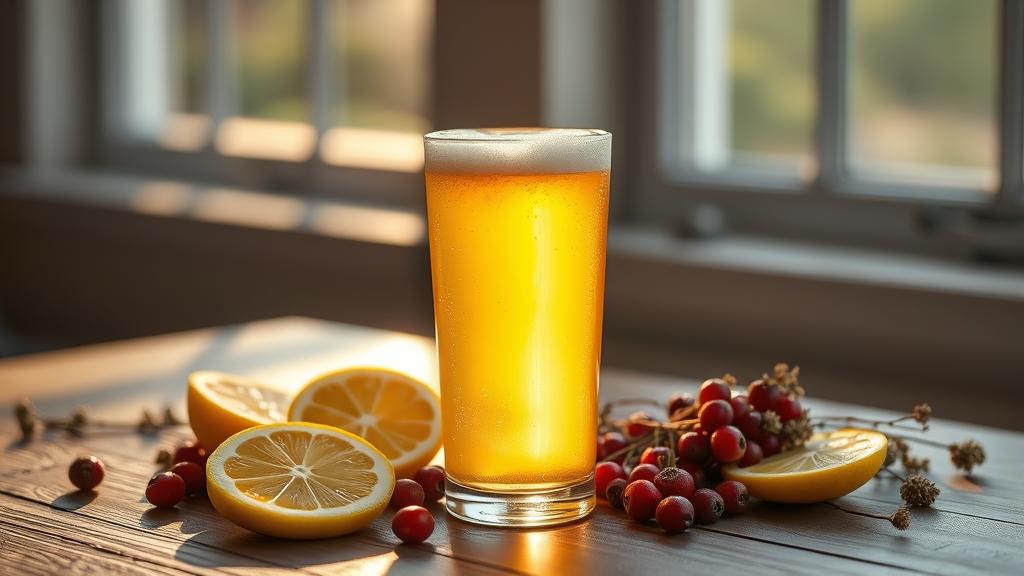
Sour beers can be hopped or unhopped, fruited or plain, light or dark. Styles include Berliner Weisse (pale, crisp), Lambic (spontaneously fermented), Gose (salt and coriander), and modern American wild ales. The common thread is lactic acid, patience, and controlled chaos.
Ingredients & Equipment for Sour Brewing
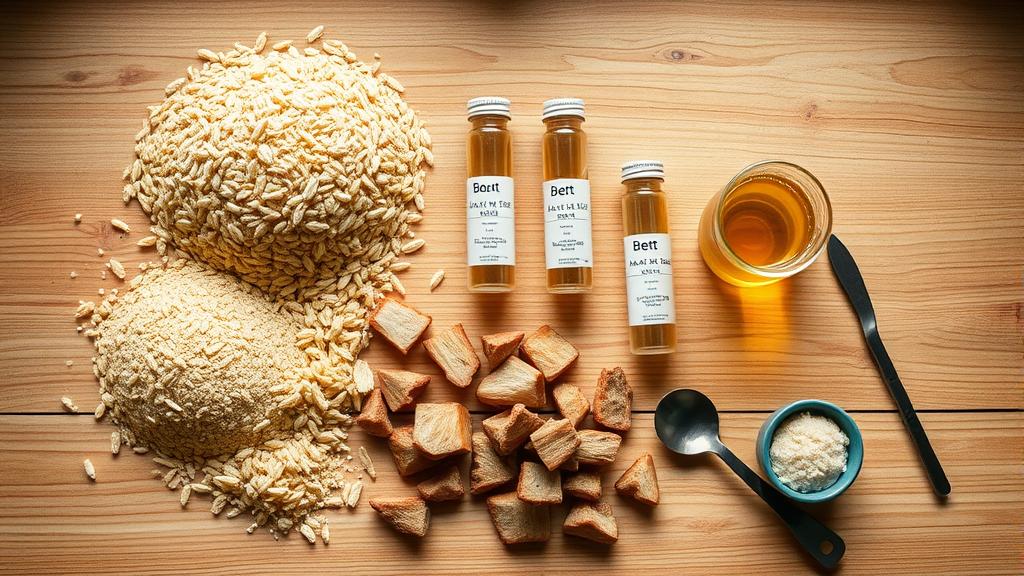
You don’t need exotic kit to start. A standard homebrew setup works fine, but there are a few critical purchases:
- Lactobacillus cultures: Cultures like White Labs WLP677 (Lactobacillus plantarum) or Wyeast 5335 (Lactobacillus delbrueckii) are clean, reliable, and deliver consistent results. They’re available from The Malt Miller and other UK suppliers.
- Pediococcus cultures: WLP605 (Pediococcus cerevisiae) is excellent for mixed fermentation. It’s slower but produces beautiful complexity.
- Stainless steel or glass fermenters: Wood is traditional for lambics, but stainless is easier to clean and monitor. Glass carboys allow you to see what’s happening (vital for sour fermentation).
- Proper oxygen: Unlike standard brewing, sour fermentation sometimes benefits from some oxygen exposure — your fermenters should allow it without contamination risk.
- Sanitisation: Absolutely critical. A pH meter is also worthwhile to track acid development.
You’ll spend £15–30 (€18–36) on cultures alone, but they’re worth every penny. Trying to rely on natural wild yeasts works in specific environments, but cultures are reproducible and safer for learning.
Step-by-Step Sour Brew Day
- Mash and sparge: No difference from standard brewing. Most sours sit in the 3–5% ABV range, so you’re aiming for a modest gravity (1.040–1.060 OG). Use about 40% wheat malt for authentic Berliner Weisse, or go 100% pale malt for a clean platform.
- Boil: This is where sour brewing diverges. Traditionally, lambics and Berliner Weisse use a short boil (30–60 minutes) because long boils can sterilise the wort too thoroughly and eliminate the microbes you want later. I recommend 60 minutes with minimal hopping (5–10 IBU is typical). The goal is sanitisation, not bitterness.
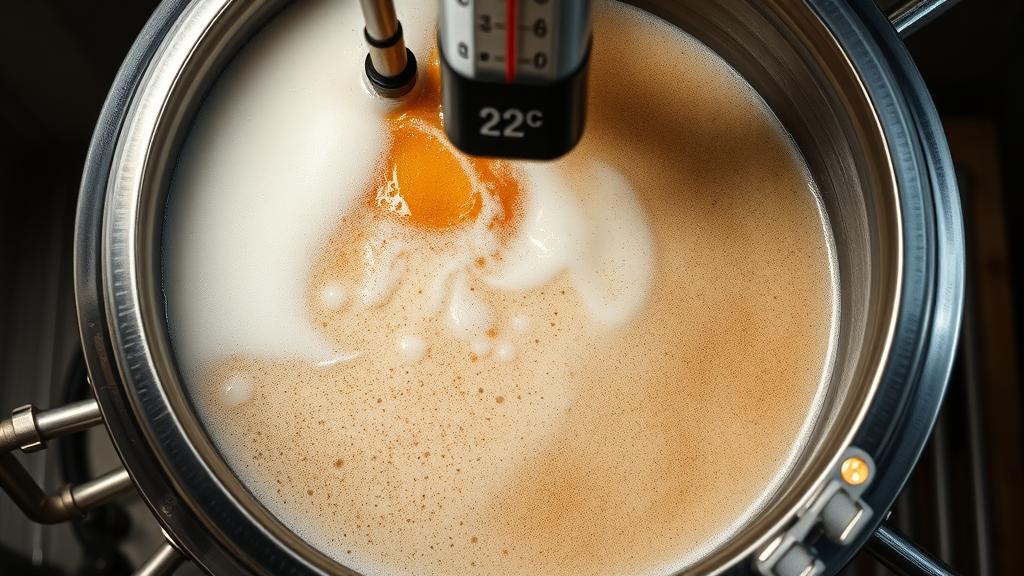
- Cool and aerate: Once cooled to 18–20°C (64–68°F), pitch your primary ale yeast (Saccharomyces cerevisiae) first. Let it ferment for 7–10 days at room temperature, reaching about 40–60% attenuation.
- Pitch lactic acid bacteria: After the ale yeast has established itself, pitch your Lactobacillus or Pediococcus culture. Don’t wait for ale fermentation to finish — the two work together. Lactobacillus prefers an oxygen-present, slightly acidic environment created by the yeast.
- Hold temperature: Keep the beer at 20–25°C (68–77°F) for the next 2–4 weeks. Don’t disturb it. Lactobacillus is slow compared to ale yeast, and you need patience.
- Monitor pH: If you have a pH meter, watch the pH drop from around 4.0 to 3.2–3.4. This signals lactic acid production. Without a meter, taste a small sample every 2 weeks (use a sanitised pipette).
- Bottle or barrel: Once pH stabilises and you’re happy with the sourness, package it. Sour beers often benefit from a touch of residual sugar or dry hopping post-fermentation to balance the acids.
The timeline is longer than a standard ale — expect 3–4 months from brew day to a drinkable beer, and 6–12 months for real complexity.
Fermentation, Conditioning & The Pellicle Question
One of the most striking things about sour brewing is what you see during fermentation. A white or cream-coloured layer (called a pellicle) often forms on top of the beer. This is mostly Lactobacillus biofilm, and it’s not mould — it’s a sign things are working.
That said, not all sour fermentations produce visible pellicles, and their absence doesn’t mean failure. Some Lactobacillus strains are less prone to surface growth. Trust your pH meter and taste more than your eyes.
Conditioning timelines vary. A Berliner Weisse might be ready to drink at 8–10 weeks. A complex barrel-aged sour can improve for 2+ years. Barrel aging sour beers is where homebrewing truly meets craft — oak tannins mellow the acidity, and the wood imparts vanilla, oak, and complexity that makes the wait worthwhile.
When it comes to carbonation, sour beers are flexible. Still (flat) works beautifully for traditional lambics. Carbonation (bottle conditioning or forced) adds body and cuts through the acidity. Most modern sours sit somewhere in the middle, with gentle carbonation (2–2.5 volumes of CO2).
Tasting Notes & My Honest Review
Here’s where sour brewing gets personal. The beer you make won’t taste like any commercial example — it’ll taste like your house, your water, your fermenters, your timing.
The first sour I brewed (the accidental one) developed notes of green apple, hay, and a bone-dry finish. Objectively, it was a bit rough. But there’s something profound about drinking a beer that no one else on Earth will ever taste exactly the way you made it. That’s where the monk wisdom comes in: patience and imperfection as gifts.
Modern sour beers are winning awards because they’re balancing acidity with drinkability. A properly made Berliner Weisse should be bright, tart, and refreshing — not mouth-puckering. If your sour tastes like battery acid, either it’s young (time helps), or you’ve gone too aggressive with the bacteria pitch.
The best sours I’ve tasted have had a touch of residual sweetness, often from fruit additions or conditioning with adjuncts like honey or malt extract. This doesn’t make them less sour — it makes them more sophisticated. Fruit-forward beers benefit from sour fermentation’s acid backbone.
Pro Tips & Common Mistakes
Don’t cross-contaminate your standard ales. Keep sour equipment separate. Even trace amounts of Lactobacillus on a spatula or fermenter can infect a clean ale and ruin it. Dedicated carboys or clearly labelled stainless vessels are worth the investment.
Temperature is less critical than people think. Unlike lagers, Lactobacillus thrives in the 18–25°C (64–77°F) range and can even tolerate cooler conditions. Room temperature is usually fine. Consistency matters more than precision.
Underestimate sourness at your peril. Start conservative with bacterial pitch rates. You can always let it sour longer; you can’t un-sour a beer. Follow culture suppliers’ recommendations (usually 100 mL per 20L batch as a starting point).
Oxygen is your friend, but infection is not. Sour fermentation benefits from exposure to oxygen, but open fermentation risks unwanted bacteria and moulds. Use an airlock or blow-off tube initially, then switch to a loose cover (coffee filter, breathable cloth) after the pellicle forms.
Don’t skip sanitation. This seems contradictory, but it’s the most important rule. You want your chosen Lactobacillus to dominate, not random wild microbes. Proper sanitation and pH monitoring ensure you’re fermenting with the cultures you pitched, not mysterious contamination.
Consider a souring step for quick results. If you’re impatient, kettle souring (adding Lactobacillus to the hot mash at 50°C / 122°F and holding for 24–48 hours before boiling) can produce sour wort in days instead of months. You still ferment normally with ale yeast, but the lactic acid is already present. It’s faster, predictable, and a great entry point.
Variations & Next-Level Experiments
Once you’ve nailed a basic Berliner Weisse or simple sour ale, the rabbit hole deepens:
- Mixed fermentation with Brett: Adding Brettanomyces (wild yeast) alongside Lactobacillus creates even more complex aromatics — stone fruit, leather, and spice. HomeBrewTalk’s Brett guide is essential reading.
- Fruit additions: Cherries, raspberries, and plums work beautifully with sour. Add them post-fermentation or during secondary for best results.
- Spontaneous fermentation: If you’re very curious, try a true spontaneous brew using local wild microbes. This is risky but historically authentic. Many Belgian lambic breweries use spontaneous fermentation exclusively.
- Oak aging: Sourness develops beautifully in oak. The wood tannins integrate with lactic acid to create something polished and wine-like. Even a small oak spiral (£10–20) in a secondary fermenter works.
The key is respecting the timeline. Sour beers reward patience in ways that standard ales can’t.
Conclusion: Why Sours Matter Now
Sour beers represent something deeper than a passing trend. They’re rooted in centuries of brewing tradition — the monks of Belgium, the wild fermentation practices of Eastern Europe, the farmhouse methods that predate modern yeast. Yet they’re modern: precise, accessible, and increasingly approachable for serious homebrewers.
In 2026, sour beers are everywhere in UK rankings because they’re delicious, challenging, and honest. They demand respect for the process and patience for the result. And in a world that often moves too fast, brewing a sour beer is an act of deliberate slowness.
If you’ve been curious about stepping into sour territory, use this as your roadmap. Start with a simple Berliner Weisse or kettle sour. Let the microbes do their work. Taste carefully along the way. And most importantly, embrace the unpredictability — that’s where the magic lives.
After mastering sours, you’ll have a different relationship with fermentation itself. You’ll understand that brewing isn’t about perfect control — it’s about collaboration with creatures we can barely see. And that’s the whole point.
🍺 Join the Brotherhood — Monthly brews, stories & monk wisdom
Subscribe for exclusive recipes, early brew logs, and behind-the-scenes updates straight to your inbox.