Why Weissbier Mastery Matters in 2026
Weissbier—that magnificent Bavarian wheat beer—has quietly become homebrewing’s golden trend. Search any brewing forum, and you’ll see rising interest in this cloudiest, spiciest, most forgiving wheat style. Why? Because Weissbier rewards beginners and challenges experts equally. There’s honesty in that paradox.
I’ve watched homebrewers flock to sessionable brewing over the past year, and Weissbier fits that appetite perfectly: 5–5.5% ABV, sessionable, complex, and somehow both civilised and wild. It’s a beer that doesn’t apologise for itself, which—in my view—is exactly what homebrewing should be about.
Ingredients & Equipment: Building Your Weissbier Foundation
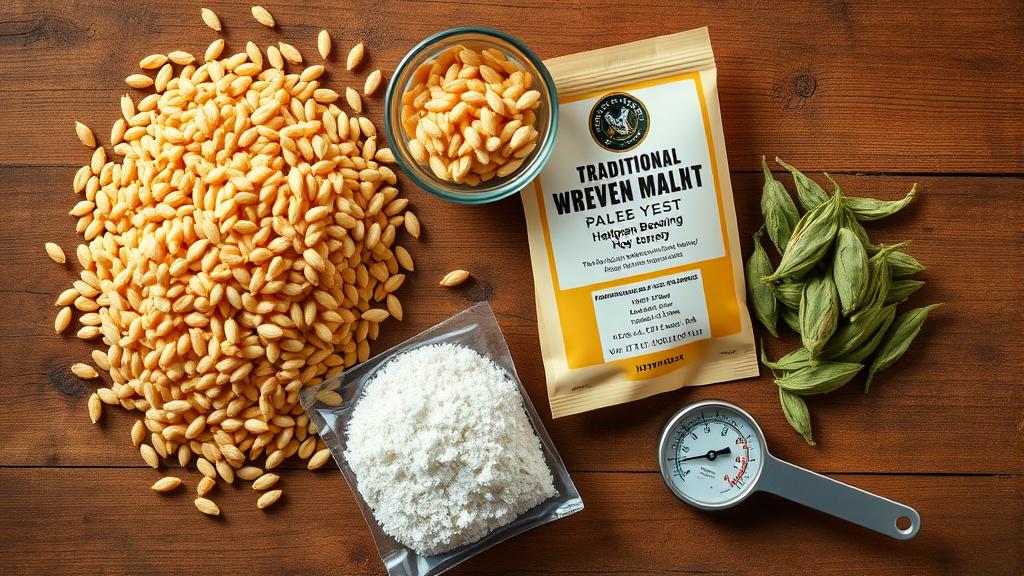
Weissbier’s recipe looks deceptively simple—and that’s its strength. At least 50% wheat malt (often 60–70%), pale or Pilsner malt for the remainder, a handful of noble hops, and Bavarian weizen yeast. That’s it.
The Grist
- Pale Wheat Malt (65%): The heart of the beer. Expect a subtle sweetness and silky mouthfeel. I source mine from The Malt Miller, who stock authentic Bavarian varieties.
- Pilsner Malt (35%): Provides structure and fermentability without dominating the wheat’s character.
Hops (minimal, restrained)
- Hallertau Mittelfruüh (60 IBU bittering, 60-minute boil)
- Tettnang or Spalt (5–10 IBU, 15-minute addition for a whisper of floral character)
Traditional Bavarian brewers keep IBUs below 15; the yeast, not the hops, owns this beer.
Yeast—The Engine
Here’s where Weissbier separates craft from complacency. Bavarian weizen yeast strains (like Wyeast 3638 or White Labs WLP300) ferment warm (18–22°C / 64–72°F) and produce those signature esters: banana, clove, sometimes bubble-gum notes. Cool, and you lose the magic. Let it run hot, and you’ll taste phenolic harshness. Temperature control is non-negotiable.
Equipment Notes
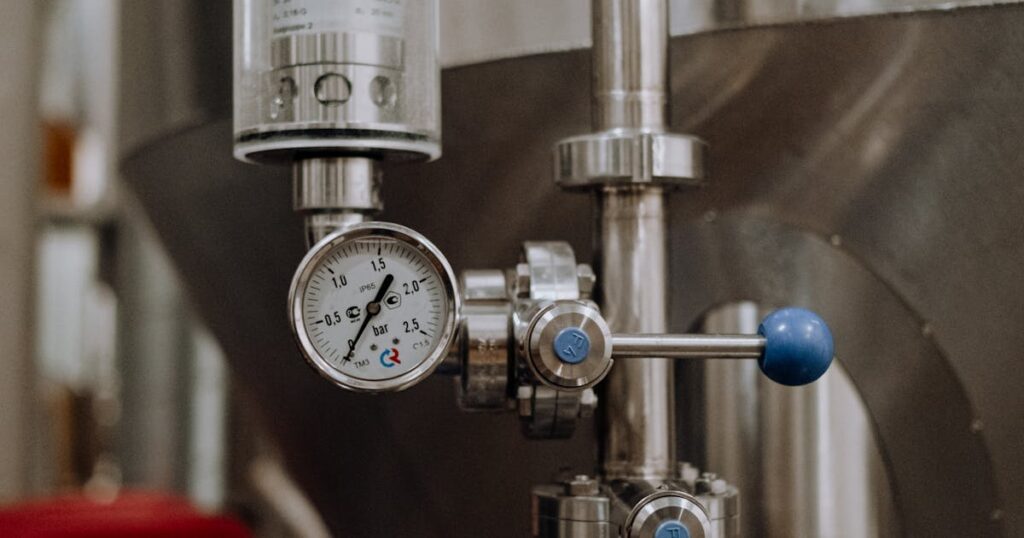
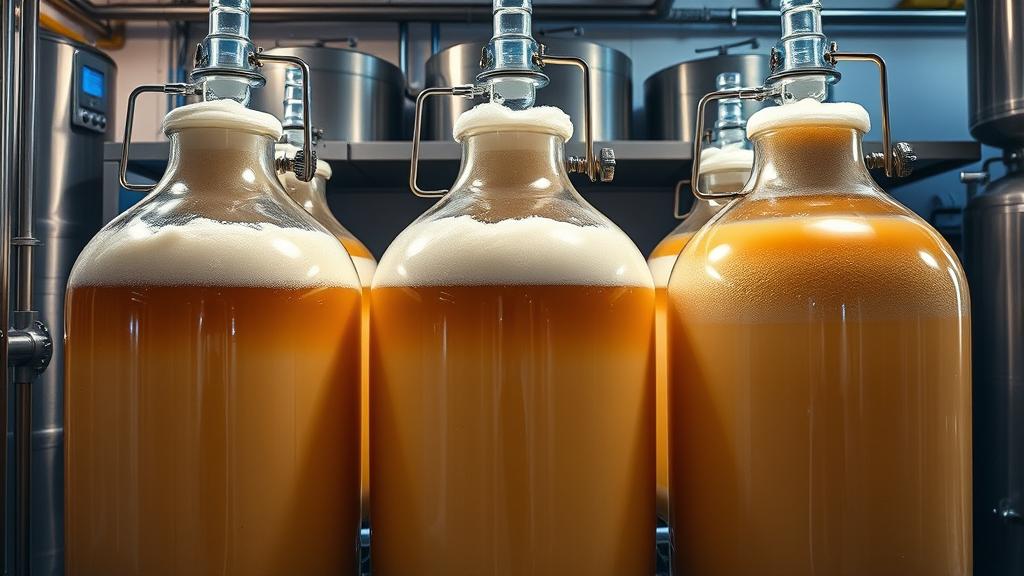
You’ll need a reliable thermometer and temperature control—a basic heat belt and chest freezer dual-purpose setup works perfectly. I ferment my Weissbiers in glass carboys for visibility; watching the krausen (thick foam head) develop is half the joy.
Brew Day: From Grain to Wort
Weissbier brewing follows standard all-grain technique, but pay attention to a few critical points.
1. The Mash (64–68°C / 147–154°F, 90 minutes)
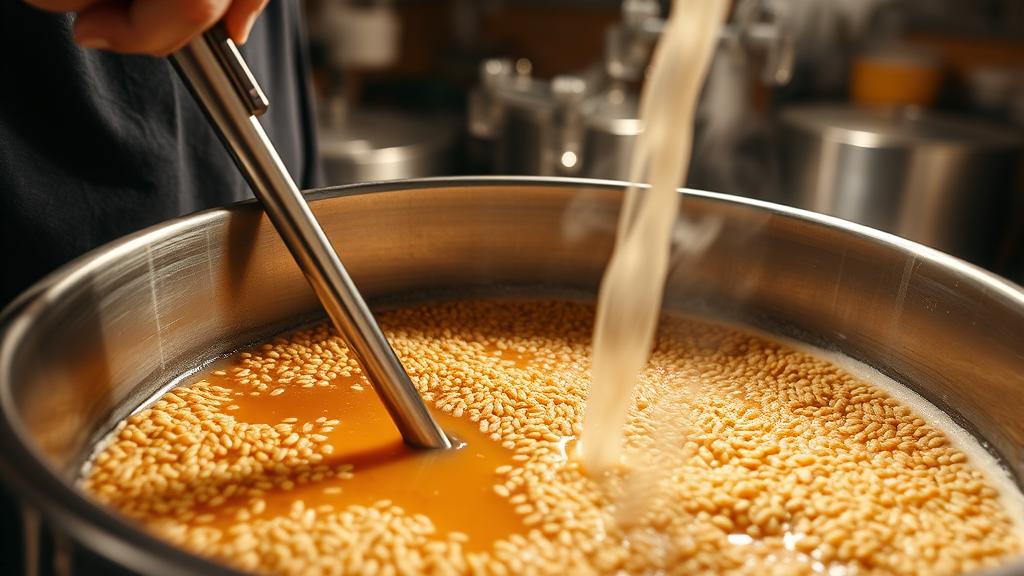
Wheat lacks sufficient enzymes to break down its own starches, so you’re relying almost entirely on barley’s diastatic power. A single infusion mash at 67–68°C (152–154°F) is traditional and effective. I hold this temperature for a full 90 minutes, stirring occasionally, to ensure complete conversion.
2. The Sparge (careful handling)
Wheat mash beds are dense and sticky. Slow your sparge to avoid tannin extraction. A fly sparge—or even a batch sparge with an extra rinse—beats flying blind through a fast run-off.
3. The Boil (90 minutes, not the traditional 60)
A longer boil gives you better hot-break formation and colour stability. Single bittering charge at 60 minutes; minimal late-addition hops.
Step-by-Step Brew Timeline
- Strike water: 2.5 litres per kg of grain (2.6 qt/lb), heated to 76°C (168°F)
- Mash-in: Mix grains into water, target 67–68°C (152–154°F). Stir for 5 minutes.
- Rest: 90 minutes. Stir every 20 minutes to avoid settling.
- Mash-out: Raise to 76°C (170°F) for 10 minutes to stop enzymatic activity.
- Sparge: Slowly, at 76°C (170°F), collecting 40 litres (10.5 gallons) wort total.
- Boil: 90 minutes. Bittering hops at 60 minutes. Whirlpool at flameout.
- Chill: To 18°C (64°F) before pitching.
Fermentation & Temperature Control: Where Magic Happens
Pitch your Bavarian yeast (2 million cells per millilitre per degree Plato—roughly a starter from 1.5 litres for a 20-litre batch) into wort at 18°C (64°F). Within 24 hours, you’ll see a thick, aggressive krausen—this is the yeast telling you it’s alive and ready.
Maintain 20–22°C (68–72°F) throughout fermentation. Too cold, and your esters don’t develop; too warm, and you’ll get solvent-like phenolics. I’ve learned this the hard way, and I’d rather tell you than watch you repeat my mistakes.
The fermentation will be vigorous and fast—expect gravity to drop 40 points in the first 5 days. By day 10, you should see attenuation approaching completion. Leave it for 14 days total; the yeast will continue cleaning up acetaldehyde (that green-apple note) and settling.
One more piece of fermentation wisdom: Weissbier yeast throws a lot of sediment and proteins. Don’t rack to secondary unless you’re planning extended conditioning. A single-vessel fermentation with a quiet rest works beautifully.
Conditioning & Carbonation: Patience Rewarded
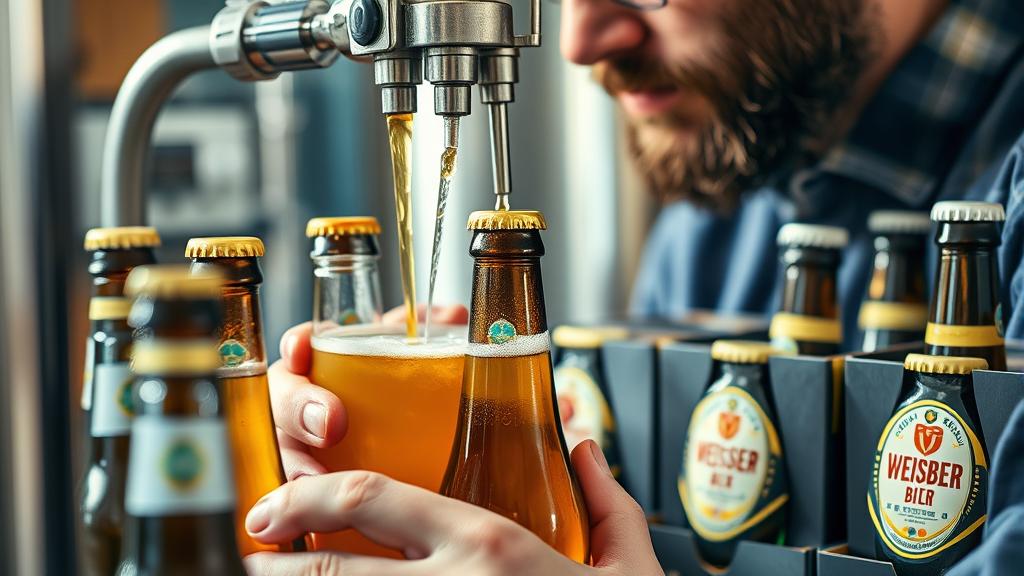
Bottle-condition your Weissbier with 2.5–3.0 volumes of CO₂ (use a priming sugar calculator; for a 20-litre batch, around 125–150 grams of dextrose works). You’re looking for a light sparkle—not a champagne fizz.
Condition at room temperature (18–20°C / 64–68°F) for 3–4 weeks. The yeast will create a tight, creamy head and clean up any residual off-flavours. This waiting period is when Weissbier develops its full character: those banana and clove notes integrate, and any harshness mellows into elegance.
Store bottles upright in a cool place (not warm). Weissbier—unlike many ales—doesn’t improve indefinitely. Drink it within 3–6 months for peak freshness, when that yeast sediment is still vibrant and the esters haven’t oxidised.
Tasting Notes & My Honest Review
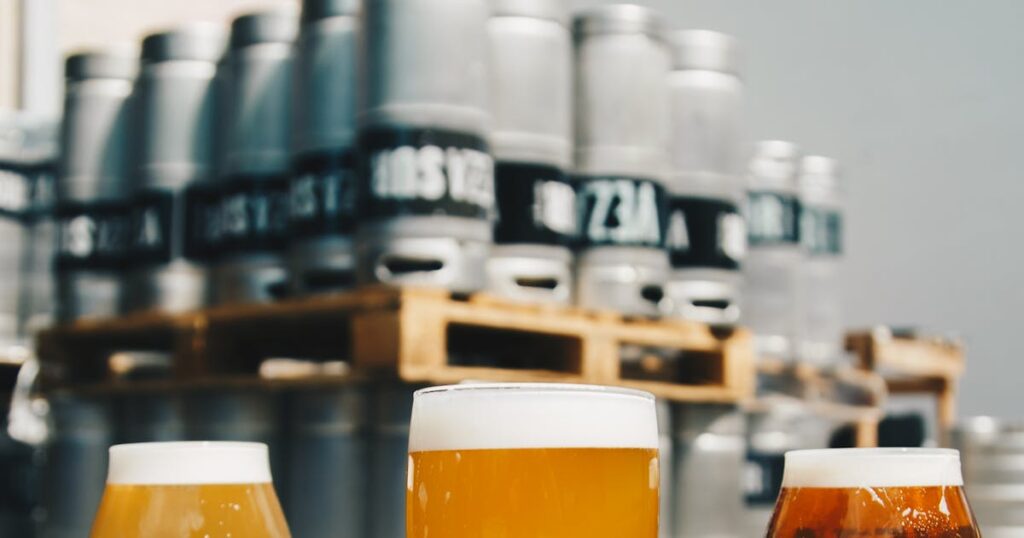
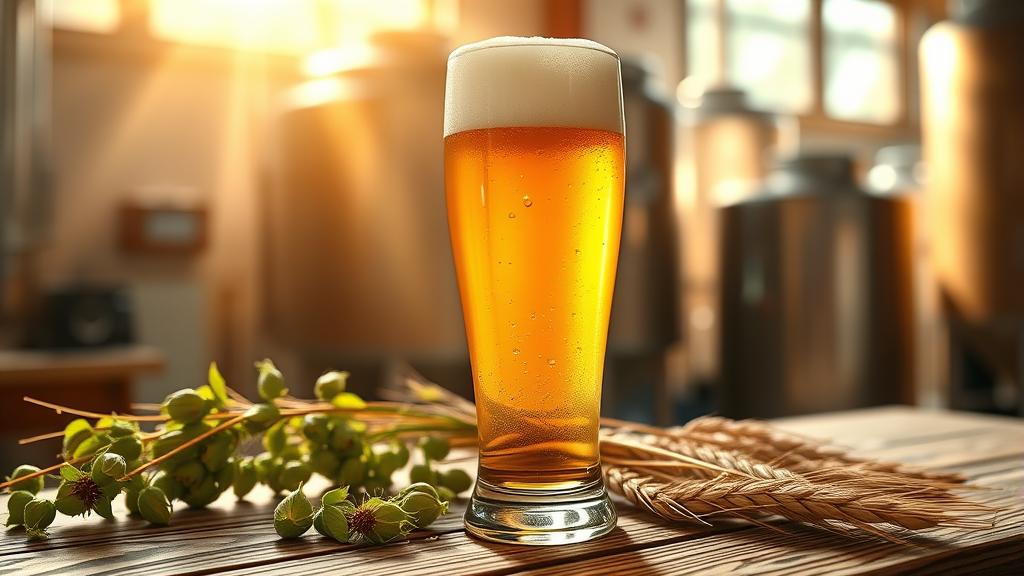
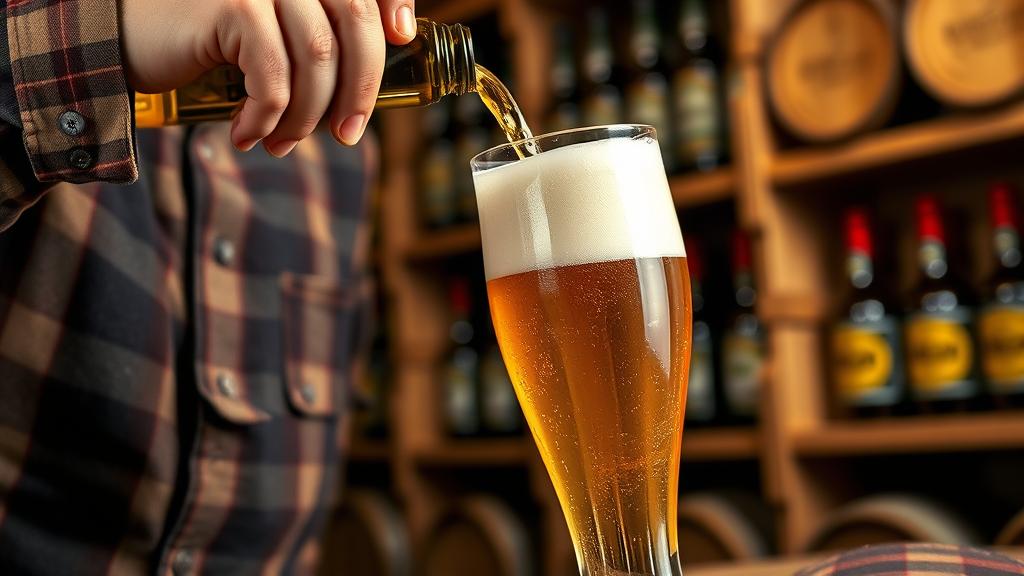
A well-made Weissbier should pour hazy golden to amber, with a thick, tight foam head that lasts through the glass. It’s inherently cloudy—never filter or fine it. That cloudiness is where the character lives: suspended yeast, proteins, and flavour compounds.
On the nose, you’re hunting for banana (isoamyl acetate), clove (4-vinyl guaiacol), wheat bread, and a hint of vanilla. The finish should be dry, with a whisper of bitterness that doesn’t linger.
In my first batch, I was impatient and cold-conditioned too early. The result was a beer that tasted tight and muted—all potential, no personality. My second attempt, fermented warmer and conditioned longer, was a revelation: that full fruity spectrum opened up, and I understood why Bavarian brewers have been tweaking this recipe for 500 years. Humility, mate. That’s the lesson.
Pro Tips & Common Mistakes
Mistake #1: Temperature Swings
Your fermentation vessel sitting next to a radiator, or your garage dropping 5°C at night? You’ll taste it. Invest in a modest temperature controller. It’s worth every pound.
Mistake #2: Using Old Yeast
Bavarian weizen yeast is vigorous, but it loses viability fast if stored cold too long. Use fresh yeast (within 4–6 weeks of manufacture) and always pitch a starter. This isn’t optional.
Mistake #3: Over-Hopping
Weissbier isn’t an IPA. Keep your IBUs low (under 15), and resist the urge to add late-boil hops “for complexity.” The yeast creates all the complexity you need. Respect the tradition.
Pro Tip #1: Yeast Cropping
Bavarian weizen yeast is excellent for repitching. After cold-conditioning, carefully siphon off the cleanest layer of yeast settlement into a sanitised jar. You can reuse it for 3–5 generations before character drift becomes noticeable. This is economy and craft working in tandem.
Pro Tip #2: The Blend
Try blending a small amount of aged Weissbier (2–3 months old) with a fresh one. The oxidative notes in the aged batch marry beautifully with the bright, fruity youth of the fresh batch. Complex without being complicated.
Pro Tip #3: Dry Wheat Additions
Once you’ve mastered the traditional recipe, experiment: toast a small amount of wheat malt lightly in your oven (10 minutes at 150°C / 300°F) and add it to your mash. It adds subtle bread-crust character that’s devastatingly good.
Variations & Next-Level Experiments
Traditional Weissbier is a masterpiece, but it’s also a launching pad.
Dunkelweizen (Dark Wheat)
Swap 10–15% of your Pilsner malt for Munich malt or chocolate malt. You’ll get deeper colour, more bread-like character, and slightly richer mouthfeel. Still sessionable, still banana-clove-forward, just more autumnal.
Weizen Bock (Stronger Variant)
Push your OG to 1.070–1.080, ferment at the same temperature, and you’ve got a powerhouse: 7–8% ABV, still fruity, but with more body and complexity. Condition for 6 weeks instead of 4.
Explore local and seasonal ingredients too. A small amount of local honey or foraged herbs can marry beautifully with wheat’s natural softness, as long as you don’t drown out the yeast character.
Conclusion: Weissbier as a Path Forward
Weissbier’s 2026 resurgence among homebrewers isn’t accidental. It’s a beer that demands respect without requiring obsession, a style that rewards patience with purity, and a tradition that—frankly—has earned its place through five centuries of refinement.
For those starting out, Weissbier teaches you the fundamentals: mash control, temperature discipline, yeast management, and the profound truth that sometimes simplicity wins. For veteran brewers, it’s a humbling reminder that mastery isn’t about complexity—it’s about understanding what you’re making deeply enough to make it better each time.
If 2026 is your year to commit to a single beer style and brew it repeatedly, make it Weissbier. You’ll grow as a brewer, your palate will evolve, and you’ll join a lineage of craftspeople stretching back to Bavaria’s monks. That’s not just beer. That’s belonging.
Prost.
🍺 Join the Brotherhood — Monthly brews, stories & monk wisdom
Subscribe for exclusive recipes, early brew logs, and behind-the-scenes updates straight to your inbox.