Green Hop Mastery: Brew Hedgerow Ales at Home This Harvest Season
Introduction: Why Green Hops Are The Ultimate Seasonal Brewing Secret
There’s a moment every autumn when something magical happens in British brewing. The hop vines start to ripen, and if you know where to look, you’ll find fresh green cones bursting with character that you simply can’t buy in a shop. Green hop brewing—sometimes called wet hop or fresh hop brewing—has been part of the British brewing tradition for centuries, and it’s experiencing a real revival among homebrewers who want to capture something genuinely seasonal and local.
Unlike the dried hops you’ll find in any homebrew shop, green hops go straight from the hedgerow to your kettle. They’re packed with moisture and fresh oils that create flavour profiles impossible to replicate any other time of year. I first tried this two years ago with a small batch of foraged hops from my local area, and honestly, it’s now my favourite part of the brewing calendar. It feels less like following a recipe and more like having a conversation with the season itself.
This guide covers everything you need to know—where to find wild hops in the UK, how to identify ripe cones, and the practical techniques to brew with them. Whether you’re in a traditional hop-growing region like Kent or Worcestershire, or somewhere that’s never had a commercial hop farm, you’re probably closer to fresh brewing hops than you realise.

Where to Find Wild Hops Growing in the UK
The first question is always: where do wild hops actually grow? The answer might surprise you—they’re not as rare as you’d think. Commercial hop farms are concentrated in regions like Herefordshire, Worcestershire, and Kent, but wild hops have escaped cultivation and naturalised throughout England, Wales, and parts of Scotland. What started as cultivated plants have become hedgerow residents, using fences, trees, and other plants as support.
Late summer is the time to scout your local area. Walk the country lanes near you—particularly around old villages, woodland edges, and field boundaries. Look for vigorous climbing vines that appear from late July onwards. The bines (that’s the proper term for hop stems) twist and climb using tiny hook-like hairs, and they move upwards with surprising determination. In August, once you spot a bine, make a note of the location. You’ll want to come back when the cones have developed.
The traditional hop-growing regions are your best bet if you want quantity, but don’t write off your own backyard. I’ve found productive wild hops within walking distance of suburban areas, often growing through hedgerows that people walk past every day without noticing.

When and How to Identify Ripe Green Hops
Timing is everything with green hops. Harvest usually runs from late August through September, depending on weather and location. Rather than picking a date on the calendar, let the cones tell you when they’re ready.
Signs of peak ripeness:
- The cone feels slightly papery and light when squeezed gently—almost like a crisp packet
- They spring back when pressed, rather than staying compressed
- The surface has a sticky, resinous coating that’s clearly visible
- The aroma is fresh, bright, and inviting—floral, herbal, or citrus-like
- Inside the cone, you’ll spot bright yellow lupulin powder when you gently pull apart the bracts
Signs they’re not quite ready:
- Still feels soft and damp rather than crispy
- Very strong, almost grassy smell
- Pale or underdeveloped lupulin
- Cones don’t spring back when squeezed
Overripe hops are equally worth avoiding. If you detect onion or garlic aromas, you’ve left it too long. The window is usually only a week or two, so plan your picking accordingly.
The Green Hop Brewing Process: Step by Step
Once you’ve picked your hops, the clock starts ticking. Fresh hops are best used on the same day as harvest, but they’ll keep for 24–48 hours if stored cool, dry, and well-ventilated.
Step 1: Plan Your Recipe
Green hops are best treated as a flavour and aroma ingredient rather than relying on them for bittering—you won’t know their alpha acid content, so predicting bitterness is guesswork. Instead, use a traditional bittering addition (like a reliable bittering hop or hop extract such as FLEX) to give your beer a known bitter foundation. This lets the foraged hops shine for flavour and aroma.
Step 2: Prepare Your Hops
Spread them out and inspect for debris. A few small leaves are fine, but remove large stems and any obvious foreign matter. Don’t worry about removing every scrap of leaf—that’s not practical and not necessary.
Step 3: Add at Flameout or Whirlpool
Add your green hops when the kettle comes off the heat (flameout), or at around 80°C in a hot steep. This timing preserves the delicate oils and aroma compounds that make green hop beer distinctive. Avoid a long boil—that’s for dried hop bittering, not fresh hop character.
Step 4: Manage the Volume
Fresh hops take up serious space in the kettle. You’ll need roughly 5 times the weight of green hops compared to dried whole cone hops. For example: 200g dried hops = approximately 1kg (1000g) green hops. Use a grain bag, hop spider, or even a large mesh strainer to contain them and prevent blockages on transfer.
Step 5: Ferment and Condition Normally
After that, treat it like any other brew. Use a traditional British yeast strain—something like SafAle S-04 or Wyeast 1968 works brilliantly with green hops. The malt character and yeast should complement rather than overpower the fresh hop aroma.
Beer Styles That Showcase Green Hops Best
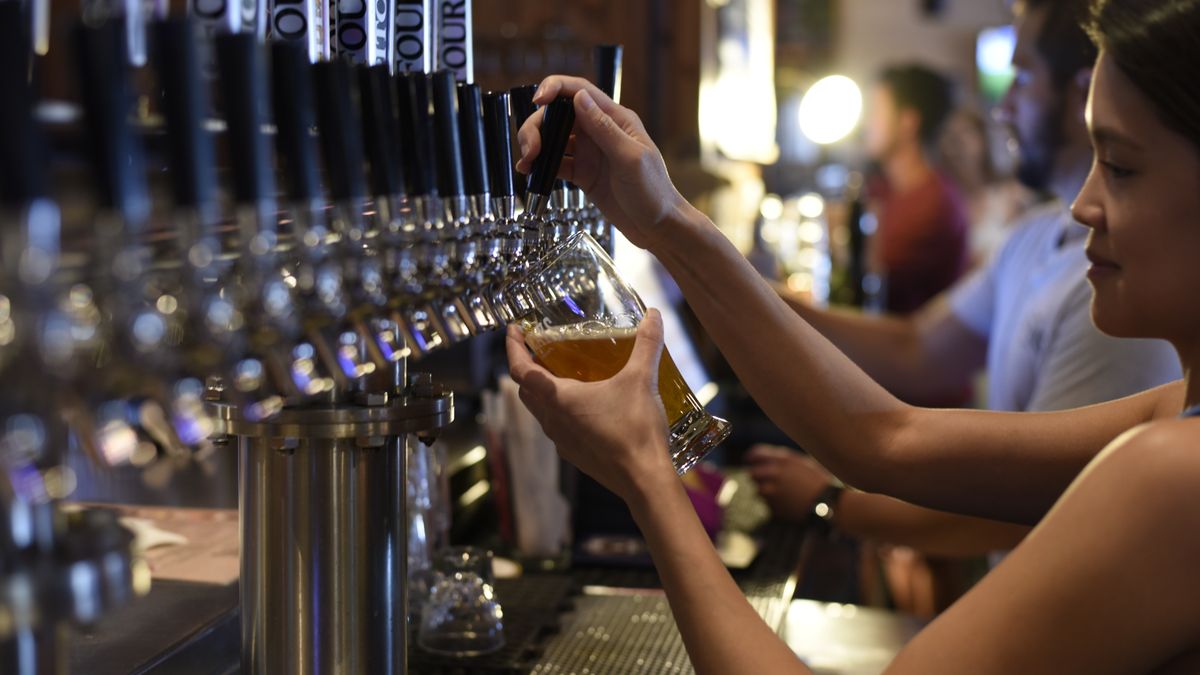
Not every beer style suits fresh hops. Modern, heavily dry-hopped IPAs can sometimes get lost because green hops are lower in oil concentration than many commercial varieties. Instead, lean into traditional British styles:
- Golden Ales—clean, bright base that lets fresh hop character come through
- Best Bitters—malt-forward but hop-appreciative
- ESBs (Extra Special/Strong Bitters)—rich enough to hold the hops, not so heavy they bury them
- Celebration Ales—seasonal beers designed to showcase harvest ingredients
- Heritage British Pale Ales—the natural home for foraged hops
I’ve also had great success with traditional gruit-style ales where the hedgerow herbs complement the fresh hop character beautifully. The key is letting the hops be part of a conversation rather than trying to make them the entire story.
Pro Tips and Common Mistakes to Avoid
Freeze them if you must: If you’ve picked more than you can brew immediately, freezing is better than letting them sit. Remove as much air as possible, bag them up, and use within a few weeks. Fresh is always better, but frozen beats stale.
Avoid the blend: Don’t try to use green hops for both bittering and flavour in the same brew. That way madness lies. Stick with a separate bittering agent.
Plan your volume: That 1kg of green hops will create blockage headaches without a plan. Bring your grain bag, hop spider, or makeshift mesh strainer before brew day.
Use the crunch test: When in doubt about ripeness, the papery-crisp feel is your best indicator. If it still feels damp, wait another 3–5 days.
Wild doesn’t mean unknown variety is bad: You won’t always know if your foraged hops are Fuggles, Goldings, or something entirely novel. That’s not a problem—embrace it. The adventure is part of the appeal.
What I’ve Learned From Brewing with Hedgerow Hops
I’ve brewed with foraged green hops three times now, and each batch has taught me something different. The first year, I picked hops that were slightly underripe because I got impatient—the beer turned out grassy and a bit thin. The second year, I waited too long and got unwanted savoury notes. This year, I got the timing right, and the difference was remarkable.
What surprised me most was how much of that fresh character survives the brewing process. The floral aroma I noticed when picking was still detectable in the finished beer. There’s something deeply satisfying about drinking a beer that contains ingredients you personally harvested from a specific place and specific time.
The other revelation: this isn’t a technique for chasing extreme flavours or trying to compete with commercial breweries. It’s about capturing a moment. Every hedgerow is different. Every harvest season is different. You’re not aiming to brew “the same beer” year after year—you’re documenting what that particular hop patch offers that particular autumn.

Getting Started This Season
If you want to give green hop brewing a try, now is the time to start scouting. Take a walk through your local area in the next few weeks. Look for hedgerows. Check field boundaries. Notice which areas might have hops growing wild. Make mental notes—or better yet, take photos of the location so you can find the spot again in August.
When August arrives, check on your spots regularly. Visit when the hops are ripening, start with a small picking if you’re nervous, and plan a simple brew day around it. You’ll want a recipe ready before you pick—green hops won’t wait while you decide what to brew.
The worst that can happen? You end up with a slightly unconventional but entirely drinkable beer and a story about the time you foraged your own brewing ingredients. The best that can happen? You discover a whole new seasonal ritual that connects you to your local landscape and the agricultural calendar in a way that nothing else quite does.
Brewing with green hops is less about technique and more about presence. It asks you to pay attention to the season, to notice what’s growing around you, and to translate that into a glass of beer. That’s worth the adventure.
🍺 Join the Brotherhood — Monthly brews, stories & monk wisdom
Subscribe for exclusive recipes, early brew logs, and behind-the-scenes updates straight to your inbox.