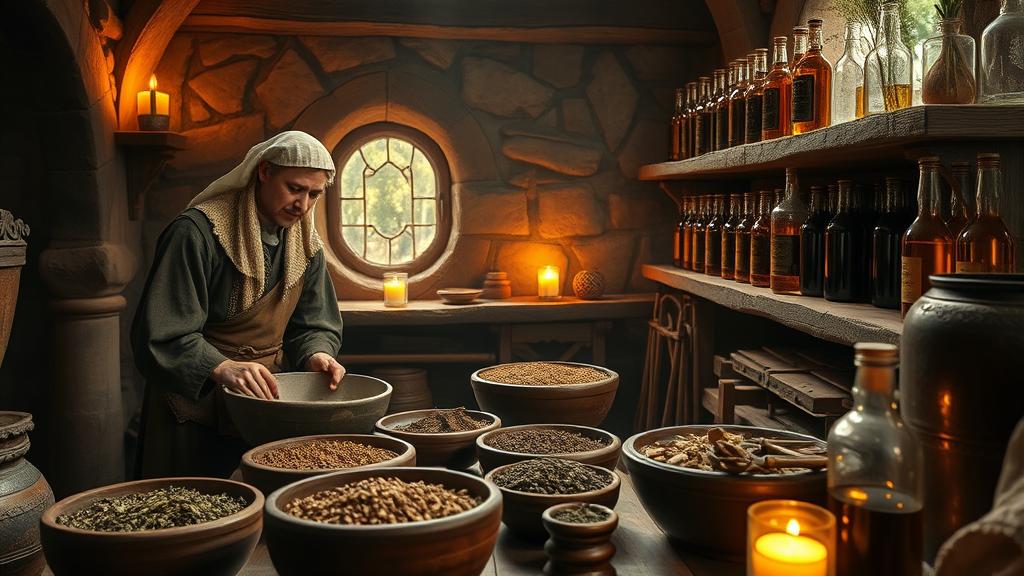
Spices. Botanicals. The kind of ingredients medieval monks would’ve quietly treasured in their cellars. For centuries, before the modern hop took over, brewers were artists with herbals—layering cardamom, coriander, lavender, and a hundred secret blends into every batch. They understood something simple: beer isn’t just about grain and water. It’s about alchemy.
In 2026, we’re witnessing a rebirth of this ancient craft. The botanical beer renaissance isn’t a gimmick; it’s a return to honest, experimental brewing that respects tradition while pushing boundaries. And here’s the brilliant part: you don’t need a monastery to start brewing spiced ales at home.
Why Spiced & Botanical Beers Are Taking Over in 2026
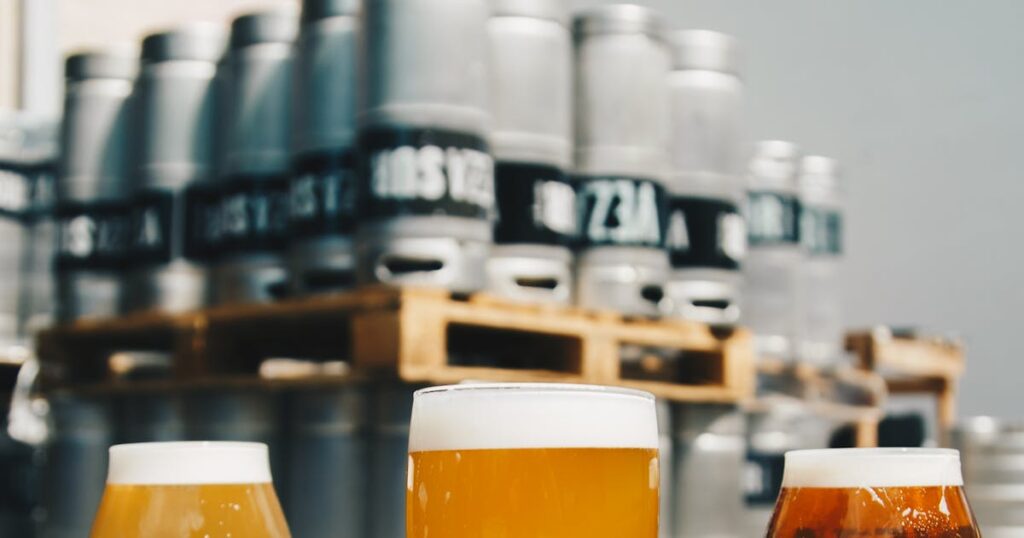
Look at the 2026 trends. Consumers are craving flavour complexity—they’re tired of one-note beers. They want stories in their glass. Meanwhile, craft breweries from Vault City to Cloudwater are folding fresh herbs, spices, and unusual botanicals into their recipes, proving there’s massive appetite for this stuff.
But here’s what gets me: spiced beers aren’t trendy—they’re timeless. Belgian monks, medieval brewers, and ancient cultures across Europe and Asia have been brewing with botanicals for millennia. What’s happening now is a recognition that those traditions weren’t quaint; they were brilliant.
For homebrewers, this is freedom. Low ABV recipes pair beautifully with botanical additions—the subtle flavours shine when the alcohol isn’t overwhelming. You can brew something with the warmth of Chai Ale, the delicacy of Berliner Weisse, or something entirely your own.
Ingredients & Equipment You’ll Need

The secret to brilliant spiced beers isn’t complexity—it’s restraint and quality. Here’s what you’ll want on hand:
Core Botanicals (freshly sourced)
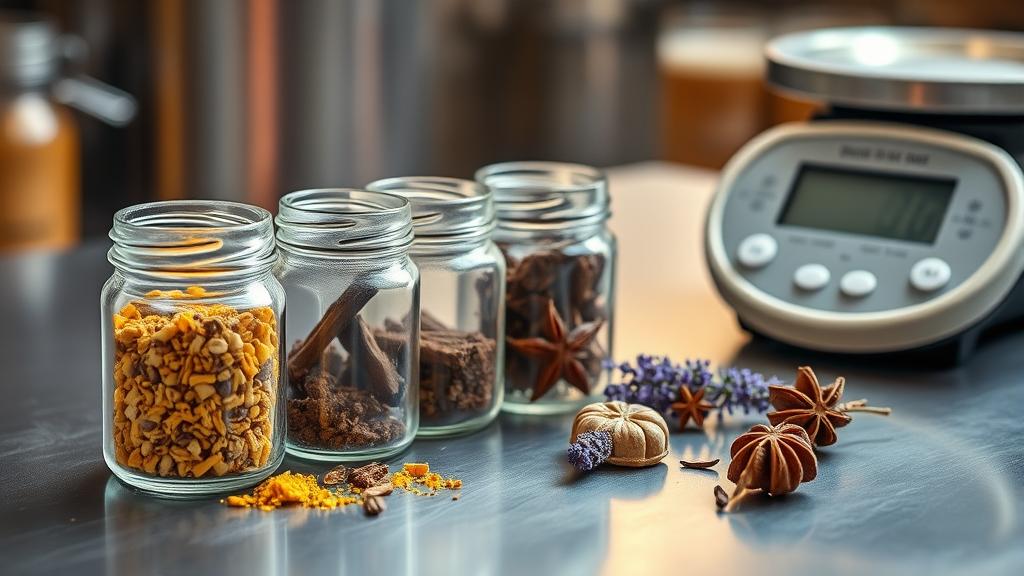
- Coriander seeds (5–15g per 20L) – lemony, subtle spice, pairs with nearly everything
- Cardamom pods (2–8g) – warm, slightly sweet, adds sophistication
- Lavender buds (2–5g) – delicate floral, use sparingly or risk soapiness
- Cinnamon sticks (0.5–2g) – warming notes, classic with darker ales
- Clove (0.5–2g) – powerful stuff; a tiny amount goes far
- Star anise (1–3 pieces) – liquorice notes, adds mystery
- Fresh herbs (mint, thyme, basil) – 10–20g dried, adds freshness
Shopping tip: Buy from brewing suppliers like The Malt Miller or GetErBrewed, not the supermarket. Brewing-grade botanicals are fresher and haven’t been sitting in a jar for three years.
Equipment
- Standard homebrew kit (kettle, fermenter, hydrometer, airlock)
- Fine mesh strainer or muslin bag – essential for botanicals that can clog your airlock
- Digital scales – precision matters; 0.1g accuracy minimum
- Small glass jars – for storing and measuring botanicals
Step-by-Step Brew Day
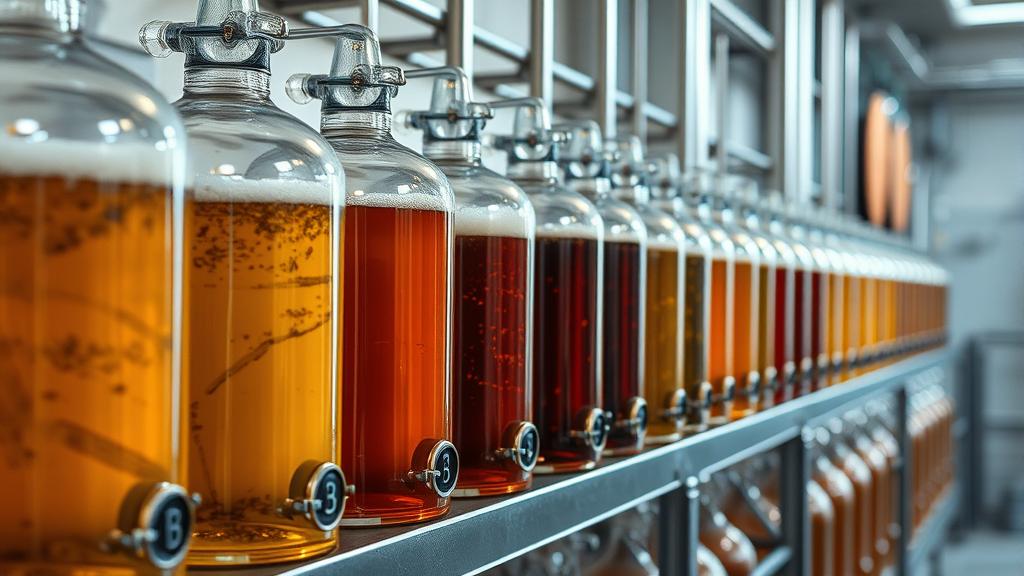
Brewing a spiced ale follows the same path as any beer, but timing your botanical additions is crucial. Here’s how I approach it:
- Brew your base beer (pale ale, blonde, wheat). Choose something that won’t overpower your botanicals. A clean, neutral ale works best (think 5–6% ABV, 20–30 IBUs).
- Toast your botanicals (optional but recommended). Lightly toast coriander, cardamom, and cinnamon in a dry pan for 1–2 minutes. This wakes up the oils and deepens the flavour—medieval brewers knew this trick.
- Add botanicals in the last 5–10 minutes of the boil. This gives you flavour without harsh astringency. If you want something gentler, add them post-boil (at 65°C / 150°F) or even in secondary fermentation.
- Cool to pitching temperature (20°C / 68°F) and pitch yeast. Use a neutral ale yeast (S-04 or US-05) so it doesn’t fight with your botanicals.
- Primary fermentation: 10–14 days. Keep it cool and stable.
- Optional: secondary fermentation with additional botanicals. This is where you can get adventurous—add fresh herbs or a second layer of spices for complexity.
For your first batch, keep it simple. A single botanical (say, lavender) or a trio (coriander, cardamom, cinnamon) gives you room to taste what you’ve made without getting lost in too many flavours at once.
Fermentation & Conditioning

Spiced beers benefit from a bit of extra time. Unlike hoppy IPAs that peak early, botanical ales develop complexity over weeks and months. Here’s what I’ve learned:
- Fermentation temperature: Keep it stable at 18–20°C (64–68°F). Temperature swings create off-flavours that clash with delicate botanicals.
- Don’t rush primary: Let it sit for at least 2 weeks. The yeast will clean up byproducts and integrate with your spice additions.
- Secondary fermentation: If you’re adding fresh botanicals or doing a second layer of spices, secondary gives them a chance to meld without picking up excess yeast autolysis flavours. 2–3 weeks is ideal.
- Bottling: Use the same priming sugar method as any ale (2.5–3.5g per litre / 10–15g per gallon). Conditioning for 2–4 weeks at room temperature lets carbonation develop and flavours integrate.
The patience pays off. Experimental beers like these often taste better after a month than they do on day one. The spices mellow, the beer rounds out, and you realise why monks were willing to keep barrels for years.
Tasting Notes & Honest Flavour Assessment
When you taste your spiced ale for the first time, slow down. The magic of botanical beers is in the layers.
Nose: You should catch the spice first—that bright coriander, the warm cardamom. A good botanical beer tells you immediately what it’s about.
Taste: The base beer should be clean and malt-forward. The botanicals sit on top, adding warmth, complexity, a subtle sweetness. You shouldn’t taste individual spices screaming at you—instead, they blend into a sophisticated whole.
Finish: Spiced ales often have a warmer, slightly drying finish. The coriander and cardamom linger pleasantly. If it feels harsh or medicinal, you added too much; dial it back next time.
Write it down. Every batch is data. Over 4–5 attempts, you’ll find your sweet spot. Functional brewing is all about repetition and refinement—knowing what worked and why.
Pro Tips & Common Mistakes
After brewing spiced ales dozens of times, here’s what separates the brilliant batches from the ones you’ll give away to friends who are polite:
- Don’t over-spice. The biggest mistake is thinking more flavour = better beer. It doesn’t. Start at 5g of coriander, 2g of cardamom. You can always add more next time. You can’t take it out.
- Use whole botanicals, not pre-ground. Ground spices oxidise and lose potency. Whole seeds and buds keep their oils intact until you add them to the kettle.
- Toast before boiling. A 1-minute dry toast wakes up essential oils. It’s the difference between flat and alive.
- Be cautious with floral botanicals. Lavender and rose can taste like soap if you’re heavy-handed. 2–3g per 20L is a safe start.
- Consider alcohol percentage. A 7–8% ale can support bolder spicing than a 4% session beer. Match your botanicals to your base recipe’s strength.
- Avoid fresh wet herbs in the boil. They break down and get bitter. If you want fresh mint or basil, add them in secondary or post-boil.
Variations & Experiments
Once you’ve nailed a basic coriander-cardamom ale, the world opens up. Here are a few directions worth exploring:
- Abbey-style Ale: Toast wheat malt, add coriander + orange peel + a pinch of white pepper. It’s closer to Belgian brewing tradition and absolutely drinkable.
- Herbal Session Ale: Keep it to 4% ABV, use fresh thyme, a touch of sage, maybe a whisper of anise. Low alcohol lets the herbs shine without the warming effects of a stronger base.
- Chai-Spiced Porter: Dark malt base + cinnamon, cardamom, clove, black pepper, ginger. It’s warming, complex, brilliant on a winter night.
- Wild Garden Ale: Forage (or buy) dried calendula petals, chamomile, lemon balm. Combine with a pale ale base. It’s adventurous and rewards experimentation.
- Barrel-Aged Botanical: If you’re feeling ambitious, age your spiced ale in oak. The wood and botanicals complement each other beautifully.
The best part? Experimental brewing isn’t risky if you start small and document everything. Brew 5L, taste it, adjust, scale up. That’s how you become brilliant at this.
Conclusion: The Monk’s Way
Spiced and botanical ales remind us of something important: brewing is about taking simple ingredients and creating something that tastes like care. It’s meditation with a purpose. The botanicals you choose, the timing you apply, the patience you invest—these are decisions that show in the glass.
You don’t need a monastery, centuries of tradition, or a fancy brewery to brew something beautiful. You need curiosity, a few jars of quality botanicals, and the willingness to experiment. That’s the whole philosophy of Bennett’s Brew—honest, personal, rooted in tradition but fearless about the future.
Start small. Toast your seeds. Write it all down. And in a few weeks, you’ll have a beer that tastes like something you created from scratch, with your hands and your mind. That’s the magic.
Cheers. 🍺
🍺 Join the Brotherhood — Monthly brews, stories & monk wisdom
Subscribe for exclusive recipes, early brew logs, and behind-the-scenes updates straight to your inbox.