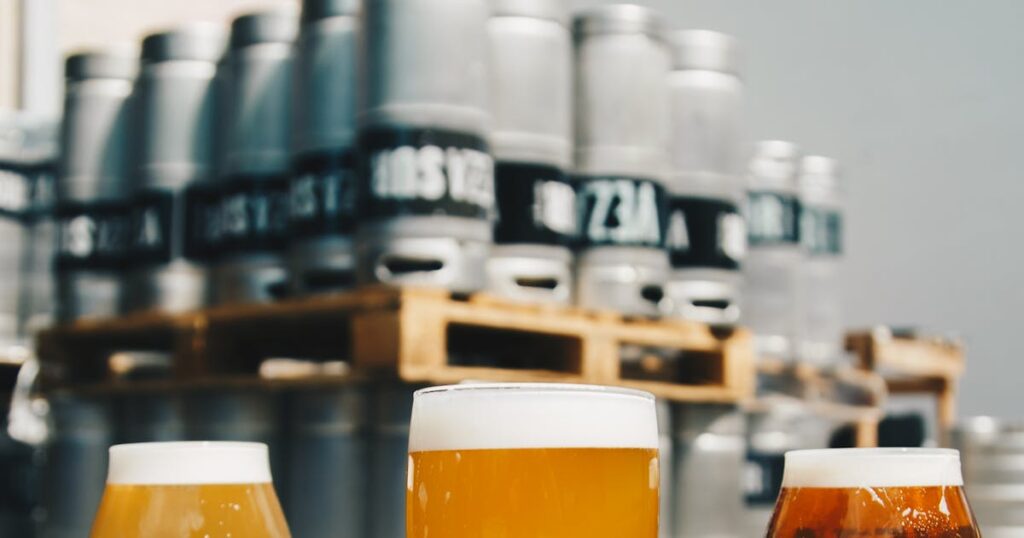
The lager renaissance is real, and at its heart sits one of beer’s most elegant expressions: the Helles. Golden, crisp, and devastatingly sessionable, this Bavarian pale lager has quietly become the drink of people who thought they’d moved past lagers entirely. After a decade of hop-forward excess and extreme ABVs, brewers and drinkers are rediscovering what the Germans understood centuries ago: sometimes, the simplest beers are the best.
I’ve brewed a fair few lagers over the years, but my Helles recipes are the ones I come back to. Not because they’re flashy—they’re not. But because they teach you something vital about brewing: precision, restraint, and respect for ingredients. If you can nail a Helles, every other lager becomes easier. Let me walk you through it.
Why Helles Matters in 2026
The beer market has been through a reckoning. The craft explosion of the 2010s was built on novelty—bigger, hoppier, stranger. But somewhere around 2024-2025, something shifted. People got tired of £8 cans and 9% one-and-dones. They wanted beers they could actually drink more than one of. Beers with character, but without the fatigue.
Enter the lager revival. And not the mass-market macro lagers either. We’re talking about proper craft lagers: Helles, Pilsner, Dunkel, Märzen. Styles that demand patience, temperature control, and genuine skill. The craft lager renaissance is in full swing, and homebrewers who master cold-fermentation techniques are positioning themselves perfectly for what’s coming next.
Helles is the gateway. It’s a beer that looks simple but rewards attention to detail. It’s approachable but serious. It’s profitable if you’re thinking about scaling up. And it’s bloody delicious when done right.
Ingredients & Equipment
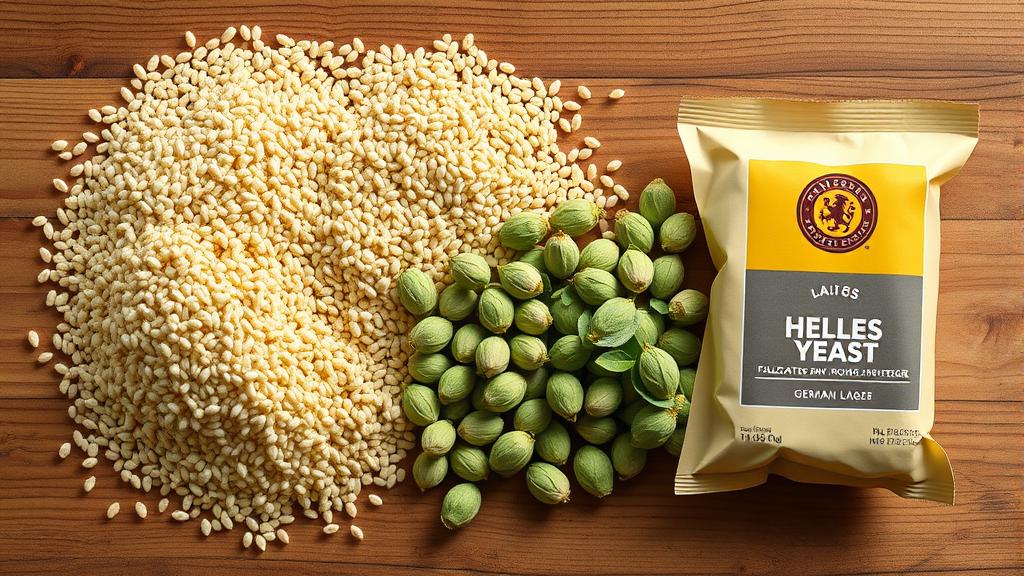
A 20-litre (5 gallon) Helles batch breaks down like this:
- Pilsner malt: 3.5 kg (7.7 lbs) — The foundation. Soft, sweet, clean. German Pilsner is ideal, but Czech or Belgian versions work beautifully too.
- Munich malt: 0.5 kg (1.1 lbs) — Adds a whisper of biscuity depth without colouring things up.
- Tettnang hops: 18g at 60 minutes (4.4% AA) — Bittering. Subtle, herbal, noble.
- Hallertau hops: 12g at 10 minutes (4.7% AA) — Finishing. Floral, clean.
- Lager yeast: WLP840 (White Labs) or Wyeast 2278 (Czech Lager) — Cold-fermentation kings. Pitch 80–100 billion cells for a 20-litre batch.
- Water: 35 litres mash water, adjusted slightly alkaline (Helles loves softer water, but a touch of alkalinity helps extraction).
Equipment you’ll need: A proper temperature-controlled fermentation setup is non-negotiable. I use a converted beer fridge with a 1500W heater and thermostat. Target range: 10–12°C (50–54°F) for the first week, then let it creep to 13–14°C (55–57°F) for the final two weeks.
Conclusion
Helles isn’t flashy. It won’t win points for novelty. But it’s the beer that separates dabblers from serious homebrewers. It demands precision, patience, and infrastructure. And when you pull a pint that’s crystalline, crisp, and impossibly balanced, you’ll understand why the Bavarians have been brewing this style for 200 years.
If 2026 is the year you want to master lagers, start here. Get one batch perfect, then iterate. Your palate will sharpen, your technique will tighten, and you’ll join the quiet revolution of people who realised that sometimes, less really is more.
Prost.
🍺 Join the Brotherhood — Monthly brews, stories & monk wisdom
Subscribe for exclusive recipes, early brew logs, and behind-the-scenes updates straight to your inbox.