American Porter is surging back into view—and for good reason. On Brewer’s Friend’s trending list for September 2026, it sits at the very top. After years of hazy IPA dominance and craft beer chasing extremes, homebrewers are rediscovering the quiet confidence of a well-crafted dark ale. It’s not nostalgia speaking; it’s pragmatism. American Porters are forgiving, flavour-forward, and genuinely social beers. They’re the kind of beer you can serve to a newcomer or a seasoned drinker, and both will nod in approval.
Why American Porter Now? The 2026 Shift
The craft beer world has cycled through its phases. Hoppy IPAs dominated the 2010s. Sours and wild ferments had their moment. Experimental adjuncts—pumpkin, fruit, spice—pushed the boundaries. But there’s a quiet moment happening in brewing right now, and it’s focused on balance and craftsmanship. A well-brewed American Porter embodies exactly that: robust roasted character, restrained hopping, and a body that feels substantial without crushing your palate.
In the UK, we’ve always had our dark ales—our milds, our browns, our porters steeped in 300 years of history. But the American interpretation adds its own swagger: cleaner fermentation, American hops used sparingly for bitterness rather than aroma, and a focus on malt-forward complexity. It’s heritage beer brewed with modern sensibility.
Ingredients: Building the Foundation
The American Porter formula is deceptively simple, but the devil is always in the detail. Your grain bill is where the magic lives. Unlike many recipes from the 2010s, which layered in 6+ specialty malts for shock value, a classic American Porter keeps it focused. You’re looking for a base of pale two-row (50–60%), a hefty load of darker malts (20–30%), and caramel or chocolate accents to round it out.
For a 5-gallon (23-litre) batch, I typically use:
- 3.5 kg (7.7 lb) UK Pale Malt or US 2-Row – your foundation
- 500 g (1.1 lb) Crystal/Caramel 40L – sweetness and body
- 350 g (0.77 lb) Chocolate Malt – earthy roast, not harsh
- 200 g (0.44 lb) Black Malt – just enough for colour and subtle astringency
- 100 g (0.22 lb) Roasted Barley (optional) – if you want a touch more depth
That’s it. No midnight wheat, no oats masking the flavour. The malt bill should sit around 1.055–1.065 OG (original gravity).
For hops, restraint is key. American Porters use US varieties, but sparingly. Northern Brewer publishes solid extract versions that show the hop strategy: Centennial or Cascade bittering to 25–35 IBUs, and no late additions. A 60-minute boil is standard. You’re chasing 20–25 IBU bitterness for a solid malt anchor, not hop character.
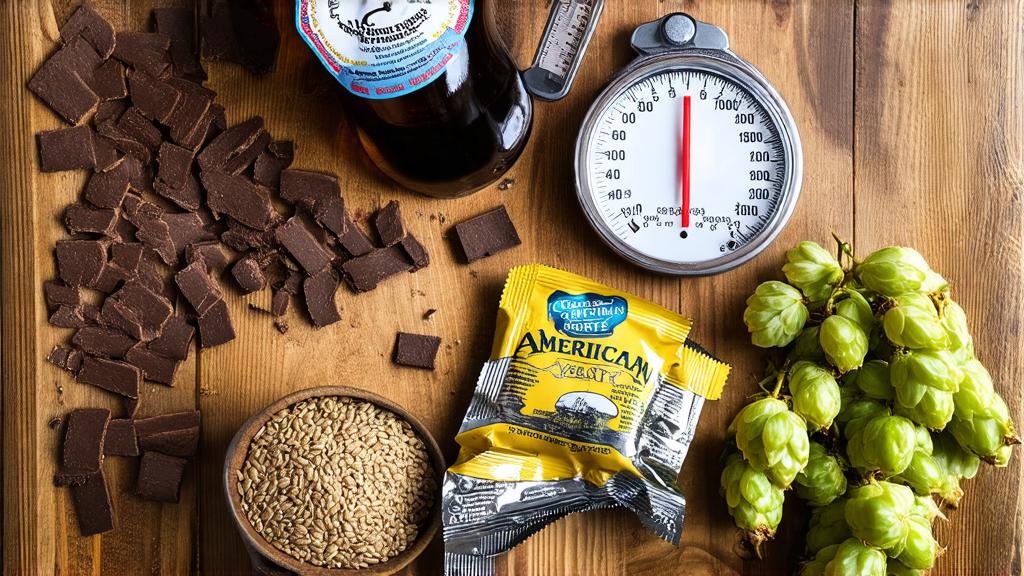
On yeast: use a clean, attenuative ale strain. London Ale (Wyeast 1028 or SafAle S-04) is textbook. US-05 works too but can strip some body. A Porter demands yeast that respects the malt bill without overpowering it with ester character. Ferment at 18–20°C (64–68°F) for a clean finish.
Brew Day: Execution Matters
The mash is where your brew day philosophy sets in. Hit a mash temperature of 65°C (149°F) for roughly 60 minutes. This temperature favours beta-amylase, leaving residual sugars that build body without cloying sweetness. It’s the difference between a crisp American Porter and a plodding one.
Sparge carefully. A slow sparge at 76°C (170°F) is safer than a high-pressure fly sparge—you’re less likely to overextract tannins from the roasted grains and end up with an astringent finish. Aim for a pre-boil gravity around 1.045–1.050, hitting your target post-boil around 1.055–1.065.
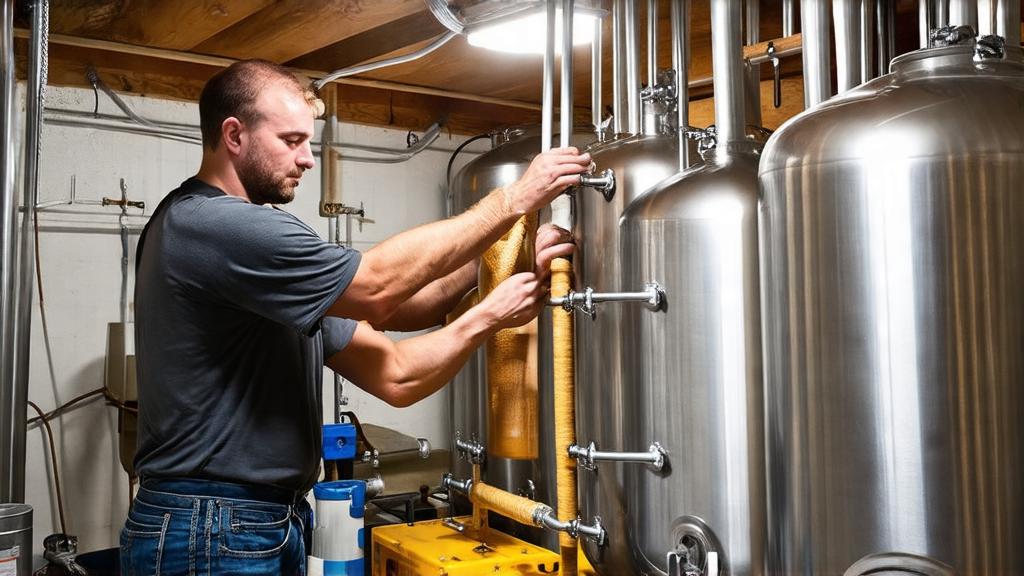
During the boil, add your bittering hops at 60 minutes and call it done. Many brewers make the mistake of adding a 15-minute charge “for flavour”—don’t. American Porter isn’t about hop presence. It’s about clean, malt-driven character. The beauty of hybrid fermentation approaches is that they show what happens when yeast temperament changes outcome. With Porter, stick to a traditional ale yeast pitch and ferment steady.
Fermentation and Conditioning
Pitch at pitching rate: roughly 200 billion cells for a 5-gallon batch at 1.065 OG. Under-pitch and you’ll get stuck fermentation or off-flavours. Over-pitch and the yeast steamrolls the malt complexity.
Ferment at 18–20°C (64–68°F). You’ll see activity within 12 hours, vigorous fermentation by 24. Let it ride for 10–12 days until gravity drops to around 1.010–1.012, then rack to secondary or a keg. American Porters aren’t known for extended conditioning like Barleywines or Imperial Stouts, but 2 weeks at cellar temperature (12–14°C / 54–57°F) softens the young harshness and lets flavours integrate.
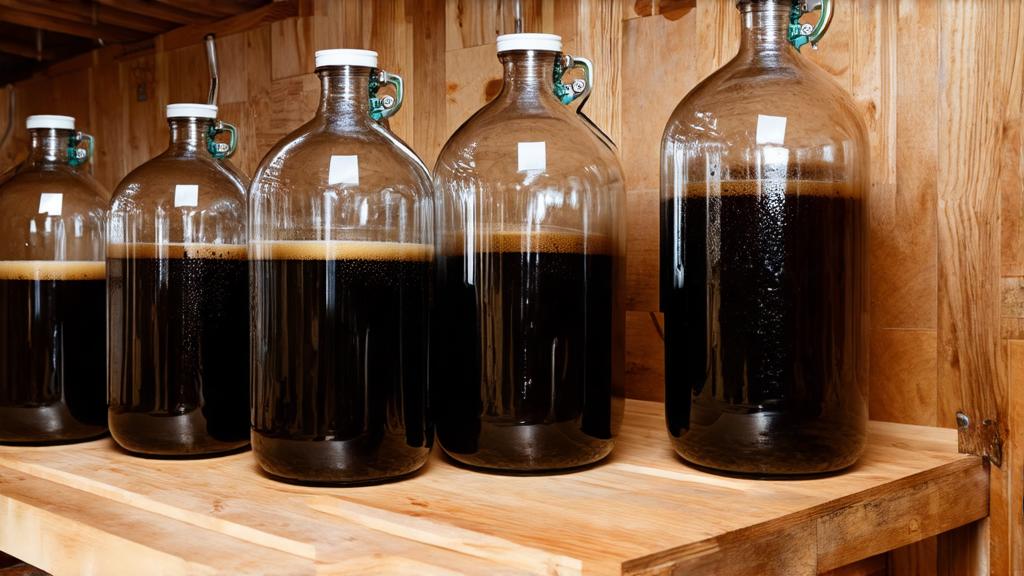
If you’re bottling, aim for 2.0–2.2 volumes of CO₂. This creates a delicate head and keeps the beer from tasting flat. If you’re kegging, carbonate to 2.1 volumes. Forced carbonation techniques allow faster turnaround if you’re kegging, but bottle conditioning has a charm—the slow maturation softens edges and creates a finer, more persistent head.
Tasting Notes: What You Should Find
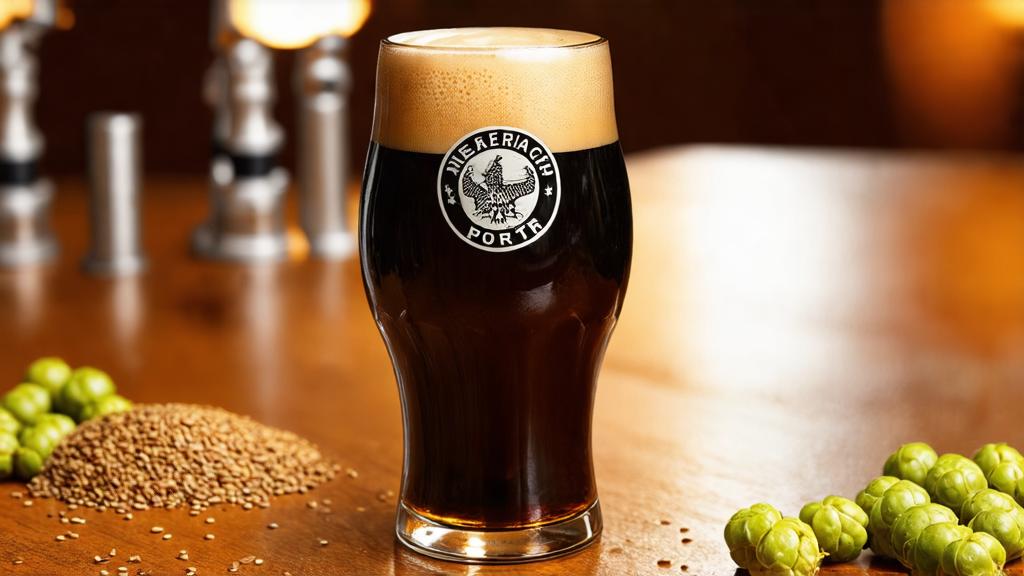
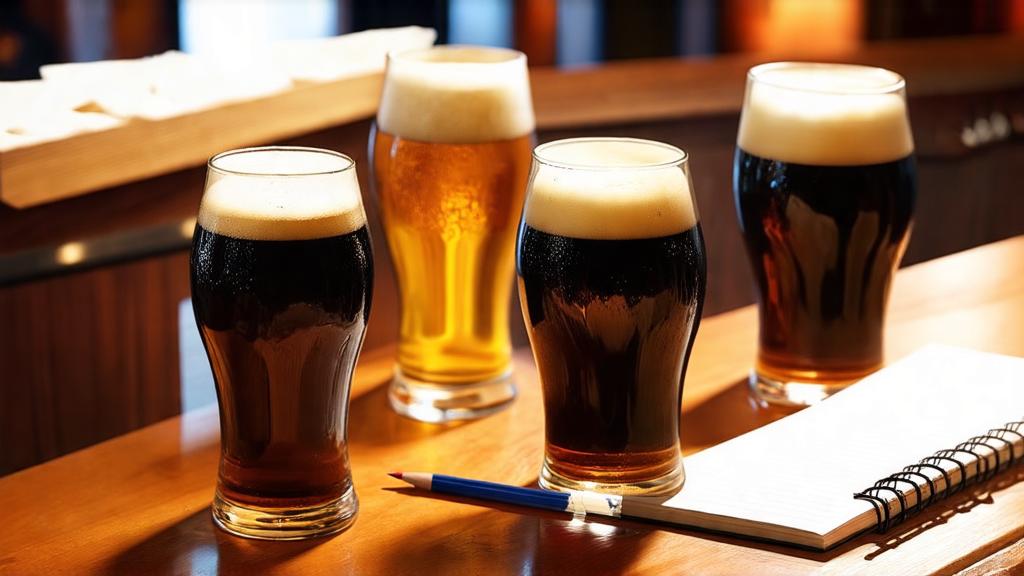
A well-executed American Porter presents with a deep brown to nearly black colour, that cream-coloured head sitting proud and lasting through the glass. The aroma should greet you with roasted malt—coffee, cocoa, a whisper of earthiness. No harsh acetylene or green-apple esters.
On the palate: smooth, malty richness with chocolate and coffee notes front and centre. Bitterness is present but restrained (25–35 IBU is appropriate), arriving as a clean, dry finish rather than a lingering shout. Body is medium to full, sitting comfortably between a brown ale and an Imperial Stout. A hint of caramel sweetness in the mid-palate provides balance.
The alcohol is warming (typically 6.0–6.5% ABV for American Porter) but not aggressive. A good one drinks dangerously easy—you can imagine having three in an evening without regret. That’s the hallmark of a properly balanced dark ale.
Pro Tips and Common Mistakes
Mistake #1: Over-roasting your mash. Brewers often chase darkness by using too much black malt or roasted barley. You end up with harsh, astringent finishes. Stick to the grain bill above; trust it.
Mistake #2: Hopping for flavour. American Porter isn’t an IPA’s cousin. Don’t add cascade at 10 minutes thinking you’re adding “character.” You’re just muddying the malt foundation. Hop once, at 60 minutes, and be done.
Mistake #3: Rushing the conditioning. Bottling at day 8 of fermentation means you’re packaging a beer that still has green, yeasty esters. Wait. Let primary fermentation finish cleanly. A 2-week cellar rest makes the difference between “good” and “oh, that’s brilliant.”
Mistake #4: Pitching a tired yeast. Old or under-pitched yeast will ferment sluggishly, leaving residual sugars and creating off-flavours. Use fresh yeast or a proper starter. A 2-litre starter for a 1.065 beer is standard practice.
On the flip side, here’s what works: Wood-aged Porters are having a moment. If you want to experiment, a 4-week rest in a small oak vessel adds complexity without overwhelming the base beer. Start conservatively—oak can dominate quickly.
Variations and Experiments
American Porter is forgiving enough to explore. Here are a few variations worth trying:
- Smoked Porter: Add 100–150 g of smoked malt (Bamberg-style). Subtle smoke, huge impact on perception.
- Vanilla Porter: A tincture of vanilla bean (2–3 beans per 5 gallons, steeped in vodka for 2 weeks) adds sophisticated sweetness without cloying.
- Coffee Porter: Cold brew 100–150 g of whole coffee beans, add post-fermentation. The cold steep prevents bitterness, just flavour.
- Brown Porter: If American Porter feels too dark, drop the black malt, increase chocolate, and drop ABV to 5.5%. You’ve got a delicious brown ale hybrid.
These variations still respect the core formula: malt-forward, restrained hopping, clean yeast character. You’re playing with accents, not demolishing the foundation.
Why American Porter Matters Now
In 2026, when the craft beer bubble has burst and sensible brewing is back in favour, American Porter represents something honest. It’s not chasing trends. It’s not a vehicle for your latest adjunct obsession. It’s a grown-up beer made by grownup brewers for anyone who enjoys flavour and drinkability.
Brewing one is a meditation. You’re not fighting gravity or managing 12 varieties of specialty malt. You’re respecting a template and nailing the execution. That kind of discipline breeds confidence in your brewing, and confidence breeds better beer.
I’ve brewed eighteen American Porters in the past three years. Each one’s taught me something. The 15th batch, where I cut the black malt in half, showed me what restraint sounds like. The 18th, where I waited a full three weeks before bottling, showed me how time smooths edges. That’s the gift American Porter gives: room to learn without catastrophe.
It’s why it’s trending now. It’s why it’ll still be brewing solid in 2027 and beyond.
🍺 Join the Brotherhood — Monthly brews, stories & monk wisdom
Subscribe for exclusive recipes, early brew logs, and behind-the-scenes updates straight to your inbox.