Here’s a confession: when I first started homebrewing, I chased the hazy IPAs and experimental sours. Like many modern brewers, I thought “classic” meant boring. But somewhere between my tenth brew day and my thirtieth, I realised something profound: the best things rarely need reinvention. They need respect.
Best Bitter—England’s authentic amber-coloured ale, born in pubs and perfected in kitchens—is having its moment. After years of IPAs and stouts dominating the conversation, this beautiful, balanced style is making a genuine comeback. And if you’ve never brewed one, you’re missing out on one of homebrewing’s most rewarding journeys.
Why Best Bitter Matters in 2026
The resurgence isn’t accidental. Breweries worldwide are discovering what the English have always known: there’s something profoundly satisfying about a beer that doesn’t need to scream for attention. Best Bitter whispers. It invites. It rewards careful craftsmanship over flashy adjuncts.
Current brewing trends show Best Bitter at #3 on trending style lists—a position it hasn’t held in years. Why? Because homebrewers and craft beer lovers are craving authenticity, balance, and something genuinely drinkable at 4.2–4.5% ABV. In a market saturated with extremes—either watery lagers or 9% imperial stouts—Best Bitter offers the middle path.
The style also aligns beautifully with classic British ale traditions, where malt character and subtle bittering balance rather than dominate. This is terroir brewing in its purest form.
Ingredients & Equipment: Building Your Best Bitter Foundation
Best Bitter doesn’t require exotic ingredients. Quite the opposite. The magic lies in choosing the right British malts and hops, then allowing their natural qualities to shine.
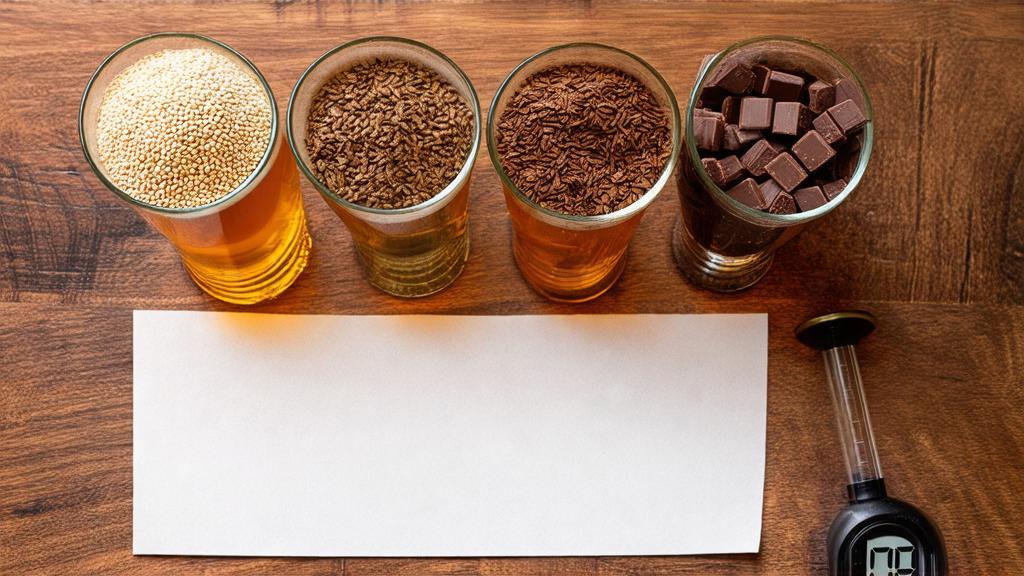
Malts: Start with pale ale malt as your base (around 70–75% of the grist). This is the backbone. Add crystal malt (15–20% of grist) for colour, body, and subtle sweetness—typically crystal 60L or 75L. Many brewers include a small amount of English chocolate malt (5–10%) for complexity and a slightly toasted note that separates Best Bitter from Bitter or Pale Ale.
Hops: English varieties are essential here. Fuggles (10–15 IBUs) and East Kent Goldings (8–12 IBUs) are traditional choices, adding earthy, herbal, slightly floral notes. The total bitterness typically lands around 28–35 IBUs—enough to balance the malt sweetness, but not enough to dominate.
Yeast: Use a traditional English ale yeast like WLP002 or Wyeast 1968 (London ESB). These yeasts are key: they produce subtle esters and phenolics that add depth without being distracting.
Water: If you’re fortunate enough to be in Burton-on-Trent, celebrate that mineral profile. For the rest of us, a balanced water chemistry approach works well—slightly elevated sulfates to enhance hop bittering, moderate chlorides for body.
Step-by-Step Brew Day: Executing the Craft
- Mashing In (65°C / 149°F): Infuse your grains at 65°C for 60 minutes. This temperature favours a slightly drier beer—exactly what Best Bitter needs. Don’t overshoot; 67°C will give you too much residual sweetness.
- Lautering & Sparging: Run off slowly. Take your time. British brewers have always believed that patience in the lautering stage produces clearer wort, which means better flavour clarity in the final beer.
- Boil (90 minutes): Bring to a vigorous rolling boil. Add your bittering charge (Fuggles or East Kent Goldings) at the start—90 minutes gives you controlled, integrated bitterness.
- Fifteen-Minute Mark: Add half of your noble hop charge. This is where subtle English hop character enters.
- Final 5 Minutes: Add the remaining hops for aroma. Don’t overdo this—Best Bitter isn’t a hop-forward beer.
- Chill & Pitch: Cool rapidly to around 18–20°C (64–68°F). English ale yeasts thrive at cool-to-warm fermentation temperatures. Pitch generously (around 200 billion cells for a 19-litre / 5-gallon batch).
Fermentation & Conditioning: The Long Game
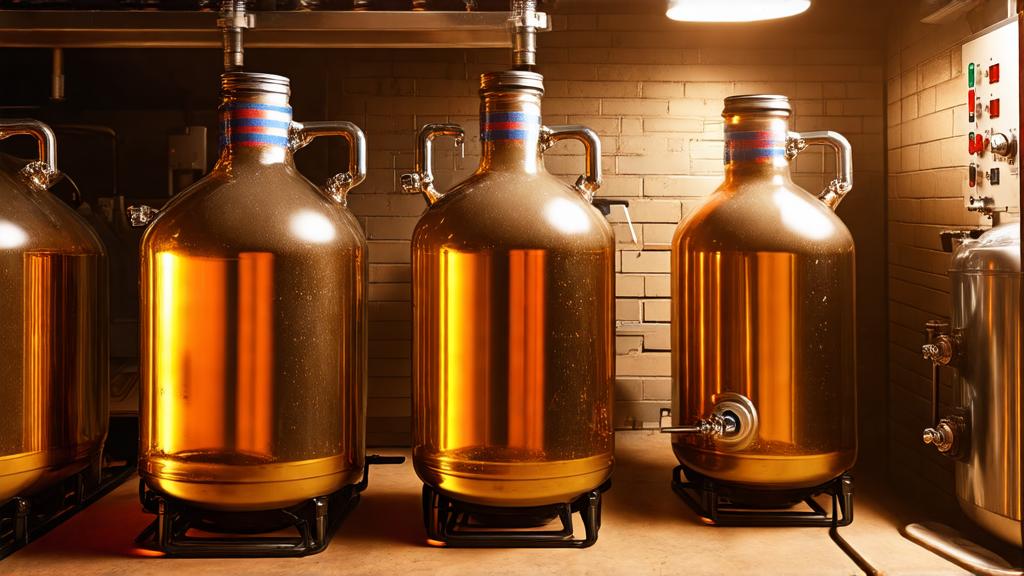
Here’s where Best Bitter reveals its patient character. Ferment at 18–20°C for 7–10 days. English yeasts work slowly and deliberately—they’re not the express fermentations you get with lager or kveik strains.
Once gravity stabilises (check for three consecutive stable readings), you can condition. This is crucial: Best Bitter improves dramatically with time. Bottle or keg and age for at least 3–4 weeks at cellar temperature (around 12–15°C / 52–59°F). The flavours integrate, the rough edges smooth, and a subtle carbonation softens the bitterness.
Many brewers report that their Best Bitter hits peak form after 6–8 weeks in bottle. This isn’t laziness—it’s craft. Compare this to fresh-hop IPAs, which peak within days. Best Bitter rewards patience in a way that modern beer culture sometimes forgets.
Tasting Notes & My Honest Review
I brewed my first Best Bitter three years ago, uncertain if I’d like it. I was wrong about many things that day.
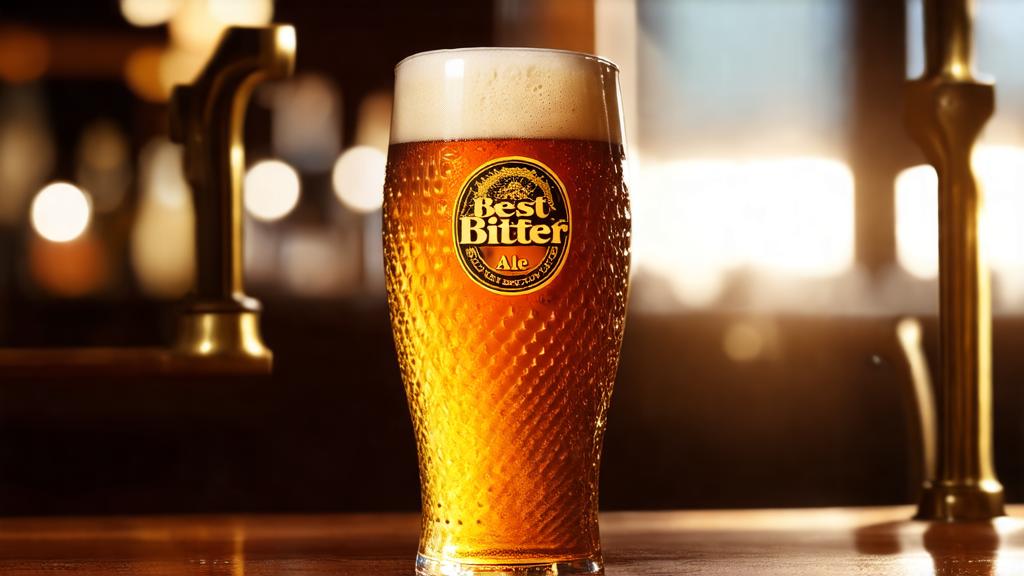
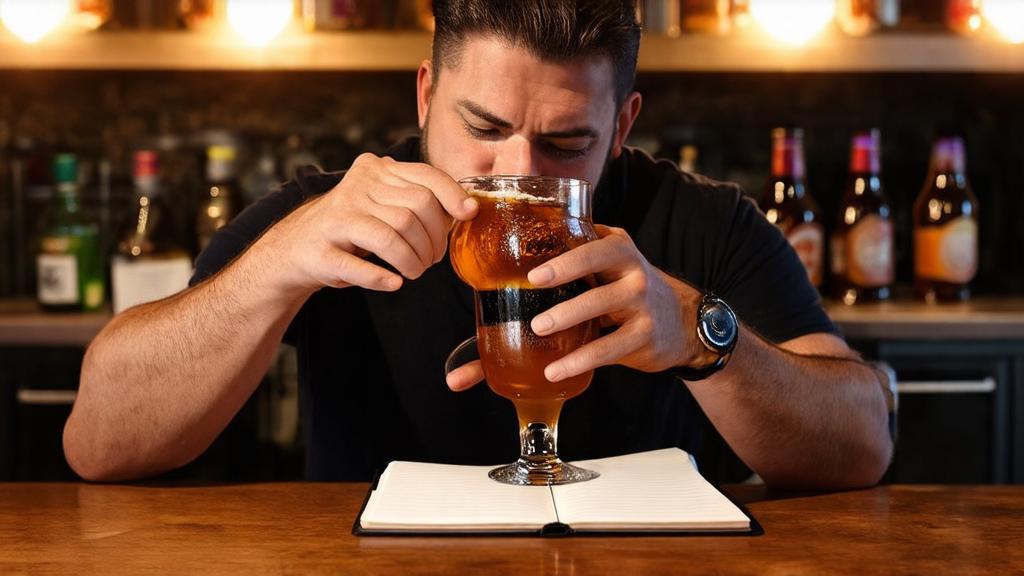
Appearance: It should be a beautiful copper to amber gold, clear (if you’ve done your lautering well), with a dense cream-coloured head that clings to the glass.
Aroma: Gentle malt sweetness upfront, with a subtle earthiness and herbal quality from the hops. No perfume. No aggression. Just honest beer.
Flavour: This is where Best Bitter shines. You get the malt character first—caramel and biscuit from the crystal, subtle toast from any chocolate malt. The bitterness arrives gently, balanced rather than harsh. It’s like a conversation where both sides get heard. The finish is dry and slightly astringent, inviting the next sip.
Mouthfeel: Medium body. Soft carbonation. Dangerously drinkable.
The honest bit: if you’re expecting hop fireworks or dessert-beer complexity, Best Bitter will disappoint. It’s not that kind of beer. But if you’re seeking something that tastes like what beer is supposed to taste like—balanced, honest, rewarding—you’ve found it.
Pro Tips & Common Mistakes
Mistake #1: Over-bittering. Brewers coming from IPA backgrounds often add too much bittering hop. Best Bitter should taste integrated, not sharp. Stick to 28–35 IBUs; trust the process.
Mistake #2: Fermenting too warm. Above 22°C, English yeasts produce fusty, unpleasant esters. Aim for 18–20°C. Temperature control is essential.
Mistake #3: Rushing the conditioning. I know you’re eager to drink your beer. I get it. But Best Bitter punches below its weight when fresh. Wait. Your patience will be rewarded.
Pro Tip #1: Blend your hops. Using Fuggles + East Kent Goldings together creates complexity you can’t get from either alone. The Fuggles provide earthiness; the Goldings add floral notes.
Pro Tip #2: Consider a secondary. Unlike hoppy beers, Best Bitter benefits from a week on a dry yeast cake. This allows subtle flavour integration that some brewers swear by. It’s entirely optional, but worth experimenting with.
Pro Tip #3: Serve at cellar temperature. Your Best Bitter will taste radically different at 15°C versus 20°C. English pubs traditionally serve these ales slightly cool. Try it.
Variations & Next-Level Experiments
Once you’ve nailed the classic version, experimentation becomes fun. Consider:
Seasonal Best Bitter: Add a small amount of English oak to your conditioning tank. The oak adds subtle vanilla and spice that complements the malt beautifully.
Historical Recreation: Research historical Burton Ales and recreate a 150-year-old recipe. BJCP style guidelines often list historical references—it’s a fascinating rabbit hole.
Single-Hop Explorations: Once confident, brew Best Bitter with only Fuggles, then only East Kent Goldings, then together. This teaches you more about hops than any hop manual.
You can also explore the style spectrum—brewing Extra Special Bitter (ESB) at the stronger end, or session ales at the lighter end. The principles remain the same; only ABV and malt bill adjust.
Why This Matters: The Philosophy of Best Bitter
Here’s what I’ve learned: the most valuable beers aren’t always the most memorable. They’re the ones you come back to. Best Bitter is that beer for me—and increasingly, for brewers worldwide.
In a world obsessed with novelty and extremes, Best Bitter whispers an older wisdom: that constraint breeds creativity, that balance matters, and that a good beer doesn’t announce itself. It earns your respect through craft, patience, and honest flavour.
This is what monks understood, and what modern brewing is rediscovering.
Brew your Best Bitter. Let it condition. Serve it at cellar temperature with real people in real conversation. Then you’ll understand why this style has survived centuries and is making a comeback now.
🍺 Join the Brotherhood — Monthly brews, stories & monk wisdom
Subscribe for exclusive recipes, early brew logs, and behind-the-scenes updates straight to your inbox.
Further Reading: BJCP Best Bitter | CAMRA