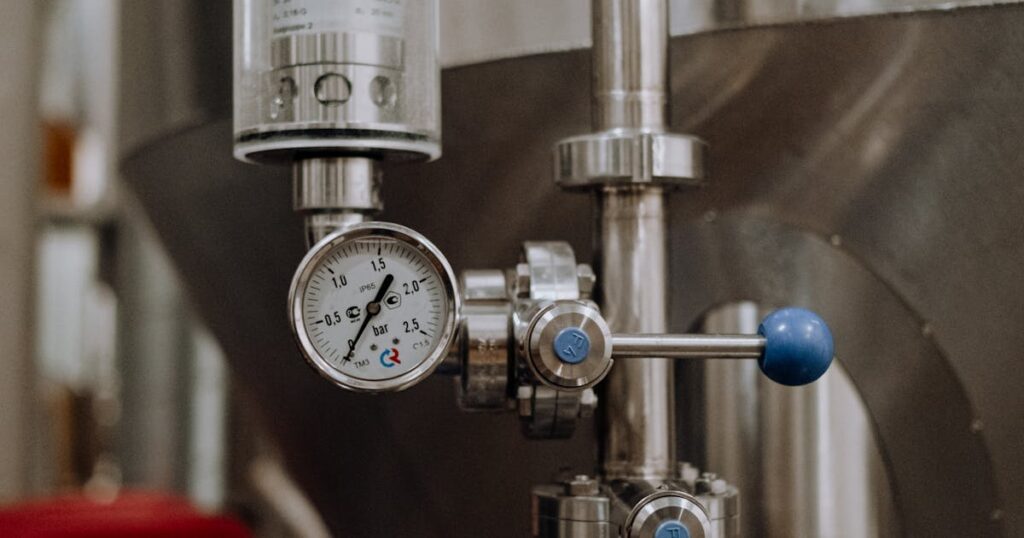
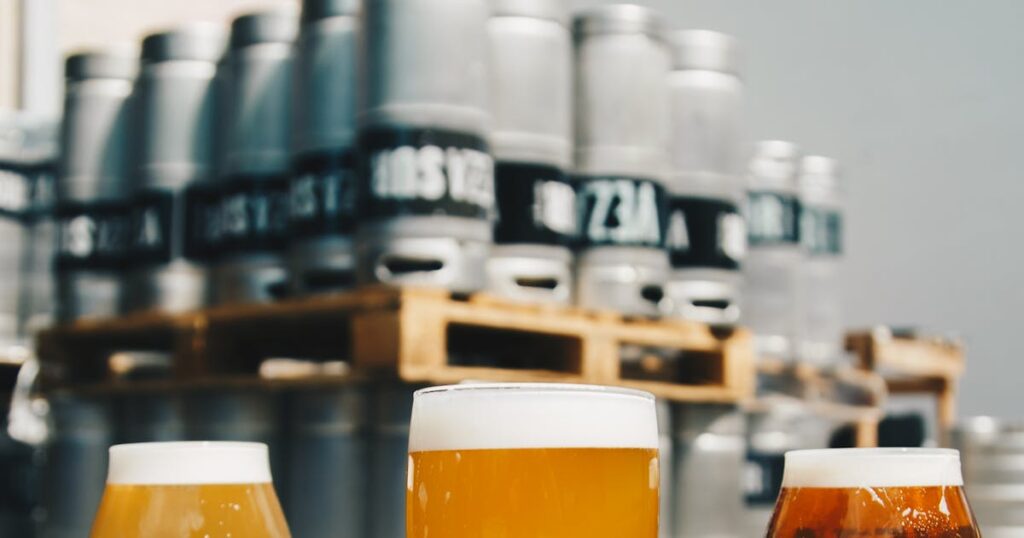
I first heard about adaptogenic beers at a craft brew festival last autumn—a small brewery from Devon was pouring what they called “Ashwagandha Blonde,” and honestly, I was skeptical. Stress-relief botanicals in beer sounded like wellness marketing dressed up in a pint glass. But after a sip, I was intrigued. It wasn’t gimmicky at all. The ale had a soft, herbal warmth beneath the pale malt sweetness, and a genuine calm seemed to settle in as I drank. Now, six months and a dozen experimental brews later, I’m convinced that adaptogenic brewing is one of the most fascinating intersections of homebrewing and wellness.
What makes this trend so compelling is the science. Adaptogens—botanicals like ashwagandha, rhodiola, and reishi—are substances that help your body manage stress and return to balance. They’re not sedatives or stimulants; they modulate your nervous system. According to recent trend data, adaptogen beverages have grown 18% in the past year alone, making them one of the fastest-rising segments in the drinks market. And unlike the mass-market adaptogenic sodas and energy drinks you’ll find in supermarkets, homebrewing lets you craft these beers with intention, controlling every ingredient and flavour balance to create something genuinely meaningful.
This guide will walk you through my approach to brewing adaptogenic ales—from sourcing the right botanicals to fermentation strategies, plus honest tasting notes from my experiments and the inevitable brewing disasters that taught me the most.
Why Adaptogenic Beers Matter in 2026
The wellness movement has shifted. It’s no longer about extreme health optimisation; it’s about sustainable, everyday rituals that support calm and resilience. More of us are managing stress, sleep quality, and mental clarity in a world that won’t slow down. Beer has always been social and comforting, but what if it could *also* offer gentle botanical support?
Adaptogenic beers sit at the intersection of craft tradition and functional wellness. They’re not replacing your meditation practice or therapy—but they’re an honest acknowledgment that a thoughtfully brewed beer, infused with adaptogens, can be a moment of intentional self-care. That’s why this brewing style appeals to experienced homebrewers and wellness-minded newcomers alike.
The trend also reflects a broader shift in how we think about alcohol. Lower ABV, better ingredients, and functional benefits are becoming expectations, not selling points. If you’re already brewing at home, adding adaptogenic depth is a natural evolution—and frankly, it’s one of the most rewarding experiments I’ve done.
Understanding Adaptogens & Choosing Your Botanicals
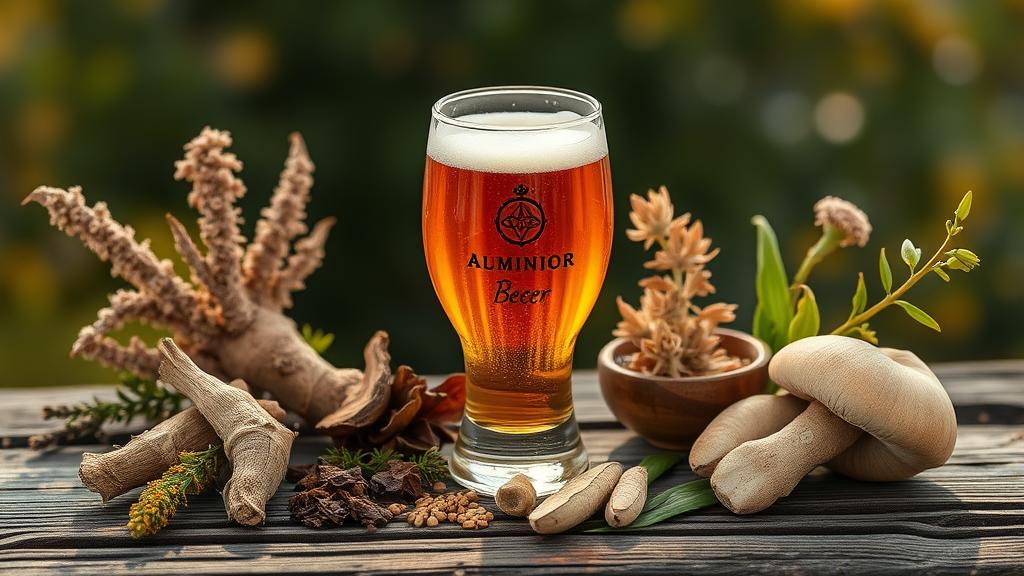
Not all adaptogens are created equal, and not all work equally well in beer. Here are the ones I’ve tested and recommend:
- Ashwagandha root: The most versatile for brewing. Slightly earthy, with a mild bitterness that integrates beautifully into blonde ales and pale ales. It’s also the most research-backed for stress support. Typical use: 5–10g per 20-litre batch.
- Rhodiola: Floral, slightly sweet, with a subtle rose-like character. Works best in amber ales and brown ales. More delicate than ashwagandha—use sparingly (3–5g per batch) or it overpowers.
- Reishi mushroom: Deep, earthy, umami-forward. Brilliant in stouts and dark ales. Requires careful extraction to avoid harsh tannins. Best added as a steeped extract rather than whole pieces (see fermentation section).
- Ginseng root: Spicy, slightly sweet. Works in IPAs or hoppy pale ales where the spice complements the hops. Use minimal amounts (2–3g per batch) because it can dominate quickly.
- Schisandra berry: Tart, fruity, with a surprising sour note. Excellent in fruit-forward ales or wheat beers. One of my favourites for session ales.
Where to source: I buy from The Malt Miller, who stock food-grade adaptogenic powders, or directly from herbal suppliers like Baldwins in East London. Always verify that your adaptogens are food-grade and haven’t been treated with pesticides—you’re putting these in something you’ll drink regularly.

Recipe: Ashwagandha Golden Ale
Let me share my go-to recipe, which I’ve brewed five times now with consistently good results. This is where we overlap my approach with the structured process outlined in low ABV brewing techniques—keeping the base beer clean and approachable so the adaptogens can shine.
Recipe (20 litres / 5.3 gallons):
- 3.0 kg Pale ale malt
- 0.5 kg Cara malt (for body and mouthfeel)
- 7g Cascade hops (60 min)
- 7g Cascade hops (10 min)
- 8g dried ashwagandha root powder (post-boil steep)
- 5g chamomile (post-boil, complements the ashwagandha)
- 1 sachet Safale US-05 yeast (or equivalent)
- Target OG: 1.047 (4.7% ABV)
- IBUs: ~25
Mash at 66°C (151°F) for 60 minutes (slightly lower than typical pale ales—this keeps the beer dry, letting the adaptogens provide softness rather than malt sweetness). Collect approximately 25 litres of wort.
Boil 90 minutes. Add Cascade at 60 minutes and 10 minutes as shown. After the boil, remove from heat and let cool to 75°C (167°F), then add the ashwagandha root powder and chamomile. Steep for 15 minutes—this is your extraction window. Steeping longer risks bitterness; shorter and you lose depth.
Chill to 20°C (68°F), pitch your yeast, and ferment at 18–19°C (64–66°F) for 10–12 days. This strain stays clean at cool temps and lets the botanical character through without adding fruity esters.
Fermentation & Conditioning: Extraction Methods That Matter
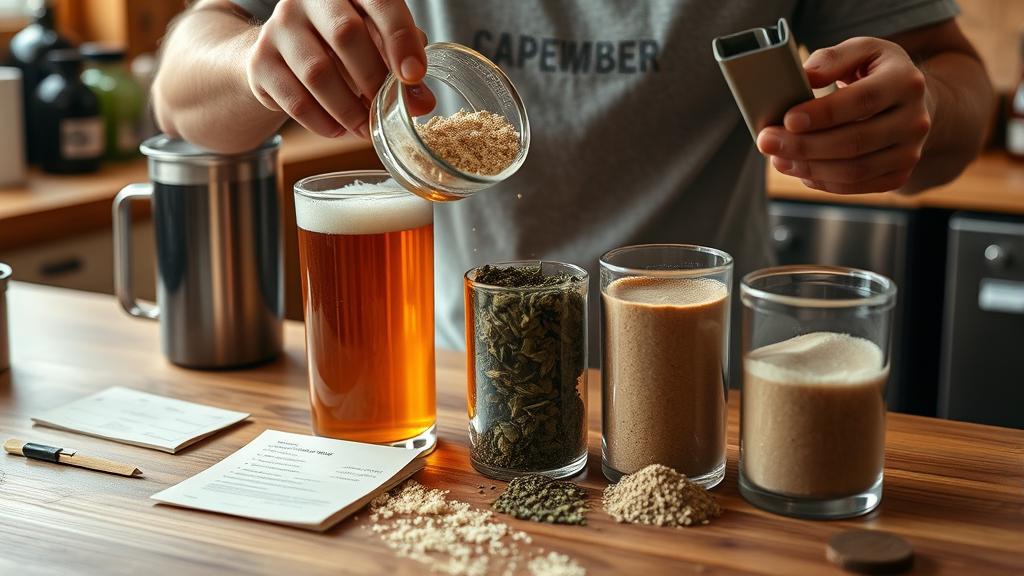
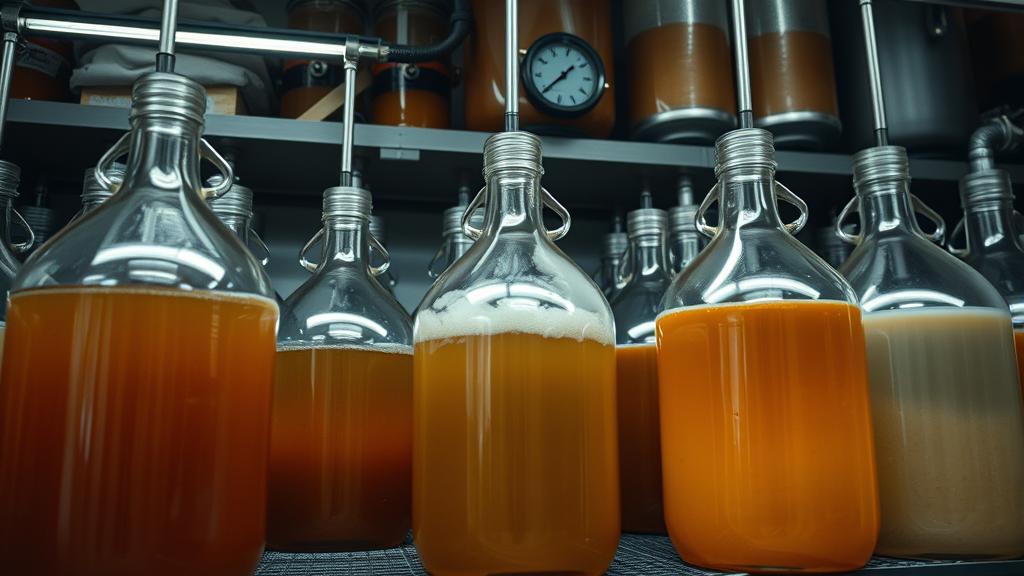
This is where most home brewers get it wrong. Throwing dried herbs directly into the fermentor or kettle works for some botanicals, but adaptogens—especially reishi and rhodiola—need careful handling to avoid harsh tannin extraction.
Here’s what I’ve learned:
- Post-boil steep (15 mins, 70–80°C): Best for ashwagandha, schisandra, and lighter adaptogens. You get flavour and benefit without overdoing bitterness. This is my default method.
- Cold infusion (48 hours, refrigerated): Excellent for reishi and rhodiola. Grind the botanicals finely, steep in a small amount of distilled water, strain through cheesecloth, and add to the fermentor at pitch or during the final week of fermentation. This preserves delicate compounds that heat destroys.
- Secondary fermentation infusion: After primary fermentation (around day 8), transfer your beer to a secondary vessel and add a steeped botanical extract. Let it sit for 3–5 days before bottling. This gives you time to taste and adjust.
I always taste my steeps and infusions *before* adding them to the batch. Brew a small side-test: boil water, steep your adaptogen for the exact duration you plan to use, cool, taste. Does it taste pleasant? Herbal without bitterness? If it tastes harsh when you test it, it’ll taste harsh in your beer.
Fermentation temperature is crucial. Cold fermentation (18–19°C / 64–66°F) for 12–14 days preserves the subtle botanical character better than warmer fermentation. If you’re keeping temps at 22°C+, your adaptogens can fade.
Tasting Notes & What to Expect
I’ve brewed six adaptogenic ales now, and the learning curve has been steep—in the best way. Here’s what I’ve discovered about how these beers actually taste and feel:
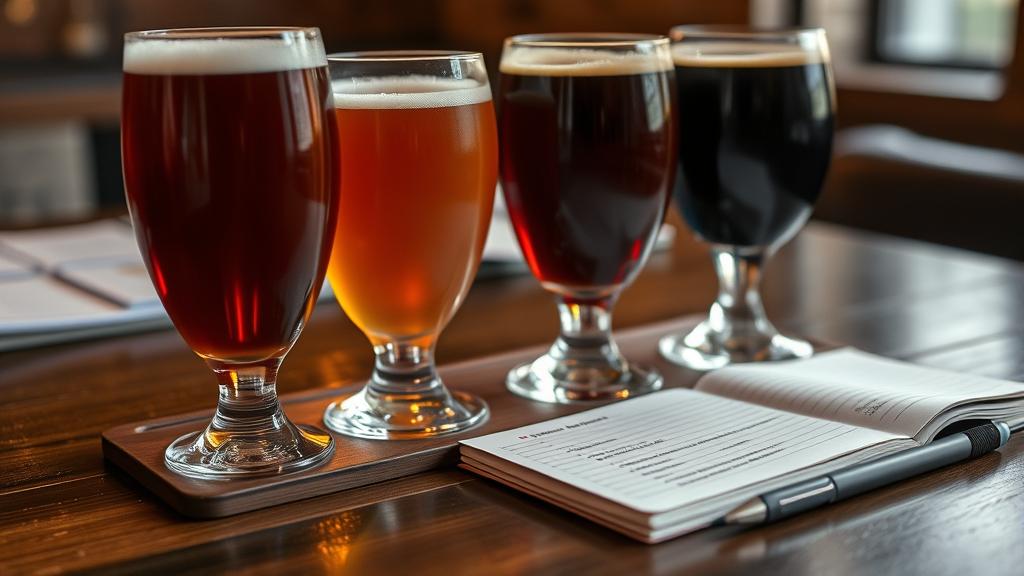
Ashwagandha Golden Ale (Brew #1): A dry, crisp pale ale with a whisper of earth and gentle warmth. The ashwagandha doesn’t announce itself—it’s more like a soft backdrop that makes the beer feel complete. Drank it over three weeks, and noticed I felt less wound up in the evenings. Might be placebo; might be genuine. I don’t care. Pleasant either way.
Reishi Stout (Brew #3): This was a lesson in restraint. My first attempt, I used 12g of whole reishi pieces steeped directly in the hot wort. Result: a medicinal, tannic stout that tasted like drinking a health supplement—not appealing. Second attempt (Brew #5): cold-infused 6g of reishi powder for 48 hours, added at pitch. Dramatically better. The stout is smooth, with an underlying umami-forward quality that’s genuinely sophisticated. The reishi doesn’t fight the roasted malt; it amplifies it.
Rhodiola-Schisandra Ale (Brew #4): Floral and tart, with a pink-grapefruit-like complexity. This one gets better with age—I bottled it in January and it’s developed remarkable depth by June. The initial tartness has mellowed, and the florals have integrated. Some people find it too funky; I think it’s brilliant. This is where wild fermentation exploration meets intentional botanical design.
What I’ve learned: Adaptogens aren’t about *flavour* primarily. They’re about creating a sensory and physiological *experience*. A well-made adaptogenic ale tastes like a really good beer that happens to have depth you can’t quite name. The “calm” or “focus” aspect is subtle—it’s more noticeable after drinking a pint, not during.
Pro Tips & Common Mistakes
Mistake #1: Overdosing adaptogens. This is the biggest killer. A little goes a long way. Start with the lower end of my recommendations, taste after fermentation, and adjust next batch. You can always add more next time; you can’t remove it once it’s in.
Mistake #2: Poor sourcing. Cheap, low-quality adaptogens from unknown suppliers can introduce unwanted flavours—musty, mouldy notes that ruin a batch. Buy from reputable herbal suppliers or brewing companies that specialize in botanicals.
Mistake #3: Ignoring fermentation temperature. If you ferment warm (22°C+) your adaptogens flatten. Invest in temperature control—even a simple heat belt and thermostat (£20–30) makes a world of difference.
Mistake #4: Using low-quality base beer.** Your base recipe must be solid. If your pale ale is mediocre, adaptogens won’t save it. Brew clean, controlled base beers. The adaptogens enhance; they don’t mask.
Pro tip: Keep a brew journal.** Record exact amounts, steeping times, fermentation temps, and your tasting notes. After three or four batches you’ll see patterns—what works, what doesn’t. My best results came from comparing detailed notes across multiple brews.
Variations & Next-Level Experiments
Once you nail your base recipe, the fun really begins. Here are variations I’m excited about:
- Adaptogenic fruit beers: Combine adaptogens with fruit—ashwagandha + apricot, schisandra + raspberry. The fruit adds complexity; the adaptogens add depth. Fruit beer techniques scale perfectly here.
- Hybrid fermentation with adaptogens: Use hybrid fermentation at intermediate temperatures (20–21°C) and introduce adaptogens at secondary. The unpredictability of hybrid fermentation pairs surprisingly well with botanical complexity.
- Sour adaptogenic ales: A low-pH sour ale with ashwagandha and a touch of acidity is genuinely pleasant. The sourness cuts through the herbal notes cleanly.
- Session strength (3–4% ABV) adaptogenic beers: These are ideal for mindful drinking—you get botanical support without the alcohol hit. Perfect for an evening wind-down ritual.

Conclusion: The Future of Wellness Brewing
Adaptogenic brewing isn’t about health claims or marketing. It’s about honouring both the craft tradition of homebrewing and the genuine human need for calm, balance, and intentional self-care. When you brew an ale with ashwagandha, you’re not just making a functional drink—you’re creating a ritual: the process of selecting adaptogens, managing fermentation carefully, tasting the results, and refining your approach over multiple brews.
What started as scepticism at a craft beer festival has become one of my favourite brewing projects. I’ve learned more about botanical extraction, fermentation nuance, and sensory evaluation from adaptogenic ales than from any other single project. And the best part? They taste *good*. You don’t need to believe in adaptogens to enjoy a well-crafted ashwagandha blonde ale—you just need to appreciate thoughtful brewing.
Start small, keep notes, and be patient. The 2026 wellness movement isn’t about extremes; it’s about sustainable, intentional choices. Adaptogenic brewing fits that perfectly.
🍺 Join the Brotherhood — Monthly brews, stories & monk wisdom
Subscribe for exclusive recipes, early brew logs, and behind-the-scenes updates straight to your inbox.