Introduction: Why Wild Farmhouse Ales Matter in 2026
For years, I stuck to predictable yeasts and controlled fermentations. Reliable. Safe. Boring. Then I discovered wild farmhouse ales—and everything changed.
Wild fermentation isn’t new. Belgian lambic brewers have been letting Brettanomyces and Lactobacillus work their magic for centuries. But in 2026, we’re experiencing a renaissance. Homebrewers are embracing the unpredictable, the funky, the genuinely *alive* character that wild microbes bring to beer. It’s part of a broader movement toward experimental fermentation methods and farmhouse brewing traditions, where brewers intentionally court complexity instead of fighting for crystal-clean clarity.
A wild farmhouse ale is, at its heart, a conversation between you, your ingredients, and microbes you can’t fully control. The homebrewing community at HomeBrewTalk shares countless wild ale experiences and troubleshooting tips. The sourness, the funk, the herbal notes—they emerge over months, sometimes years, in oak barrels. It’s honest brewing. Monastic, even.
What Makes a Wild Farmhouse Ale?
A wild farmhouse ale differs fundamentally from standard homebrews. It relies on mixed-culture fermentation—typically Saccharomyces cerevisiae (standard brewing yeast) alongside Brettanomyces, Lactobacillus, and other microbes that develop complexity over time.
The key characteristics are:
- Sourness: Lactic acid produced by Lactobacillus creates a tart, sometimes vinegary bite, as defined by BJCP wild ale style guidelines
- Funk and Earthiness: Brettanomyces (or “Brett”) produces earthy, leather-like, or horse-blanket aromas—prized by enthusiasts, polarising to newcomers
- Complexity: Flavours evolve monthly, even yearly. A bottle tasted at 6 months tastes entirely different at 2 years
- Lower carbonation: Many farmhouse ales are dry-hopped or naturally carbonated, creating a softer, more sessile mouthfeel
The fermentation timeline is brutal compared to a standard ale: 2–4 weeks for primary fermentation, then 3–12 months (or longer) in the barrel. But the reward—a beer that tastes genuinely unique, tied to your specific environment and choices—is worth it.
Ingredients & Equipment: Sourcing the Right Materials
Building a wild ale isn’t complicated, but it does require patience and a few specific ingredients.
Base Malts and Adjuncts
Start simple. A wild ale doesn’t need exotic grains—it needs balance. I typically use:
- Pale malt (70%): Pilsner or pale ale malt for clean fermentable sugars
- Wheat (15–20%): Adds body and promotes head retention; essential for a farmhouse character
- Specialty malts (5–10%): A touch of Munich malt or light caramel for depth, but not so much that it overpowers the wild character
Budget: £10–15 (£8–12 USD) for a 5-gallon batch. Quality malt is available from The Malt Miller and other UK specialty suppliers. Local maltsters can provide regenerative, sustainably grown grains, which pair beautifully with the rustic ethos of farmhouse brewing.
Hops—Less Is More
Forget the pellet wars. A wild farmhouse ale benefits from restrained, noble hopping. Aim for 20–30 IBUs total. Traditional farmhouse brewers used low-alpha varieties:
- Hallertau Mittelfrueh: Earthy, spicy, classic farmhouse choice
- Saaz: Herbal, slightly floral, pairs with fruit additions
- East Kent Goldings: British, subtle, blends into the background
Avoid modern high-alpha varieties (Citra, Mosaic, etc.). The point isn’t a bitter assault—it’s balance. Wild ales improve with age partly because the hop bitterness fades, revealing the fruit and funk beneath.
Water & Yeast Starters
Water quality matters less with wild ales (the microbes will dominate), but a balanced profile helps. If your tap water is very hard or soft, adjust it toward neutral—modern brewing software can calculate profiles automatically.
For yeast, you have two paths:
- Commercial mixed culture: Wyeast 3711 (French Saison Blend) or White Labs WLP677 (Lactobacillus) combined with a small pitch of standard ale yeast
- Wild capture: Let your fermentation vessel sit open for 24–48 hours before sealing, allowing local microbes to colonise the wort. Riskier, but more “farmhouse”
I recommend starting with a commercial mixed culture. Once you understand the process, you can experiment with spontaneous fermentation.
Barrels & Aging Vessels
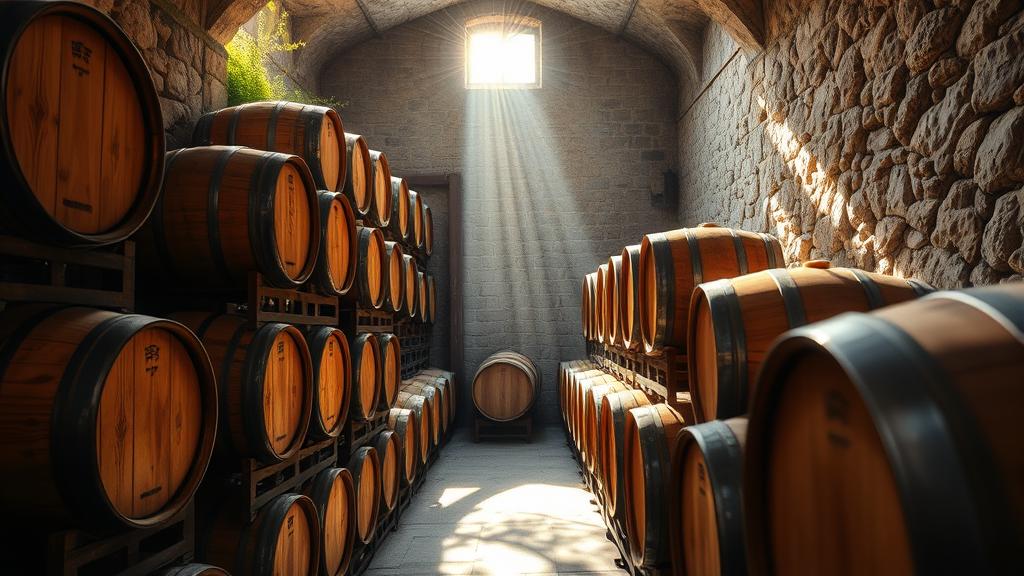
This is the luxury item. Oak barrels (ex-wine, ex-whiskey, or new French oak) cost £50–200 (£40–160 USD) per barrel. For a first wild ale, start with a smaller vessel:
- 5-litre oak carboys: £20–40 (£16–32 USD) — ideal for experimenting
- Full 225-litre barrels: £100+ (£80+ USD) — invest only once you’ve nailed your recipe
Alternatively, add oak cubes, chips, or spirals to a glass carboy for a fraction of the cost (£5–10). The oak contact time will be shorter, but the concept is identical.
Step-by-Step Brew Day
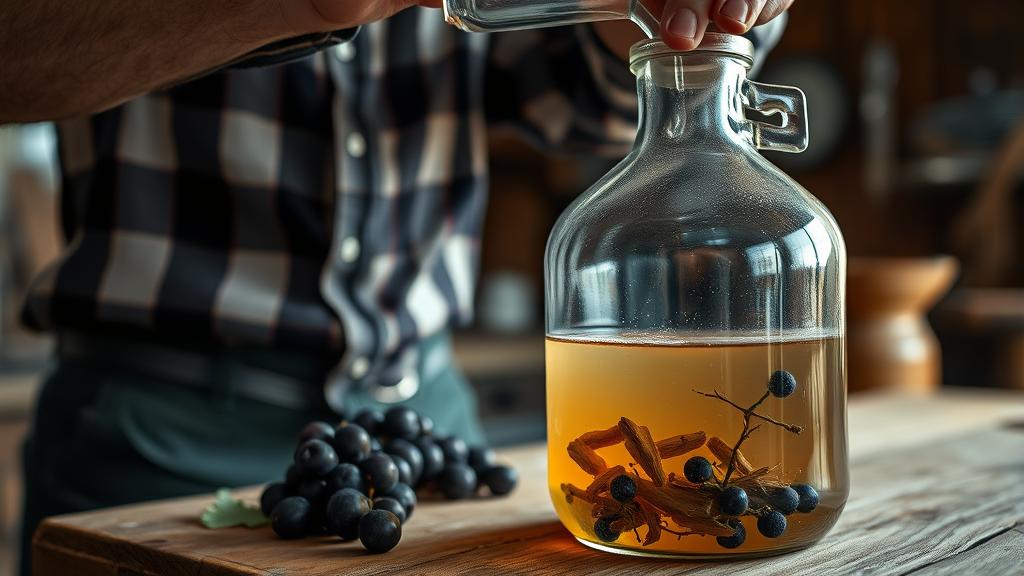
A wild farmhouse ale brew day looks similar to any all-grain brew, with one critical difference: cleanliness is secondary. You want some wild character, so absolute sterility isn’t the goal.
- Mash (60–90 minutes): Infuse crushed grain in 66–68°C water. Use a step mash if you like: 45°C for 15 minutes (protein rest), then jump to 65°C for the rest of the mash. Rest 10 minutes at 72°C (mash-off). This maximises fermentable sugars.
- Sparge & Collect (30–40 minutes): Rinse the grain bed with 77°C water, collecting approximately 26 litres (6–7 gallons) of wort into your kettle. Don’t overthink this—farmhouse brewing tolerates variance.
- The Boil (90 minutes): Here’s the key difference from a standard IPA: keep it simple. Add all your bittering hops at the start (45–50 IBUs). Skip the aroma additions. A wild ale’s complexity comes from age and funk, not fresh hop character. Boil hard, covered, to drive off volatile compounds.
- Cool to 20°C (65°F): Use a plate chiller or immersion chiller to drop the wort temperature quickly. Avoid oxidation by chilling under a sanitised lid or blanket. Wild fermentations tolerate warmer temps, but cooling ensures a clean start from your pitch yeast.
- Pitch & Wait: Pour into your carboy or barrel. If using a commercial mixed culture, pitch at the manufacturer’s rate. If capturing wild yeast, leave the vessel open for 24–48 hours, loosely covered with cheesecloth to keep insects out. Then seal with an airlock.
Total brewday time: 4–6 hours. The real work begins when fermentation stalls.
Fermentation & Barrel Aging: Patience Is Everything
This is where wild ales separate themselves from standard homebrews. While a standard ale finishes in 2–3 weeks, a farmhouse ale is just beginning.
Primary Fermentation (2–4 weeks)
Keep the carboy or barrel in a cool, stable place (15–18°C ideally). You’ll see vigorous fermentation for the first week, then a gradual slowdown. Resist the urge to stir, aerate, or fuss. The microbes are working.
After 2–4 weeks, check gravity with a hydrometer. If it’s dropped by about 60–70% of the original points, you’re ready to move to the next phase.
Secondary Aging in Oak (3–12 months)
Here’s the magic. Transfer your partially fermented beer (carefully, without splashing) into a barrel or oak-aged carboy. This is where:
- Brettanomyces continues its slow work, creating earthy and funky notes
- Lactobacillus produces lactic acid, adding tartness and complexity
- Oak contact develops vanilla, leather, and wood spice notes
- Oxidation is actually desirable here (unlike standard ale aging), contributing to colour deepening and flavour development
A well-sealed barrel might age 6–12 months. A carboy with oak chips might be ready in 3–4 months. The only way to know is to taste regularly—every 2–4 weeks, draw a small sample via a tap and assess. Note changes in aroma, taste, and clarity.
When it tastes “right” to you (complex, balanced, with clean sourness rather than vinegar sharpness), it’s time to bottle.

Tasting Notes & My Honest Review
I’ve brewed three wild farmhouse ales in the past year. Two were exceptional. One was… educational.
The Winner: Saison-Style Wild Ale
Base recipe: 70% Pilsner, 20% wheat, 10% Munich. Hallertau bittering (25 IBUs). Pitched with Wyeast 3711 (French Saison Blend) plus a touch of Lactobacillus. Aged 6 months in a 5-litre oak carboy with French oak chips.
Colour: Golden amber, slightly hazy (as it should be)
Aroma: Stone fruit (peach, apricot), subtle Brett earthiness, clove and black pepper from the yeast
Flavour: Dry, crisp, with a gentle sourness that hits the midpalate. The funk is restrained—not “horsey” or off-putting, but present. Finish is clean, slightly peppery.
Mouthfeel: Light-bodied, well-carbonated (I force-carbed to 2.5 volumes), slightly warming alcohol (6.2% ABV)
Honest takeaway: This tastes *different* from commercial wild ales, in a good way. CAMRA’s resources on British ale traditions provide helpful context for farmhouse brewing heritage. It’s tied to my process, my water, my patience. That’s the point.
The Mistake: Overly Adventurous Fruit Addition
Second attempt: Same base recipe, but I added too much dried apricot and a pinch of cardamom, trying to be “creative.” Result? The beer was unbalanced—the fruit cloyed, the cardamom soapy, and the Brett was completely masked. Lesson learned: fruit additions in wild ales require restraint. A small amount (50–100g per 20 litres) works. Anything more risks drowning out the careful work of your microbes.
Pro Tips & Common Mistakes
Mistakes to Avoid
- Don’t rush the fermentation. A wild ale that’s “done” in 3 weeks is probably just a regular ale with some Brett in it. Real complexity takes months.
- Don’t sanitise obsessively. Clean, yes. Obsessively sterile, no. You *want* some wild microbes. Infection by *unwanted* microbes (vinegar bacteria, mould) is different—keep your barrel sealed and your equipment clean but not surgical.
- Don’t underestimate oxidation. Unlike pale ales, some oxidation is acceptable and even desirable in wild ales. It adds colour depth and complexity. Don’t panic if your barrel develops a brownish hue after 6 months.
- Don’t ignore bottling conditions. Wild ales are often dry and still (low carbonation). If you bottle them, use crown caps and plan for secondary fermentation in the bottle. Some Brett strains will re-ferment slowly over months, creating new flavours. This is normal and wonderful.
Pro Tips That Actually Work
- Temperature stability matters. Keep your barrel or carboy in a space that stays 15–18°C. Fluctuation slows fermentation and invites unwanted microbes.
- Taste regularly. Every 4–6 weeks, draw a sample. Keep notes. This teaches you what “done” looks like and lets you catch problems early.
- Oak contact is adjustable. New oak = bold oak character in 3–4 months. Used oak (ex-wine, ex-whiskey) = subtle oak influence over 6–12 months. Start conservative; you can always add more oak chips to your carboy if needed.
- Blend if necessary. If one wild ale is too funky and another is too clean, blending them often creates magic. This is how Belgian brewers perfect their lambics.
- Document everything. Record your pitch rate, fermentation temperatures, tasting notes, and bottling date. Patterns emerge, and you’ll refine your process faster.
Variations & Next-Level Experiments
Once you’ve nailed a basic wild farmhouse ale, the possibilities multiply.
Fruit-Forward Variants
Add fruit sparingly: 50–100g fresh fruit per 20 litres, or 25–50g dried fruit. Cherries, peaches, and raspberries work beautifully with Brett funk. If you’re growing your own berries and fruit, harvest at full ripeness and add directly to the secondary.
Barrel-Swapping
Use ex-wine barrels for clean, mineral complexity. Use ex-whiskey or ex-bourbon barrels for vanilla and oak spice. Some brewers rotate their wild ales through multiple barrels over years, building insane depth.
Spontaneous Fermentation (The Brave Path)
Once you’re comfortable, try a fully spontaneous fermentation: cool your wort overnight exposed to air, seal it the next morning, and let nature take over. This is how farmhouse brewing began. It’s riskier (you might get vinegar), but the resulting beer—if successful—is uniquely yours, shaped by your home’s microbiome.
Blending & Cellaring Programs
Serious wild ale brewers age multiple vintages, then blend them in spring like winemakers. A 2025 vintage (aggressive fermentation) blended with a 2026 vintage (slower, subtler funk) can create something neither was alone. Plan for this if you’re committing to wild ale long-term.
Conclusion: The Monastic Art of Patience
Wild farmhouse ales represent something rare in modern homebrewing: a return to uncertainty, to trust in living cultures, to the belief that patience and honest ingredients trump technology and control.
They take time. They’re unpredictable. They’ll teach you lessons you didn’t ask for. But the beer you create—genuinely unique, tied to your home and your decisions—is worth every month of waiting and every failed experiment that taught you something.
If you’re ready to embrace the unpredictable and become, in a small way, a farmhouse brewer yourself, start simple. A 5-litre carboy. A modest grain bill. A commercial mixed culture. And then: wait. Listen to the microbes. Take notes. Taste regularly.
This is monastic brewing. This is farming. This is home.
🍺 Join the Brotherhood — Monthly brews, stories & monk wisdom
Subscribe for exclusive recipes, early brew logs, and behind-the-scenes updates straight to your inbox.