If you’ve been brewing for a while, you’ve probably noticed something: the best beers tell a story. Not the story the brewer wants to tell, but the story that’s already woven into the water, the soil, and the wild yeasts of a place. That’s terroir — and it’s no longer just for wine.
For years, homebrewers like me chased consistency. We wanted repeatability, predictability, the confidence that our next batch would taste like the last one. But somewhere in 2025 and 2026, something shifted. Brewers started asking a different question: what if the best beer is the one that tastes like here? What if the magic is in the specificity, not the standardisation?
That’s brewing terroir — and it’s one of the most honest, rewarding turns homebrewing has taken.
What Is Terroir, and Why Does It Matter Now?
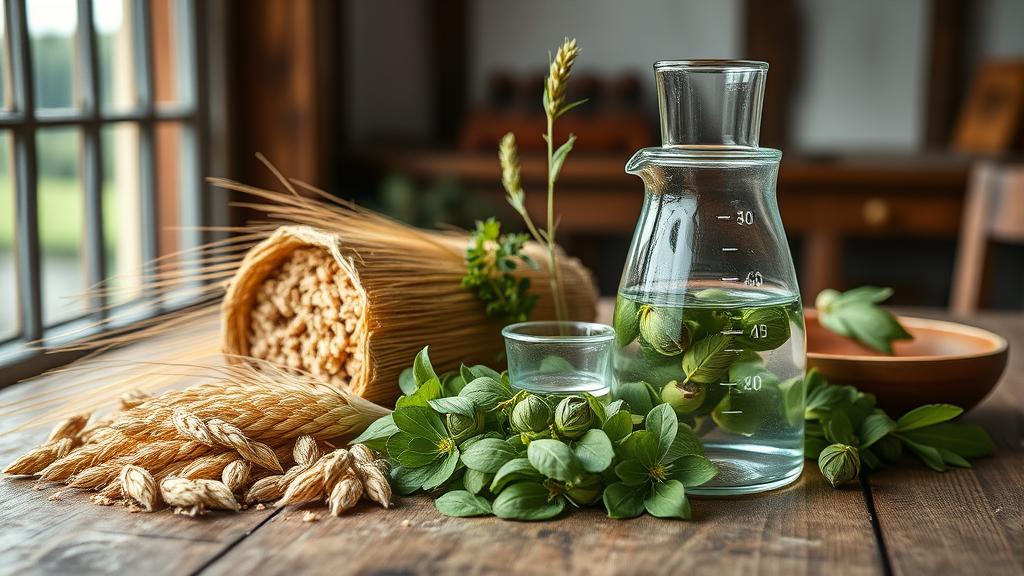
Terroir is French, borrowed from wine, meaning “the sum of all the environmental factors that influence a product.” In wine, that’s soil mineralisation, microclimate, and grape genetics. In beer, it’s more subtle — but equally real.
The water chemistry of your region sets the baseline. Soft water in Wales pulls toward bright, delicate flavours. Hard water in Burton-on-Trent historically created pale ales with mineral snap. The yeast falling from your local air — wild Saccharomyces, Brettanomyces, local bacteria — that shapes fermentation in ways you can’t control, only guide. The ingredients you can source locally: heritage barleys from regional maltsters, wild hops from hedgerows, foraged botanicals.
For generations, commercial breweries built their identity around terroir, whether they named it that or not. Newcastle Brown was Newcastle because of Newcastle’s water. Cornish ales tasted like Cornwall. But homebrewers? We’ve mostly tried to erase terroir, building perfectly conditioned laboratories to eliminate variables. That’s sensible if you’re aiming for a Pilsner that tastes identical in Berlin or Bristol. But if you’re brewing to capture something true about your place? That’s terroir.
And it turns out, people — including us — are hungry for it. As The Conversation reported in their craft beer terroir essay, the turn toward terroir is rooted in slow food, locavorism, and a need for connection to place. In 2026, that hunger is growing faster than ever.
Starting with Water: The Foundation of Terroir
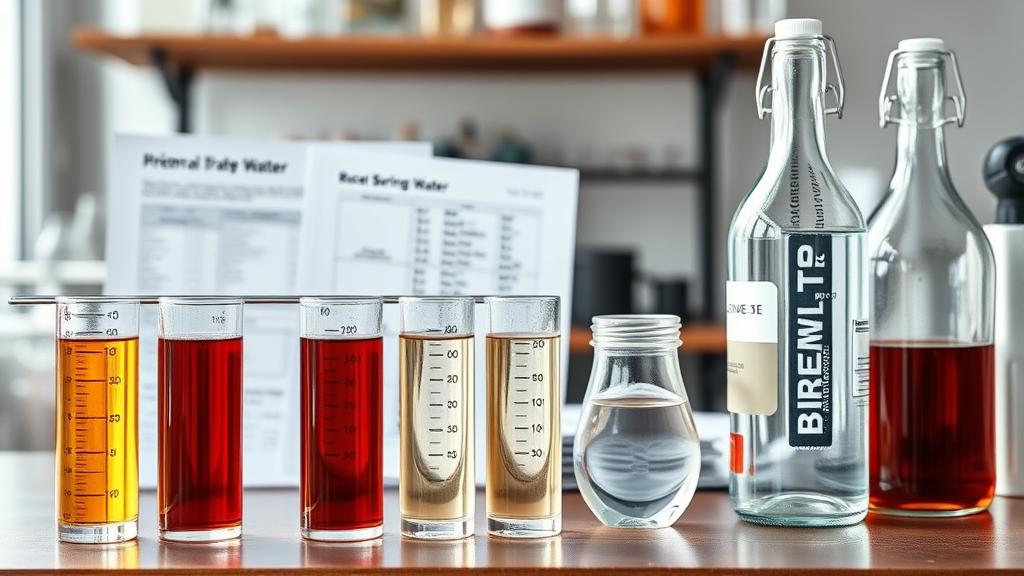
Before you touch grain or hops, know your water. Not as an enemy to defeat, but as the first voice of your terroir.
I had my local water tested last spring — cost me £30 and took a week. The results were revealing: soft, slightly acidic (pH 6.8), with low mineral content. That water profile naturally suits hoppy bitters, blonde ales, and anything where you want delicate, bright expression. Not ideal for stouts or mineral-forward brown ales, which traditionally come from harder-water regions.
The choice was mine: add minerals to mimic Burton or Doncaster water, or work with what I had. I chose the latter. The beer I’m brewing this month — a pale ale with local Fuggles and East Kent Goldings — is designed for soft water. The hops shine without mineral weight dulling them. That’s terroir: respecting your water, not overriding it.
You can test your water through your local water authority’s reports (in the UK, usually free online) or a homebrew lab test. GeterBrewed and The Malt Miller both offer kits. Note your hardness (ppm calcium carbonate), pH, and mineral profile. Don’t memorise it — use it.
Sourcing Local Ingredients: Building the Story
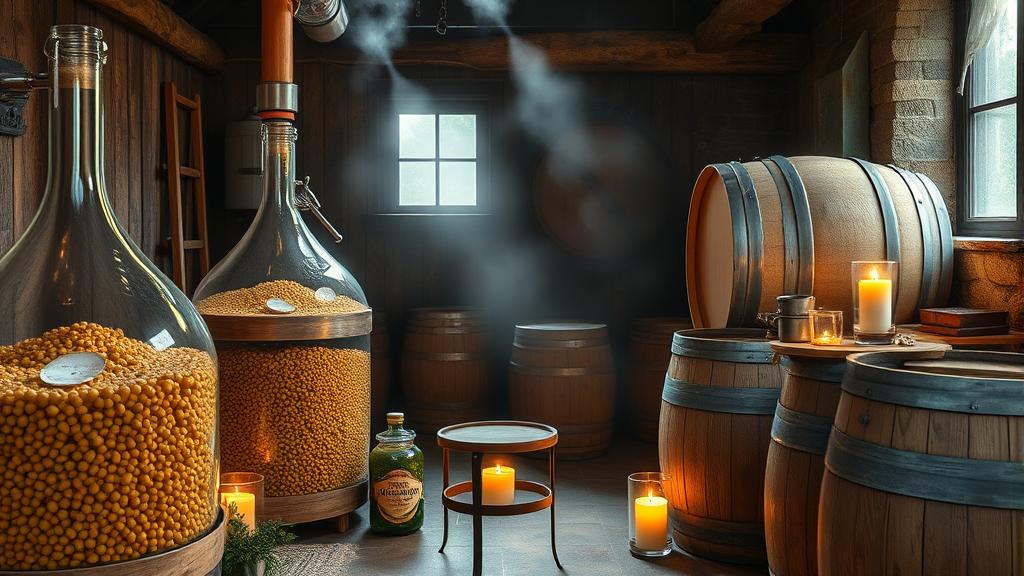
Terroir doesn’t mean local-only — that’s authenticity theatre. It means choosing ingredients that connect you to place, then amplifying those choices. This aligns naturally with sustainable brewing practices, where your focus on local sourcing reduces miles and deepens roots simultaneously.
Start with malt. Most of the UK’s heritage malting happens in East Anglia and the Midlands, but regional maltsters are having a quiet renaissance. The Malt Miller sources from smaller malthouses, and you can track terroir through their descriptions. A malt might be “Faulklands Spring Barley, soft-kiln dried” — that specificity matters. It tells you the grain’s story.
Hops are where terroir becomes visceral. If you’re in Kent, Sussex, or Hereford, you’ve got wild hedgerow hops — genuine terroir botanicals. Foraged wild hops carry the signature of your landscape in ways commercial pellets never can. I foraged Fuggles and wild hybrids from a local hedge last August (legally, with permission). Those hops, dried in September, went into this month’s brew. They’re earthy, herbal, nothing like the uniformly pelletised equivalents. The beer tastes of the place I picked them.
Water, local malt, local hops — that’s the foundation. But the real magic happens in fermentation.
Wild Fermentation: The Voice of Your Terroir
This is where most homebrewers get nervous, and I understand why. Adding unpredictable yeast feels reckless. But wild fermentation — harnessing the yeast and bacteria naturally present in your area — is the most honest expression of terroir.
A few months ago, I tried a spontaneous fermentation experiment. I made a low-gravity Berliner Weisse (around 3% ABV, 1,050 original gravity), cooled it to room temperature, left it uncovered overnight in my garage, then sealed it loosely. The local yeast colonised it over 48 hours. After three weeks of open fermentation, it soured beautifully — tart, mineral, with a complexity I couldn’t have bought.
Not every batch succeeds. One batch turned vinegary. Another stalled. But the beers that work? They taste true — shaped by the microbiota of my garage, my street, my region. That’s terroir that can’t be replicated elsewhere.
If you’re nervous, start small. Use a 5-litre (1-gallon) test batch with low gravity (below 1,050 OG to avoid spoilage risk). Ferment cool (around 12–16°C / 54–61°F), with a cloth covering the vessel to let wild yeasts in while keeping dust out. Monitor closely. Many experiments will fail — that’s okay. You’re learning to listen to a place.
For a more structured approach, HomeBrewTalk’s wild yeast forum has detailed guides on capturing and propagating local Saccharomyces and Brettanomyces strains. Several UK brewers have isolated their local wild yeasts and documented the results — the diversity is stunning. Some brewers combine wild fermentation with hybrid fermentation techniques, blending temperature control with wild microbial input for unprecedented complexity.
Blending and Aging: Time as Terroir
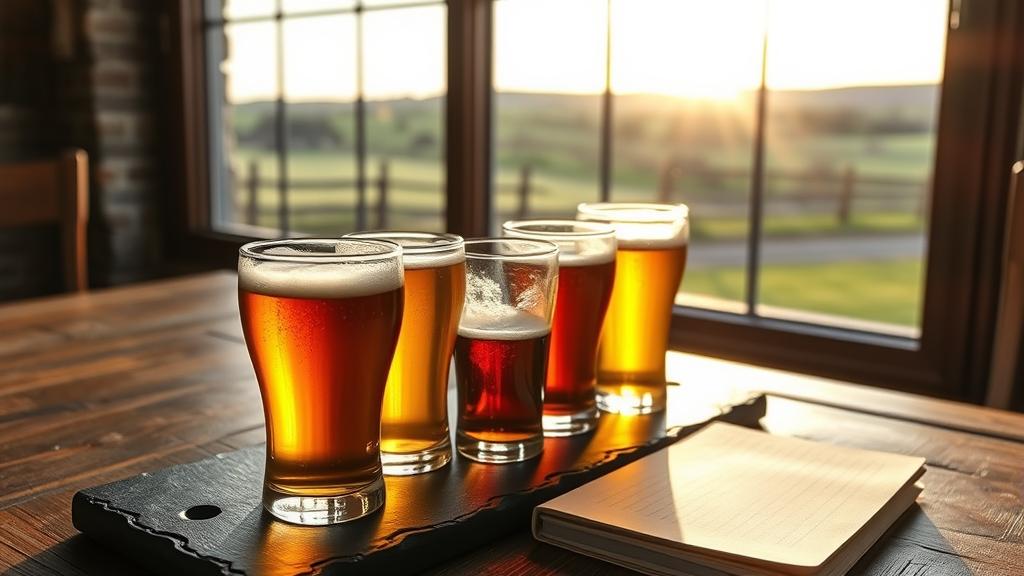
Terroir isn’t just about a single batch. It’s about evolution. The best terroir-focused beers I’ve made were the result of patient aging — 6 months, a year, sometimes longer.
Terroir shines through aging. A sour beer aged in a wooden barrel (or even a ceramic vessel) develops brett, wild bacteria, and complexity that’s impossible to rush. A wild-fermented ale rested for three months tastes different — more integrated, the rough edges smoothed by time and continued microbial activity.
Keep detailed notes. Date, gravity, tasting impressions, microbial activity (visible sediment, clarity changes, aroma development). Over time, you’ll notice patterns unique to your setup. That’s your terroir profile — the signature of this place, this garage, this brewing partnership with local microbes.
Tasting and Storytelling: Making Terroir Real
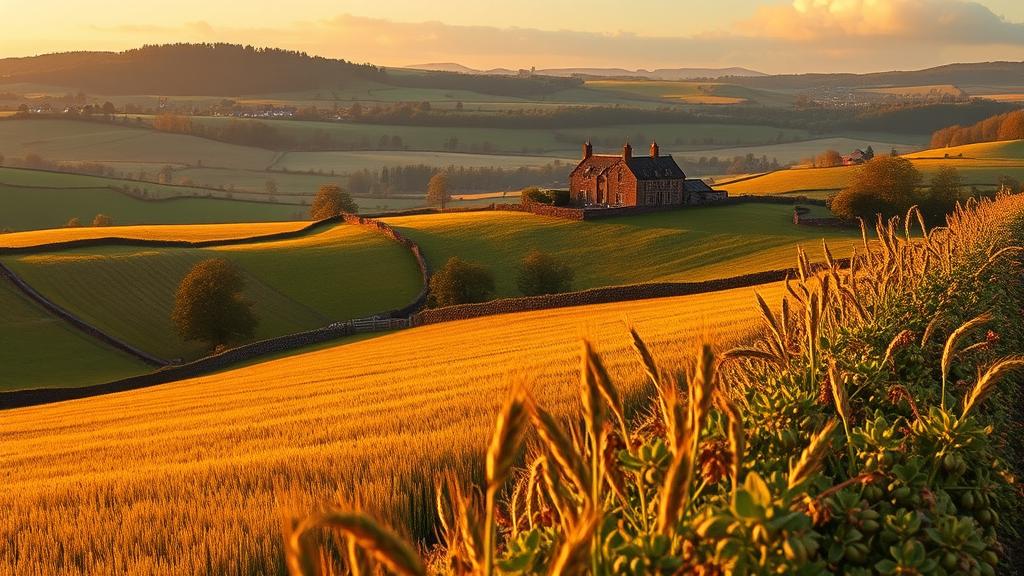
Here’s the part that shifts terroir from technique to philosophy: taste with intention.
When you’re tasting a terroir beer, you’re not just evaluating if it’s “good” by standardised metrics. You’re asking: what does this beer tell me about where I live? What does the local water chemistry taste like in this malt? What did August’s wild hops bring to this fermentation?
I keep a tasting journal — just a notebook with date, beer, notes, and a sketch of the place where an ingredient came from. This month, tasting a pale ale with local Fuggles and soft water, I wrote: “Delicate, herbal, mineral-bright. Hops taste green — fresh-picked, grassy. Water’s softness shows in the clarity. This tastes like the edge of my local hop yard in August, morning dew still on the plants.”
That’s not flowery nonsense. That’s specificity. That’s remembering where your beer came from — not which brewery’s label it carries, but which soil grew its grain and which wild yeasts shaped its fermentation.
This is where terroir becomes more than brewing technique. It becomes a relationship with place. And for those of us drawn to homebrewing partly because we want to know where our food and drink comes from, that relationship is what matters most.
Practical Tips for Your First Terroir Brew
- Get your water tested. It’s the foundation. Know your pH, hardness (ppm CaCO₃), and mineral profile.
- Start with one local ingredient. Perhaps local malt or foraged hops. Don’t overhaul everything at once.
- Keep a tasting journal. Document what you taste, what it connects to, how it evolves. Stories matter.
- Try one wild fermentation experiment at 5 litres (1 gallon). Accept that it might fail. That’s part of learning.
- Connect with local ingredients. Visit a farm if you can. Pick hops with permission. Know where your malt comes from.
- Be patient. Terroir beers improve with time. Six months, a year — taste them as they age.
- Share your results. Terroir is social. Drink with others who care about place. That’s where the real story emerges.
A Final Word on Terroir and Authenticity
There’s a danger here: treating terroir as trend, as aesthetic, as a label to add cachet. That’s not it. Terroir is honest work — it means accepting that some batches will fail, that you can’t control everything, and that’s the whole point.
It means drinking a slightly sour, unpredictable, wild-fermented ale and saying “yes, this is exactly what I wanted” — not because it’s perfect by commercial standards, but because it’s true. True to the water, the local yeasts, the season, the place.
That’s the real shift happening in homebrewing right now. After decades of pursuing perfection and control, we’re learning to brew in conversation with our environment instead of against it. And the beers — the honest, strange, beautiful beers that come from that conversation — they taste like nothing else.
They taste like home.
🍺 Join the Brotherhood — Monthly brews, stories & monk wisdom
Subscribe for exclusive recipes, early brew logs, and behind-the-scenes updates straight to your inbox.