Why Craft Beer Flights Are Having a Moment in 2026
If you’ve been paying attention to the craft beer scene lately, you’ll notice something brewing beneath the surface. Beer flights—carefully curated tastings of smaller pours—have gone from niche taproom experience to full-blown hobby trend. The data backs it up. In 2026, interest in craft beer flights has spiked alongside the resurgence of wine tasting culture. For homebrewers, this is a gift.
I first encountered proper beer flights at a CAMRA event about three years ago. I remember thinking: “Why wasn’t I doing this at home?” The answer is simple—flights force you to taste deliberately. You notice things you’d miss gulping a full pint. The transition between styles matters. The way an IPA clears your palate for a stout. The subtle caramel notes in a brown ale you’d otherwise ignore. It’s honest, methodical tasting. Monastic, even.
The Art of Building Your Flight Lineup
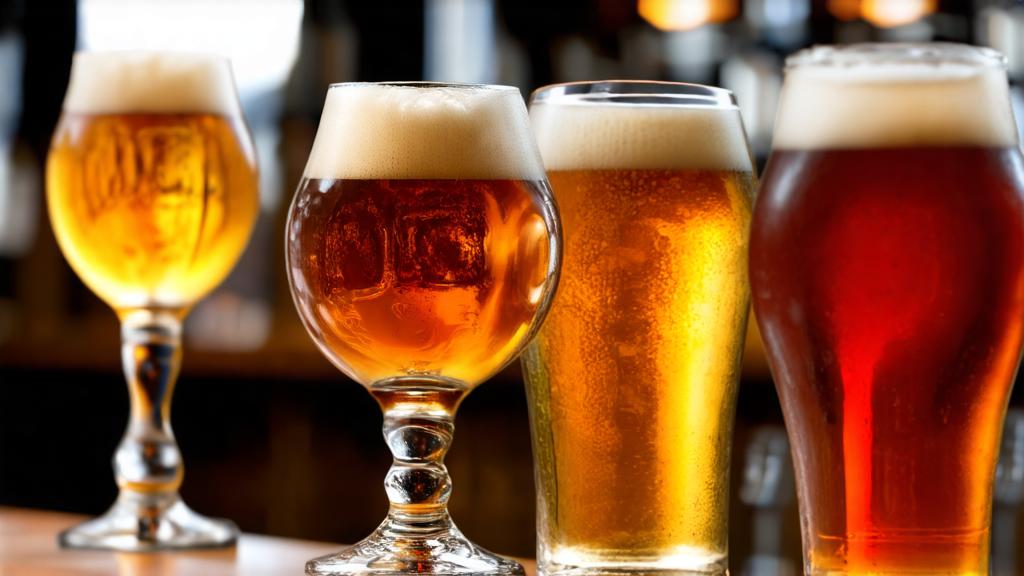
A proper beer flight isn’t random. It’s architecture. You’re building a narrative with your pour choices, leading the palate through a journey that makes sense. The classic formula flows from light to dark, dry to sweet—but that’s just the foundation.
Start with your lightest offering. A pale ale, pilsner, or blonde ale wakes the palate cleanly. No heavy malt compounds to interfere with what comes next. From there, you’ve got options: move toward hoppy, toward fruity, toward spiced, or toward malty depth. The key is intentionality.
I always include at least one rye-based brew in my flights now—the spice adds textural contrast. I’ll also weave in a kettle sour if I’m feeling playful. It resets the mouth between heavier styles. The order matters. The space between matters.
Equipment: More Than Just Pretty Glasses
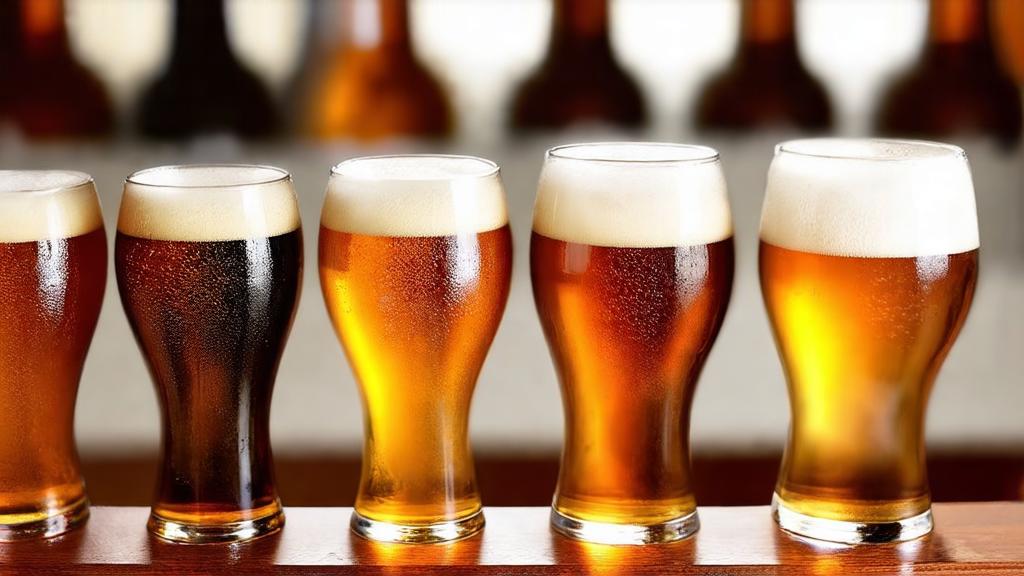
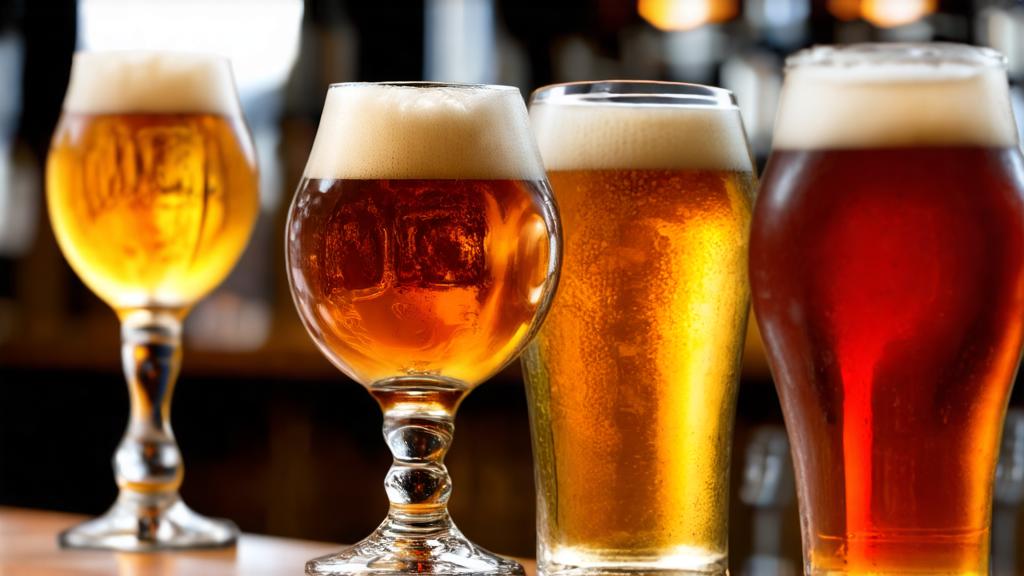
You don’t need much. A wooden board, five to eight small glasses, and ideally a chalkboard space to label each pour. Most beer flights feature 3–5 oz (85–150 ml) pours per glass. The smaller volume keeps beer fresh during the tasting and prevents palate fatigue.
The board matters more than you’d think. Good wood—oak, ash, walnut—doesn’t absorb odours like plastic does. It looks respectful. Your guests (or your own brain) register: “This is a proper exercise, not just drinking.” You can source flight boards from homebrewing suppliers like Geterbrewed or The Malt Miller, or grab a nice wooden paddle from a craft supplier and add your own glasses.
Each glass should be the same size and shape—consistency helps you taste apples to apples, not apples to oranges. Standard tulip glasses or even the classic beer nonic work brilliantly. Water glasses between each pour are non-negotiable. Cleanse, reset, repeat.
Five-Beer Flight Framework (What I Brew)
Here’s a real flight from my brewery logs this summer:
- Pale Ale (5.2% ABV) – Clean, balanced, slight citrus. Opens the door.
- Rye IPA (6.8% ABV) – Hoppy but not brutal. The rye adds pepper beneath the hops.
- Brown Ale (5.5% ABV) – Nutty, slightly sweet. Palate reset, different direction.
- Kettle Sour (4.1% ABV) – Tart, refreshing. The acid cleans everything.
- Chocolate Porter (6.0% ABV) – Rich, deep. The finale. Shows what you’re capable of.
That’s a flight I’m proud of. Each beer speaks. The ABV creeps up slightly, which matters. The flavour profiles don’t clash—they converse. If you’re tasting with someone else, you’ll notice them reaching for different observations. That’s the magic. You’re creating a shared experience, not just serving beer.
The Tasting Ritual (Yes, It’s Intentional)
This is where beer flights shift from novelty to practice. You’re going to taste properly. Look first. Observe colour, clarity, head retention. Write it down if you’re serious. “Golden, hazy, light foam.” Sounds silly, but it trains your eye.
Smell next. The aroma tells half the story. Roll the glass gently. Let the beer open. Note the first impression versus what emerges. Is it fruity? Spicy? Grainy? Hoppy?
Then taste. Small sip. Let it sit a moment on your palate. Notice the front, middle, and finish. How does the flavour evolve? Is there balance between malt and hops? Smoothness or roughness? Does it finish clean or sticky?
This ritual takes time. A proper five-beer flight might take 30–45 minutes if you’re doing it right. But it’s not a race. It’s meditation with beer. The Buddhist monks I read about often spoke about focused attention as a form of spiritual practice. There’s something of that here.
Common Mistakes (I’ve Made Them All)
Don’t serve flights too cold. Chilled beer hides flavour. 50–55°F (10–13°C) is ideal for most ales. Lagers can be slightly cooler. But pulling a flight straight from the fridge mutes everything worth tasting.
Don’t include beers that are too similar. Three IPAs in one flight is redundant. You’re not learning anything new. Contrast teaches.
Don’t taste on an empty stomach. A light snack beforehand helps. Bread, cheese, plain crackers. Something neutral. Hunger will distort your palate.
Don’t let the flight sit too long before tasting. Poured flights change. Carbonation fades. Head retention matters for first impressions. Pour, observe, taste relatively quickly, especially for lighter styles.
And honestly? I’ve served flights at the wrong temperature, with poorly chosen lineups, after rushing my own palate. Every mistake teaches. Now I treat flights with the care they deserve.
Hosting: Introducing Others to the Experience
The real joy of beer flights is sharing them. I’ve started hosting tasting evenings once a month. Five or six people, a flight I’ve planned carefully, some light conversation, notes passed around.
The trick is setting expectations. This isn’t a party. It’s closer to a wine tasting. You’re exploring. You’re thinking. Someone will say something about the third beer that surprises you. That’s the point.
Guests appreciate knowing what they’re tasting. A simple card works: style, ABV, key notes. Don’t oversell it. Let the beer speak. I’ve noticed people who’ve never thought much about beer suddenly become curious when they taste deliberately. Flights make beer education tangible and fun, not pretentious.
This aligns beautifully with what CAMRA has been advocating—thoughtful beer appreciation. Not hype, not Instagram moments. Just genuine connection to what’s in your glass.
Next Steps: Build Your Own Flight
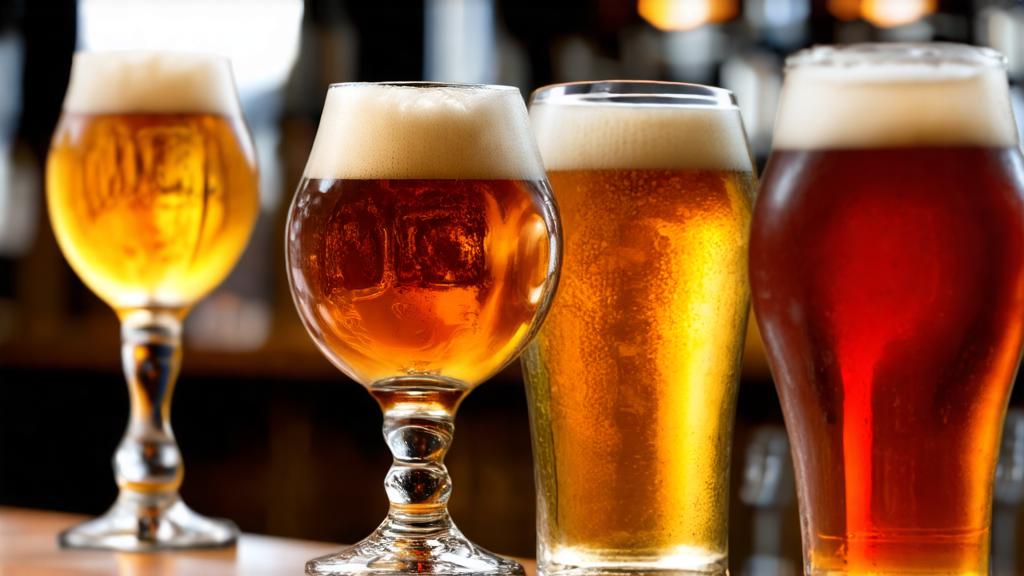
Start simple. Find or build a board. Grab five glasses. Pick five beers from your homebrew stash—or buy commercial examples if you’re just starting. Pale ale, IPA, stout, lager, sour. The classics work for reason.
Pour 4 oz (120 ml) into each. Sit down. Really taste. Notice what you didn’t before. Write down one observation per beer. That’s your baseline.
Next time, try a different theme. All IPA variants. All low-ABV brews. All with a single grain. Constraints breed creativity.
Within a few weeks, you’ll find yourself thinking about beer differently. Flights change how you brew. They change how you appreciate what others brew. And they turn solitary enjoyment into something you want to share.
In a world of bigger, bolder, louder—beer flights remind us that sometimes the best moments are the quiet ones. Five glasses. Intentional pours. Genuine attention. That’s the 2026 trend worth following.
🍺 Join the Brotherhood — Monthly brews, stories & monk wisdom
Subscribe for exclusive recipes, early brew logs, and behind-the-scenes updates straight to your inbox.