Cream ale sits in that sweet spot where American brewing ingenuity meets classical ale tradition. It’s mild, approachable, yet frustratingly misunderstood by craft drinkers obsessed with IPAs and stouts. But here’s the truth: cream ale represents something essential—the idea that great beer doesn’t need to assault your palate to be memorable.
In 2026, there’s been a quiet renaissance. Brewers are rediscovering session beers, and cream ale—sitting at 4-5% ABV—offers the perfect canvas. Not a gimmick. A masterclass in restraint.
Why Cream Ale Matters Right Now
Cream ale originated in 19th-century America as a hybrid. Brewers wanted the crispness of lager fermentation but needed ale yeasts that could work without refrigeration. The result? A beer that’s technically an ale, fermented warm, but brewed with lager techniques and often finished cold-conditioned for that silky, clean character.
What’s changed in 2026? People are tired. Tired of extreme flavours, tired of measuring beer’s worth by bitterness units (IBUs), tired of Instagram-worthy sours that strip your mouth clean. Cream ale says: “Have a nice time.”
The trend data backs this up. Brewer’s Friend reported cream ale in the trending styles for June 2026—sitting right alongside saisons and pilsners. This isn’t nostalgia; it’s necessity. As hybrid fermentation techniques gain popularity, cream ale becomes the perfect training ground.
The Grain Bill: Less Is More
Here’s where I’ll be honest: I overthought my first cream ale batch. I added honey malt, Munich, a touch of flaked oats. The result? A muddy, confused beer that didn’t know what it was.
Second batch was different. I listened to the style guide—pale malt, light crystal, flaked maize, and done.
Classic Cream Ale Grain Bill (for a 20-litre / 5-gallon batch):
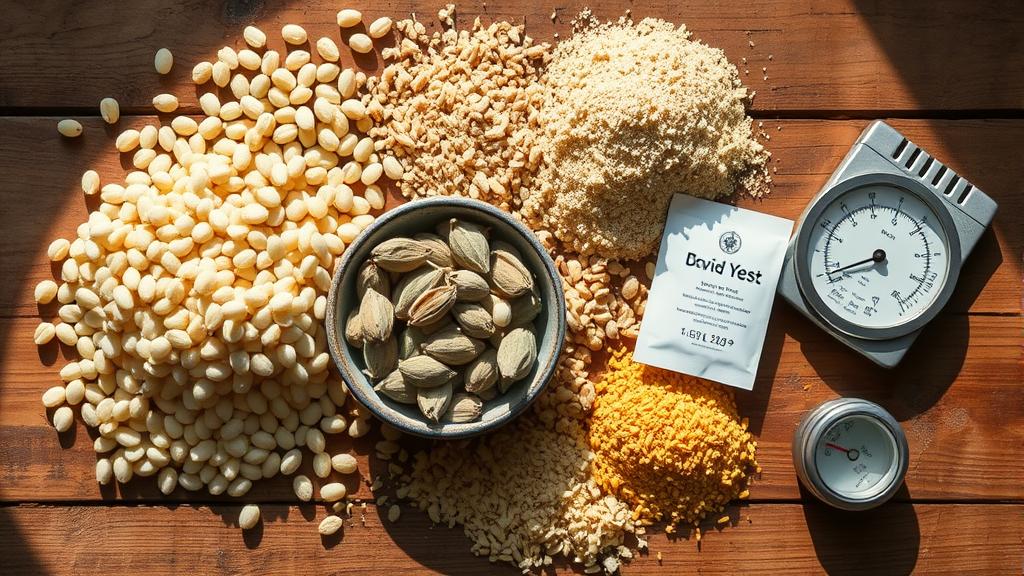
- 2.5 kg (5.5 lbs) 2-row pale malt (base)
- 500 g (1.1 lbs) light crystal malt (10–15 EBC), adds subtle sweetness
- 500 g (1.1 lbs) flaked maize (adjunct corn), reduces body, adds smoothness
- Optional: 100 g (0.22 lbs) dextrose (corn sugar), boil addition, increases fermentability
Why corn? Because it’s part of the tradition—American lager brewers used it to stretch grain supplies and create that dry, crisp finish. For homebrewing, flaked maize is your friend (skip the corn syrup; it’s cheaper but less authentic).
The mash temperature matters. Aim for 65°C (149°F) if you’re doing single-infusion—this produces a drier beer. Hit it, hold for 60 minutes, then sparge at 76°C (170°F). OG should land around 1.042–1.050.
Hops & Bittering: Subtle Is the Point
For bittering, use noble hops: Hallertau, Tettnang, Saaz, or traditional American varieties like Cluster. Aim for 15–25 IBUs—enough to balance the grain sweetness, not enough to announce itself.
Hop Schedule (60-minute boil):
- 12 g (0.4 oz) Hallertau @ 60 min (bittering)
- 7 g (0.25 oz) Tettnang @ 5 min (flavour, optional)
That’s it. No late-boil additions, no whirlpool. Cream ale works because it’s clean. The flavour comes from the yeast and fermentation profile, not hop showcase.
The Brew Day: Temperature Control Is Critical
This is where cream ale separates the casual brewer from the intentional one. You’re fermenting warm (18–21°C / 64–70°F) with an ale yeast, then cold-conditioning to get that lager-like crispness.
Traditional cream ale uses ale yeast—but specific strains:
- Wyeast 1056 (American Ale) – Neutral, clean, creates that smooth character
- WLP001 (California Ale) – Similar profile, slightly fruity
- SafAle US-05 – Dry strain, excellent flocculation, very clean finish
My preference? US-05. It’s predictable, forgiving, and produces exactly what cream ale needs: a clean, dry finish without esters.
Fermentation Profile:
- Pitch at 18°C (64°F)
- Let it free-rise to 20°C (68°F) over 24 hours
- Hold at 20°C for 7–10 days
- Once FG is stable, drop temperature to 4°C (39°F) over 48 hours (cold-condition for 1–2 weeks)
- This simulates lager conditioning without a true lager yeast
The cold-conditioning step is non-negotiable. It sharpens the finish and precipitates proteins and tannins, giving you that silky mouthfeel cream ale is famous for.
Fermentation & Conditioning
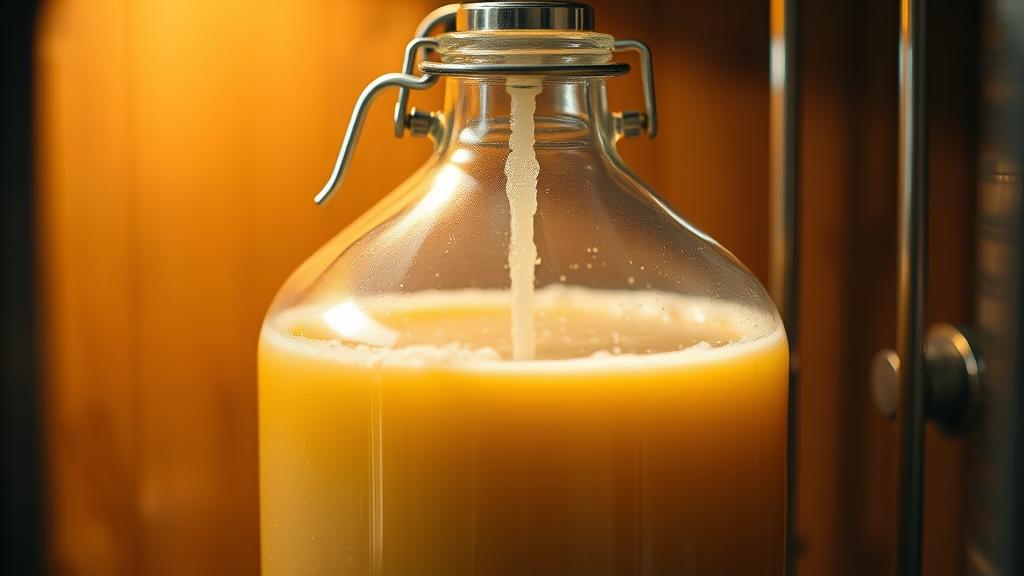
Cream ale’s magic happens in the middle—that transition from warm ale fermentation to cold-conditioning.
You’ll notice something interesting around day 5–6: the yeast slows, the beer clears naturally. This is the beauty of ale yeasts that can tolerate higher mash temperatures. By day 10, you should be hitting FG (around 1.008–1.012, depending on your efficiency).
Here’s what I learned the hard way: don’t rush this. Some brewers try to cold-condition after 3 days. You’ll create diacetyl (butterscotch flavours). Wait until gravity is truly stable, then cool.
Once you’re at terminal gravity AND you’ve cold-conditioned, you have options:
- Bottle condition (my preference): Use 4–5 g/L priming sugar. Add a lager yeast or use your ale yeast (though it’ll be dormant). Condition for 2–3 weeks at 18°C, then chill to serve.
- Keg directly: Force carbonate at 2.5 volumes CO₂ (standard for cream ale)
Tasting Notes & My Honest Assessment
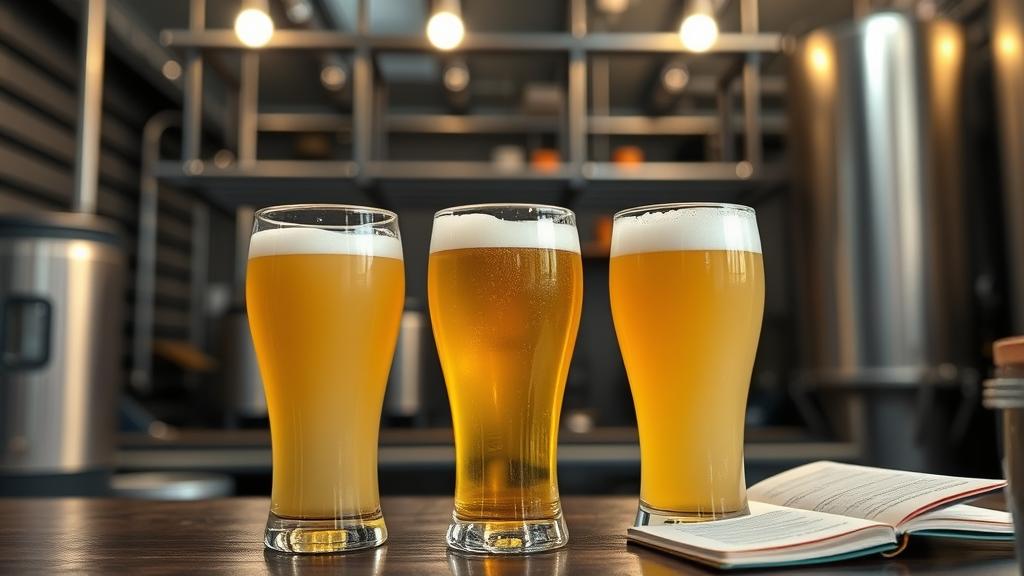
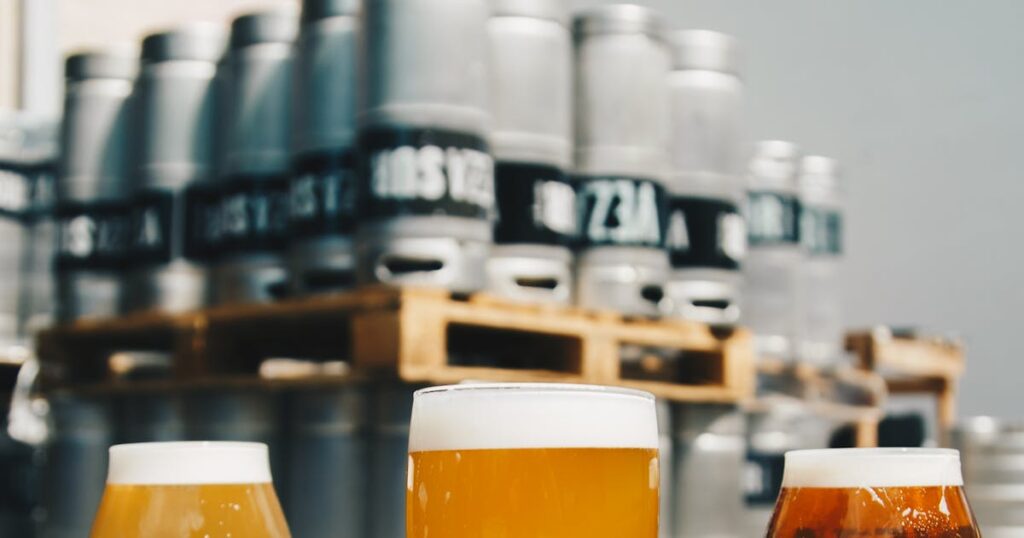
My second-attempt cream ale poured brilliant gold with a thick, creamy head that lasted. No lacing, but that dense foam—that’s from the corn adjunct and proper head-retention compounds in the malt.
Nose: Subtle. Lightly sweet, faint grain notes, no hop aroma. This is intentional. Cream ale isn’t about complexity; it’s about purity.
Taste: Here’s the revelation. The simplicity allowed subtlety to emerge. I got soft grain sweetness, a clean, dry finish, and that creamy mouthfeel that justifies the name. It wasn’t boring—it was restrained. There’s a difference.
Mouthfeel: Medium-light body (the corn does its job), smooth carbonation at 2.5 volumes. Crisp but not harsh.
Overall: 8.5/10. This was a beer I wanted to drink again. Not because it was flashy, but because it was right.
Pro Tips & Common Mistakes
Before your brew day, here are the lessons I’ve learned—and mistakes I’ve made:
- Don’t overhop. Cream ale breaks if you try to make it a bitter beer. Even 25 IBUs is aggressive. Respect the style.
- Water chemistry matters more than you think. Cream ale is best brewed with soft water (low sulfates, low chlorides). If your tap water is hard, cut it 50/50 with distilled water.
- Mash temperature is everything. Too high (67°C), and you’ll get a sticky, sweet mess. Too low (63°C), and it’ll dry out and thin. Aim for 65°C and hold it.
- Cold-condition fully. I’ve seen brewers skip this, thinking it’s optional. It’s not. The cold-conditioning step is what makes it cream ale, not just pale ale.
- Carbonate correctly. Under-carb (2.0 volumes) and it’ll feel flat and fat. Over-carb (3.0+) and it’ll feel harsh. 2.5 volumes is the sweet spot.
- Serve at 10–12°C (50–54°F). Too warm, and it tastes sickly sweet. Too cold, and you mute the subtle grain character. Lager temperature is the key.
Variations & Next-Level Experiments
Once you’ve nailed the base recipe, cream ale becomes a playground for subtle experimentation.
Blonde Cream Ale: Add 200 g Vienna malt, reduce pale malt slightly. More body, slightly more colour. Still dry, still clean.
Fruity Cream Ale: Pitched with Wyeast 1056 and fermented warm, this strain shows light apple/pear esters. Embrace it—don’t fight it. Some brewers add light fruit (peach, subtle apricot) to play with this.
Lager-Hybrid Cream Ale: Use WLP830 (German Lager) or Saflager W-34/70 at ale temperatures (18–20°C). This creates a true hybrid—ale yeast characteristics with lager yeast precision. Experimental, but rewarding.
Smoked Cream Ale: A curiosity—using 10% smoked malt (Weyermann Beechwood or Bamberg) over a traditional base. Smoky but soft. Niche, but interesting.
The key to all variations: don’t lose the simplicity. Cream ale is about restraint. Add one element, dial it in, then move on.
Why This Matters for Your Brewing Journey
Homebrewing is often about ambition—chasing the next big flavour, the next style you haven’t tackled. But cream ale teaches a lesson that sustainable and intentional brewing practices reinforce: restraint is a skill.
It’s easier to make an extreme beer (10% imperial stout, 80 IBU IPA) than a perfect, simple one. Cream ale demands technique, patience, and humility.
If you can brew a cream ale that people want a second glass of—not because it’s trendy, but because it’s correct—you’ve learned something essential about beer, about balance, and about yourself as a brewer.
Try it. Brew one batch with intention. Cold-condition it properly. Serve it at the right temperature. Then taste it. I think you’ll understand why this quiet American classic deserves your respect.
🍺 Join the Brotherhood — Monthly brews, stories & monk wisdom
Subscribe for exclusive recipes, early brew logs, and behind-the-scenes updates straight to your inbox.