Why Rauchbier Deserves Your Next Batch: Mastering Smoked Beer at Home
If you’ve been scrolling through craft beer releases lately, you’ll notice something smoky catching up with the trends. Rauchbier — German for “smoked beer” — is experiencing a genuine revival, and it’s not just nostalgia. American homebrewers and commercial breweries are discovering that this ancient Bavarian style offers something genuinely unique: profound depth, unexpected versatility, and a brewing challenge that actually teaches you something new.
The beauty of Rauchbier is that it sits at the intersection of history, technique, and flavour complexity. Unlike trending styles that feel disposable, smoked beer builds character and improves with age. This guide shows you exactly how to brew it properly.
The Rauchbier Story: From Accident to Tradition
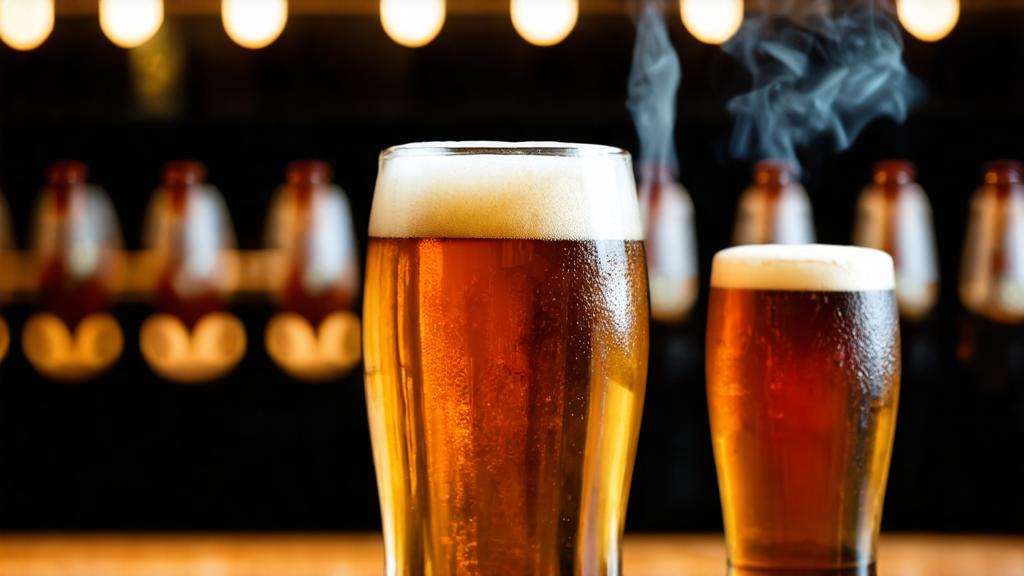
Rauchbier wasn’t invented — it was born from necessity. In medieval Bamberg, they didn’t have indirect heating. Malts were dried directly over open flames, primarily using beechwood, which imparted a distinctive smoky character. What could have been a flaw became the defining signature of an entire region.
Today, Bamberg’s breweries like the legendary Schlenkerla still use smoked malt produced with the same method. The style nearly disappeared during the 20th century when modern malting techniques took over, but CAMRA and craft brewers worldwide have championed its revival. German lager tradition shows us that precision in base malts matters, and with Rauchbier, your malt choice becomes everything.
Sourcing and Understanding Smoked Malt
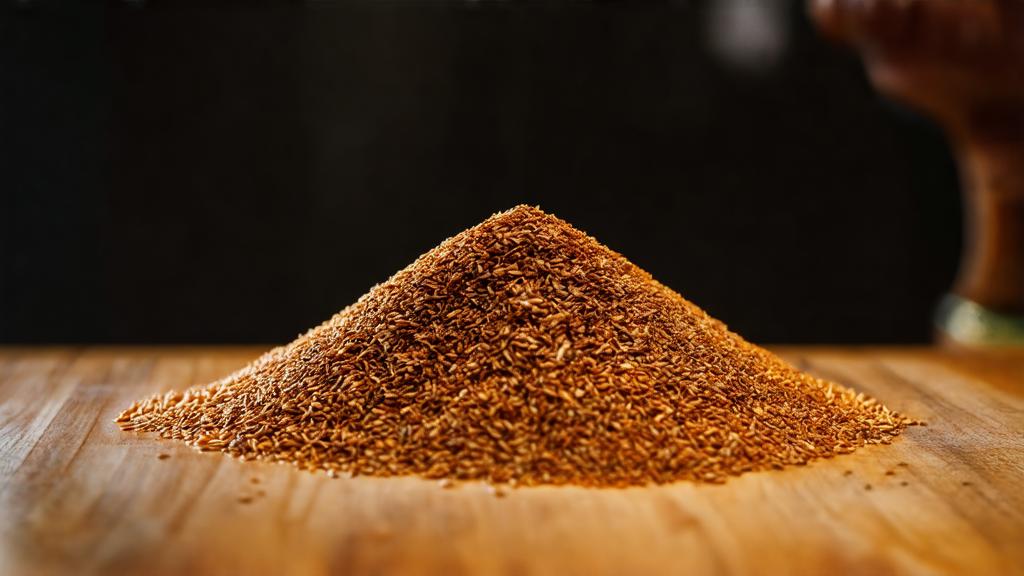
The secret to authentic Rauchbier is smoked malt — typically Pilsner malt dried over beechwood. You have three options:
- Weyermann Smoked Malt — The standard. Produces that subtle bacon, campfire, leather character. Use 50–100% of your grist.
- Bamberger Rauch Malt — More intense. Closer to historical versions. Use 40–70% if you want boldness.
- DIY Smoking — Advanced brewers smoke their own Pilsner malt. It’s rewarding but requires careful temperature control (not above 80°C) and consistent smoke source.
A classic Rauchbier uses smoked malt as the base with supporting Munich and Pale Ale malts to add body and sweetness. Understanding water chemistry becomes crucial here — Bamberg’s slightly alkaline water suits smoked beers beautifully, but neutral to slightly soft water works well too. Avoid heavily sulphate-forward profiles; the smoke doesn’t need competition.
The Brewing Process: Patience and Restraint
Rauchbier brewing is straightforward — it’s a base Märzen or Dunkel lager with smoked malt. Here’s where it differs from what you might know:
- Mash — Use a single infusion or step mash at 66–68°C. The smoke is already doing work; don’t complicate extraction.
- Hops — Be restrained. Smoked beer doesn’t need aggressive bittering. 20–30 IBUs is plenty. Use noble hops (Hallertau, Tettnang) for noble character without fighting the malt.
- Yeast — Lager yeast is essential. Weihenstephan (WLP820) or Wyeast 2124 works beautifully. Ferment cool and patient — smoked beer rewards long conditioning.
- Conditioning — Here’s the magic: let it age. 2–4 weeks in the bottle or keg is minimum; 2–3 months is where it really opens up. The smoke rounds, the beer gains complexity, rough edges smooth.
Flavour Integration and the Smoke Journey
The best Rauchbier isn’t the one that punches you with smoke — it’s the one where smoke and malt dance together. Fresh Rauchbier tastes like campfire and bacon. After a month, you’ll find notes of bread crust, leather, and subtle caramel. After three months, the smoke isn’t gone; it’s integrated, almost invisible as a support structure for deeper malt character.
This is where barrel ageing offers an advanced path — a small batch of Rauchbier aged in oak develops remarkable depth, with the smoke marrying beautifully with vanilla and oak notes. It’s not traditional, but it’s compelling.
Common Mistakes (and How to Avoid Them)
- Using too much smoked malt. Tempting, but 40–60% is usually the sweet spot. Overdo it and you’ve brewed an ashtray.
- Aggressive hopping. Your hops will clash with the smoke. Treat it like a Märzen in bitterness.
- Skipping the conditioning. Fresh Rauchbier is fun. Conditioned Rauchbier is magic. Don’t rush it.
- Choosing the wrong base yeast. Ale yeast will muddy the smoke. Stick to lager.
Why Rauchbier Now?
In a market saturated with citrus-forward IPAs and experimental adjunct stouts, Rauchbier offers something rare: authenticity and restraint. It’s a beer that respects tradition while rewarding technical brewing. You’ll learn malt selection, patience, the value of subtlety, and why Bavarian brewers have been doing something right for five centuries.
The style is trending again because people are tired of being surprised. Rauchbier surprises you once, then earns your respect forever.
Ready to brew? Source your smoked malt, pick a proven recipe (start with a 50/50 split of smoked and Munich), and give yourself three months from grain to glass. You’ll understand why Bamberg kept this tradition alive.