The Data-Driven Homebrewer: How Analytics Are Transforming Beer Quality in 2026
For decades, homebrewing has been equal parts art and science—a delicate balance between intuition and technique. But as we move deeper into 2026, a quiet revolution is unfolding in garages, sheds, and basements across the country. Armed with smartphones, IoT sensors, and cloud-based analytics, a new generation of homebrewers is embracing data-driven precision to brew better beer than ever before.
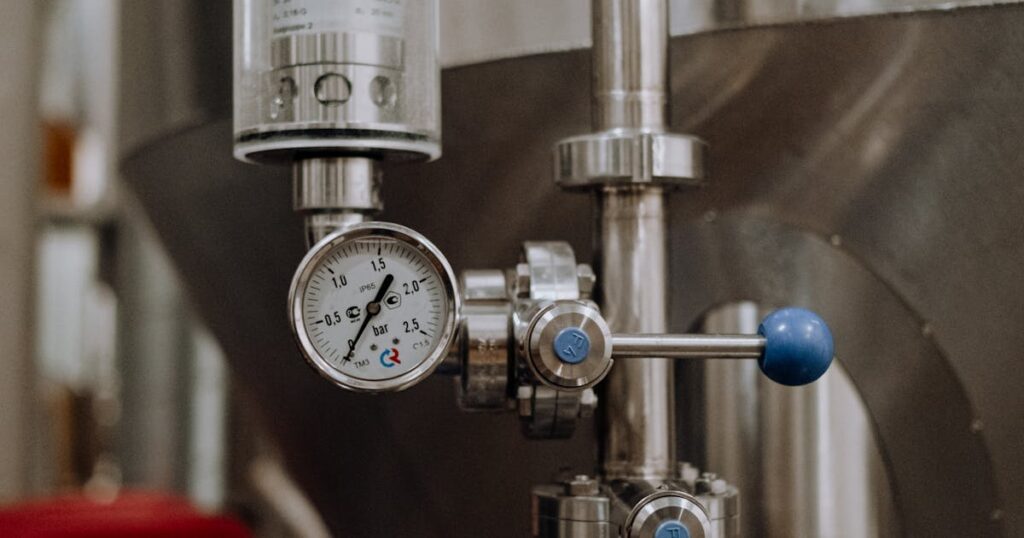
Gone are the days when fermentation was a black box process, monitored only by occasional gravity readings and hopeful sniff tests. Today’s homebrewers can track pH, dissolved oxygen, specific gravity, temperature, and pressure in real-time—transforming what was once guesswork into a precise, repeatable science.
Why Data Matters in Homebrewing
Every batch of beer tells a story through data. Temperature fluctuations during fermentation can produce unwanted esters. Oxygen exposure at packaging can lead to premature staling. Inconsistent mash temperatures can yield unpredictable fermentability. For commercial breweries, these variables have long been controlled through sophisticated monitoring systems. Now, that same level of precision is becoming accessible to homebrewers.
“The difference between a good beer and a great beer often comes down to consistency,” explains Martin Jones, a homebrewer from Bristol who has been using data logging for three years. “With my fermentation monitoring setup, I can replicate my best batches exactly. I know precisely when to dry hop for optimal aroma, when fermentation is complete, and when my beer is ready to package.”
The Tools of the Trade
Several affordable systems have emerged to bring commercial-grade monitoring to the home scale:
- Smart Hydrometers: Devices like the Tilt and iSpindel float in your fermenter, transmitting real-time specific gravity and temperature data to your smartphone via Bluetooth.
- Fermentation Controllers: Systems like the Inkbird and BrewPi maintain precise temperature control, crucial for clean fermentations and specific yeast character expression.
- pH Meters: Digital pH meters allow brewers to monitor mash and sparge water acidity, ensuring optimal enzyme activity and flavour extraction.
- Cloud Platforms: Services like Brewfather and Brewer’s Friend integrate data from multiple sources, providing comprehensive analytics and recipe management.
What makes 2026 particularly exciting is how these tools are becoming more integrated. Rather than isolated devices, we’re seeing ecosystems where temperature controllers communicate with hydrometers, which feed data to recipe software, creating a complete picture of the brewing process.
Beyond Basic Measurements: The Next Frontier
While temperature and gravity monitoring have become commonplace, the frontier of homebrewing analytics is expanding rapidly:
- Dissolved Oxygen Tracking: Once the domain of commercial breweries, affordable dissolved oxygen meters now help homebrewers minimize oxidation at packaging—the single biggest factor in beer shelf life.
- Yeast Health Analytics: Simple microscopes paired with smartphone cameras allow brewers to assess yeast viability and vitality before pitching.
- Water Chemistry Modelling: Apps that calculate mineral additions based on source water profiles help brewers replicate classic beer styles with geographic authenticity.
The Human Element in a Data-Driven World
Despite the technological advances, experienced brewers caution against becoming slaves to the data. “Numbers tell you what’s happening, but they don’t tell you why or what to do about it,” says Sarah Chen, a competition judge and advanced homebrewer. “The best brewers I know use data to inform their decisions, not replace their judgment.”
This balance between art and science is where the magic happens. Data might tell you that fermentation is slowing, but experience tells you whether to rouse the yeast, raise the temperature, or simply wait. Analytics can predict final gravity, but only the brewer’s palate can determine if the beer has achieved the right balance of flavours.
Getting Started with Data-Driven Brewing
If you’re ready to bring more precision to your homebrewing, here’s a practical approach:
- Start Simple: Begin with a basic fermentation temperature controller. Consistent temperature control alone will improve your beer more than any other single investment.
- Add Gravity Monitoring: A floating hydrometer like the Tilt provides invaluable insight into fermentation progress without opening your fermenter.
- Log Everything: Use a brewing journal or app to record every variable—ingredient lots, mash temperatures, fermentation curves, and tasting notes.
- Review and Adjust: After each batch, compare your data to your sensory evaluation. Look for patterns that explain why some batches succeed while others fall short.
The Future of Precision Homebrewing
As we look beyond 2026, several trends suggest data-driven homebrewing will only become more sophisticated:
- AI Recipe Development: Machine learning algorithms that analyze thousands of successful recipes to suggest optimizations for your specific setup.
- Predictive Quality Scoring: Systems that estimate final beer quality based on process data, alerting brewers to potential issues early.
- Virtual Tasting Panels: Remote sensory analysis where brewers share samples and data with experts worldwide for personalized feedback.
The democratization of brewing analytics represents more than just technological progress—it’s a fundamental shift in how we approach the craft. By making precision accessible, we’re not removing the artistry from homebrewing; we’re providing better tools for artists to express their vision.
As homebrewers, we’ve always been part scientist, part artist, and part alchemist. In 2026, we’re becoming data analysts too. And the beer has never been better.
Ready to dive deeper into precision brewing? Check out our guide to mastering sensory analysis or explore how AI and IoT are transforming homebrewing. For equipment recommendations and setup guides, visit our shop page or join the discussion in The Taproom forum.
External Resources: For more on brewing science, check out the HomeBrewTalk forums, the BJCP style guidelines, CAMRA’s resources on traditional brewing methods, SIBA’s industry insights, and The Malt Miller’s brewing supplies.