Helles Mastery: Brew Germany’s Golden Summer Lager at Home
June 2026 marks a quiet revolution in the UK brewing world. Whilst craft beer culture spent the last decade chasing hops and innovation, something unexpected happened: brewers and drinkers started remembering why they fell in love with beer in the first place. Crisp. Clean. Refreshing. No fuss.
That’s the Helles moment we’re in. And if you’ve been thinking about adding a true German-style lager to your homebrew repertoire, now is genuinely the right time.
Why Helles Matters in 2026 — The Beer-Flavored Beer Comeback
For years, the beer industry chased complexity: imperial stouts, triple IPAs, sour fruited wild ales. But this year, something shifted. The industry research is clear — consumers are gravitating back toward what’s sometimes called “beer-flavored beer.” Crisp, clean, high-drinkability styles that don’t require a tasting note spreadsheet to understand.
Just last week, Erdinger launched their Brauhaus Helles across UK Sainsbury’s stores, marking the latest major brewery to tap into this wave. The Helles style — a pale lager tradition that stretches back centuries in Bavaria — is experiencing a genuine renaissance. And here’s the beautiful part: it’s one of the most satisfying beers to brew at home.
Helles isn’t trendy because it’s complicated or rare. It’s trendy because it’s honest. Every ingredient choice matters when you’re working with a simple grain bill and minimal bittering. There’s nowhere to hide, which is precisely why mastering Helles separates the casual brewer from someone who genuinely understands their craft.
Unlike the approach many take with hybrid fermentation techniques or complex lager blending, Helles demands respect for the fundamentals: precision temperature control, clean yeast, quality pale malt. Master Helles, and you’ll understand lager brewing in its purest form.
Understanding Helles: Style, History & Flavour Profile
Helles — German for “light” or “pale” — emerged in Munich in the 19th century as brewers gained access to pale malt and modern refrigeration. The style sits somewhere between pilsner and lager: more malt-forward than a traditional Czech pilsner, but with the same clean, crisp finish.
BJCP guidelines place Helles between 4.7-5.4% ABV, with 20-35 IBUs (international bitterness units). The colour is distinctly pale gold, never quite the yellow of a pilsner, but warmer and more inviting. The aroma is subtly malty with noble hop character. The flavour profile should feature:
- Soft malt sweetness — from premium pale malt, nothing heavy
- Bread and biscuit notes — the backbone of the style
- Restrained noble hop bitterness — just enough to balance
- Clean, crisp finish — dry and refreshing
- High carbonation — tight, persistent head
Ingredients & Equipment — Building Your Helles Recipe
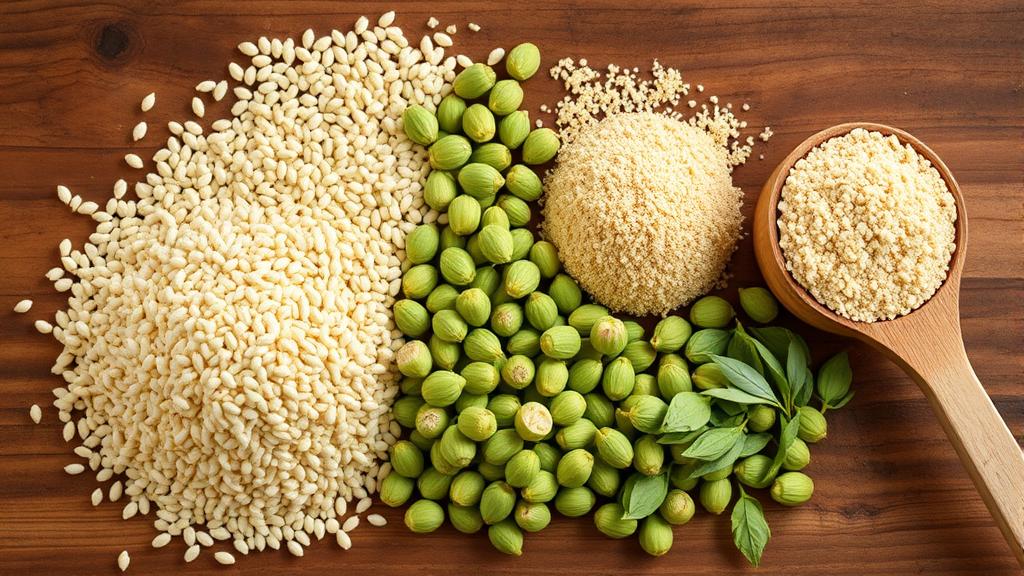
The magic of Helles lies in ingredient quality and precision. There’s no room for corner-cutting when your grain bill is this straightforward.
Grain Bill (for 20-litre/5.25 US gallon batch):
- 4.5 kg (10 lbs) Munich Pale Malt (base, ~60%)
- 2.0 kg (4.4 lbs) Pilsner Malt (crisp foundation, ~28%)
- 0.5 kg (1.1 lbs) Melanoidin Malt (colour depth, ~8%)
- 0.2 kg (0.44 lbs) CaraPils (head retention, ~3%)
Hops:
- 25g Hallertau (60 min) — noble, delicate, classic
- 15g Hallertau (flameout) — late addition, aroma
- 10g Tettnang (dry hop, 2 days) — optional but recommended for extra elegance
Yeast: This is critical. You need a reliable lager strain. I recommend:
- Wyeast 2206 (Bavarian Lager) — versatile, forgiving
- SafLager W-34/70 — dry yeast option, excellent results
- Brewing Science Bavarian Lager — clean profile
All of these are available from The Malt Miller, your best UK source for proper lager yeasts and European malts.
Equipment needs: A large brew kettle (30 litres / 8 gallons minimum), fermenter, temperature control (fridge or freezer with controller), hydrometer, thermometer strips, and a reliable way to maintain lager fermentation temperatures. Temperature control is non-negotiable for Helles.
Step-by-Step Brew Day
Helles is as much about discipline as flavour. Here’s how to nail it:
1. Mash (65°C / 149°F, 60 minutes)
Strike your grains at 65–66°C. This lower temperature extracts malt sweetness without pulling excessive tannins. Maintain the temperature steadily. A false bottom or manifold helps; even heat distribution matters.
2. Sparge & Run-off (76°C / 169°F)
Use water at 76°C to gently rinse the grain bed. Collect approximately 25 litres (6.6 US gallons) of wort at your target efficiency (aim for 72% if you’re all-grain, or brew by gravity if extract). The clarity of your run-off indicates a good mash — slight cloudiness is fine, but excessive sediment suggests a stuck mash.
3. Boil (90 minutes)
Bring the kettle to a rolling boil and hold for 90 minutes (longer than typical ales, to further reduce DMS — dimethyl sulphide — which can give cooked corn notes if left unchecked). Add Hallertau at 60 minutes for bittering, and again at flameout for aroma. Aim for 1.045–1.055 original gravity (OG).
4. Cool & Pitch (20°C / 68°F)
After the boil, rapidly cool your wort using an immersion or plate chiller to 20°C. Pitched yeast will thank you. Take a hydrometer reading and pitch a healthy starter or yeast cake (lager yeast needs adequate cell count — never skimp here). Aerate well with pure oxygen if possible.

Fermentation & Temperature Control — The Heart of Helles
This is where most homebrewing Helles goes wrong. Lager fermentation is a marathon, not a sprint.
Primary Fermentation (14–18 days at 12–14°C / 53–57°F):
This is your fermentation “sweet spot” for Bavarian lager yeast. Too warm (above 16°C), and you’ll develop fruity esters that muddy the clean profile. Too cold (below 11°C), and fermentation stalls. Invest in a temperature controller — it’s the single best upgrade a lager brewer can make. Set your fridge or freezer to hold a steady 12°C throughout primary fermentation. You’ll see active krausen (foam head) for the first 5–7 days, then gradual settling.
Diacetyl Rest (2–3 days at 17°C / 63°F):
Once gravity drops to within 5–10 points of final gravity, allow the temperature to rise gently to 17°C. This “diacetyl rest” gives yeast time to clean up any buttery compounds (diacetyl) that might have formed. It’s a subtle but important step that separates lackluster from clean.
Cold Conditioning (2–4 weeks at 4°C / 39°F):
After primary fermentation completes, drop the temperature again to 4°C and let the beer “lager” — rest cold — for at least two weeks. This is when flavour integration happens. Yeast will slowly drop out, clarifying the beer, and rough edges smooth into the seamless, crisp profile Helles is known for. Patience is essential here.
Many brewers cut this short and wonder why their Helles tastes thin or harsh. The cold conditioning phase is when magic happens.
Tasting Notes & My Honest Review
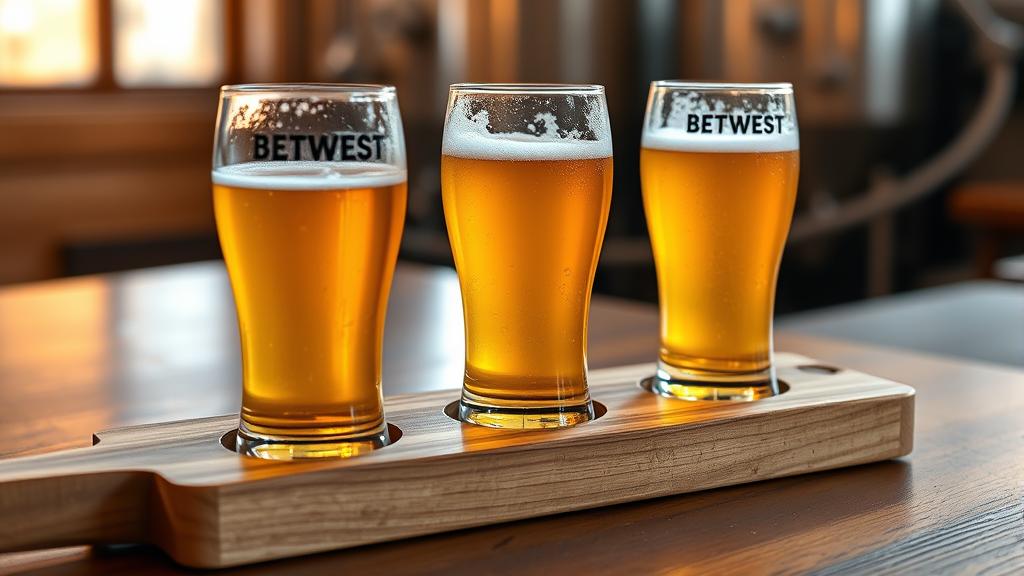
I’ve brewed this recipe three times now, tweaking each batch slightly. Here’s what I’ve learned:
Batch 1: Textbook Helles
Pale golden, tight white head, crisp. The aroma is subtly malty with faint bread notes. The flavour is where it shines: soft Munich malt sweetness, grainy middle, balanced bitterness, clean finish. Carbonation is lively but not aggressive. It’s immediately refreshing — the kind of beer that disappears on a summer afternoon. ABV: 5.0%. This is what Helles should be.
Batch 2: Melanoidin Push (+0.2kg extra)
A slightly deeper gold colour, more pronounced bread and biscuit character. The body feels marginally rounder. It’s still clean and crisp, but with more presence. Some might prefer this; others might argue it steps away from “true” Helles into Märzen territory. I found it interesting but settled back on the original for authenticity.
Batch 3: Extended Lager Time (5 weeks cold conditioning)
The difference was subtle but real. Even crisper, more polished, with exceptional clarity. If you have the space and patience, the extra cold conditioning time is worth it. It’s not always obvious, but it’s there — a refinement that separates patient brewing from rushed.
The honest takeaway: Helles rewards precision and patience in equal measure. It’s not forgiving of temperature swings, poor yeast health, or short-cutting the cold conditioning phase. But when you nail it, you’ll have a beer that’s genuinely better than most commercial equivalents.
Variations & Advanced Techniques
Once you’ve nailed the classic recipe, here are variations worth exploring:
Czech-Influenced Helles:
Reduce Munich malt slightly, push Pilsner malt to 50%, and add a touch (100g per 20L) of Vienna malt for complexity. This creates a bridge between Helles and Pilsner — crisper than traditional Helles, with a hint more hop character.
Sulfite-Reduced Helles:
Some brewers experiment with water chemistry to reduce harsh sulphurous notes. If your tap water is high in sulphates, consider reverse osmosis or distilled water blending. This is a nuance most brewers skip, but Brewer’s Friend’s water calculator can help you dial it in.
Hybrid Fermentation Helles:
Curious about blending ale and lager fermentation techniques? A small percentage of ale yeast (5–10%) pitched alongside lager yeast can introduce subtle fruity notes without compromising the clean foundation. Experiment with this only once you’ve mastered the baseline.
Sustainability Angle:
Interested in sourcing local, regenerative ingredients? Consider using UK-grown pale malt varieties where possible — many UK maltsters are now producing excellent Helles-suitable malts. This doesn’t change the flavour profile if done correctly, but it does anchor your beer to place and season.
Common Mistakes & How to Avoid Them
Over my years of lager brewing, these are the Helles-killers I’ve watched happen repeatedly:
1. Temperature Swings
A fermentation that drifts between 10°C and 16°C will taste like multiple beers stitched together. Invest in a controller. Full stop.
2. Skipping the Starter
Lager yeast needs cell count. A weak pitch results in slow fermentation and off-flavours. Always make a starter 24–48 hours before brew day.
3. Insufficient Cold Conditioning
Two weeks minimum. Four weeks is better. Rushing this creates thin, rough beers.
4. Using Old Yeast
If your yeast cake is more than a few generations old, start fresh. Lager strains accumulate mutations over time.
5. Poor Sanitation
Lagers ferment cool and slow — an ideal environment for wild yeast or bacteria to establish themselves. Sanitise every contact point meticulously.
Where to Learn & Community
If you want to deepen your lager knowledge, HomeBrewTalk’s lager forum is indispensable. Browse the recipe database, ask questions, learn from others’ successes and failures. CAMRA’s tasting notes and style guides are also valuable if you want to understand what the UK brewing establishment looks for in traditional styles.
Conclusion: Helles as Philosophy
Helles isn’t just a beer style — it’s a brewing philosophy. It says: “I believe in clean ingredients, precise process, and patience. I believe that simplicity done well beats complexity done sloppily.”
In 2026, as we’re collectively rediscovering what “beer-flavored beer” means, Helles offers something rare: a style that’s simultaneously traditional and timely, accessible yet demanding mastery. It’s summer in a glass — crisp, refreshing, honest.
Brew one batch. Get the temperature control right. Give it the cold conditioning time. Taste what emerges in week six. You’ll understand why brewers have been chasing this style for nearly two centuries, and why it’s having such a moment right now.
Your next pint of Helles won’t be from a supermarket shelf. It’ll be from your garage, your knowledge, your hands. That’s worth the wait.
🍺 Join the Brotherhood — Monthly brews, stories & monk wisdom
Subscribe for exclusive recipes, early brew logs, and behind-the-scenes updates straight to your inbox.