Rauchbier — the smoky, enigmatic German lager that once occupied the furthest corner of the beer world — is having a moment. After decades as a cult classic, smoked beer has finally escaped its niche. In 2026, I’ve watched rauchbier pop up on tap lists across the UK, in homebrew clubs, and in the questions I get asked most at gatherings. The trend is real, and it’s inviting.
For years, I dismissed smoked beer. Too aggressive. Too weird. Too much like a barbecue ashtray. Then I tasted Schlenkerla Urbock, and something clicked. The smoke wasn’t a gimmick — it was intentional architecture. That revelation sent me straight into my brewery to brew my first rauchbier, and I’ve been chasing the balance ever since.
Why Rauchbier Matters in 2026
Smoked beer represents something contemporary homebrewers crave: authenticity with a twist. It’s rooted in Bamberg, Germany — where monks dried malt over open flames for centuries — yet it fits perfectly into the modern craft revival. Homebrewers aren’t just chasing hops and fruit anymore. We’re exploring flavour complexity through time-honoured methods, and rauchbier is the gateway.
The renaissance makes sense: smoked beer demands skill, patience, and restraint. It’s the opposite of “louder is better.” In 2026, that philosophy resonates. We’re cooking with intention, sourcing ingredients mindfully, and brewing with respect for tradition. Rauchbier embodies all three.
Understanding Rauchbier: History, Tradition & the Bamberg Connection
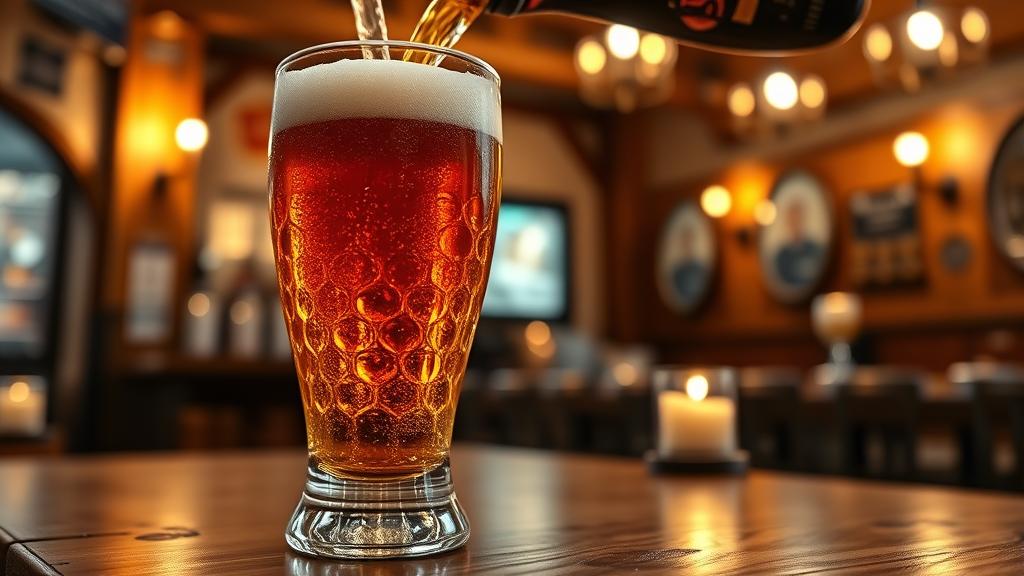
Before we brew, we honour the source. Rauchbier isn’t an invention — it’s a survival mechanism. In medieval Bamberg, brewers dried malt over beechwood fires because they had no choice. The smoke happened. Then they discovered smoke created flavour, and a style was born.
Today, two breweries in Bamberg — Schlenkerla and Spezial — continue that tradition unbroken. Schlenkerla alone has been brewing smoked beer since 1405. When you drink their beer, you’re tasting continuity: monks to modern day, the same beechwood smoke, the same devotion to balance.
The BJCP (Beer Judge Certification Programme) classifies rauchbier as a Smoked Beer sub-category, typically based on a Märzen or Oktoberfest foundation with smoked malt comprising 20–60% of the grist. This isn’t a pale ale hopped to oblivion. Rauchbier is restrained, malty, and deeply savoury.
Ingredients & Equipment: Building Your Smoked Beer Arsenal
You don’t need specialist kit. You need the right malt. Everything else is standard.
The Star: Rauchmalz (Smoked Malt)
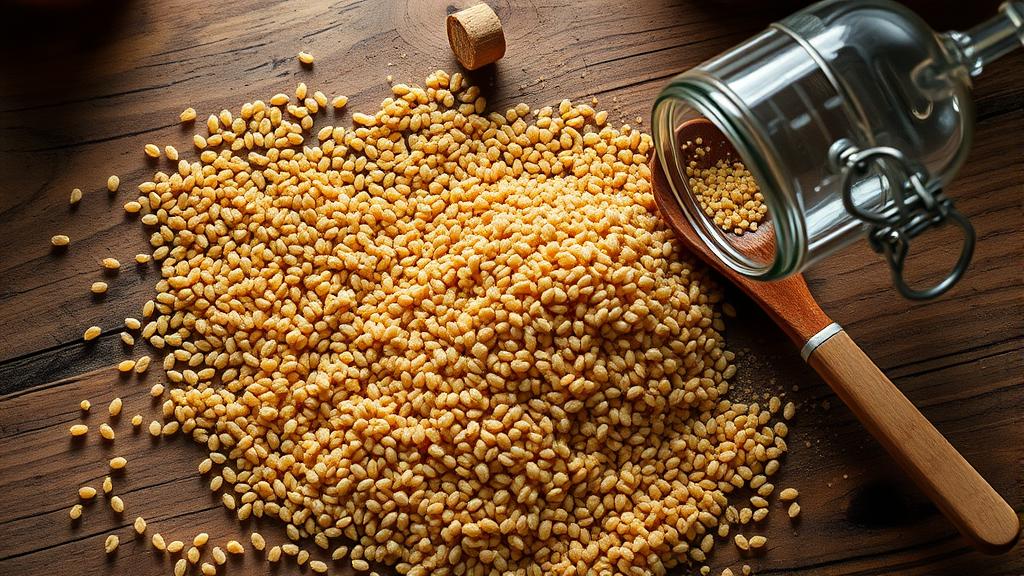
This is where magic lives. German Weyermann rauchmalz is the gold standard — dried over beechwood, it contributes a distinctive smoke character that’s bacon-like, ham-like, slightly meaty. I source mine from The Malt Miller (UK-based, excellent quality) or GetErbrewed. Expect to pay £4–£6 per kilogram, which is premium, but a 25 kg sack lasts through several brews.
Base Malts
A rauchbier typically uses pale malt (pale ale or pilsner) as the foundation — 40–80% of the grist, depending on smoke intensity. For a classic Märzen-style rauchbier, I add 10–15% Munich malt for warmth and body, plus a touch of caramalt (5%) for subtle sweetness that balances the smoke.
Hops & Yeast
Rauchbier doesn’t showcase hops. Use classic bittering varieties — Hallertau, Tettnang, or Spalt — at 25–30 IBUs (International Bitterness Units). Noble hops, low additions, no late-addition character. The yeast? For authenticity, a clean lager yeast. Wyeast 2308 (Munich Lager) or SafLager W-34/70 ferments cool and doesn’t add fruitiness — just lets the smoke and malt speak.
Water & Gear
Soft water works best. Rauchbier doesn’t need mineral complexity. Your standard homebrewing kit suffices — 25-litre (5.5 gallon) pot minimum, airlock, hydrometer, thermometer. The only secret? Patience during fermentation (see Step 5).
Step-by-Step Brew Day: Crafting Your First Rauchbier
I’m assuming you’ve brewed before. This is the structure I follow, and it’s never failed:
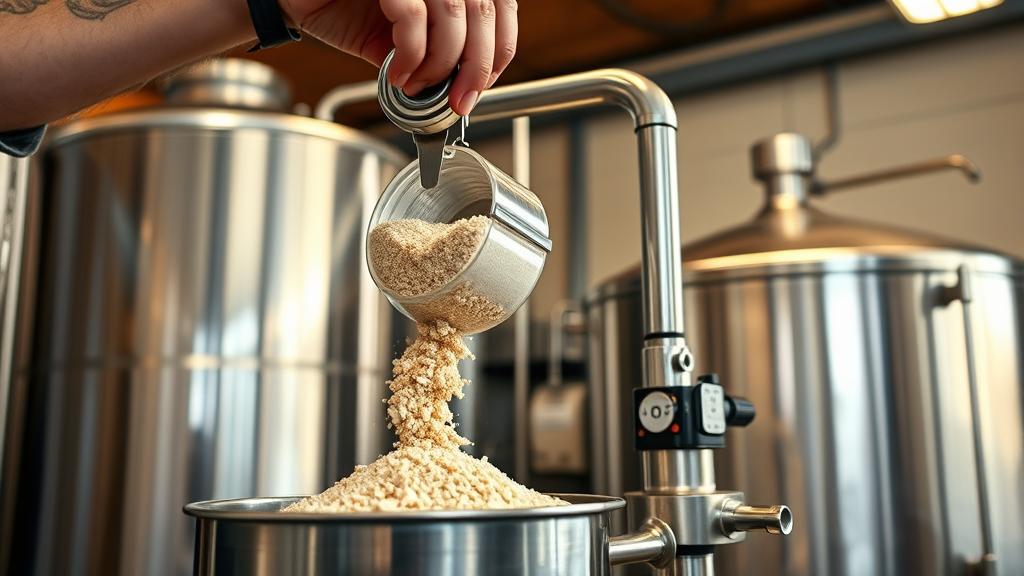
- Mash: 67°C (152°F) for 60 minutes — Standard single-infusion mash for a Märzen-style base. Stir once at 20 minutes to ensure even heating. The smoke doesn’t need enzyme extraction help; let the malt do its job gently.
- Mash-out: 76°C (169°F) for 10 minutes — Raises mash temperature to stop enzyme activity. Helps clarity in the run-off.
- Sparge: Low and slow — Let gravity work. Rush a sparge with smoked malt and you’ll extract vegetal, burnt tannins. Patience rewards you.
- Boil: 90 minutes — Standard for lagers. Bittering addition at 60 minutes (Hallertau, 25 IBUs). No late-addition hops. No kettle whirlpool hopping. Let smoke dominate.
- Cool to 10°C (50°F) — Use a wort chiller or ice bath. Lagers demand temperature control.
- Pitch yeast, aerate well — Lager yeast needs oxygen. Splashing or aeration stone, 30 seconds of vigorous aeration.
Fermentation & Conditioning: The Patience Test
Here’s where rauchbier reveals its true nature. Lager fermentation is slow and steady, and that matters.
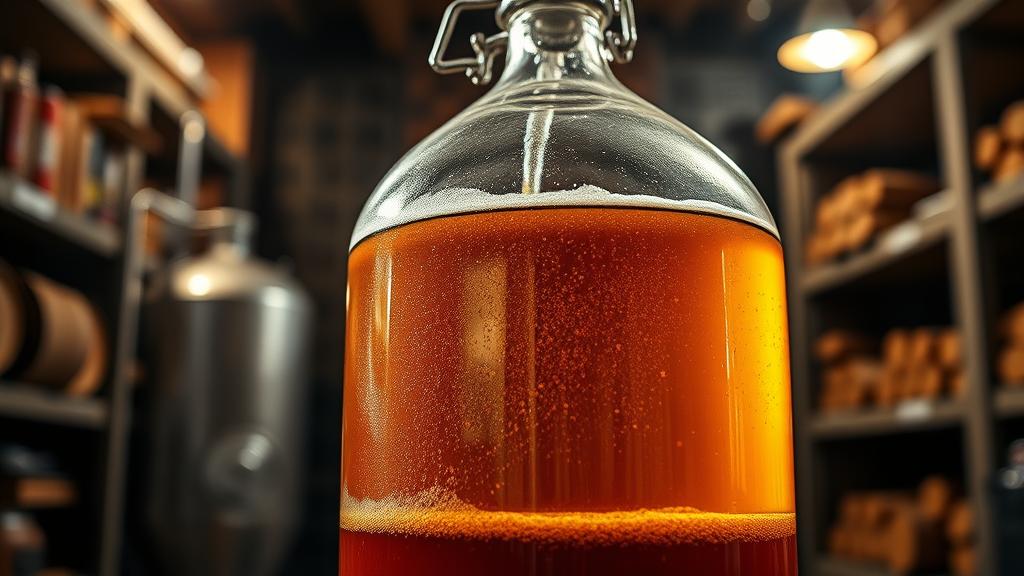
Primary Fermentation: 10–14 days at 10°C (50°F)
Set your temperature controller and leave it alone. Lagers ferment cool and clean. At warmer temperatures (above 12°C / 54°F), your yeast will produce fruity esters that muddy the smoke-malt conversation. I check gravity after day 10, and I pitch the temperature down 0.5°C every 2 days until I reach 1–2°C for the diacetyl rest.
Diacetyl Rest: 3–5 days at 12°C (54°F)
Once fermentation slows (gravity moving slowly day-to-day), raise temperature slightly. This allows yeast to clean up diacetyl (a buttery compound some strains produce). Most modern lager yeasts don’t need this, but it doesn’t hurt.
Cold Conditioning: 4–8 weeks at 2–4°C (36–39°F)
This is the secret. Rauchbier needs time. The smoke mellows, integrates, becomes less aggressive. Four weeks minimum; eight weeks is better. I’ve had rauchbiers that were harsh at 4 weeks, then completely balanced and gorgeous at 8 weeks. Patience is the ingredient you can’t buy.
Tasting Notes & My Honest Review
My third rauchbier — 8 weeks conditioned, 50% rauchmalz, Munich Lager yeast — taught me the goal.
Appearance: Deep copper-amber, slightly hazy (that’s okay), 2-finger dense beige head that clings to the glass.
Aroma: Smoke first — bacon, cured ham, smoked paprika — but not aggressive. Underneath: bread crust, slight caramel sweetness, a whisper of pine from the noble hops.
Taste: Smooth entry, then smoke blooms across the palate like smoke through a room. Not hot smoke, but layered smoke. Mid-palate: malt sweetness (toasted bread, caramel, subtle nuttiness) contrasts with smoke. Finish: dry, slightly peppery, a hint of smoke that fades within seconds, leaving a warm, savoury memory.
Mouthfeel: Medium body, smooth and creamy from the cold conditioning and Munich malt. No sharp edges.
Honest assessment: This is what rauchbier should be. Intentional. Restrained. A beer that rewards attention, not one that screams for it. It pairs brilliantly with cask-conditioned ales in terms of character — both styles demand respect and patience.
Pro Tips & Common Mistakes
Mistake 1: Too Much Smoke Too Soon
Homebrewers often overdo rauchmalz percentage, thinking 60–80% will create a “proper” smoked beer. Wrong. Start at 30–40%, taste, adjust next time. You can always smoke more; you can’t un-smoke a batch.
Mistake 2: Rushing Cold Conditioning
Four weeks feels like forever. Eight weeks feels impossible. Bottle or keg at 4 weeks, and the beer tastes green and harsh. The yeast still has work to do. Wait. Trust the process.
Pro Tip 1: Source Fresh Rauchmalz
Smoked malt degrades faster than base malts because the oils in the smoke go stale. Buy from suppliers with inventory turnover — The Malt Miller, Geterbrewed, BrewUK. Check the harvest date if possible. Fresh rauchmalz = cleaner smoke character.
Pro Tip 2: Experiment with Smoke Intensity
A rauchbier variant: 30% rauchmalz instead of 50%, then add 10% chocolate malt. You get smoke with subtle chocolate undertones — smoky-sweet, less aggressive. Brilliant in winter.
Pro Tip 3: Pair with Food Intelligently
Rauchbier pairs with smoked fish (salmon, mackerel), cheeses (Emmental, aged cheddar), cured meats (yes, the irony is intentional), and root vegetables. The BJCP guidelines suggest pairing with German cuisine, and they’re right — but British homebrewers: think smoked haddock, Welsh raclette, BBQ brisket. The smoke bridges.
Variations & Next-Level Experiments
Smoked Porter / Smoked Stout
Take a robust porter (1.060 OG or higher), substitute 30–40% of base malt with rauchmalz, add chocolate and roasted malts. The result: smoky-roasty, complex, powerful. It’s less traditional, but it works beautifully.
Smoked Wheat Beer (Rauch-Weizen)
Half Dunkelweizen, half rauchmalz. Ferment with a wheat beer yeast (Wyeast 3068 or SafAle WB-06). The result: clove-banana esters meet smoke — weird, yes, but some brewers swear by it.
Smoked Imperial Lager
Take your rauchbier to 7–8% ABV with extra Munich and Pilsner malt. Condition for 12 weeks. The result: smoky-warming, rich, something to contemplate by the fire in January.
I’ve also experimented with HomeBrewTalk‘s smoked beer forum, where brewers share recipes for smoked barleywines, smoked-oak-aged hybrids, and even smoked lambic variations. The rabbit hole is deep — follow it.
Conclusion: Why Rauchbier Now?
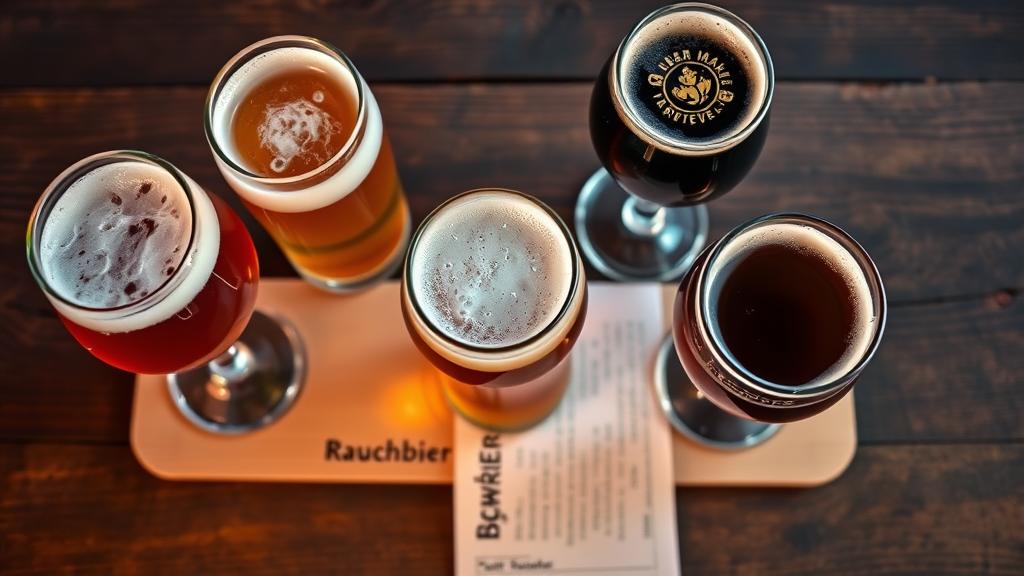
Smoked beer is trending because homebrewers are maturing. We’re asking harder questions: Where does this style come from? What does restraint taste like? How do I brew something that improves with age? Rauchbier answers all three.
It’s not an exotic novelty. It’s a 600-year-old conversation between fire and malt, translated into beer. When you brew your first rauchbier, you join Bamberg’s monks, Schlenkerla’s brewers, and thousands of homebrewers rediscovering an almost-lost art.
Start at 40% rauchmalz. Condition for 8 weeks. Trust the process. Your first rauchbier might surprise you.
The smoke is just the beginning.
🍺 Join the Brotherhood — Monthly brews, stories & monk wisdom
Subscribe for exclusive recipes, early brew logs, and behind-the-scenes updates straight to your inbox.