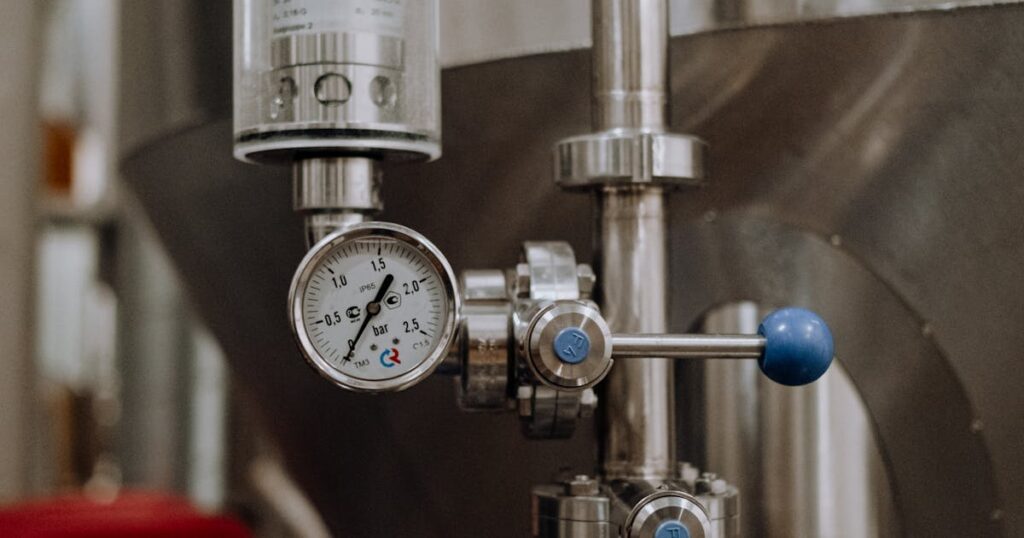
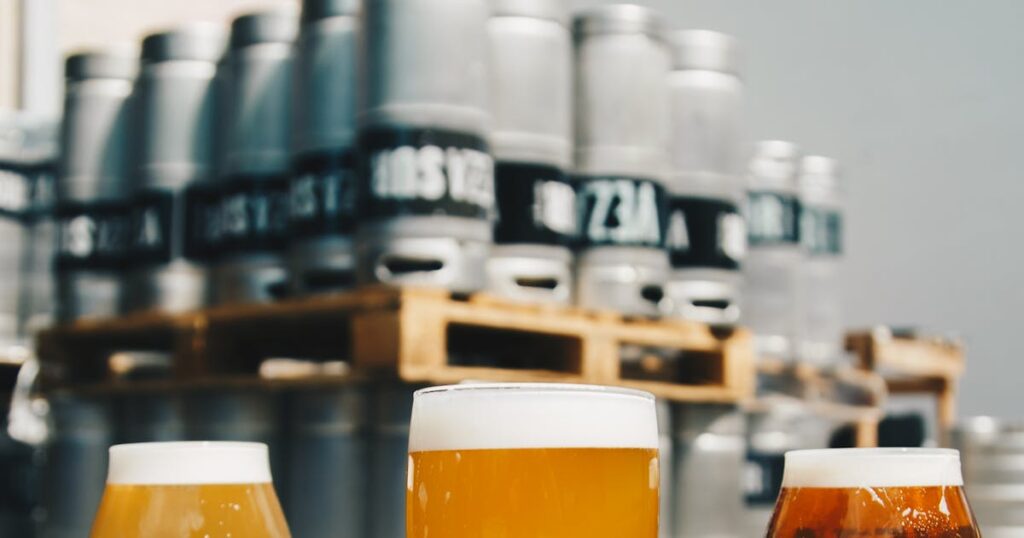
It’s Wednesday evening, late June, and I’m sitting in the garden with a half-pint of something pale and gently hoppy. The sun’s still high, friends are scattered across the lawn with their own glasses, and nobody’s in any rush. We’re not here to get hammered — we’re here to be here. This is intentional drinking, and it’s quietly redefining how homebrewers approach their craft.
For years, the homebrewing community has chased bigger, bolder, higher ABV. We’ve celebrated 8% Imperial IPAs and 10% Barley Wines like badges of honour. But 2026 is different. The trend data shows a clear cultural shift: people — especially in the UK — are seeking beers that are lighter, more refreshing, and designed for longer social occasions where quality of experience matters more than quantity of alcohol. And that’s not a compromise. That’s an opportunity.
What’s Driving the Intentional Drinking Movement?
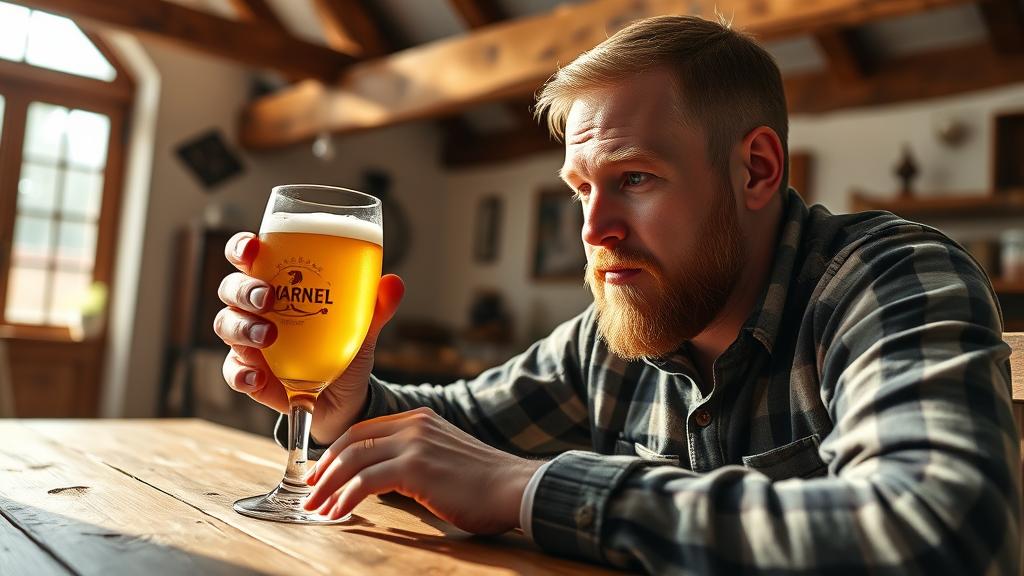
Here’s the thing: this isn’t wellness theatre or alcohol-free virtue signalling. Intentional drinking is about mindfulness — about choosing when and what you drink with the same care a monk applies to any worthwhile thing. And as a homebrewer with Benedictine roots, I find that philosophy fits like a hand in a glove.
According to recent drinks industry data, consumers — especially younger drinkers and Gen Z — are deliberately cutting back, but not because they’ve stopped enjoying beer. They’re rejecting the “drink to get drunk” culture and embracing slower, more social occasions where the beer itself is part of the experience, not just the vehicle. One marketing director at a major UK brewery put it beautifully: “What we’re seeing is a clear shift toward more intentional drinking, with consumers seeking out beers that are lighter, more refreshing and suited to longer, more social occasions.”
That is your cue as a homebrewer — a philosophy that CAMRA (Campaign for Real Ale) has championed for decades. This is the moment to brew beers that invite you to sit with them for an hour. Session ales, light lagers, and crisp pilsners aren’t “compromise beers” — they’re craft beers in the truest sense. They demand technical precision, water chemistry knowledge, and a respect for the grain and hop that a 12% barleywine simply doesn’t require in the same way.
Ingredients & Water Chemistry for Session Beer Mastery
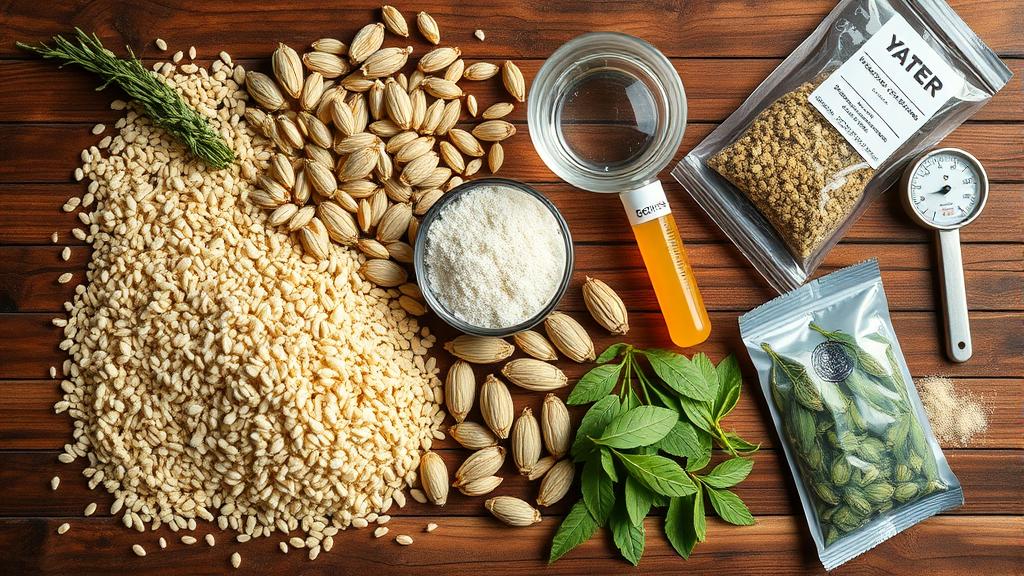
Session beers live or die by their balance. You can’t hide behind high alcohol or residual sweetness, so every ingredient choice matters profoundly.
Malt Selection: For summer session ales, I’m using Pale Ale Malt as the base (80–85% of grist). It’s got just enough character to stand alone — British malts like Maris Otter bring a gentle, biscuity backbone that’s not aggressively mineral or crisp. Aim for single-infusion mashes at 65–67°C (150–152°F) to keep residual body modest but not thin. A small touch (5–10%) of Munich or Vienna Malt adds warmth without excess sweetness. Steer clear of crystal malts unless you want the beer to feel sticky in the mid-palate.
Water Chemistry: This is where intentional brewing reveals itself. Water chemistry shapes the entire drinking experience — and in session beers, you’re fighting for delicacy. If you’re brewing a British Golden Ale or Bitter, you want soft to moderately hard water with sulfate emphasis (think Burton-on-Trent profile: 200–300 ppm SO₄). For pale lagers, dial it back to Pilsen-style soft water (50–100 ppm Ca²⁺, low sulfate). The mineral profile will define whether your session beer finishes crisp or flabby.
Hops & Bitterness: The secret to intentional session beer is subtle, persistent bitterness — not punchy aggression. A 60-minute bittering charge of something noble (Hallertau, Saaz, or Tettnang) at 25–35 IBUs sets the stage. Then, in the final 10–15 minutes, add your character hops — Cascade, Challenger, or even a touch of modern varieties like Citra (but restrained). The goal is a beer that refreshes the palate without overwhelming it. I typically skip the dry-hop in session ales to avoid getting too floral.
Brewing Day: Precision Over Power
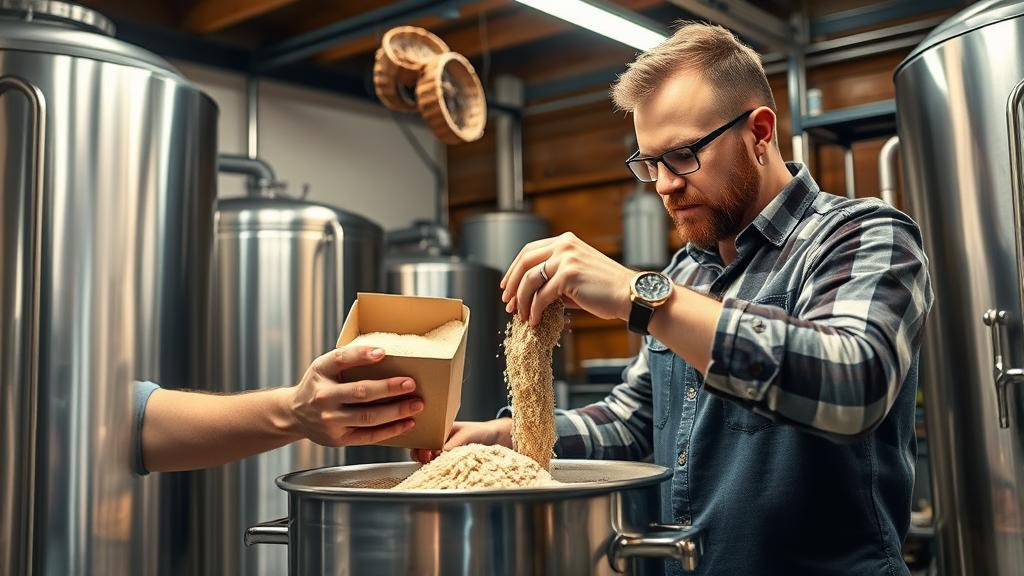
Mash Temperature: Hold your mash at 66–67°C (150–152°F) for 60 minutes. This produces a beer with moderate fermentability and just enough residual extract to feel satisfying without heaviness. A degree either way changes the entire equation.
Sparge Water: Use soft water for sparging — aim for a mash-out temperature of 76°C (168°F) — and keep your lauter gentle. Oversparging or running too fast will extract harsh tannins that show up in session beers like a sore thumb.
Boil: 60 minutes is fine. No tricks needed. Bittering addition at 60 min, small hop additions at 15 and 5 min, and a quick chill. For session beers, I’ll often bottle-condition or keg with modest carbonation levels (2.2–2.5 volumes of CO₂) — this keeps the beer refreshing without turning it into a geyser when you open it.
Fermentation & Temperature Control: The Invisible Art
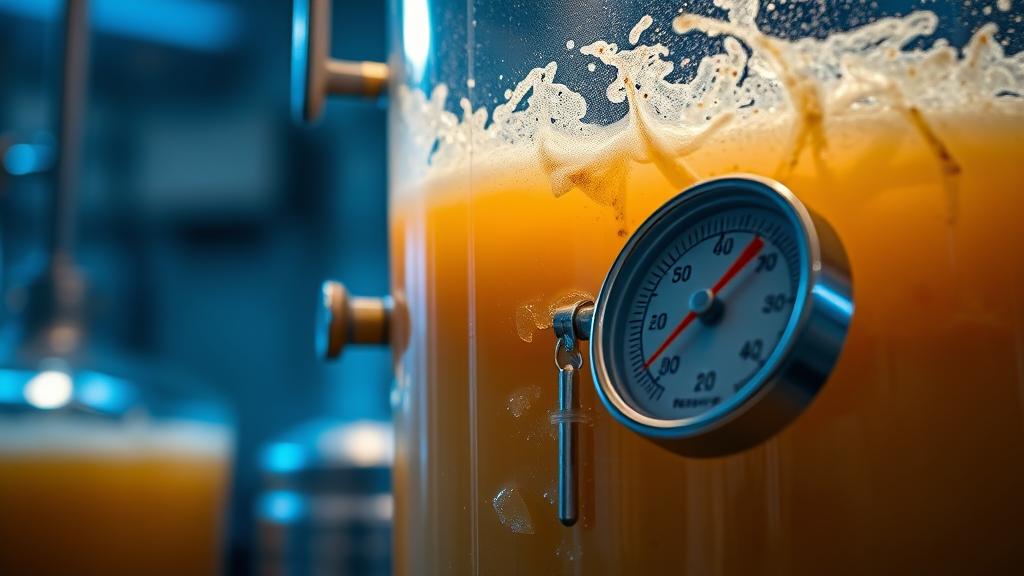
This is where intentional brewing becomes technical brewing. Session beers demand temperature precision because yeast character will shine through unmasked by high gravity or heavy adjuncts.
Ale Fermentation: Pitch SafAle S-04 or Nottingham — clean, reliable, low-ester yeasts. Start at 18–20°C (65–68°F) and let it rise to 21°C (70°F) naturally as the fermentation kicks. If you’re brewing a British Golden or Bitter, a controlled rise to 22–23°C in the final days brings out a touch of fruity complexity without thinning the body.
Lager Fermentation: According to the BJCP Style Guidelines for Czech Pilsner, a true Pilsen-style session lager pitches SafLager W-34/70 at 10–12°C (50–54°F) and let it ferment for 10–14 days. Resist the urge to raise temperature — the lag is worth it. The result is a beer with crystalline clarity and noble simplicity that’s impossible to rush.
Diacetyl Rest: If you’re fermenting cool, do a brief diacetyl rest (raise to 18°C for 2–3 days after fermentation finishes) before crashing to lagering temperature. This eliminates buttery notes that linger in session beers.
Tasting & Evaluating Your Session Brew
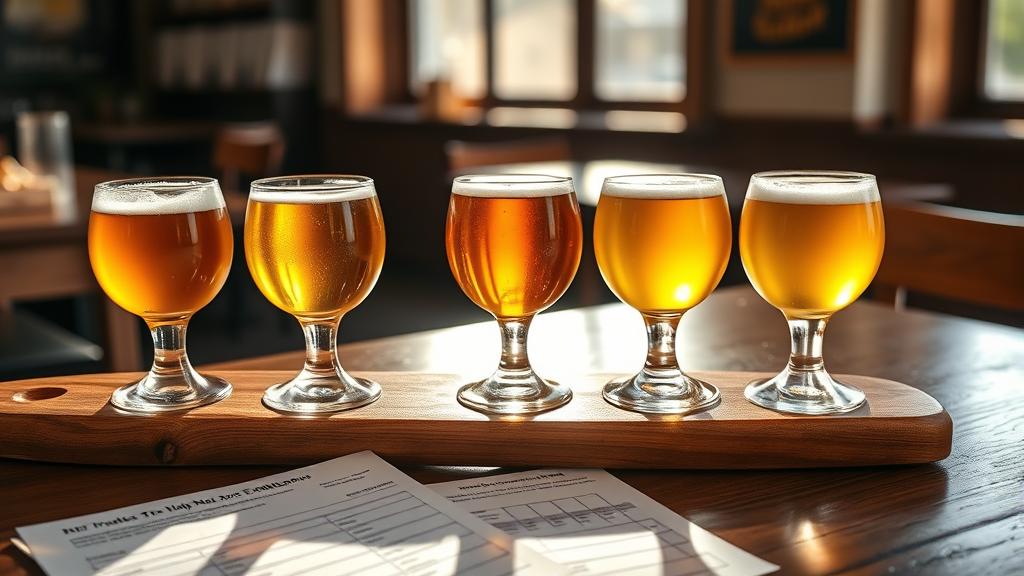
Here’s what separates intentional drinking from careless tasting: you sit down, you pay attention, and you describe what’s happening in your glass.
Appearance: Session beers should be clear to bright (unless hazy is the style). Colour ranges from pale straw (Session Pale Ale) to deep amber (English Bitter). Carbonation should be gentle but present — a thin, persistent head that sticks around for a minute or two.
Aroma: This is where delicacy shows. You’ll catch subtle hop character — maybe a whisper of citrus or herbal note — and clean yeast. There should be no solvent, vinegar, or oxidation. If you’re smelling fruit esters, they should be gentle: red apple, pear, or light stone fruit.
Flavour & Mouthfeel: Take a half-second sip. Let it sit on your tongue. A well-brewed session beer will reveal its layers over that moment: initial sweetness from the malt, a clean, crisp bitterness that resolves quickly (not lingering harshly), and a mouthfeel that’s light but not watery. The alcohol should be completely invisible — you’ll know it’s 4–4.5% ABV from the fact that you can drink three without feeling it, not from any burn or heat.
Head over to HomeBrewTalk forums and compare your session beer to a commercial reference — a Pilsner Urquell, Samuel Smith’s Pale Ale, or Fuller’s London Pride. Where do you land? If your beer is thinner, consider raising your mash temperature next time. If it’s sweeter than the reference, you’ve got too much residual extract — either reduce crystal malt or lower your mash temperature.
Pro Tips & Common Mistakes
The Biggest Mistake: Brewing a 4% beer with aggressive late-addition hops, thinking you’re being “modern.” Session beers are not micro IPAs. Respect the style. If you want hoppy, the alcohol carries the alcohol. Below 5%, let the malt speak.
Carbonation Matters: Over-carbonation (3+ volumes CO₂) makes light beers feel thin and tingly. Under-carbonation (1.8 volumes) makes them feel flat. Aim for 2.2–2.4 volumes for bottle-conditioning. If you’re kegging, set your CO₂ to deliver the same.
Fermentation Temperature Creep: Even a 2°C rise above target in an ale fermentation will produce extra esters and muffle the delicate balance. Use temperature control — even a cheap thermostat-driven heating belt works.
Oxidation Risk: Session beers have minimal alcohol to protect them from oxidation. Keep your bottling oxygen-free (purge with CO₂, use anti-siphons), and store bottles upright in a cool, dark place. They’re best drunk within 3–4 months.
Variations: Keeping It Interesting
Once you’ve nailed the base recipe, there’s room to explore:
Fruit & Spice Additions: A touch of orange zest in the final 5 minutes of the boil brightens a pale ale without overwhelming it. Coriander works similarly. Keep these additions subtle — 5–10g per batch.
Heritage Grains: Try replacing 10–15% of your pale malt with Maris Otter, a heritage British malt with incredible character. Heritage grains are experiencing a real renaissance in 2026, and for good reason — they add authenticity that modern malt blends simply can’t match.
Water Adjustments: Experiment with Dortmund-style water (hard, balanced minerals) for a golden ale that sits between a bitter and a pilsner. This hybrid mineral profile creates beers with both body and crispness.
Conclusion: The Gift of Intentional Brewing
Intentional brewing is a rebellion — against the race to the highest ABV, against the culture of careless drinking, against the idea that “more” always means “better.” When you brew a 4% session beer with the same care and technical precision a monk brings to any craft, something shifts. You’re not making a compromise. You’re making something intentional.
This summer, as you sit in the garden with friends, a half-pint of something pale and gently hoppy in hand, you’ll understand: this is what the 2026 brewing movement is really about. Not what you can drink in quantity, but what’s worth savouring. And that’s worth brewing for.
🍺 Join the Brotherhood — Monthly brews, stories & monk wisdom
Subscribe for exclusive recipes, early brew logs, and behind-the-scenes updates straight to your inbox.