There’s a particular moment in my brewing journey when I realised I’d been chasing complexity when simplicity was waiting in plain sight. That moment came with Irish Red Ale — a beer so honest, so effortlessly elegant, that it felt almost like rediscovery rather than learning something new. In 2026, as the craft world continues its endless experimentation, brewers are quietly returning to this classic Irish style. Not because it’s trendy or Instagram-worthy, but because it just works.
This is a beer about balance. It’s sessionable at 4.0–4.5% ABV (or thereabouts), rich enough to feel substantial, but approachable enough for a quiet evening. The copper-red colour catches the light like nothing else — it’s what drew me in initially — and the flavour profile sits at that sweet spot between malty sweetness and subtle dryness. It’s the kind of beer you drink, not the kind you overthink.
Why Irish Red Ale Matters (and Why It’s Back)
For years, Irish Red Ale lived in the shadow of IPAs and imperial stouts. Breweries pushed the boundaries; homebrewers reached for complex recipes. But in 2026, something shifted. Industry surveys show consumers increasingly seeking both high- and low-alcohol options — the pendulum swinging away from shock-and-awe brewing back toward drinkability. Low-ABV brewing is no longer niche; it’s mainstream, and Irish Red sits perfectly in that space.
The Irish Red Ale tradition traces back centuries, but Smithwick’s of Kilkenny perfected it — a beer meant for conversation and company, not conquest. The style guides emphasise balance: enough roasted character to create that distinctive red colour and dryness, enough malt sweetness to keep it approachable, enough hop restraint to let everything else shine.
Ingredients & Equipment for Irish Red Success
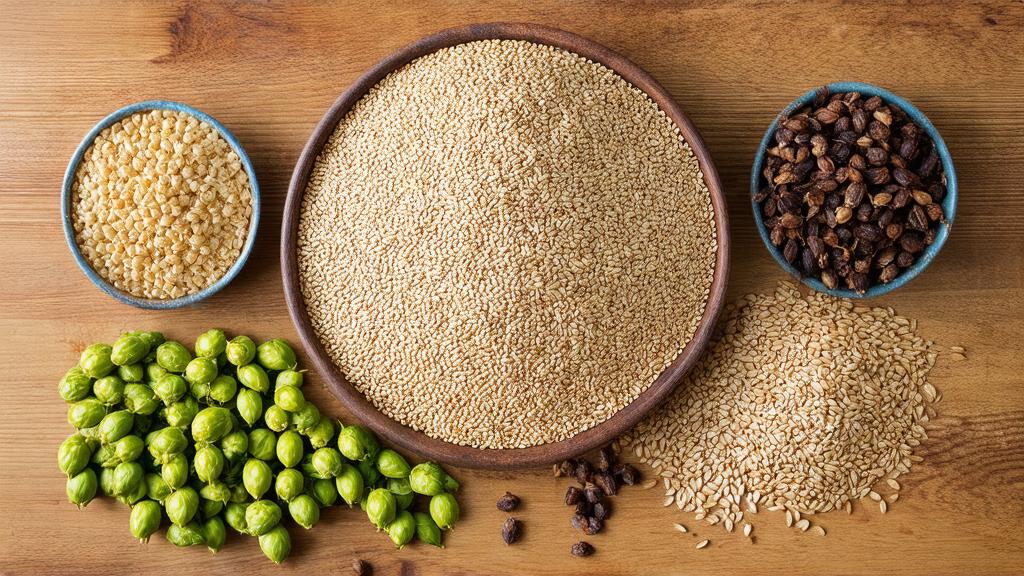
Here’s what makes Irish Red brilliant for homebrewers: the ingredient list is short and forgiving. You don’t need rare hops or experimental malts. You need quality basics, done right.
Grain Bill (for 20L / 5 gallons):
- 3.5 kg (7.7 lbs) Pale Malt — the foundation, clean and neutral
- 400 g (0.9 lbs) Roasted Barley — this gives you the colour and a dry, almost coffee-like finish (NOT black malt; this is crucial)
- 300 g (0.7 lbs) Crystal Malt 120L — subtle sweetness, body
- 100 g (0.2 lbs) Carapils — head retention and mouthfeel
Hops:
- 15 g Golding (60 mins) — the traditional choice, English, gentle, floral
- 10 g Golding (15 mins) — a touch more aroma, but still restrained
Yeast & Fermentation:
- WLP004 Irish Ale or Lallemand Nottingham — clean, malty, slightly fruity; ferments well in cooler temps (16–20°C)
- Pitch rate: one vial for 20L at ambient temperature
Water Chemistry: Irish reds don’t demand mineral adjustments, but a pinch of gypsum helps sharpen the dryness. If you’re in hard water areas (as much of the UK is), use it as-is; soft water areas may want to add 1g gypsum per 10L.
Other additions: Irish Moss or Whirlfloc for clarity — optional but worth it.
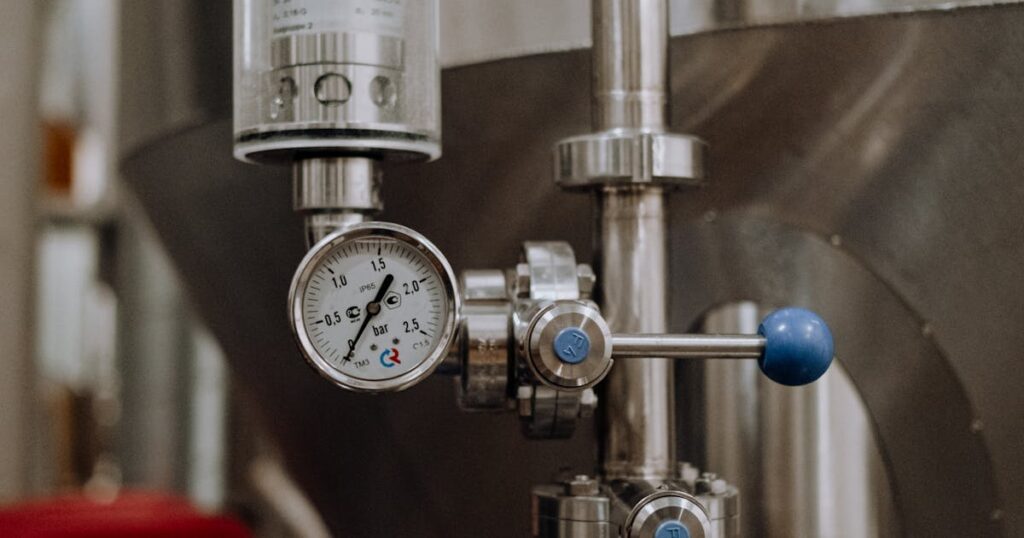
Modern brewing technology has made recipe execution easier than ever, but Irish Red rewards precision on the basics: consistent mash temperature, proper boil vigour, clean fermentation. No fancy equipment needed — a kettle, a fermenter, a thermometer, and patience will do.
The Brew Day: Step by Step
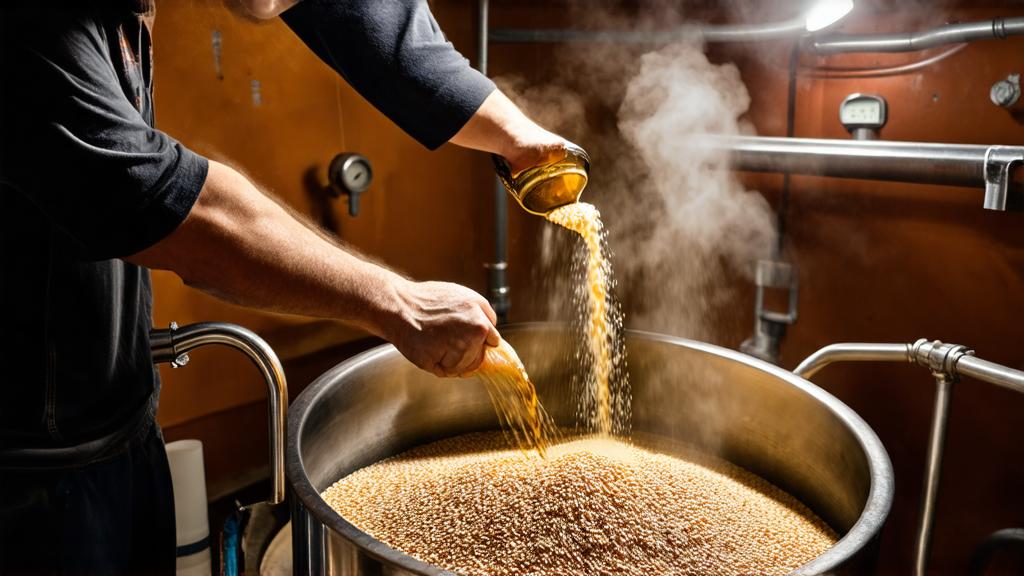
1. Mash (65–67°C for 60 minutes)
Strike temperature for 20L with 3:1 water-to-grain ratio: roughly 70°C. Your grains will cool the water to ~66°C. Hold it here. This temperature pulls out malt sweetness while keeping fermentability moderate. Stir every 15 minutes. After 60 minutes, mash out at 75–78°C for 10 minutes to deactivate enzymes.
2. Lautering & Sparging (10–15 minutes)
Fly-sparge or batch-sparge with water at 76°C until you’ve collected roughly 24–25L wort (accounting for boil-off and grain absorption). Run-off should be clear-ish; a bit of turbidity is fine if you’re using Irish Moss later.
3. Boil (60 minutes total)
- 60 mins: Add bittering hops (15g Golding). Bring to a rolling boil.
- 15 mins: Add final hop charge (10g Golding). Add Irish Moss if using.
- End of boil: Flame out. Whirlpool gently for 5 minutes, then let settle for 10.
4. Cooling & Aeration
Cool to 18–20°C (use an immersion chiller or ice bath). Transfer to fermenter, leaving as much trub behind as you can. Splash aerate — pitch the yeast. You’re aiming for 1.050–1.055 OG, which will ferment down to ~1.010–1.012 FG (around 4.2–4.5% ABV).
Fermentation & Conditioning — Where Patience Pays
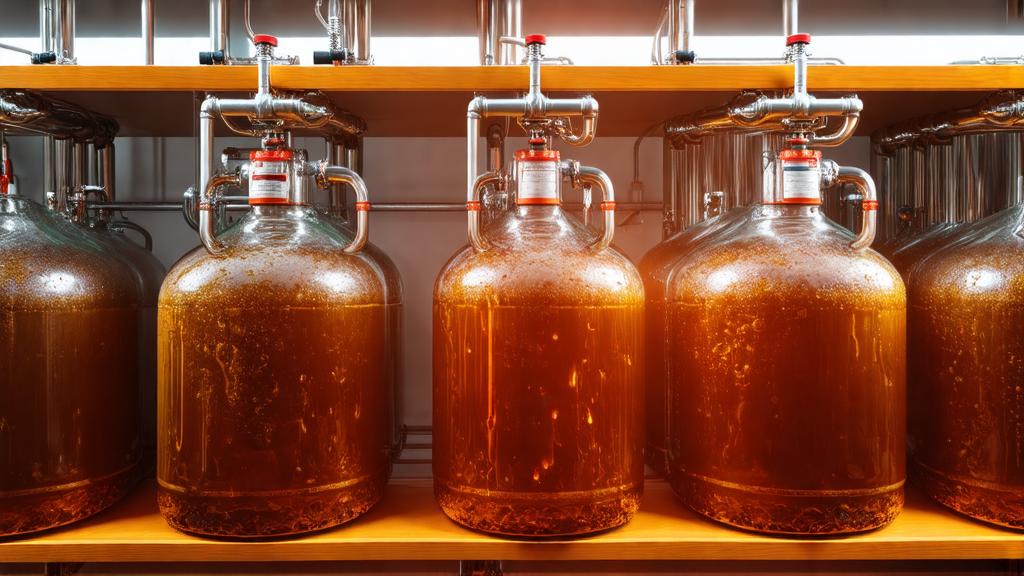
This is where most of us rush, and that’s where mistakes happen.
Irish Ale yeast (WLP004 / Nottingham) ferments cleanly at 16–19°C. Don’t let it get warmer than 20°C or you’ll pick up unintended esters. Don’t let it get colder than 15°C or fermentation will stall. The ideal? A steady 17–18°C. If you don’t have a temperature-controlled fridge, brew in autumn and winter.
Fermentation should start bubbling visibly within 12–24 hours. You’ll see vigorous activity for days 2–5, then gradual slowdown. By day 7–8, activity will have nearly stopped. At day 10, do a gravity check. If you’re at FG (1.010–1.012), you’re done. Hybrid fermentation techniques have shown promise in recent years, but for Irish Red, stick with traditional ale fermentation — it’s faster and cleaner.
After reaching FG, leave it another 3–4 days at fermentation temperature for diacetyl rest (rest compounds are cleaned up). Then cold-condition at 10–12°C for 7–10 days. This isn’t mandatory, but it helps clarity and smooths rough edges.
Bottling or kegging is your choice. Bottle-conditioned Irish Red develops beautifully over 2–3 weeks; force-carbonated kegs reach peak carbonation within 3–4 days.
Tasting Notes & My Honest Verdict
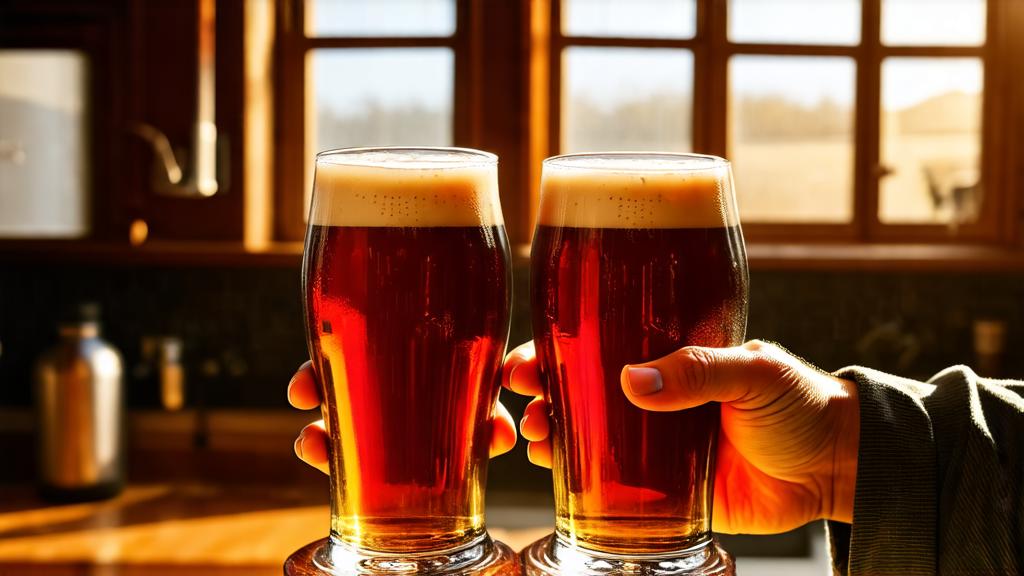
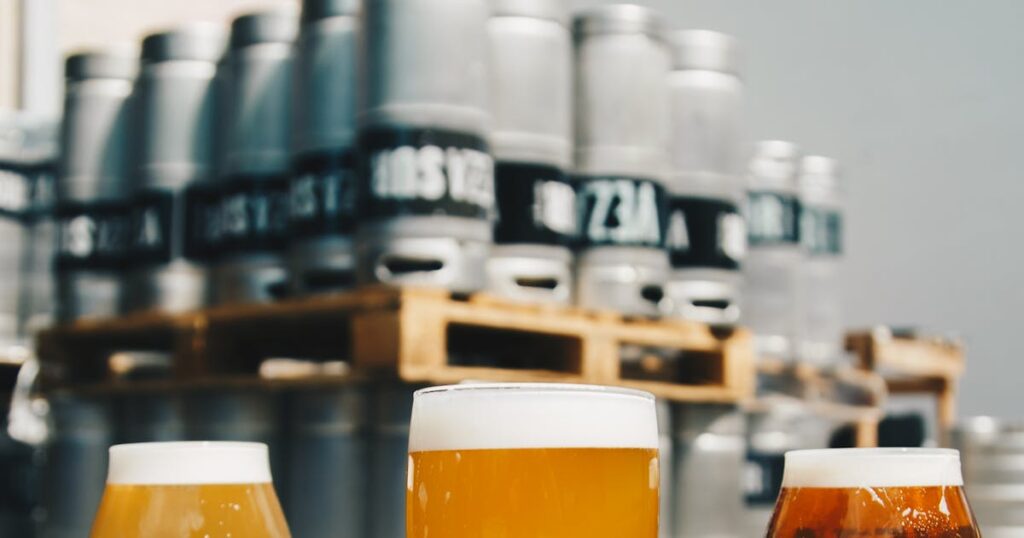
Appearance: Clear, bright, copper-red to deep amber. The colour comes from the roasted barley, not caramel malt — that’s the Irish distinction. A thick, creamy head that lasts through the pint.
Aroma: Subtle. Malt-forward — bread, biscuit, faint toffee. Just a hint of floral hops. Nothing loud. This isn’t an aromatics-first beer.
Flavour: Here’s the balance. Malt sweetness upfront (bread, slight honey), moving into a dry, almost peppery finish from the roasted barley. Bitterness is present but never aggressive (around 25–30 IBU). It’s the kind of beer you can drink multiple pints of without fatigue.
Mouthfeel: Medium-bodied, smooth, slightly creamy from the Carapils. Carbonation should be moderate to gentle — this isn’t a high-carb beer.
My take? Irish Red is the beer for when you stop trying to impress and start trying to enjoy. It’s perfect with food — a steak, a pie, roasted chicken. It’s perfect sitting quietly on its own. It reminds you why we started homebrewing in the first place.
Pro Tips & Common Mistakes
The Roasted Barley Mistake: Many brewers use black malt instead of roasted barley. Black malt is 200+ EBC; roasted barley is ~90 EBC. This changes everything — black malt makes it acrid and sharp. Stick with proper roasted barley.
Temperature Discipline: If fermentation wanders above 22°C, you’ll get ester characters that muddy the clean profile. Invest in temperature control or brew at the right time of year.
Mash Temperature: Too high (>68°C) and you’ll get a sticky, unfermentable wort; too low (<65°C) and it'll be thin. 66–67°C is the sweet spot.
Don’t Skip the Cold Conditioning: It’s not mandatory, but 7–10 days at 10°C improves clarity and smooths any rough edges from fermentation. Future-you will thank present-you.
Oxidation: Treat this beer gently during bottling or kegging. Unlike hoppy beers, Irish Red shows oxidation faults quickly — papery, sherry-like notes. Use CO2 purging for kegs; minimise splashing when bottling.
Variations & Next-Level Experiments
Once you’ve nailed the classic recipe, Irish Red invites subtle twists:
- Smoked Irish Red: Swap 200g pale malt for Smoked Malt (beechwood). It pairs with the roasted barley beautifully.
- Honey Ale variant: Add 500g honey at the end of the boil for a touch of dryness and slight complexity.
- Wood-Aged Irish Red: Barrel-ageing techniques have become more accessible to homebrewers — adding 100g oak chips steeped in bourbon or red wine for 2–3 weeks post-fermentation creates a sophisticated sipper.
- Fruit Variation: A subtle addition of cherry or plum (50–100g dried fruit added post-fermentation for 3–5 days) complements the roasted grain.
The beauty of Irish Red is that it’s robust enough for experimentation but refined enough that every addition should serve a purpose. Don’t just add things for the sake of it.
Conclusion: Back to Basics
Irish Red Ale is making a comeback because, honestly, we needed it. In a world of barrel-aged stouts, experimental adjuncts, and 100+ IBU hop bombs, there’s something quietly revolutionary about a beer that asks only to be delicious, approachable, and honest.
This brew has taught me more about the fundamentals of brewing than any complex recipe ever could. Mash temperature matters. Fermentation discipline matters. Ingredient quality matters. Patience matters. It’s not about the gear or the technique — it’s about respect for the process.
If you haven’t brewed an Irish Red, I’d urge you to. Start with the classic, nail the balance, then play. You’ll understand why this style has endured for centuries and why, in 2026, brewers are quietly returning to it.
Welcome to the Irish Red renaissance. It’s good to be here.
🍺 Join the Brotherhood — Monthly brews, stories & monk wisdom
Subscribe for exclusive recipes, early brew logs, and behind-the-scenes updates straight to your inbox.