Why Cask Ale Is Making a Comeback — And Why Younger Homebrewers Should Care
I’ve been tracking the numbers, and something remarkable is happening in British pubs right now. Younger drinkers — folks in their twenties and early thirties — are discovering cask ale, and not as some ironic throwback. They’re approaching it with genuine curiosity, seeking something their parents’ generation took for granted: provenance, tradition, and real craftsmanship. Bass, Wadworth 6X, and other heritage brands are seeing their youngest customer base in years. And for homebrewers, this is a wake-up call.
The cask renaissance isn’t about nostalgia. It’s about authenticity in an age of industrial standardisation. Young drinkers are voting with their wallets for beers with stories, beers that required skill to make, beers that aren’t identical across every venue. If you’re a homebrewer who’s been chasing trending styles — cold IPAs, pastry stouts, experimental adjuncts — it’s worth pausing to consider what this trend is really telling us. Sometimes the most revolutionary thing you can do is brew something time-tested, properly.
The Data Behind the Revival

According to recent industry research, cask ale sales among under-35s have surged in the past 18 months. Bass, Britain’s oldest continuously brewed beer (since 1777), is seeing a demographic shift with significantly more 18–29-year-olds drinking in Bass-focused pubs. Wadworth 6X, another heritage classic, ranked in the top three fastest-growing cask brands this year. This isn’t a blip — it’s a genuine cultural shift.
What’s driving it? According to brewers and publicans, it’s simple: authenticity and heritage matter to young people more than we assumed. They’re tired of algorithmic personalisation, AI-generated everything, and one-size-fits-all mass production. A pint of cask ale — unfiltered, unpasteurised, served at 50–55°F (10–13°C) — is the opposite of that. It’s handmade beer, still living, shaped by the publican’s skill and the brewery’s recipe.
This generation grew up during the craft beer explosion of the 2010s, where experimentation was king. But they’ve watched it plateau. Now, according to CAMRA’s research, they’re actively seeking beers that weren’t trending last month. Heritage becomes radical when everything else is disposable. For homebrewers, this shift has profound implications. Traditional English brown ales and bitters aren’t backward steps. They’re stepping into a space where the world is actively looking. When you brew a proper session bitter or a cask-conditioned brown ale, you’re not following a trend — you’re participating in a cultural correction.
What Makes Cask Ale Tick (And Why It’s Harder Than It Looks)

Here’s where homebrewers often get it wrong: they assume cask ale is just “ale fermented in a cask.” It’s not. Cask ale is a whole philosophy — from malt selection through to cellar management. This is why brewing to style matters, even when (especially when) the style is traditional.
The malt profile matters enormously. Traditional British cask ales rely on pale ale malt (sometimes with a touch of crystal or amber) to build a foundation of body and subtle sweetness. None of the burnt, roasted, or heavily speciality malts that dominate modern craft. The goal is clarity and grain-forward flavour, not complexity through obscuring layers. When you’re brewing a heritage bitter or brown ale, you’re aiming for clean, mineral-forward water profiles that highlight grain character, not obscure it. British gypsum-rich water (Burton-on-Trent profiles) actually works against delicate bitters; softer water is often better for traditional ales.
The hop selection is restrained, purposeful. British hops — Kent Goldings, East Kent Goldings, Fuggle, Challenger — bring earthy, spicy, or gently floral notes rather than the aggressive citrus or pine of American varieties. A proper cask bitter gets its complexity from restraint, from the interplay of a modest bittering charge and well-timed aroma additions. Think 25–35 IBU, not 60+. According to the BJCP style guidelines, English ales should have balance — slight sweetness from malt, moderate bitterness from noble hops, clean yeast character. No single element dominates.
Yeast discipline is critical. A good cask ale yeast (like English Ale or similar strains) ferments cleanly, then drops clear given time. No aggressive fruity esters, no sulphurous funk. You want the beer transparent enough to read through, yet complexly flavoured. This requires patience — proper cold conditioning, sometimes 2–3 weeks before the beer is truly ready. Many homebrewers skip this step, rushing to bottle or keg. That’s a mistake. Cask ale rewards patience.
And then there’s the elephant in the room: you need to serve it properly. Cask ale is designed for slow, cool conditioning and gentle carbonation (1.5–2.0 volumes of CO₂). If you’re force-carbonating like a Cask IPA or kegging and serving at 3+ volumes, you’re missing the entire point. The beer deserves better. The publican’s art — the cellar work, the stillaging, the temperature control — is as important as the brewer’s work. Honour both.
Brewing a Heritage Bitter or Brown Ale: A Practical Guide

Let’s build a blueprint for a traditional English bitter (4.2% ABV, 32 IBU, 20 SRM). This style sits comfortably between session ale and premium bitter — approachable, complex enough to drink slowly, exactly what younger drinkers are discovering in their local pubs.
Recipe (10 gallons / 38 litres):
- 8.5 lb (3.9 kg) pale ale malt (British origin preferred: Maris Otter or similar)
- 0.75 lb (340 g) crystal malt (40–60L)
- 0.5 lb (227 g) amber malt (optional, for depth and biscuit notes)
- 24 IBU East Kent Goldings (60 min boil)
- 6 IBU East Kent Goldings (15 min, for aroma)
- English Ale yeast (Wyeast 1968, White Labs WLP002, or Fermentis SafAle S-04)
- Target mash pH: 5.4–5.5 (adjustable with gypsum for harder water)
- Mash: 65–67°C (150–153°F) for 60 minutes
- Sparge at 75°C (167°F) until run-off stops flowing
- Boil: 90 minutes total
Where to source traditional British malts and hops: The Malt Miller stocks excellent British pale ale malt, and heritage hop varieties like East Kent Goldings from commercial stock. Local homebrew shops often stock these as well — building a relationship with your local supplier is part of the tradition.
Fermentation & Conditioning:
- Pitch yeast at 64–66°F (18–19°C). Let it climb naturally to 68°F (20°C) over 48 hours. Resist the urge to temperature-control aggressively.
- Fermentation takes 8–10 days. Don’t rush it. Activity should slow visibly by day 7–8.
- Rack to secondary (optional but recommended for clarity) and age at 50–55°F (10–13°C) for 10–14 days.
- Bottle or cask condition with 3–5 g/L priming sugar (aim for 1.8–2.2 volumes of CO₂ — lower than modern ales).
- Store cool (50–55°F / 10–13°C). Drink after 2–3 weeks. Peak at 4–6 weeks.
The beauty of this approach is simplicity. No wild experiments, no adjuncts, no technological wizardry. Just good malt, proper technique, patience, and respect for the yeast’s work. That’s what catches younger drinkers’ attention — they can taste the intentionality. This beer is honest. There’s nowhere to hide.
Common Mistakes Homebrewers Make with Cask Ales
Over-bittering: Modern homebrewers often treat traditional ales like IPAs, cranking the IBU for “character.” A proper English bitter should finish slightly sweet, not dry and resinous. Aim for a malt/hop balance of 1.3–1.5 (BU:GU ratio).
Wrong water chemistry: Your tap water matters. If you’re working with very hard water, you may need to dilute or adjust with gypsum to avoid drying out the beer. Soft to moderately hard water (100–200 ppm calcium) is ideal for pale ales.
Rushing fermentation: Many homebrewers temperature-control to 68–70°F (20–21°C) throughout. Instead, let the yeast start cool (64°F / 18°C) and climb naturally. This produces cleaner, more complex ales.
Over-carbonation: If you’re bottling with table sugar, use exactly 3–4 g/L, not more. Cask ales should pour with a thin, creamy head, not aggressive carbonation.
Why This Matters Right Now
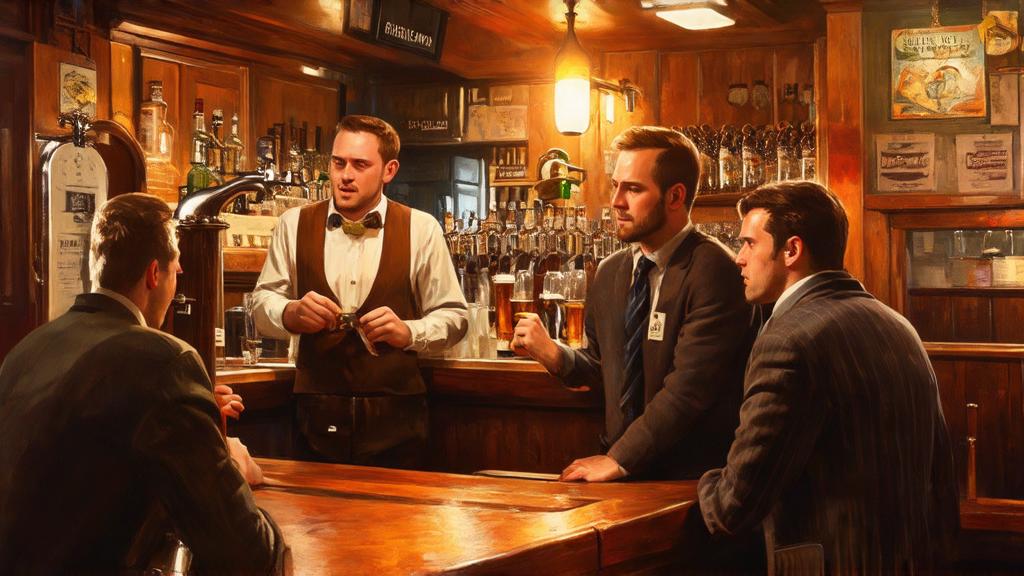
The cask renaissance is part of a broader cultural reckoning. After a decade of extreme experimentation in craft beer — the more outrageous the adjunct, the better — people are asking: what actually tastes good? What stands up to repeated drinking? What has soul?
Cask ale answers those questions. It’s brewed for conversation over two or three hours, not Instagram aesthetics. It’s designed to age slightly, to improve over a few weeks. It asks something of the drinker: patience, attention, a willingness to sit in a pub and actually engage.
Young drinkers, it turns out, are hungry for that. They’re tired of single-use beer — the novelty ales you drink once for the novelty, then forget. They want beers worth learning, worth remembering, worth seeking out again. Cask ale is exactly that.
For homebrewers, this is an opportunity. Master the fundamentals of cask ale brewing, and you’re not just following a trend — you’re part of a cultural shift back toward authenticity. You’re brewing beer that matters, beer with roots, beer that connects to centuries of British brewing heritage. And that’s something worth celebrating.
If you’ve never brewed a proper English bitter or brown ale, 2026 is the year to start. Young drinkers are ready. Publicans are stocking it. Online communities like HomeBrewTalk are buzzing with interest in historical styles. And somewhere in your garage or kitchen, there’s a 10-gallon cask waiting to teach you something about yourself, about patience, and about what beer really can be.
The revolution isn’t loud. It doesn’t trend on social media. But it’s happening in pubs, in cellars, in the hands of brewers who chose tradition over novelty. That’s where you belong.
🍺 Join the Brotherhood — Monthly brews, stories & monk wisdom
Subscribe for exclusive recipes, early brew logs, and behind-the-scenes updates straight to your inbox.