Why Kveik Matters for Summer Brewing in 2026
Summer hits different when you’re a homebrewer. For decades, July and August meant one thing: abandon your temperature-controlled basement, fight the heat, and watch your fermentation go sideways. Most of us accepted it as the price of seasonal brewing. Then came Kveik.
Kveik (pronounced “kite”—Norwegian for “yeast”) is a category of brewing yeast that thrives at temperatures that would kill conventional ale strains. We’re talking 28–35°C (82–95°F), sometimes even higher. It ferments aggressively, often completing a full brew in 5–7 days instead of the usual two weeks. It produces distinctive flavour profiles: clean, slightly fruity, with hints of stone fruit and tropical notes. And for UK home brewers grappling with unpredictable summer heatwaves, it’s a game-changer.
The research backs it up too. Market analysis shows specialty yeast strains for high-temperature fermentation have surged in popularity among UK homebrewers, and Kveik leads the trend. It’s not just novelty—it’s practical brewing wisdom that complements techniques like hybrid fermentation approaches for those seeking deeper complexity.
Understanding Kveik’s Origins and Unique Characteristics
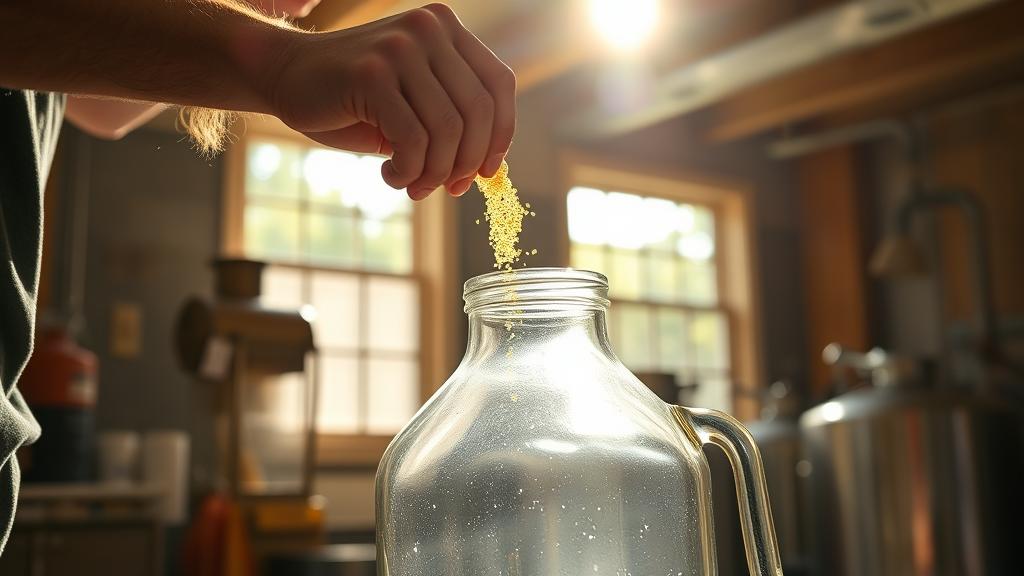
Kveik isn’t new. It’s ancient. Norwegian farmhouse brewers have used Kveik cultures for centuries, passing them down through families like liquid heirlooms. Each family’s Kveik developed slightly different characteristics—which is why strain names often reference their place of origin: Voss, Hornindal, Oslo, Kveldhugg. This connects directly to what researchers discovered in rediscovering farmhouse brewing traditions.
Western brewers largely ignored Kveik until around 2015, when Norwegian mycologist Lars Garshol began documenting farmhouse brewing traditions. His research revealed what these yeast cultures could do. Since then, Kveik has become one of homebrewing’s most exciting frontiers.
What makes Kveik special? Three things:
- Speed: Fermentation completes in 5–7 days at summer temperatures. Most ale yeasts take 10–14 days, even in ideal conditions.
- Heat tolerance: It ferments actively between 25–35°C (77–95°F). Some strains push into the high 30s without stress.
- Flavour profile: Clean, with subtle stone-fruit and citrus notes. Less estery than typical ale yeasts, more refined.
There’s a wisdom to this too. In monastic brewing traditions, speed and efficiency weren’t seen as shortcuts—they were considered part of craft. Brewing faster meant more iterations, more learning, more chances to refine your process. Kveik returns us to that philosophy.
Brewing a Kveik Summer Ale: Recipe and Ingredients
Let’s brew something. I’ve settled on a light, crushable summer ale that showcases what Kveik can do. It’s simple, forgiving, and results in a beer you’ll actually want to drink in 40-degree heat.
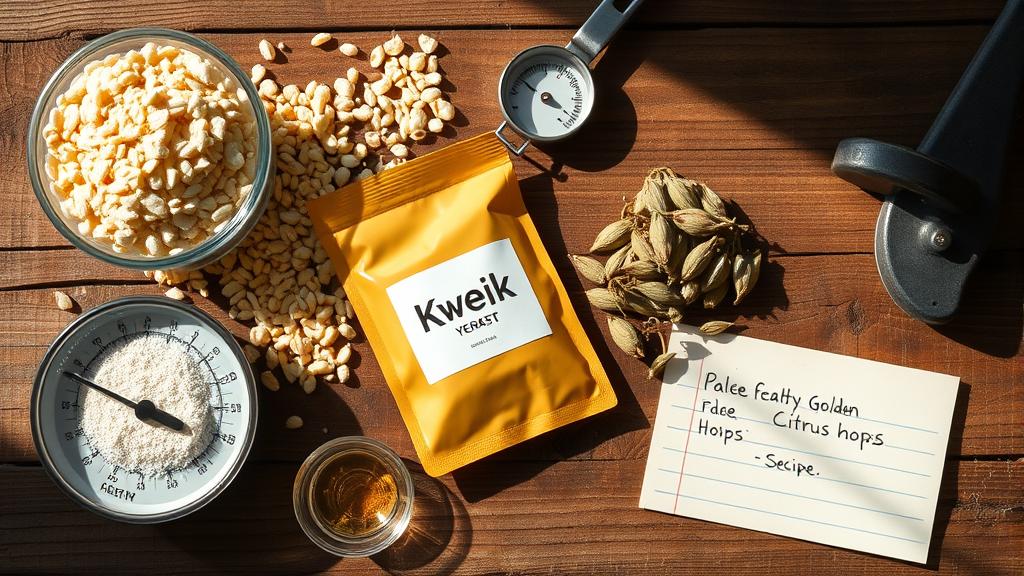
Recipe: Summer Citrus Session Ale (20L / 5.3 gallons)
Malt Bill:
- 2.5 kg (5.5 lbs) Pale Ale Malt
- 500g (1.1 lbs) Vienna Malt
- 250g (0.55 lbs) Carapils
Hops:
- 25g (0.9 oz) East Kent Goldings – 60 minutes (bittering)
- 15g (0.5 oz) Cascade – 5 minutes (aroma)
- 10g (0.35 oz) Centennial – dry hop, 3 days
Yeast:
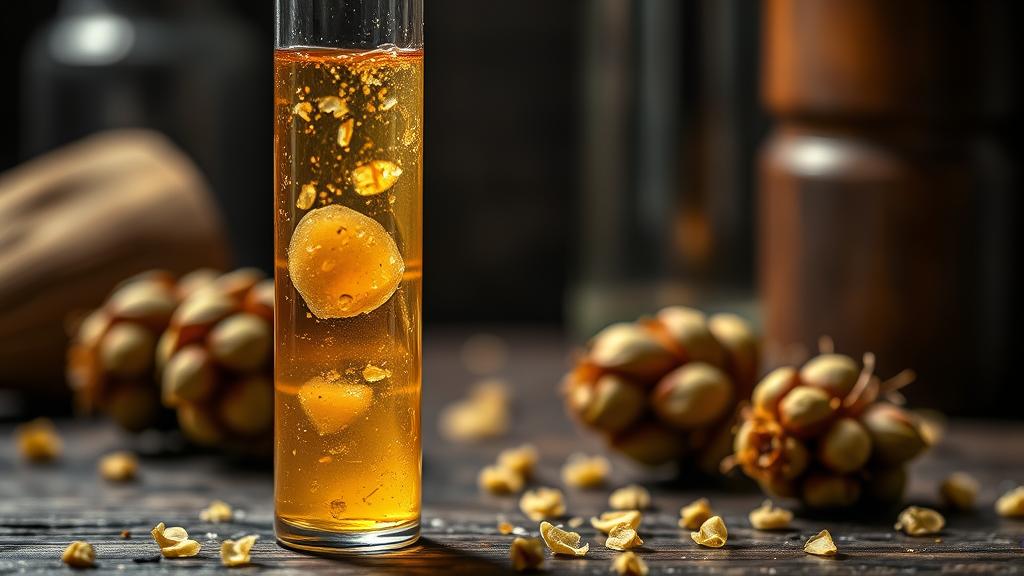
- One pouch of Kveik (I’m using Voss strain for its clean profile)
Water & Additions:
- 24L strike water
- 5g calcium chloride (water adjustment)
- Irish moss (10 minutes to flameout)
Target stats: OG 1.045, FG 1.008, ABV 4.9%, IBU 28.
You can source all of this from The Malt Miller or Geterbrewed, and Kveik is now widely available through UK suppliers. Get your yeast fresh—it matters more than you think. The temperature stability Kveik offers makes it particularly valuable for those experimenting with sustainable brewing approaches without complex refrigeration.
Fermentation and Temperature Control—The Kveik Advantage
This is where Kveik shines. Traditional brewing wisdom says you need precise temperature control. Kveik laughs at that advice.
Your fermentation schedule:
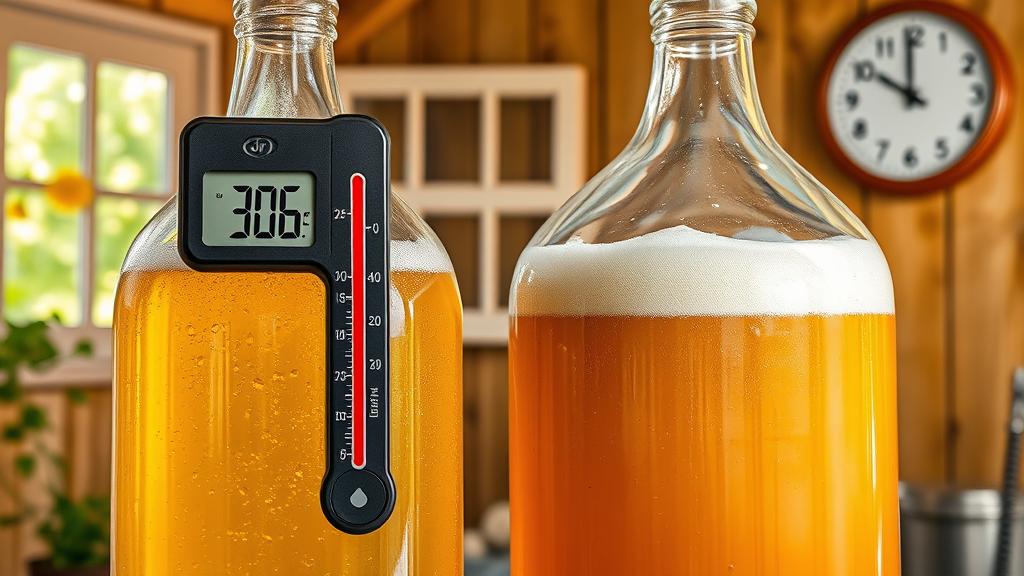
- Pitch: Cool your wort to 28–30°C (82–86°F). Yes, that’s hot. Pitch about 100 billion cells (one sachet of Kveik yeast). You’ll see activity within 8–12 hours.
- Days 1–3: Let it rip. Fermentation will be vigorous. You’ll see a thick krausen (foam layer) form. This is normal—and beautiful.
- Days 4–5: Activity peaks. Temperature may climb naturally to 32–33°C. Don’t panic. Kveik handles it.
- Days 6–7: Fermentation slows. Final gravity typically hits within 7 days at these temperatures.
- Conditioning: Kveik produces minimal esters and phenolics, so you can drink it young. I typically cool to 10°C (50°F), bottle, and carbonate for 10–12 days. You can crack one after that.
Compare that to standard ale yeast: same malt bill, same gravity, would take 12–14 days at 18–20°C (64–68°F), plus conditioning time. Kveik cuts your timeline by half. This speed is reminiscent of methods detailed in discussions of precision fermentation in modern homebrewing—control what matters, and let the rest follow.
The catch? You’re limited to styles that work at high temperatures. This breed of yeast excels in light, fruity, clean ales. Think of summer session ales, hazy pale ales, and farmhouse styles. It won’t suit dark, rich stouts or complex, delicate lagers. Choose your style wisely.
Tasting Notes and Honest Results
I’ve been brewing with Voss Kveik for three months now. Here’s what I’ve found:
Aroma: Stone fruit forward. Apricot, peach. Floral hints from the Cascade. Clean—no harsh esters or sulphur.
Flavour: Crisp, dry finish. The malt comes through: biscuity, slightly sweet from the Vienna. Citrus bite from the Centennial. Drinks like a beer that’s been conditioned for weeks, despite being only 10 days old.
Mouthfeel: Light, sessionable. Effervescence is clean and tight. No hot alcohol burn despite the 4.9% ABV.
Stability: Three months on, it’s stable. No off-flavours, no oxidation despite the warm fermentation.
What surprised me most? The consistency. Each batch tastes remarkably similar. Kveik’s reliability at high temperatures means less variation batch-to-batch, even without obsessive temperature control. That’s worth a lot in summer brewing.

Pro Tips and Common Mistakes to Avoid
Pitch enough yeast: One sachet is fine, but don’t under-pitch. Kveik at 30°C is racing against time. A full 100 billion cells ensures fast dominance and clean fermentation.
Don’t stress about temperature swings: You’ll see 2–3°C variation in summer. That’s expected and fine. Kveik handles it. The real enemy is stale yeast or wild contamination, not temperature precision.
Manage your krausen: High-temperature fermentation produces thick, sticky foam. Make sure your carboy is three-quarters full, not topped up. You don’t want blow-off.
Bottle early: Once fermentation stops (gravity stable for 2 days), bottle. Don’t age on yeast cake for weeks. Kveik’s done its job; get the beer into bottles to lock in freshness.
Avoid dark styles: Kveik is brilliant for pale ales, wheat beers, farmhouse styles. But pushing it into stouts or complex styles often reveals limitations. Save your dark malts for cooler months with conventional yeast.
This mirrors monastic wisdom again: understand your tools, match them to your task, and don’t fight nature. Kveik isn’t better than conventional yeast—it’s *different*. Use it where it shines.
Variations and Next-Level Experiments
Once you’ve nailed a basic Kveik brew, the variations are endless.
Fruit additions: Kveik’s clean profile handles fruit exceptionally well. I’ve added 2–3 kg of ripe strawberries at day 4, and the results were stunning: bright, jammy, but dry.
Spice and herbs: A light saison-like approach with coriander and orange peel works beautifully. Kveik pulls out delicate herbal notes.
Farmhouse styles: Blend two Kveik strains (e.g., Voss + Hornindal) for more complexity. The combination creates subtle differences in ester profiles.
Hybrid fermentation: Start with Kveik at 28°C for 4 days, then cool to 20°C and pitch a small amount of a slower ale yeast (like London ale) for final conditioning. You get speed plus complexity.
The key is consistency: nail your baseline recipe first. Once you understand what your Kveik culture does in your specific setup, variation becomes informed experimentation, not guesswork.
Conclusion: Embracing Summer Brewing
Kveik yeast represents a philosophical shift in homebrewing: moving from fighting our environment to working with it. Summer heat is inevitable in the UK—especially in 2026. Instead of despair, Kveik offers opportunity.
You’ll brew faster, save energy (no cooling equipment), and produce genuinely delicious beer. The flavours are clean, modern, and distinctly different from conventional ales. And you’ll join a lineage of farmhouse brewers who understood something we’d forgotten: sometimes, the simplest path is the right one.
Start with Voss Kveik, follow the recipe above, and brew in July. By August, you’ll have your first batch ready. Crack one at sunset with friends, and you’ll understand why this ancient yeast is taking 2026 by storm.
🍺 Join the Brotherhood — Monthly brews, stories & monk wisdom
Subscribe for exclusive recipes, early brew logs, and behind-the-scenes updates straight to your inbox.