Mastering Sensory Analysis: Advanced Quality Control Techniques for Homebrewers in 2026
As homebrewing continues to evolve in sophistication, one area that separates amateur enthusiasts from serious craft brewers is the mastery of sensory analysis. While equipment upgrades and recipe refinement get most of the attention, developing a disciplined approach to evaluating your beer’s sensory characteristics is what truly elevates your brewing game. In 2026, with new technologies and methodologies emerging, homebrewers have more tools than ever to perfect their quality control processes.
The Four Pillars of Sensory Evaluation
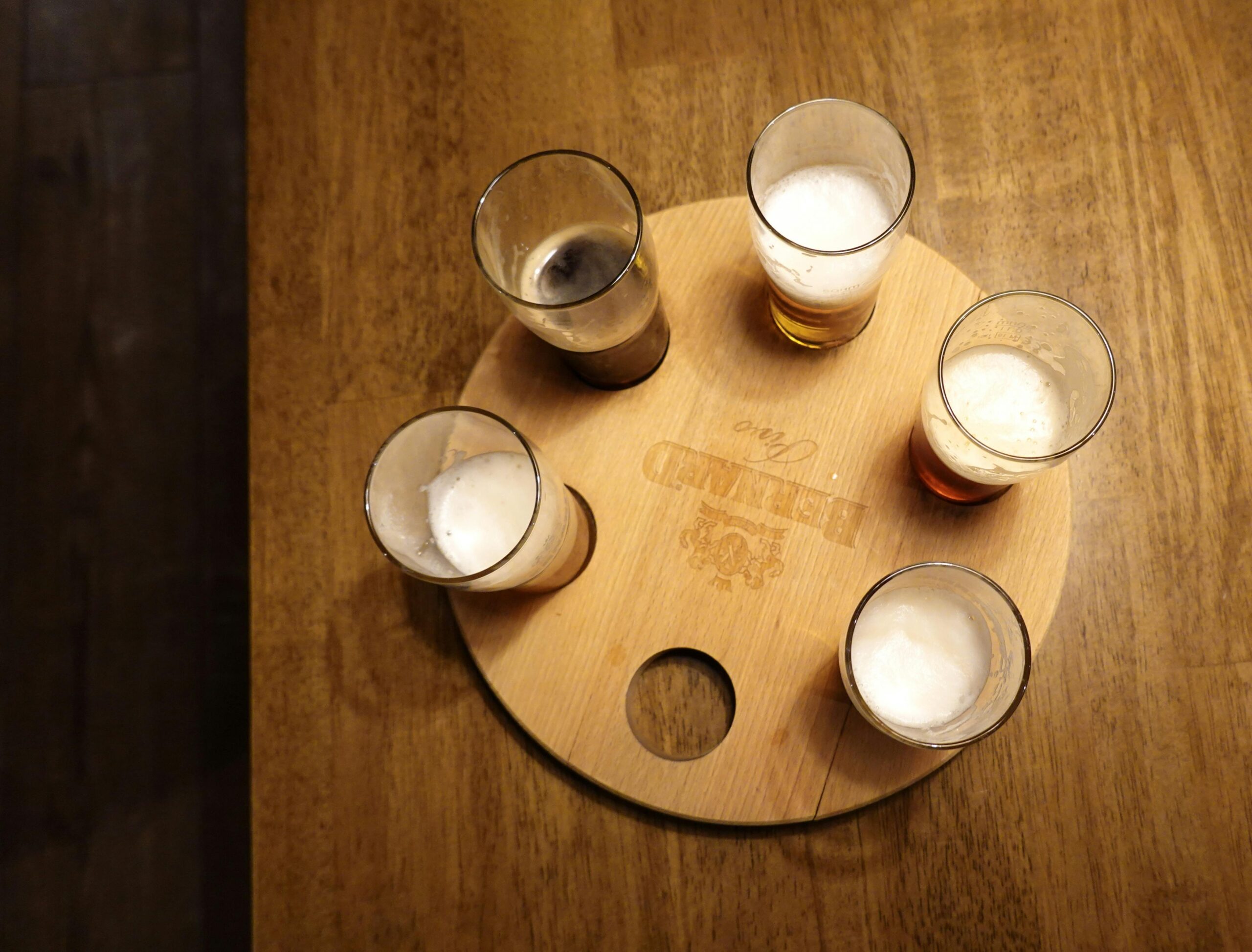
Professional brewers rely on four key sensory dimensions when evaluating beer: appearance, aroma, flavour, and mouthfeel. Each provides critical information about your brewing process and final product quality.
Appearance goes beyond just colour. You should assess clarity (brilliant, hazy, cloudy), head retention, carbonation level, and lacing on the glass. These visual cues can indicate issues with fermentation, filtration, or carbonation methods. For instance, poor head retention might suggest problems with protein content or cleaning residue.
Aroma evaluation requires a systematic approach. Start by gently swirling the glass to release volatile compounds, then take short, deliberate sniffs. Identify primary aromas (malt, hops, yeast character), secondary aromas (fermentation byproducts), and any off-aromas. Common off-aromas to watch for include diacetyl (buttery), DMS (cooked corn), acetaldehyde (green apple), and oxidation (cardboard, sherry).

Modern Tools for Homebrew Sensory Analysis
While traditional sensory analysis relies on human perception, 2026 brings exciting technological aids to the homebrewer’s toolkit:
- Digital pH meters have become more affordable and accurate, allowing precise monitoring of mash pH and fermentation progress.
- Refractometers with temperature compensation provide quick gravity readings without wasting precious beer samples.
- Affordable dissolved oxygen meters help identify oxidation issues before they ruin your batch.
- Mobile apps like BrewFather and BeerSmith now include sensory evaluation templates and tracking features.
These tools complement rather than replace your palate. The goal is to correlate measurable data with sensory experiences, building your ability to diagnose issues based on taste and aroma alone.
Building Your Sensory Library
One of the most effective techniques for improving sensory skills is creating a reference library of common beer flavours and faults. You can purchase commercial off-flavour kits or create your own using food-grade chemicals. Start with the most common faults:
- Diacetyl: Add a small amount of butter flavouring to a neutral beer
- Acetaldehyde: Use green apple flavouring
- DMS: Add cooked corn or creamed corn
- Lightstruck (skunky): Expose a beer to sunlight briefly
- Oxidation: Leave a bottle open for 24 hours before tasting
Regularly tasting these reference samples trains your palate to recognize these characteristics in your own brews.
The Role of Blind Tasting and Peer Feedback
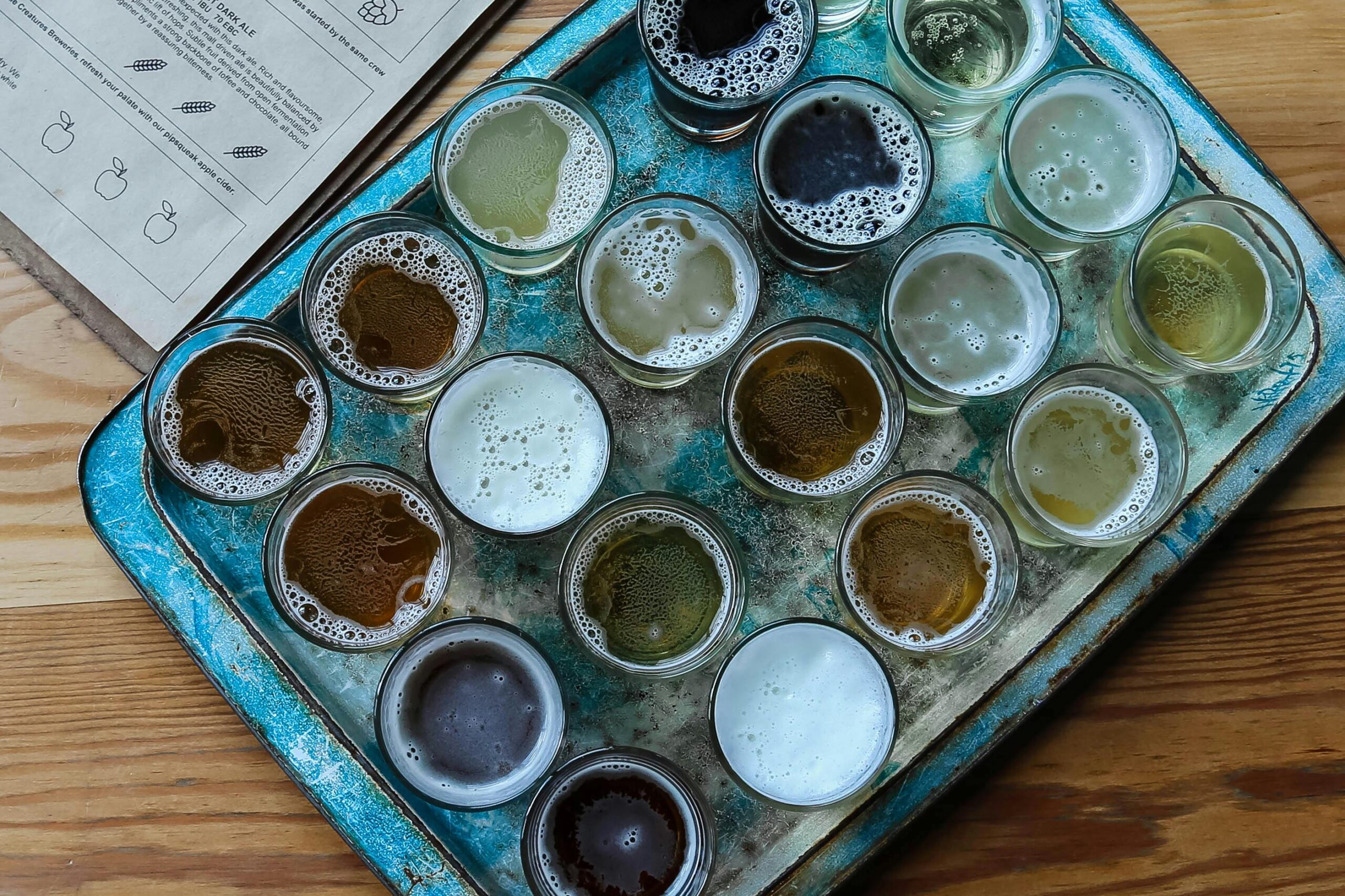
Objective evaluation requires removing bias. Implement blind tasting sessions where you and fellow brewers sample beers without knowing which is which. Use standardized evaluation forms like those from the Beer Judge Certification Program (BJCP) or create your own scoring sheet covering appearance, aroma, flavour, mouthfeel, and overall impression.
Consider joining a local homebrew club or online community like HomeBrewTalk to exchange feedback. The Campaign for Real Ale (CAMRA) also offers sensory training courses that can benefit serious homebrewers.
Connecting Sensory Data to Process Improvements
The ultimate goal of sensory analysis isn’t just evaluation—it’s improvement. Create a brewing log that connects sensory observations to specific process variables:
- Did that buttery note appear after a rushed fermentation temperature ramp?
- Does haze correlate with particular malt bills or fining agents?
- Are astringency issues linked to specific water treatments or sparge techniques?
By tracking these correlations over multiple batches, you’ll develop intuition for how process changes affect final product quality.
Looking Ahead: The Future of Homebrew Quality Control
As we look toward the rest of 2026 and beyond, several trends are emerging in homebrew quality control:
- AI-assisted sensory analysis apps that compare your tasting notes to databases of known faults
- Affordable electronic noses that can detect specific volatile compounds
- Integration with smart brewing systems that adjust processes based on sensory feedback
- Virtual reality tasting environments for standardized evaluation conditions
While technology advances, the foundation remains the same: developing a disciplined, systematic approach to evaluating what’s in your glass.
Getting Started with Systematic Sensory Analysis
If you’re new to formal sensory evaluation, start simple:
- Choose one beer style to focus on initially
- Use a standardized evaluation form for every tasting
- Build your off-flavour reference library gradually
- Share your beers with other brewers for feedback
- Connect sensory observations to your brewing notes
Remember that sensory skills develop over time. What seems subtle today will become obvious with practice. The investment in developing these skills pays dividends in every batch you brew.
For more advanced brewing techniques, check out our posts on smart brewing with IoT and AI, functional fermentation techniques, and low-ABV brewing mastery.
Whether you’re brewing for personal enjoyment or considering a move toward commercial production, mastering sensory analysis is the single most valuable skill you can develop as a homebrewer. In 2026, with more tools and resources available than ever before, there’s no better time to elevate your quality control game.