The Hybrid Beer Revolution: Cold IPA and West Coast Pilsner in 2026
As we move deeper into 2026, the craft beer landscape continues to evolve in fascinating ways. While traditional styles maintain their appeal, a new wave of hybrid beer styles is capturing the imagination of brewers and drinkers alike. Two styles in particular—Cold IPA and West Coast Pilsner—are defining the cutting edge of brewing innovation, blending techniques from different traditions to create something entirely new.
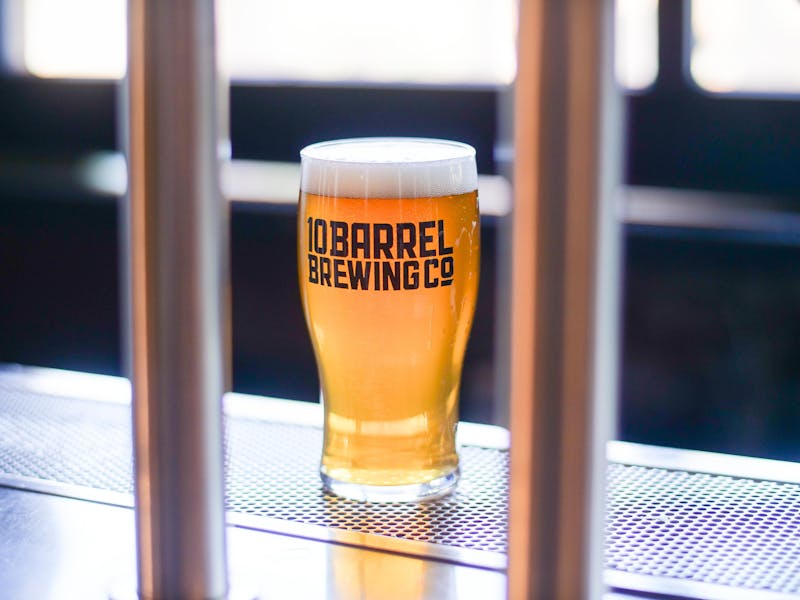
Cold IPA: The Antithesis of Hazy
First brewed by Kevin Davey at Wayfinder Beer in Portland back in 2018, Cold IPA has steadily gained momentum and is now reaching peak popularity in 2026. What makes this style so compelling is its deliberate departure from the dominant hazy IPA trend.
As Davey himself describes it, Cold IPA is the “antithesis” of New England-style IPA. Where hazy IPAs are soft, juicy, and opaque, Cold IPAs are crisp, clear, and dry. The name comes from the fermentation technique: brewers use lager yeast (traditionally fermented cold) but ferment at ale temperatures, creating a unique hybrid character.
The result is a beer that combines the hop intensity of a West Coast IPA with the clean, crisp finish of a lager. Expect bright, assertive hop character—often featuring modern varieties like Citra, Mosaic, and Simcoe—with none of the residual sweetness or cloudiness that defines the hazy movement.
West Coast Pilsner: Hoppy Lager Perfected
Parallel to the Cold IPA trend is the rise of West Coast Pilsner, another hybrid style that’s gaining serious traction in 2026. As Stone Brewing cheekily describes it: “Argue the name of the style all you want, but one thing is for certain: this is one crushable, quaffable, supremely refreshadelic beverage.”
West Coast Pilsners take the crisp, clean foundation of a traditional German or Czech pilsner and amp up the hop character with New World varieties. The result is “lighter-bodied and crisper than an IPA, fruitier and brighter than a pilsner,” creating a perfect session beer for hop lovers.
This trend aligns with the broader lager renaissance we’re seeing in 2026, where drinkers are rediscovering the appeal of crisp, clean beers with modern twists.
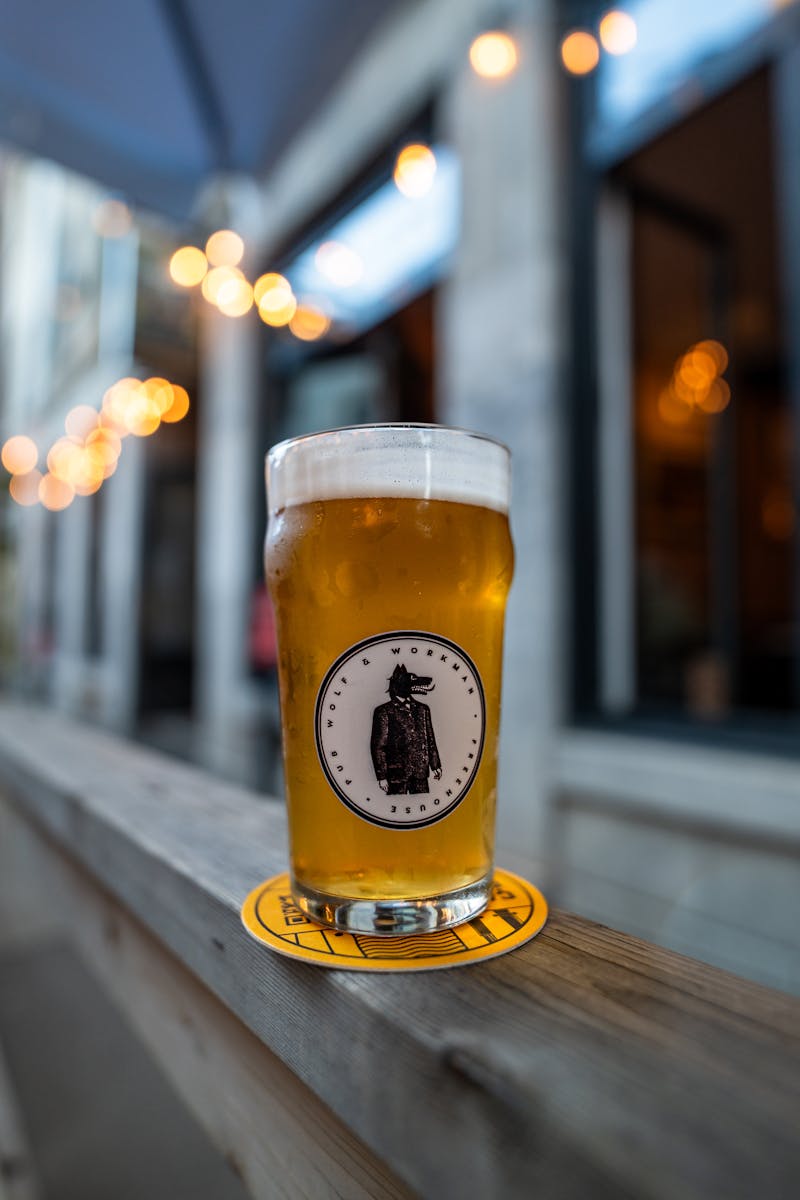
Why These Styles Are Thriving in 2026
Several factors explain why Cold IPA and West Coast Pilsner are having their moment:
- Palate Fatigue: After years of hazy IPA dominance, many drinkers are seeking cleaner, crisper alternatives that still deliver hop character.
- Sessionability: Both styles typically fall in the 5-6% ABV range, making them more sessionable than many double IPAs. This aligns with the growing trend toward session beers that offer flavor without high alcohol content.
- Technical Innovation: Brewers are increasingly skilled at blending ale and lager techniques, creating new possibilities for hybrid styles. This technical mastery builds on innovations like precision fermentation that have transformed modern brewing.
- Climate Considerations: As global temperatures rise, lighter, more refreshing beers gain appeal.
Brewing Your Own Hybrid Beers
For homebrewers looking to experiment with these 2026 trends, here are some key considerations:
Cold IPA Recipe Tips:
- Use a clean, high-attenuating lager yeast like 34/70, but ferment at 65-68°F (18-20°C)
- Keep the grain bill simple: mostly Pilsner malt with 10-20% adjuncts like corn or rice for dryness
- Hop aggressively in the whirlpool and dry hop with modern American varieties
- Aim for moderate bitterness (40-60 IBU) to balance the dry finish
West Coast Pilsner Approach:
- Start with a classic pilsner malt base (German or Czech)
- Use New World hops like Mosaic, Citra, or Nelson Sauvin for aroma and flavor
- Consider a small dry hop addition (1-2 oz per 5 gallons) for extra aroma
- Ferment with a clean lager yeast at traditional cold temperatures
The Future of Hybrid Styles
Looking beyond 2026, the success of Cold IPA and West Coast Pilsner suggests we’ll see more boundary-pushing hybrid styles. Brewers are increasingly comfortable borrowing techniques across traditional categories, creating new possibilities for innovation.
As industry analysts note, “Styles like West Coast pilsners, cold IPAs, and light stouts are gaining traction” as drinkers seek familiar yet innovative options.
For those interested in exploring these styles further, check out resources from CAMRA for traditional brewing context, or dive into technical discussions on Homebrew Talk. Commercial examples to seek out include Wayfinder’s Cold IPA (the original), Sierra Nevada’s new Boat Plane West Coast Pilsner, and Stone’s West Specific Pilsner.
Whether you’re a homebrewer looking for your next project or simply a curious drinker, 2026 offers exciting opportunities to explore the cutting edge of beer innovation through these compelling hybrid styles. And if you’re interested in even more experimental approaches, don’t miss our exploration of botanical brewing techniques that push the boundaries of flavor even further.