For centuries, monks brewed beer as a contemplative practice. They sought balance in every batch—strength balanced with drinkability, complexity with clarity. Today’s radlers and shandies carry that same philosophical thread: maximum flavour, minimum burden. And in 2026, that philosophy is quietly reshaping what we drink.
I’ve been thinking about this a lot lately. The craft beer world spent the last decade chasing extremes—pastry stouts with lactose, double dry-hopped hazies, imperial everything. There’s a recklessness to ambition. But somewhere around my third consecutive evening of feeling like I’d been hit by a truck, I realised something: I wanted to enjoy multiple pints again. I wanted flavour that didn’t come with guilt or a wrecked morning after.
That’s where radlers and shandies come in. And it turns out, they’re one of the fastest-growing beer trends in 2026.
What Are Radlers and Shandies, Really?
Let me be clear: these aren’t new drinks. Radlers have been part of German and Austrian beer culture since the 1920s. Shandies—beer mixed with soft drink, lemonade, or ginger beer—are even older, stretching back to 18th-century British pubs. But after a decade of craft beer snobbery that politely dismissed them as “not real brewing,” they’re having a moment of genuine rediscovery.
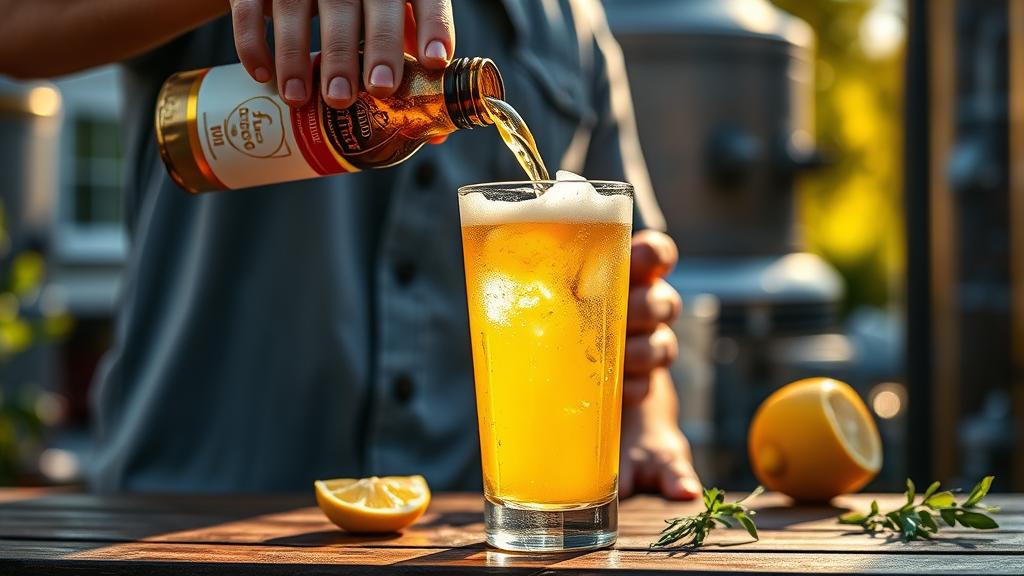
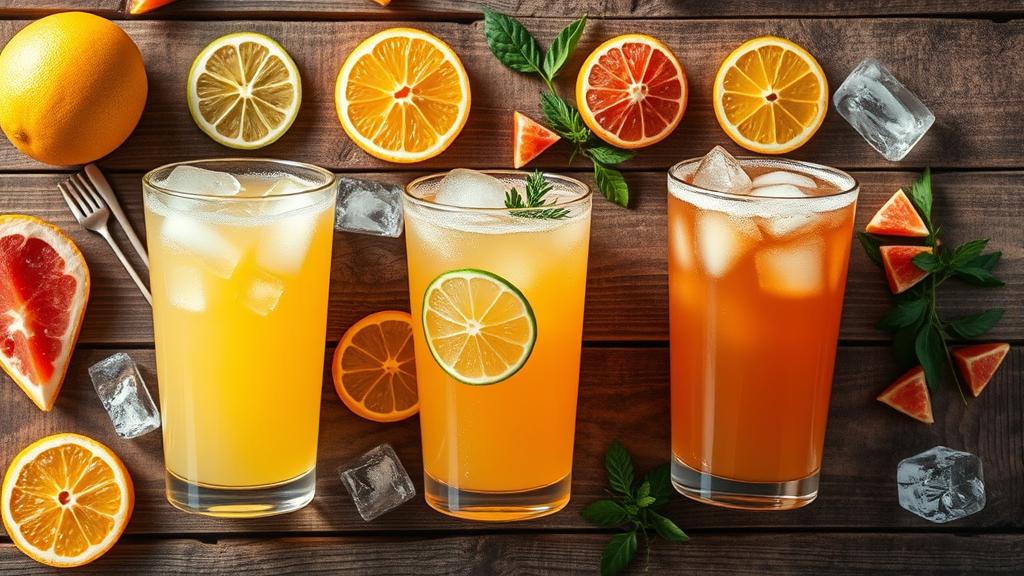
A radler is a beer (typically a light lager, pilsner, or wheat beer) mixed with a fruit juice or cordial—usually lemon, lime, or grapefruit. The beer-to-juice ratio is usually 50:50 or 60:40, depending on your taste and the strength of the juice. A shandy takes the same principle but swaps fruit juice for carbonated soft drink: lemonade, ginger beer, or craft sodas are all fair game.
The traditional formula was simple: refreshment. You mixed a beer with something fruity or spicy to cut through heat, to stretch an expensive pint further, to make the drink less “strong” and more sociable. In medieval England, shandies were standard fare at market days and festivals. They weren’t gimmicks; they were practical.
What’s changed in 2026 is that we’re no longer ashamed of that practicality. We’re leaning into it.
Why 2026 Is the Year of the Radler (and It Makes Perfect Sense)
I’ve been talking to other brewers lately, and the consensus is clear: people are tired. Not of beer—of the performance of beer. The Instagram aesthetic, the hype drops, the arms race of ABV and bitterness units.
Radlers and shandies sidestep all that. They’re inherently unpretentious. You mix beer with fruit or soft drink because it tastes good and because you want to drink more than one. There’s wisdom in that simplicity.
From a practical angle, they solve real problems in 2026. The cost of living means consumers are more ruthless about value. A radler stretches a premium craft beer further without sacrificing quality—you’re still drinking something thoughtfully made, just made more refreshing and sessionable. Health-conscious drinkers get flavour and ritual without the full ABV. And socially, a 3% radler becomes a legitimate choice for someone driving, pregnant, sober-curious, or simply wanting to pace themselves through an afternoon.
The retailers I’ve spoken to report that low- and no-alcohol beers are their fastest-growing category. Radlers and shandies—especially when made with care—bridge that gap perfectly. They’re alcoholic enough to feel like “real beer” to traditional drinkers, and sessionable enough for anyone seeking moderation.
Getting Started: Essential Ingredients and Equipment
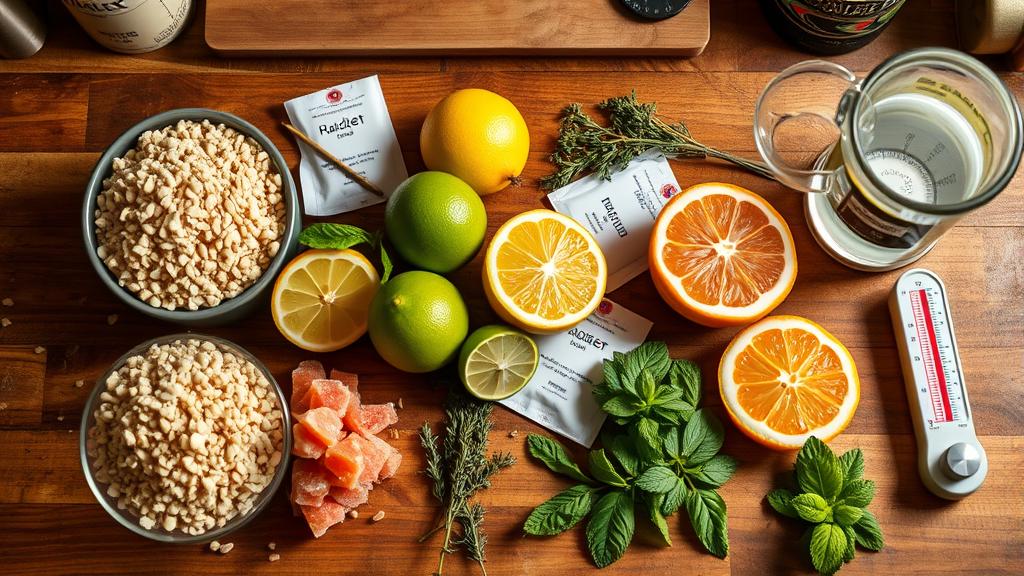
The equipment you need for radler and shandy brewing is standard. If you’ve brewed any beer before, you’re ready. A 20-litre (5 US gallon) fermenter, airlock, sanitiser, hydrometer, bottles, and caps—nothing exotic.
The ingredient decisions are where it gets interesting.
The Base Beer
Choose a clean, crisp base beer. German-style pilsners work brilliantly—they’re designed to be refreshing, with low esters and a subtle spice from noble hops. British pale ales work too, though they’ll be slightly more bitter. Wheat beers are excellent if you want a softer, slightly fruity platform. I’d avoid heavily hopped beers (unless you’re deliberately creating a bitter grapefruit radler) or dark malts (they muddy the bright juice flavours).
For alcohol strength, aim for 4–5.5% ABV. This keeps the final radler in the 2.5–3.5% range, depending on your juice ratio.
Juice and Flavouring
Fresh is better than concentrate. A good lemon juice will cost £1.50–£3 per litre from your local market or grocer, or you can press citrus yourself—it takes 5–6 lemons (450g/1 lb) to yield roughly 200ml of juice. I prefer fresh because it has complexity: natural oils, acidity, subtle bitterness.
Experiment beyond citrus. Grapefruit is particularly rewarding—the natural bitterness plays beautifully against a crisp beer base. Lime is bright and tropical. Passion fruit or guava work for more adventurous batches. And don’t ignore herbs: fresh mint, basil, or thyme can add a layer of sophistication that separates a homemade radler from a commercial one.
For shandies, craft sodas are your friend. A good ginger beer brings warmth and spice. Elderflower cordials, when properly diluted, create something almost wine-like. The Malt Miller stocks some excellent cordials and syrups designed for brewers.
Water Chemistry
Keep it simple. Soft water works best—you want the beer to be clean so the fruit flavours shine. If your tap water is very hard, a simple carbon filter will help. You don’t need to adjust pH for a radler; the juice will handle that.
Brew Day: Creating Your First Batch
- Brew normally. Make your base beer exactly as you would a standard pilsner or pale ale. No surprises. Aim for a clean fermentation at 18–20°C (64–68°F) for lagers, or 19–21°C (66–70°F) for ales.
- Ferment completely. Let the yeast finish fully—usually 10–14 days. You want the beer dry and stable before you add fruit.
- Prepare your juice. If using fresh juice, filter it through a fine sieve to remove pulp. If using cordial, dilute to taste—a good ratio is 1 part cordial to 3 parts water, but taste as you go.
- Mix post-fermentation. This is crucial: add your juice or cordial after the beer has finished fermenting and begun to clear. Adding juice during fermentation can cause unexpected fermentation of the fruit sugars, leading to over-carbonation or off-flavours.
- Blend to taste. The classic ratio is 50:50 beer to juice, but taste and adjust. You might prefer 60:40 or 70:30 depending on how bold you want the fruit character.
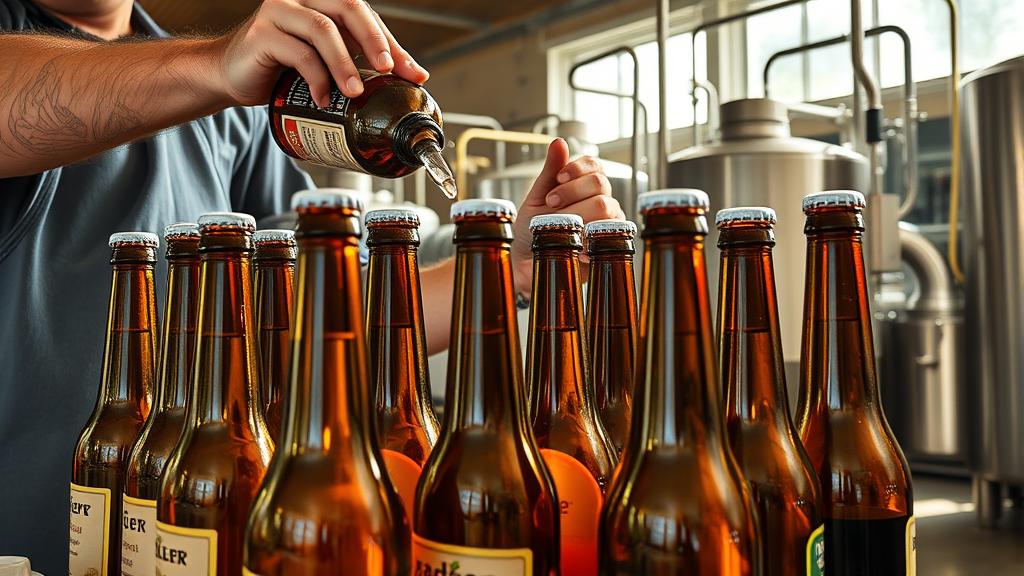
- Bottle and condition. Bottle as you would normal beer. A radler won’t need extended conditioning—2–3 weeks at room temperature is plenty. The fruit and juice create their own preservative environment.
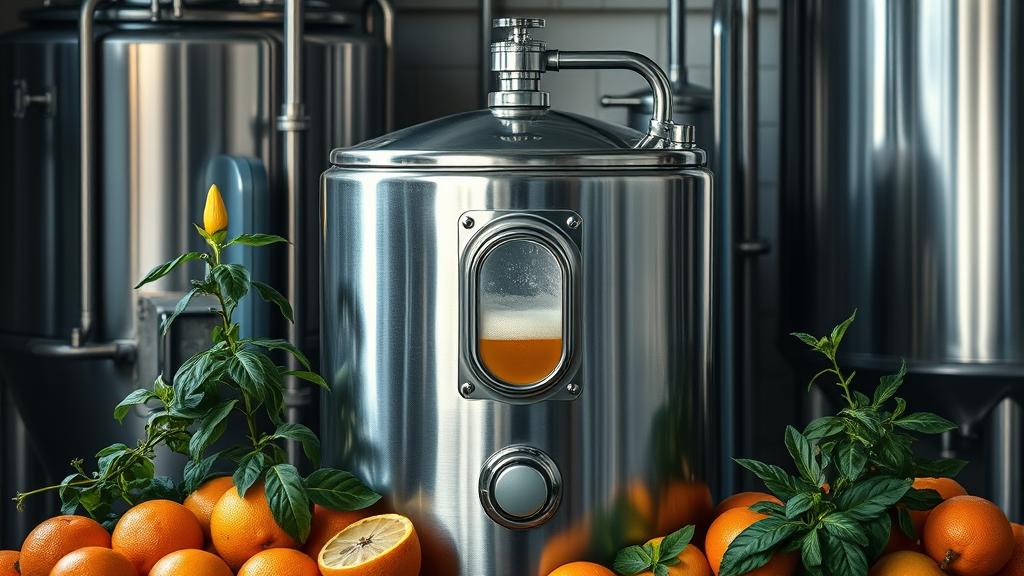
Flavour Development and Honest Tasting Notes
My first experimental batch was a lemon radler using a simple German pilsner base and juice from local lemons. I bottled 15 litres and invited a few friends over to taste alongside the straight beer. The results were illuminating.
The 50:50 blend was almost too sharp—the acidity was aggressive, and the beer felt slightly lost underneath. The 60:40 blend (more beer, less juice) was far better: the lager’s subtle Noble hop character came through, balanced by the citrus. The 70:30 blend felt almost like a cocktail, which was pleasant but not what I was after.
I learned something else: carbonation matters enormously. Over-carbonated radlers taste thin and acidic. Under-carbonated ones feel flat and heavy. Aim for the same carbonation level as your base beer—around 2.4–2.6 volumes of CO₂—and you’ll get a bright, refreshing result.
For shandies, HomeBrewTalk forums taught me that the beer should complement rather than compete with the soft drink. A ginger beer shandy works best with a slightly sweet or caramel-forward pale ale. A lemonade shandy wants a clean, crisp base. The pairing matters.
Pro Tips and Common Mistakes
The Sanitation Question
Some brewers worry that adding juice post-fermentation risks infection. The reality: if your beer has finished fermentation and dropped to a low pH (around 3.8–4.2), and your juice is clean, the risk is minimal. Fresh citrus juice is naturally acidic and antimicrobial. That said, if you’re using unpasteurised juice, consider a brief heat treatment: gently warm it to 65°C (150°F) for 10 minutes, then cool before blending. It’s cautious but worthwhile.
Avoiding the “Concentrate” Flavour
Commercial radlers often taste artificially fruity—that’s concentrate talking. Fresh juice tastes better, but it oxidises faster once bottled. Drink your radlers within 4–6 weeks of bottling. The flavours are brightest young.
Herb Integration
If you want to add herbs (mint, basil, thyme), don’t add them raw to the bottled beer—they’ll look ugly and can mask flavours. Instead, brew them into a simple syrup: steep fresh herbs in boiling water for 10 minutes, strain, dissolve sugar (roughly 100g per 250ml), cool, and blend this into the finished beer before bottling. You get clean herbal character without sediment.
The Carbonation Sweet Spot
Under-carbonated radlers feel cloying. Over-carbonated ones become sharp and thin. Use a carbonation calculator (search “priming sugar calculator”) and aim for exactly 2.4–2.6 volumes of CO₂. A bottle-pressure gauge takes the guesswork out.
Variations and Next-Level Experiments
Once you’ve nailed a basic lemon or lime radler, the variations are endless. Try grapefruit with a touch of fresh thyme. Brew a wheat beer and blend it 50:50 with passion fruit juice—the yeast esters and fruit create something almost wine-like. Create a ginger beer shandy with a moderately hopped pale ale at 4.5% ABV, and you’ve got something genuinely original.
Advanced brewers might experiment with wild fermentation techniques combined with radlers—a spontaneously fermented wheat beer blended with fresh strawberries or blackcurrants could rival any commercial product. Or try blending two base beers: a light lager and a slightly caramel-forward ale, then adding juice. Complexity multiplies.
The key principle: radlers and shandies aren’t lazy shortcuts. They’re a creative framework. Treat them with the same precision you’d apply to a barrel-aged stout, and the results speak for themselves.
Why This Trend Matters Beyond the Glass
Radlers and shandies represent something bigger in 2026: a beer culture learning to value balance, accessibility, and genuine enjoyment over performance and prestige. That’s profoundly monastic, if you think about it. The Benedictine tradition wasn’t about excess or display. It was about creating something good, something that served a purpose, something that brought people together.
When you drink a radler, you’re not performing expertise. You’re not hunting for the next hype release. You’re simply enjoying a drink that’s refreshing, flavourful, and honest about what it is. In an age of endless extremes, that’s revolutionary.
Final Thoughts
I’ve brewed dozens of styles over the years—complex sours, impossible high-gravity experiments, fruit beers that took months of careful management. But some of my proudest moments have come from simple batches: a clean pilsner, a straightforward IPA, and now, a radler that brings friends back for second and third glasses.
That’s the radler philosophy in a sentence. It’s not about chasing records or validating effort through complexity. It’s about making something good that people actually want to drink.
2026 is the year to start. Your first radler is waiting, and it’s far easier than you think.
🍺 Join the Brotherhood — Monthly brews, stories & monk wisdom
Subscribe for exclusive recipes, early brew logs, and behind-the-scenes updates straight to your inbox.