Spring Hops 2026: Brewing with CF310, CF321, and the New British Varieties
If you’ve been paying attention to the brewing world lately, you’ll know spring has brought something special: new hop varieties on the cusp of commercial release, and a revival of British-grown hops that shouldn’t be ignored. After a conversation with the hop specialists at Charles Faram—who’ve been at the forefront of British hop breeding since the 1850s—I realised this is the moment to experiment with what’s coming next.
The truth is, most homebrewers stick with the familiar: Mosaic, Citra, Cascade. They’re brilliant, proven, reliable. But the genetic revolution in brewing isn’t limited to yeast. Hops are evolving too, and if you want to stay ahead of the curve, this is the season to start experimenting.
What’s New in British Hop Fields This Spring?
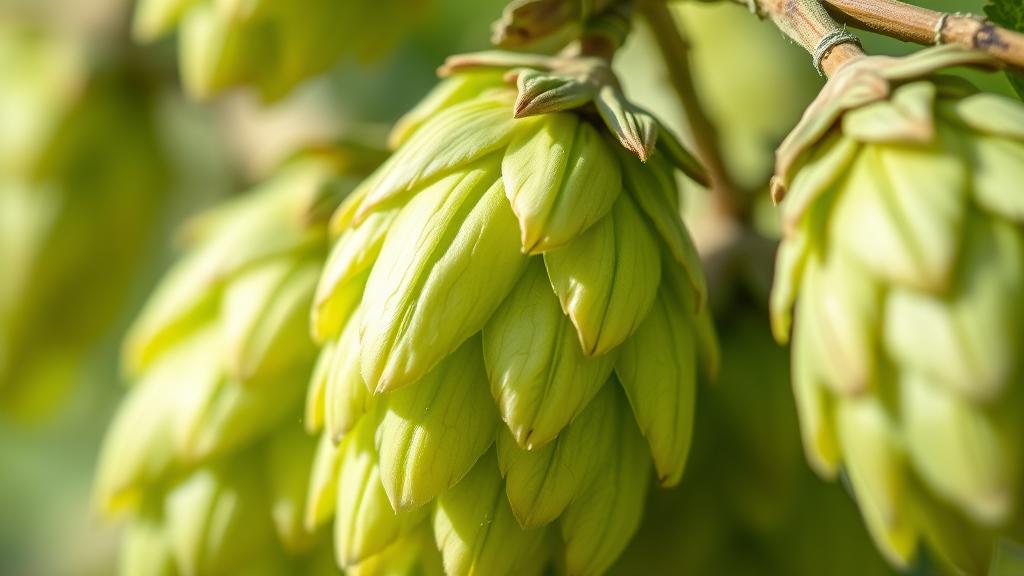
For the first time in years, British hop acreage is actually expanding rather than contracting. Yes, the UK lost half its hop farms post-Covid, but the ones that remained are doubling down—and that’s thanks to new varieties proving their worth.
Charles Faram’s research team has been particularly busy. Two experimental varieties are showing real promise: CF310 and CF321. These aren’t just lab creations; they’ve been tested at Aroma Fests with breweries like Buxton and Utopian Brewing, and the feedback has been enthusiastic.
CF310 leans into pine and resin with hints of passionfruit and citrus. It’s the kind of hop that wants to shine in a West Coast IPA or a crisp spring pale ale. The pine notes are clean—not medicinal, but fresh. I’m imagining it paired with a light Maris Otter or Pale Ale malt.
CF321 is more complex. Tropical fruits dominate—think mango and passion fruit—but there’s also orange, citrus, and a subtle coconut character. Will Rogers at Charles Faram described this one as “more layered,” and I reckon it would be exceptional in a New England IPA or a Belgian-inspired golden ale where those tropical notes could dance against a slightly fruity yeast.
The timeline? Both are several harvests into the breeding programme and should reach market within the next 12-18 months, assuming this year’s harvest confirms their consistency. That means if you want to experiment with them now, you’re looking at contacting hop merchants or Charles Faram directly about test samples. It’s possible, and honestly, it’s worth the effort.
The Harlequin Explosion and What It Means for You
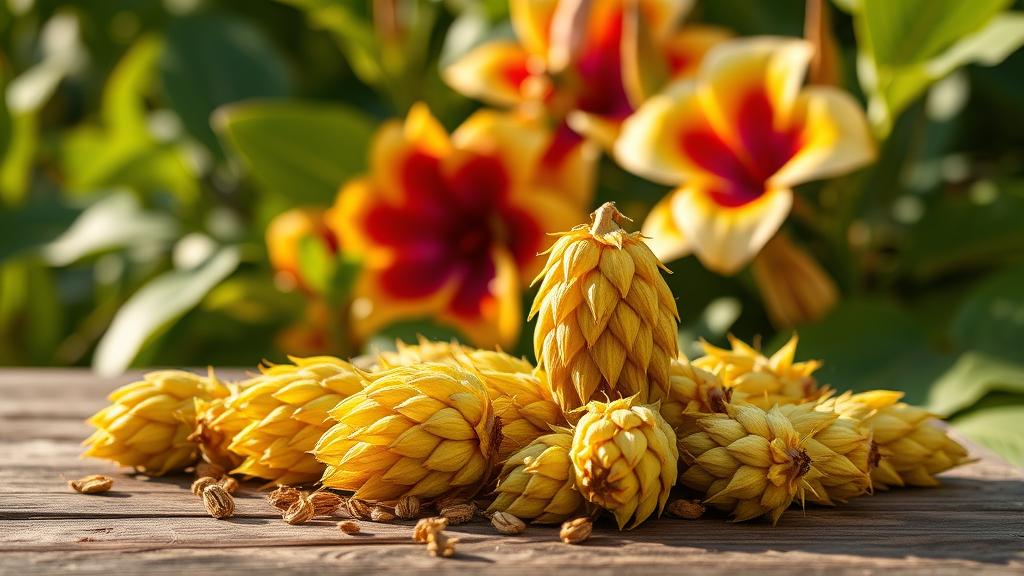
Before CF310 and CF321, there was Harlequin. Described by Charles Faram as “one of the most exciting breakthroughs in British hop breeding,” this fruit-forward variety has become almost impossible to find. The demand is mad. But this year, acreage has doubled.
Harlequin is a curious hop. It’s not aggressive or bold; instead, it offers subtle berry and stone fruit notes with a gentle floral backdrop. It’s the kind of hop that makes you slow down and think about what you’re tasting. I’ve used it in traditional English ales where it adds complexity without dominance, and in lighter pale ales where it becomes the star.
Charles Faram has released a virus-free variant that should grow more vigorously and establish quicker. Within 4-5 years, it could become the largest UK hop variety. That means supply will finally catch up with demand, and prices might actually stabilise.
If you’ve been struggling to find Harlequin for the past year, now’s the time to secure it. It’s about to become more accessible, and if you’re building a signature house recipe, this is the year to nail it.
The German Invasion: Growing Hersbrucker in Britain
Here’s something that would’ve seemed mad five years ago: German brewers are excited about UK-grown Hersbrucker.
Hersbrucker is a noble hop from Bavaria’s Hallertau region—clean, slightly herbal, the backbone of traditional German lagers. But climate change has made German harvests unpredictable. Yields fluctuate, and so do the oil and alpha acid profiles. A UK-grown Hersbrucker, bred for consistency and disease resistance, actually solves a European problem.
From a homebrewer’s perspective, this is brilliant. If you want to brew a proper German-style helles or pils with local British ingredients, you can now source Hersbrucker grown in Kent. It’s not revolutionary, but it’s authentic and it closes a loop that’s existed for decades.
Phoenix: The Spicy Molasses Hop for Stout Season (Even in Spring)
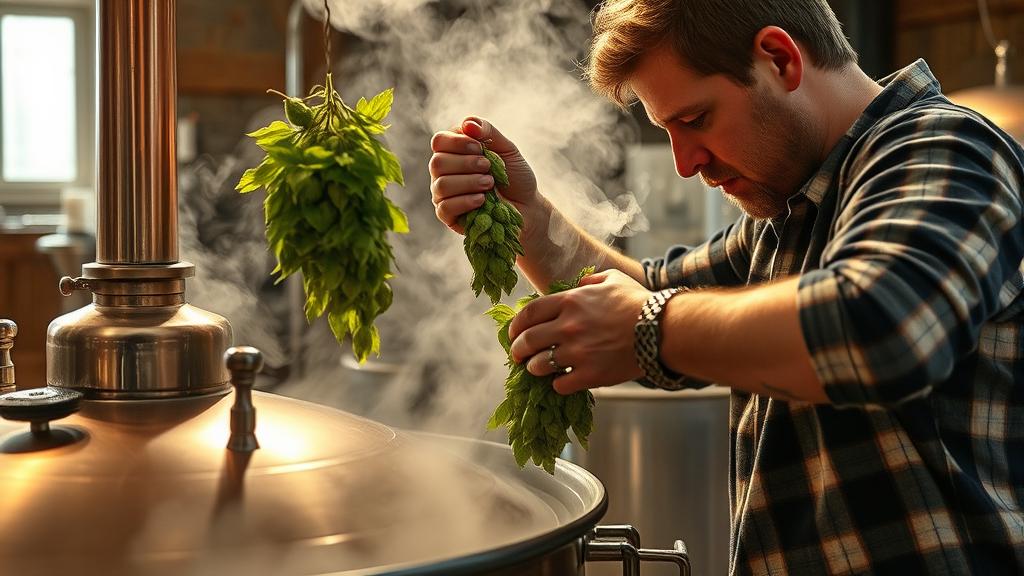
Phoenix hops aren’t brand new, but they’re gaining traction, and they’re being planted more extensively this year. Soft, sweet, molasses-like character with a hint of spice—that’s the profile. It pairs beautifully with darker malts and adds a subtle oiliness that improves mouthfeel in richer beers.
Normally, you’d think of Phoenix for autumn stouts. But the resurgence in nitro stouts—especially cask variants—means brewers are revisiting black beers year-round. If you’ve been intimidated by brewing stouts at home, Phoenix is a gentler entry point than aggressive American bittering hops. The sweet, almost candied character keeps things balanced.
How to Source These Hops (And When)
The reality: CF310 and CF321 aren’t available to homebrewers yet. Not commercially, anyway. But here’s what you can do:
- Contact Charles Faram directly. They sometimes release small test batches to serious homebrewers, particularly if you’re brewing a recipe they’re interested in.
- Check with indie hop merchants. GetErbrewed, The Malt Miller, and BrewUK are keeping tabs on new varieties and may have access to limited quantities.
- Join brewing forums. HomeBrewTalk and local UK homebrew clubs sometimes organise group purchases of rare hops.
- Harlequin, Hersbrucker, and Phoenix are available now from most major suppliers.
The moral? Don’t wait for perfect conditions. If you find any of these hops available, buy them. This is a moment of transition in British brewing, and access to interesting varieties is still limited. The patience required here reminds me of the Benedictine approach to work: ora et labora—pray and labour. In brewing terms, that’s: research, source what you can, and brew thoughtfully with what you find.
Recipe Building with the New Varieties

Here’s how I’d approach building recipes around these varieties:
CF310 Single-Hop Pale Ale: Start simple. 50 IBU bittering charge with a clean bittering variety (Magnum or Northern Brewer), then let CF310 shine in the 30-minute mark (10 IBU) and whirlpool additions (30 IBU flameout). Pale ale malt, 10% Munich, small hit of crystal for roundness. Clean ale yeast—maybe a bit of Kveik for speed. The pine will sing.
CF321 New England IPA: This one wants haze and juice. Flaked oats, some wheat malt, and a touch of lactose for mouthfeel. Bittering with Magnum (30 IBU), then CF321 in the whirlpool and two dry-hop additions (10g/L for a week, then 5g/L for the final days). Pair with a fruity yeast like Conan or WLP051. The tropical notes will marry beautifully with yeast esters.
Harlequin Hybrid Blonde Ale: A light malt base with Pale Ale and maybe 5% Munich. Single-hop with Harlequin—it doesn’t need backup. 30 IBU bittering, 20 IBU whirlpool, 10g/L dry hop. Neutral yeast (WLP001 or similar). Let Harlequin’s subtle stone fruit speak.
Hersbrucker Traditional Lager: Pilsner malt, small touch of Vienna. 20 IBU Hersbrucker bittering, 10 IBU at 10 minutes. No dry hop; Hersbrucker is about subtle herbal character and clean bitterness. Cold ferment with a proper lager yeast (WLP830 or similar) and condition for 6 weeks minimum. This is about patience and precision.
Phoenix Nitro Stout: British black malt base (pale ale malt, crystal 120, black malt, maybe some flaked oats for creaming). 40 IBU Phoenix bittering only. No late additions; let the roasted malt take the lead. It’s all about mouthfeel here. Nitrogen or CO₂ blend will enhance the oiliness Phoenix provides. Finish with a 1.5% ABV for sessionability.
Lessons from the Hop Fields
What struck me most in speaking with Charles Faram was the tension between innovation and preservation. British hop acreage halved during Covid. Some varieties were lost forever. Now there’s a small window—maybe 2-3 years—where new varieties are being tested and older varieties are being protected through expanded plantings.
This is exactly where homebrewers can make a difference. Every time you brew with a Harlequin, Hersbrucker, or Phoenix beer, you’re voting for those varieties’ future. Commercial breweries follow consumer demand. If enough of us experiment with British hops, if we seek them out and talk about them, the market shifts.
The monks would recognise this: benedictus sit nomen Domini—blessed be the work of our hands. In this case, the work of hop farmers and breeders trying to keep an endangered craft alive.
What’s Next?
Keep your eye on Charles Faram’s updates throughout 2026. CF310 and CF321 should reach market sometime in 2027, assuming this year’s harvest confirms their potential. When they do, the brewing world will change slightly. New flavour profiles will become accessible, and the conversation around British hops will expand.
Until then? Source what you can. Experiment. Brew a Harlequin ale and a Hersbrucker lager. Taste what’s possible. This is the season for it.
Spring doesn’t last long in the UK, but the hops growing in British fields right now will echo through next year’s brewing season. That’s worth paying attention to.
🍺 Join the Brotherhood — Monthly brews, stories & monk wisdom
Subscribe for exclusive recipes, early brew logs, and behind-the-scenes updates straight to your inbox.